
Butterflies in North-East India: A Powerful Guide

Butterflies in North-East India: A Beginner’s Guide
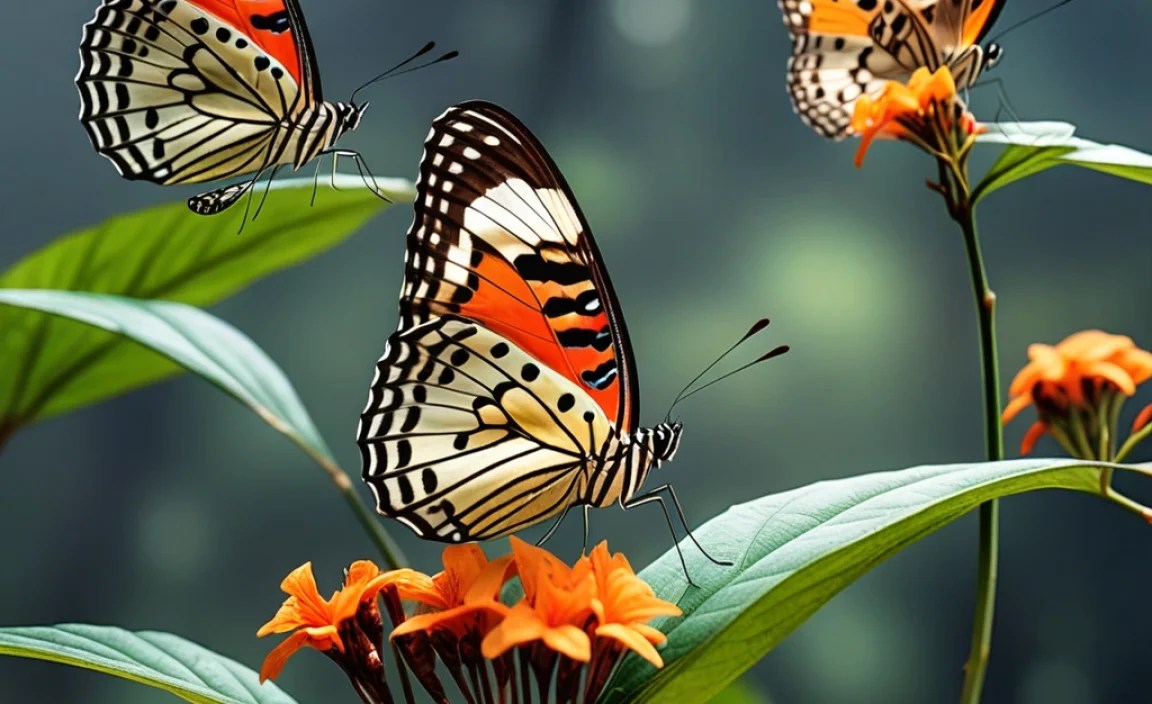
Discovering the butterflies in North-East India is an amazing experience! This region is a biodiversity hotspot, teeming with colorful and fascinating butterfly species. This guide will help you identify some common butterflies, learn about their habitats, and understand why this area is so important for butterfly conservation. Get ready to explore the enchanting world of butterflies!
Have you ever wondered about the vibrant butterflies fluttering around the lush landscapes of North-East India? This region is a true paradise for butterfly enthusiasts, boasting an incredible diversity of species. It can be a little overwhelming to know where to start! This guide will walk you through the basics of identifying common butterflies in the area. We’ll also explore their habitats and discuss the crucial role North-East India plays in butterfly conservation. Let’s dive into the enchanting world of these delicate creatures together!
Frequently Asked Questions (FAQs)
Here are some common questions about butterflies in North-East India:
What makes North-East India so special for butterflies?
North-East India’s varied climate, diverse habitats, and strategic location make it a biodiversity hotspot, supporting a vast array of butterfly species.
How many butterfly species are found in North-East India?
The region is home to over 900 species of butterflies, representing a significant portion of India’s total butterfly diversity.
What are some common butterflies I might see in this region?
Some common butterflies include the Common Bluebottle, Common Mormon, Cruiser Butterfly, and various species of swallowtails and skippers.
What kind of habitats do butterflies prefer in North-East India?
Butterflies thrive in a range of habitats, including tropical rainforests, deciduous forests, grasslands, and even urban gardens.
How can I attract butterflies to my garden in North-East India?
Planting native flowering plants that provide nectar and host plants for caterpillars will attract butterflies to your garden. Avoid using pesticides.
Why is butterfly conservation important in North-East India?
Butterfly conservation helps maintain ecological balance, supports pollination, and preserves the region’s unique biodiversity in the face of habitat loss and climate change.
Are there any butterfly festivals in North-East India?
Yes, several butterfly festivals are held in the region to raise awareness about butterfly conservation and promote ecotourism.
Unveiling the Butterfly Paradise of North-East India
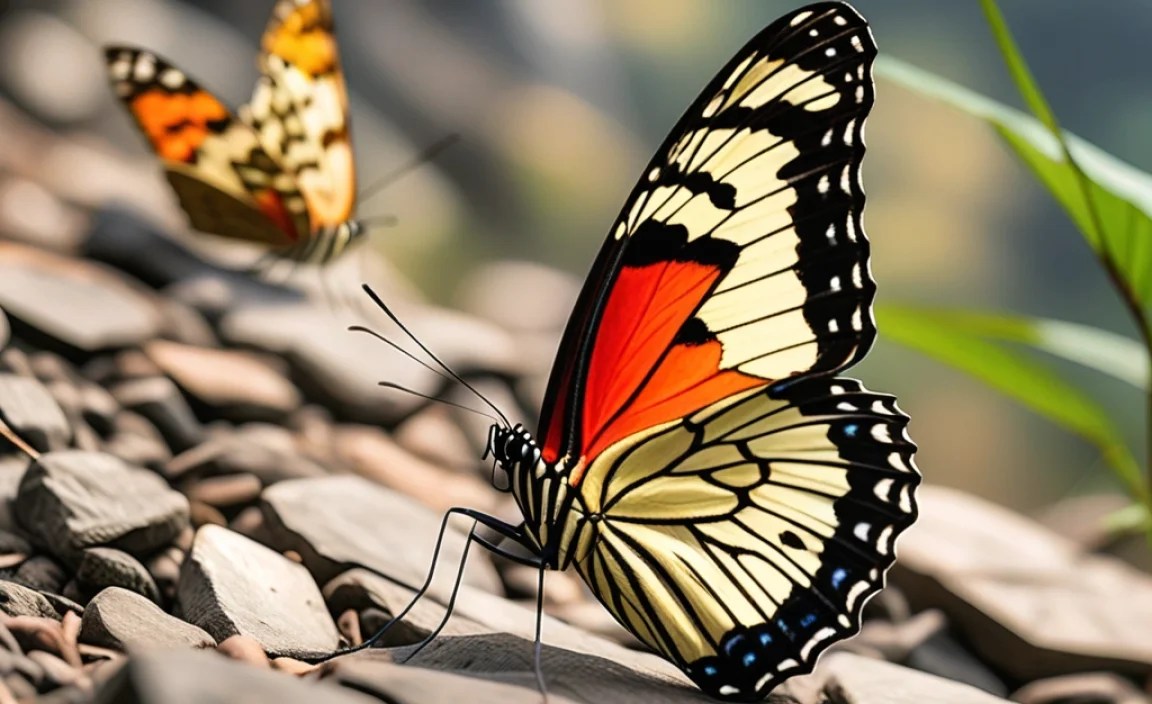
North-East India, comprising states like Arunachal Pradesh, Assam, Manipur, Meghalaya, Mizoram, Nagaland, and Tripura, is a treasure trove of biodiversity. This region is part of the Indo-Burma biodiversity hotspot, making it exceptionally rich in flora and fauna, including butterflies. The varied climate, ranging from tropical to temperate, and the diverse habitats, including lush rainforests, rolling hills, and fertile river valleys, create ideal conditions for a wide array of butterfly species to flourish.
Why North-East India is a Butterfly Hotspot
Several factors contribute to the region’s high butterfly diversity:
- Geographical Location: Situated at the crossroads of the Indo-Malayan and Indo-Chinese biogeographic zones.
- Diverse Habitats: Includes tropical rainforests, deciduous forests, alpine meadows, and wetlands.
- Varied Climate: Experiences a wide range of climatic conditions, from humid subtropical to temperate.
- Rich Flora: Abundant host plants and nectar sources support butterfly populations.
Identifying Common Butterflies

Identifying butterflies can be an exciting and rewarding experience. Here are some common butterflies you might encounter in North-East India, along with tips on how to recognize them:
1. Common Bluebottle (Graphium sarpedon)
The Common Bluebottle is a striking butterfly with vibrant blue bands on its black wings. It is a fast flier and can often be seen near water sources.
Identification Tips:
- Distinctive blue bands across the wings.
- Black body with blue markings.
- Fast and erratic flight pattern.
2. Common Mormon (Papilio polytes)
The Common Mormon is a highly variable butterfly, especially in females. Males are typically black with white spots, while females can mimic other butterflies to avoid predation.
Identification Tips:
- Males are black with white spots.
- Females exhibit different forms, some mimicking the Common Rose or Crimson Rose.
- Found in gardens, forests, and open areas.
3. Cruiser Butterfly (Vindula erota)
The Cruiser is a beautiful orange and brown butterfly known for its strong flight and preference for forest habitats.
Identification Tips:
- Orange wings with brown borders.
- Distinctive wing shape.
- Prefers shaded forest areas.
4. Common Jezebel (Delias eucharis)
The Common Jezebel is a brightly colored butterfly with a striking pattern of red, yellow, and black on its wings. It is commonly found in gardens and forests.
Identification Tips:
- Bright red and yellow markings on the underside of the wings.
- Black upper wings with white spots.
- Slow and graceful flight.
5. Striped Albatross (Appias libythea)
The Striped Albatross is a delicate white butterfly with black stripes along the wing margins. It is often seen flying in groups.
Identification Tips:
- White wings with black stripes.
- Slender body.
- Gregarious behavior.
6. Chocolate Pansy (Junonia iphita)
The Chocolate Pansy is a common butterfly with a rich chocolate-brown color and distinctive eyespots on its wings.
Identification Tips:
- Chocolate-brown wings with eyespots.
- Found in open grasslands and gardens.
- Quick, darting flight.
7. Commander (Moduza procris)
The Commander is a striking butterfly with a bold pattern of black and white stripes. It is often seen resting on leaves with its wings spread.
Identification Tips:
- Black wings with white stripes.
- Distinctive wing shape.
- Prefers forest edges and clearings.
Exploring Butterfly Habitats
Butterflies are highly dependent on specific habitats that provide them with food, shelter, and breeding sites. Understanding these habitats is crucial for butterfly conservation.
Tropical Rainforests
The dense rainforests of North-East India are home to a wide variety of butterfly species. These forests provide a continuous supply of nectar and host plants, supporting large butterfly populations.
Deciduous Forests
Deciduous forests, which experience seasonal changes, also support a diverse range of butterflies. The flowering plants and trees in these forests provide essential resources for butterflies.
Grasslands
Grasslands are important habitats for many butterfly species, especially skippers and grass yellows. These open areas provide ample sunlight and nectar sources.
Urban Gardens
Even urban gardens can serve as important habitats for butterflies. By planting butterfly-friendly plants, gardeners can create havens for these delicate creatures in urban environments.
Attracting Butterflies to Your Garden
Creating a butterfly-friendly garden is a wonderful way to support butterfly populations and enjoy their beauty up close. Here are some tips for attracting butterflies to your garden in North-East India:
Plant Native Flowering Plants
Native plants are best suited to the local climate and provide the most nutritious nectar for butterflies. Some excellent choices include:
- Lantana
- Hibiscus
- Marigold
- Zinnia
- Buddleja (Butterfly Bush)
Provide Host Plants for Caterpillars
Butterflies lay their eggs on specific host plants, which the caterpillars then feed on. Providing these host plants is essential for butterfly reproduction. Some examples include:
- Citrus trees for Common Mormon caterpillars
- Curry leaf plant for Lime Butterfly caterpillars
- Milkweed for Monarch Butterfly caterpillars (though not native, it can be grown)
Offer a Water Source
Butterflies need water to stay hydrated. Provide a shallow dish of water with pebbles or marbles for them to land on.
Avoid Pesticides
Pesticides can be harmful to butterflies and other beneficial insects. Avoid using pesticides in your garden, or choose organic alternatives.
Provide Shelter
Butterflies need shelter from wind and rain. Plant shrubs and trees to provide them with protection.
Butterfly Conservation in North-East India
Butterfly conservation is crucial for maintaining ecological balance and preserving the region’s unique biodiversity. Butterflies play an important role in pollination and serve as indicators of environmental health. However, they face numerous threats, including habitat loss, climate change, and pesticide use.
Threats to Butterflies
- Habitat Loss: Deforestation, urbanization, and agricultural expansion are destroying butterfly habitats.
- Climate Change: Changes in temperature and rainfall patterns can disrupt butterfly life cycles and distribution.
- Pesticide Use: Pesticides can directly kill butterflies and their caterpillars, as well as harm their host plants.
- Illegal Collection: Some butterfly species are illegally collected for trade, further threatening their populations.
Conservation Efforts
Several organizations and individuals are working to protect butterflies in North-East India. These efforts include:
- Habitat Restoration: Restoring degraded habitats by planting native trees and flowering plants.
- Community Involvement: Engaging local communities in conservation efforts through education and awareness programs.
- Sustainable Agriculture: Promoting sustainable agricultural practices that minimize pesticide use.
- Butterfly Farming: Encouraging butterfly farming as a sustainable livelihood option for local communities.
- Research and Monitoring: Conducting research to understand butterfly populations and their threats, and monitoring their populations over time.
Butterfly Festivals in North-East India
Butterfly festivals are organized in various parts of North-East India to raise awareness about butterfly conservation and promote ecotourism. These festivals showcase the region’s rich butterfly diversity and provide opportunities for people to learn about butterflies and their importance.
Some Notable Butterfly Festivals:
- Namdapha Butterfly Meet (Arunachal Pradesh): Held in the Namdapha National Park, known for its incredible biodiversity.
- Butterfly Meet (Meghalaya): Organized in different locations in Meghalaya, focusing on local butterfly species and conservation.
These festivals typically include butterfly walks, workshops, exhibitions, and lectures by experts. They are a great way to experience the beauty of butterflies and learn about conservation efforts.
Butterfly Species Table
Here’s a table summarizing some of the butterfly species found in North-East India, their scientific names, and key identification features:
| Common Name | Scientific Name | Key Identification Features | Habitat |
|---|---|---|---|
| Common Bluebottle | Graphium sarpedon | Vibrant blue bands on black wings | Near water sources, forests |
| Common Mormon | Papilio polytes | Males black with white spots; females variable | Gardens, forests, open areas |
| Cruiser Butterfly | Vindula erota | Orange wings with brown borders | Shaded forest areas |
| Common Jezebel | Delias eucharis | Red and yellow markings on underside of wings | Gardens, forests |
| Striped Albatross | Appias libythea | White wings with black stripes | Open areas, gardens |
| Chocolate Pansy | Junonia iphita | Chocolate-brown wings with eyespots | Grasslands, gardens |
| Commander | Moduza procris | Black wings with white stripes | Forest edges, clearings |
Seasonal Butterfly Activity
Butterfly activity varies throughout the year, influenced by factors such as temperature, rainfall, and the availability of host plants. Here’s a general overview of butterfly activity by season in North-East India:
| Season | Characteristics | Butterfly Activity | Notes |
|---|---|---|---|
| Spring (March – May) | Warm temperatures, flowering plants bloom | High butterfly activity, emergence of new broods | Best time for butterfly watching |
| Summer (June – August) | Monsoon season, high humidity | Moderate butterfly activity, some species thrive in wet conditions | Watch for butterflies in sheltered areas |
| Autumn (September – November) | Pleasant temperatures, decreased rainfall | High butterfly activity, migration of some species | Good time for butterfly photography |
| Winter (December – February) | Cool temperatures, dry conditions | Low butterfly activity, some species overwinter as pupae | Look for butterflies basking in the sun |
Essential Equipment for Butterfly Watching
To make the most of your butterfly watching experience, consider bringing the following equipment:
- Binoculars: To get a closer look at butterflies without disturbing them.
- Camera: To capture beautiful photos of butterflies.
- Field Guide: To help identify butterfly species. A good field guide for the Indian region is Wynter-Blyth’s “Butterflies of the Indian Region”.
- Notebook and Pen: To record your observations.
- Water and Snacks: To stay hydrated and energized.
- Sunscreen and Insect Repellent: To protect yourself from the elements.
- Comfortable Shoes: For walking in various terrains.
Ethical Butterfly Watching
It’s important to practice ethical butterfly watching to minimize your impact on butterfly populations and their habitats. Here are some guidelines:
- Do Not Collect Butterflies: Collecting butterflies can harm their populations. Observe and photograph them instead.
- Avoid Disturbing Habitats: Stay on designated trails and avoid trampling vegetation.
- Do Not Handle Butterflies: Handling butterflies can damage their delicate wings.
- Respect Private Property: Obtain permission before entering private land.
- Dispose of Trash Properly: Pack out everything you pack in.
- Support Local Conservation Efforts: Donate to organizations working to protect butterflies and their habitats.
Further Resources
To deepen your knowledge about butterflies, here are some valuable resources:
- Books:
- “Butterflies of India” by Isaac Kehimkar
- “The Book of Indian Butterflies” by V. Kaplan
- Websites:
- Organizations:
- Bombay Natural History Society (BNHS)
- World Wide Fund for Nature (WWF) – India
These resources will provide you with more detailed information about butterfly identification, behavior, ecology, and conservation.
Conclusion
Exploring the world of butterflies in North-East India is an enriching experience that connects you with the beauty and fragility of nature. By learning to identify common butterfly species, understanding their habitats, and supporting conservation efforts, you can contribute to the preservation of these amazing creatures. Whether you’re a seasoned naturalist or a beginner, the butterfly paradise of North-East India offers endless opportunities for discovery and appreciation. So, grab your binoculars, head out into nature, and prepare to be amazed by the vibrant world of butterflies!


