
Butterfly Identification Quiz North America: Easy ID!

Have you ever seen a butterfly and wondered what kind it was? Butterflies are beautiful and flutter all around us. Figuring out their names can be a fun challenge. A butterfly identification quiz north america can help you learn.
Imagine you are walking in a garden. You spot a bright yellow butterfly. Is it a swallowtail or a sulphur? Taking a butterfly identification quiz north america makes it easier to know. These quizzes teach you about different types of butterflies.
Butterflies live all over North America. Each region has its own special kinds. From the Monarch to the Painted Lady, there are many to discover. A butterfly identification quiz north america is a great way to start your butterfly adventure. It helps you become a butterfly expert.
Key Takeaways
- You can easily learn about different butterflies using an identification quiz.
- Identifying butterflies helps us understand nature and protect these insects.
- Many online resources are available, including a butterfly identification quiz north america.
- Look for key features like color, size, and patterns to identify butterflies.
- Quizzes often use pictures and descriptions to make learning fun and simple.
Using a Butterfly Identification Quiz North America

A butterfly identification quiz North America is a super fun way to learn. It helps you discover the names of different butterflies. These quizzes often show you pictures of butterflies. Then, you have to guess what kind they are. It’s like a game! You can find these quizzes online. Some are easy, and some are harder. They test your knowledge about butterflies. It is a fun activity to do with your family. You can learn a lot about nature. Imagine learning about the Monarch butterfly. Then, you see one in your backyard. You will know exactly what it is! That’s the power of a butterfly identification quiz North America.
- Quizzes show pictures of butterflies.
- You guess the butterfly’s name.
- Some quizzes are easy, and some are hard.
- You can find quizzes online.
- Learning about butterflies is fun!
There are many things to consider when using a butterfly identification quiz North America. First, think about where you live. Different butterflies live in different places. A quiz might ask you about your location. This helps narrow down the possibilities. Also, pay attention to the details in the pictures. Look at the colors, patterns, and sizes of the butterflies. These clues will help you choose the right answer. It’s like being a detective, but with butterflies! Have fun and don’t worry if you get some wrong. You can learn from your mistakes. Each quiz helps you become a better butterfly identifier. Keep practicing and soon you will be an expert!
Why Take a Butterfly Quiz?
Have you ever wondered why people take quizzes? Quizzes are fun. They also help us learn. A butterfly identification quiz North America is no different. It’s a fun way to test your knowledge. It also helps you remember facts about butterflies. Imagine you just learned about the Viceroy butterfly. It looks a lot like the Monarch. A quiz can help you tell them apart. Quizzes also make learning interactive. Instead of just reading, you are actively participating. This helps you learn faster. Also, quizzes can show you what you need to study more. Maybe you are good at identifying swallowtails. But you struggle with blues. The quiz will show you this. Then, you can focus on learning about blues. Learning can be fun and easy.
Finding the Right Quiz for You
How do you choose the right quiz? There are so many options online. It can be hard to pick one. First, think about your current knowledge. Are you a beginner or an expert? If you are new to butterflies, start with an easy quiz. These quizzes will have simple questions. They will focus on common butterflies. If you know a lot, try a harder quiz. These quizzes will test your skills. They will include rarer butterflies. Also, look for quizzes with good pictures. Clear pictures make it easier to identify butterflies. Read reviews to see what others think of the quiz. Choose one that is fun and educational. Learning should always be enjoyable. You will learn and have fun at the same time.
Tips for Success on the Quiz
What are some tips for doing well on a butterfly identification quiz North America? First, study before you take the quiz. Learn about different butterfly families. Know their colors, patterns, and sizes. Use field guides and websites to help you study. Second, pay attention to the questions. Read them carefully before answering. Look at the pictures closely. Note the key features of the butterfly. Third, don’t be afraid to guess. If you don’t know the answer, take your best shot. You might be surprised. Fourth, learn from your mistakes. If you get a question wrong, find out why. Understand the correct answer. This will help you next time. Finally, have fun! Learning about butterflies is an adventure. Enjoy the process and celebrate your progress.
Fun Fact or Stat: Did you know that butterflies taste with their feet? They have taste sensors on their feet that help them find the perfect plants to lay their eggs on!
Key Butterfly Features for North America

When you want to identify butterflies, what should you look for? There are many things to consider. Size is important. Some butterflies are tiny, while others are big. Color is another key feature. Butterflies come in all sorts of colors. Patterns on the wings are also helpful. Some have spots, stripes, or bands. The shape of the wings can also tell you something. Some are rounded, while others are pointed. Also, pay attention to where you see the butterfly. Some butterflies live in forests, while others live in meadows. Knowing these features will help you succeed. A butterfly identification quiz North America often focuses on these details. So, practice observing butterflies. The more you look, the easier it will become to identify them.
- Size of the butterfly
- Color of the wings
- Patterns on the wings
- Shape of the wings
- Habitat where you saw it
- Behavior of the butterfly
Different species have different characteristics. For example, the Monarch butterfly is famous for its orange and black wings. The Black Swallowtail has black wings with yellow spots. The Viceroy looks similar to the Monarch, but it has a black line across its hind wings. Learning these differences can help you a lot. Also, remember that butterflies can look different depending on their sex. Males and females might have different colors or patterns. Some butterflies also change color during different seasons. Pay attention to all these details when you are trying to identify a butterfly. By using these features, you can increase your success on a butterfly identification quiz North America. It helps to make learning more enjoyable.
Understanding Wing Patterns
Have you ever noticed the amazing patterns on butterfly wings? These patterns are not just for show. They help the butterfly in many ways. Some patterns help butterflies hide from predators. This is called camouflage. Other patterns warn predators that the butterfly is poisonous. Some patterns attract mates. The patterns can be simple or complex. They can be spots, stripes, or swirls. Look closely at the patterns when you try to identify a butterfly. A butterfly identification quiz North America often uses wing patterns as clues. Learn the common patterns for different types of butterflies. This will help you ace the quiz. Butterfly wings are works of art. Enjoy their beauty and learn from their designs.
Recognizing Butterfly Colors
Why are butterflies so colorful? Color is a very important feature for butterflies. It helps them attract mates. It also helps them warn predators. Some butterflies are brightly colored. This tells predators that they taste bad. Other butterflies are dull colored. This helps them blend in with their surroundings. Colors can also vary depending on the butterfly’s sex. Males might be brighter than females. The colors can also change with the seasons. When taking a butterfly identification quiz North America, pay close attention to the colors. Are the wings orange, yellow, blue, or black? Are there any spots or stripes? These details will help you identify the butterfly. Colors are a key part of butterfly identification.
Considering Size and Shape
Did you know that the size and shape of a butterfly can tell you a lot? Some butterflies are very small. Others are quite large. Size can be a helpful clue when identifying a butterfly. The shape of the wings is also important. Some butterflies have rounded wings. Others have pointed wings. Some wings are long and narrow. Others are short and wide. These features can help you narrow down the possibilities. A butterfly identification quiz North America might ask you about size and shape. Be sure to pay attention to these details. Compare the butterfly to other objects. Is it the size of a dime or a quarter? Is it wider than it is long? These observations will improve your butterfly identification skills.
Fun Fact or Stat: The largest butterfly in North America is the Giant Swallowtail, which can have a wingspan of up to 7 inches!
Common Butterfly Families in North America

North America is home to many different butterfly families. Each family has its own unique characteristics. The Swallowtail family has large, colorful butterflies with tail-like extensions on their hind wings. The Brushfoot family includes butterflies like Monarchs and Painted Ladies. They often have bright colors and intricate patterns. The Sulphur family features yellow or orange butterflies. The Blue family has small, delicate butterflies that are often blue. The Skipper family includes small, fast-flying butterflies that look a bit like moths. Learning about these families can help you narrow down your choices. A butterfly identification quiz North America might focus on these families. When you see a butterfly, try to figure out which family it belongs to. This is a great way to improve your identification skills.
- Swallowtail family
- Brushfoot family
- Sulphur family
- Blue family
- Skipper family
- Metalmark family
Knowing the families helps simplify identification. For example, if you see a large, yellow butterfly with tails, it is likely a Swallowtail. If you see an orange butterfly with black lines, it could be a Monarch or a Viceroy. If you see a tiny, blue butterfly, it is probably a Blue. Each family has common traits that make them easier to recognize. Use field guides to learn about each family. Look at pictures and read descriptions. Practice identifying butterflies in your backyard or local park. The more you learn, the better you will become. A butterfly identification quiz North America will become much easier with this knowledge. Soon, you will be able to identify butterflies like a pro.
Exploring Swallowtail Butterflies
Have you ever seen a Swallowtail butterfly? They are some of the most beautiful butterflies in North America. They are known for their large size and bright colors. They also have distinctive tails on their hind wings. Swallowtails come in many different colors. Some are yellow, some are black, and some are even blue. They are often found in gardens and meadows. They like to feed on nectar from flowers. Some common Swallowtails include the Eastern Tiger Swallowtail, the Black Swallowtail, and the Giant Swallowtail. When taking a butterfly identification quiz North America, look for the tails. This will help you identify a Swallowtail. These butterflies are truly amazing to watch.
Discovering Brushfoot Butterflies
What is special about Brushfoot butterflies? This family includes some of the most well-known butterflies. Monarchs, Viceroys, and Painted Ladies are all Brushfoots. They get their name from their front legs. These legs are small and hairy, like brushes. Brushfoot butterflies often have bright colors and intricate patterns. They are found in many different habitats. Some migrate long distances. The Monarch butterfly is famous for its long migration to Mexico. When taking a butterfly identification quiz North America, remember the Brushfoot family. Look for their bright colors and patterns. Also, look for the small, brush-like front legs. These features will help you identify them correctly.
Identifying Sulphur Butterflies
Why are Sulphur butterflies called Sulphurs? It’s because they are often yellow or orange. The color reminds people of sulphur. These butterflies are found throughout North America. They are often seen in fields and meadows. They are attracted to flowers with yellow or orange nectar. Some common Sulphurs include the Clouded Sulphur and the Orange Sulphur. When taking a butterfly identification quiz North America, look for the yellow or orange color. Also, look for the shape of the wings. Sulphurs often have a pointed wing shape. These features will help you identify them. Sulphur butterflies are a beautiful sight in the summer.
Fun Fact or Stat: Monarch butterflies can travel up to 3,000 miles during their annual migration!
Butterfly Habitats Across North America

Butterflies live in many different places. Their habitats range from forests to deserts. Some butterflies prefer sunny meadows. Others like shady woodlands. The type of habitat can help you identify a butterfly. For example, some butterflies are only found in specific regions. The Pipevine Swallowtail is common in the eastern United States. The Anise Swallowtail is found in the western United States. Knowing where a butterfly lives can help you narrow down your choices. A butterfly identification quiz North America might ask you about habitat. Pay attention to where you saw the butterfly. Was it in a forest, a garden, or a desert? This information will help you identify it.
- Forests
- Meadows
- Gardens
- Deserts
- Mountains
- Wetlands
Different habitats support different butterfly species. Forests provide shelter and food for many butterflies. Meadows offer plenty of flowers for nectar. Gardens are often planted with butterfly-friendly plants. Deserts are home to butterflies that can survive in dry conditions. Mountains have butterflies that can tolerate cold temperatures. Wetlands provide habitat for butterflies that need moist environments. When you are exploring a new area, pay attention to the habitat. Look for butterflies that are adapted to that environment. A butterfly identification quiz North America will test your knowledge of butterfly habitats. Knowing where to find different butterflies is a key part of identification.
Butterflies in Eastern Forests
What kind of butterflies live in eastern forests? Eastern forests are home to many beautiful butterflies. The Eastern Tiger Swallowtail is a common sight. It is a large, yellow butterfly with black stripes. The Spicebush Swallowtail is another forest butterfly. It is black with green and blue markings. The Red-spotted Purple is also found in these forests. It is a dark butterfly with red spots. These butterflies rely on the trees and plants in the forest for food and shelter. When taking a butterfly identification quiz North America, remember these forest butterflies. Look for their colors and patterns. Also, think about the habitat where you saw them.
Butterflies in Western Meadows
Why are meadows important for butterflies? Meadows are full of wildflowers. These flowers provide nectar for butterflies. Many different butterflies live in western meadows. The Western Tiger Swallowtail is common. It looks similar to the Eastern Tiger Swallowtail. The Anise Swallowtail is also found in these meadows. It is black with yellow markings. The Common Buckeye is another meadow butterfly. It has distinctive eyespots on its wings. These butterflies need the flowers in the meadows to survive. When taking a butterfly identification quiz North America, think about these meadow butterflies. Look for their bright colors and patterns. Remember that meadows are important habitats for butterflies.
Butterflies in Desert Regions
How do butterflies survive in the desert? Deserts are hot and dry. Only certain butterflies can live there. These butterflies have special adaptations. They can tolerate the heat and lack of water. The Queen butterfly is found in desert regions. It is orange and brown. The Sleepy Orange is another desert butterfly. It is small and orange. These butterflies often feed on desert plants. When taking a butterfly identification quiz North America, think about desert butterflies. Remember that they need to be able to survive in harsh conditions. Look for their colors and patterns. Also, think about the plants that they eat.
Fun Fact or Stat: Some butterflies migrate to different habitats depending on the season, just like birds!
Tools for Accurate Butterfly Identification
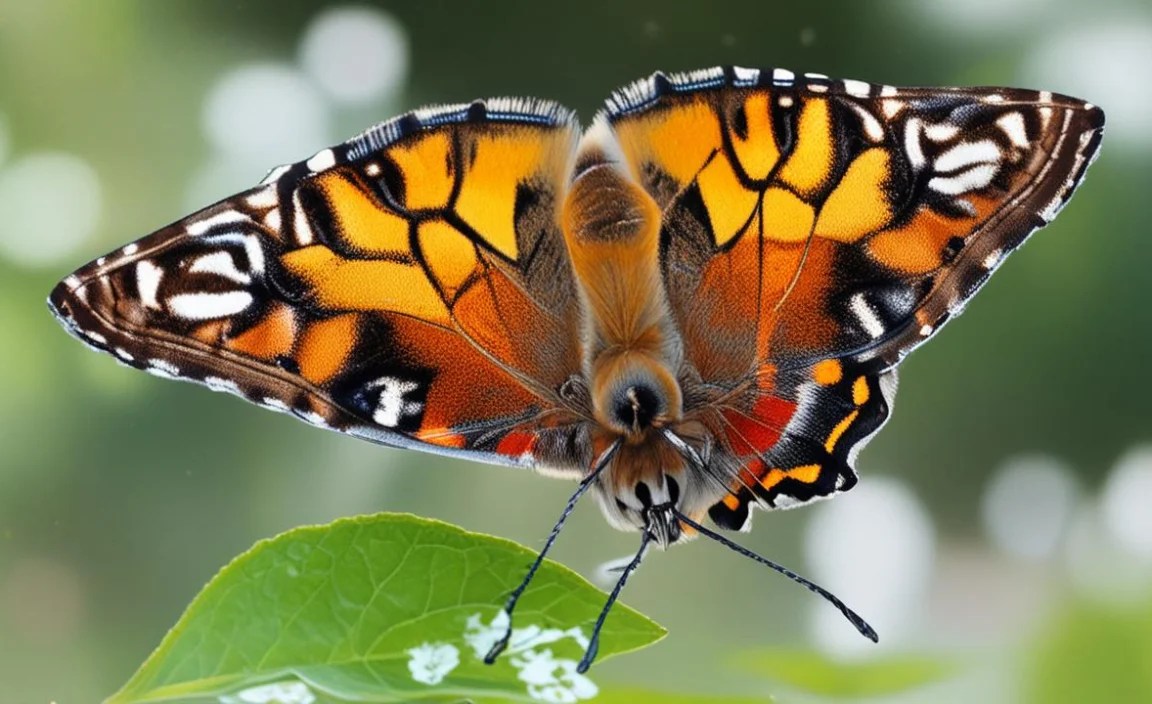
To identify butterflies accurately, you need the right tools. A good field guide is essential. It will show you pictures and descriptions of different butterflies. Binoculars can help you see butterflies up close. A camera can help you take pictures for later identification. Online resources are also helpful. Websites and apps can provide information and identification tools. A notebook and pen are useful for recording your observations. With these tools, you will be well-equipped to identify butterflies. A butterfly identification quiz North America can be easier with these tools. They help you learn and practice. The more you use them, the better you will become at butterfly identification.
- Field guides
- Binoculars
- Camera
- Online resources
- Notebook and pen
- Butterfly nets (optional)
Choosing the right tools is important. Look for a field guide that covers your region. Make sure it has clear pictures and accurate descriptions. Binoculars should be lightweight and easy to use. A camera with a good zoom lens is helpful. Online resources should be reliable and up-to-date. A notebook should be small enough to carry easily. Practice using these tools in your backyard or local park. The more you practice, the more confident you will become. A butterfly identification quiz North America will be a breeze with these tools. They will help you learn and enjoy the process of butterfly identification. Remember to always respect the butterflies and their habitats.
Using Butterfly Field Guides
Have you ever used a butterfly field guide? Field guides are books that help you identify things in nature. A butterfly field guide shows you pictures of different butterflies. It also gives you information about their size, color, and habitat. Field guides are organized by family or region. This makes it easier to find the butterfly you are looking for. When using a field guide, compare the butterfly you see to the pictures in the book. Read the description carefully. Pay attention to the key features. A butterfly identification quiz North America can be easier with a field guide. It helps you learn about different butterflies and their characteristics. Field guides are a valuable tool for any butterfly enthusiast.
Leveraging Online Resources
What kind of information can you find online? The internet is a great resource for butterfly identification. Many websites and apps provide information about butterflies. You can find pictures, descriptions, and range maps. Some websites even have interactive identification tools. These tools ask you questions about the butterfly you saw. Then, they suggest possible matches. Online forums are also helpful. You can post pictures of butterflies and ask for help from experts. When using online resources, be sure to check the source. Make sure the information is accurate and up-to-date. A butterfly identification quiz North America can be found online too. The internet is a valuable tool for learning about butterflies.
Importance of Binoculars and Cameras
Why are binoculars and cameras helpful for butterfly identification? Binoculars allow you to see butterflies up close. This helps you see details that you might miss with the naked eye. You can see the colors, patterns, and wing shapes more clearly. Cameras allow you to take pictures of butterflies. You can use these pictures to identify the butterfly later. A good camera with a zoom lens is ideal. It allows you to take clear pictures from a distance. When taking pictures, try to get a clear shot of the wings. This will help you identify the butterfly. A butterfly identification quiz North America can be easier if you have good pictures to study. Binoculars and cameras are valuable tools for butterfly enthusiasts.
| Tool | Description | Benefits | Drawbacks |
|---|---|---|---|
| Field Guide | Book with pictures and info about butterflies. | Easy to carry, detailed info. | Can be outdated, heavy. |
| Binoculars | Helps see butterflies up close. | Clearer view, see details. | Can be bulky, expensive. |
| Camera | Takes pictures for later identification. | Capture details, share images. | Requires batteries, can be heavy. |
| Online Resources | Websites and apps with butterfly info. | Up-to-date, interactive tools. | Can be unreliable, needs internet. |
Fun Fact or Stat: Butterflies are important pollinators, helping plants reproduce by carrying pollen from flower to flower!
Ethical Butterfly Observation Practices
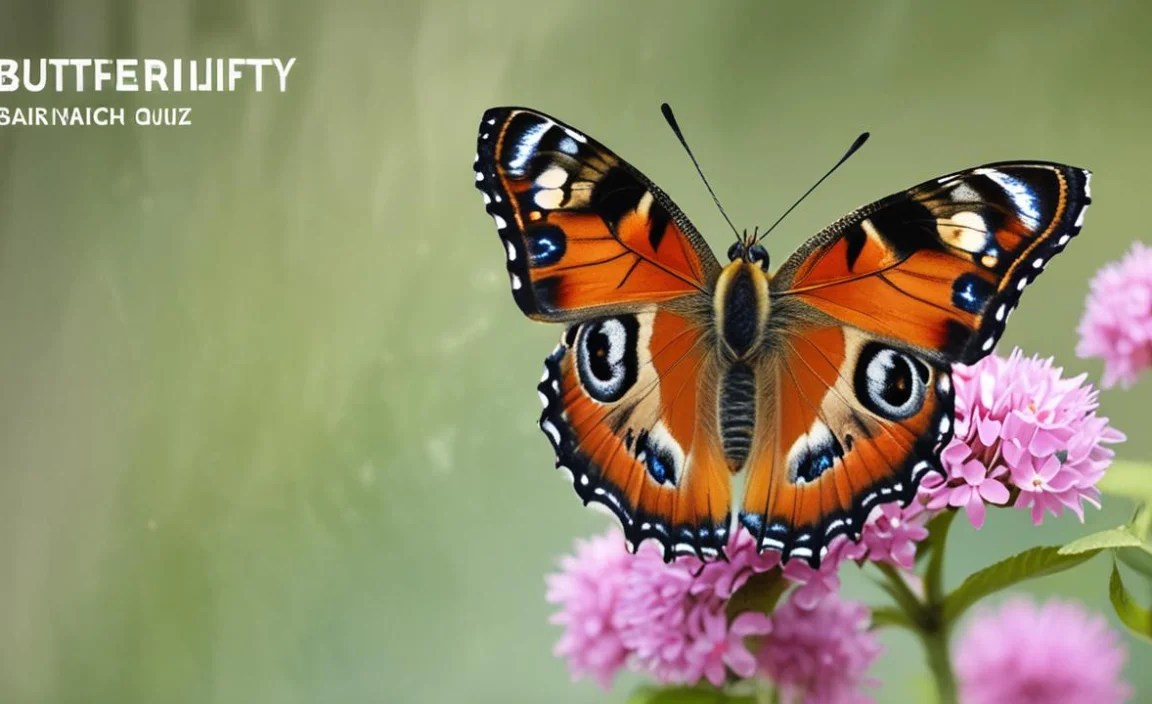
When observing butterflies, it is important to be ethical. Respect their habitat and avoid disturbing them. Do not collect butterflies unless you have a permit. Do not damage their food plants. Observe from a distance whenever possible. Avoid using flash photography, which can startle them. Teach others about butterfly conservation. Support organizations that protect butterfly habitats. By following these practices, you can help ensure that butterflies thrive. A butterfly identification quiz North America is a fun way to learn about butterflies. But it is also important to protect them. Remember that we share the planet with these beautiful creatures. We must do our part to protect them.
- Respect their habitat
- Avoid disturbing them
- Do not collect them
- Do not damage food plants
- Observe from a distance
- Support conservation efforts
Ethical observation is crucial for butterfly conservation. Butterflies are sensitive creatures. They are vulnerable to habitat loss and pollution. By following ethical practices, you can minimize your impact on their environment. When observing butterflies, stay on marked trails. Avoid trampling plants. Do not litter. Keep your distance from butterflies. Do not try to catch them. If you see someone harming butterflies, report it to the authorities. Spread the word about butterfly conservation. Encourage others to be responsible observers. A butterfly identification quiz North America can inspire people to learn more about butterflies. But it is important to also teach them about conservation. Together, we can protect these amazing creatures.
Respecting Butterfly Habitats
Why is it important to respect butterfly habitats? Butterfly habitats are fragile. They can be easily damaged by human activities. When we destroy butterfly habitats, we reduce their food and shelter. This can lead to a decline in butterfly populations. To respect butterfly habitats, stay on marked trails. Avoid trampling plants. Do not litter. Do not disturb the soil. If you are gardening, use native plants. These plants provide food and shelter for butterflies. Avoid using pesticides, which can harm butterflies. A butterfly identification quiz North America can teach you about butterfly habitats. Learn about the specific needs of different butterflies. Then, you can help protect their habitats.
Avoiding Disturbance to Butterflies
How can you avoid disturbing butterflies? Butterflies are easily startled. Loud noises and sudden movements can scare them away. When observing butterflies, move slowly and quietly. Avoid making sudden movements. Do not get too close to them. Observe them from a distance. If you are taking pictures, do not use flash photography. Flash photography can disorient butterflies. It can also damage their eyes. If you see a butterfly resting, do not disturb it. It may be resting or warming up. A butterfly identification quiz North America can teach you about butterfly behavior. Learn how butterflies react to different stimuli. Then, you can avoid disturbing them.
Supporting Butterfly Conservation
What can you do to support butterfly conservation? There are many ways to help protect butterflies. You can plant a butterfly garden. Use native plants that provide food and shelter for butterflies. You can avoid using pesticides. Pesticides can harm butterflies and other beneficial insects. You can support organizations that protect butterfly habitats. You can educate others about butterfly conservation. You can also participate in citizen science projects. These projects help scientists track butterfly populations. A butterfly identification quiz North America can inspire you to take action. Learn about the threats that butterflies face. Then, you can help protect them.
Fun Fact or Stat: Many butterfly species are declining due to habitat loss and climate change. We need to protect them!
Summary
A butterfly identification quiz North America is a fun and educational way to learn about these beautiful insects. By taking a quiz, you can test your knowledge of different butterfly species. You can learn about their colors, patterns, habitats, and behaviors. Quizzes are available online and in books. They can be used by beginners and experts alike. They help you develop your observation skills. You can also learn about butterfly conservation. These quizzes are a great way to deepen your appreciation for nature.
Remember to use tools such as field guides, binoculars, and cameras to enhance your learning. Explore different habitats and observe butterflies in their natural environment. By following ethical observation practices, you can help protect these fragile creatures. Taking a butterfly identification quiz North America can inspire you to become a butterfly advocate. Share your knowledge with others and help conserve these amazing insects for future generations.
Conclusion
Learning about butterflies is a rewarding experience. It connects you with nature. It helps you appreciate the beauty of the natural world. A butterfly identification quiz North America is a great starting point. It can spark your curiosity and inspire you to learn more. So, take a quiz, explore your backyard, and discover the amazing world of butterflies. Remember to observe them respectfully and support their conservation. Together, we can help ensure that these beautiful creatures continue to thrive.
Frequently Asked Questions
Question No 1: What is a butterfly identification quiz?
Answer: A butterfly identification quiz is a fun and interactive way to test your knowledge about different types of butterflies. These quizzes often include pictures or descriptions of butterflies, and you have to guess the species. They can be found online or in books. Many quizzes focus on specific regions, like a butterfly identification quiz North America, to help you learn about the butterflies in your area. These quizzes are a great tool for beginners and experts alike who want to improve their butterfly identification skills. They make learning about nature engaging and enjoyable.
Question No 2: Where can I find a good butterfly identification quiz for North America?
Answer: You can find a butterfly identification quiz North America on many websites. Some popular options include nature websites, educational platforms, and even some dedicated butterfly enthusiast sites. When searching, look for quizzes that include clear pictures and detailed descriptions. Check if the quiz covers the specific region you are interested in, as North America has diverse butterfly populations. Also, read reviews or ask for recommendations from other butterfly enthusiasts to find the best quiz for your skill level. Enjoy your learning journey!
Question No 3: What are some tips for identifying butterflies in North America?
Answer: Identifying butterflies can be a fun challenge! Start by observing their size, color, and wing patterns. Pay attention to their habitat. Are they in a forest, meadow, or garden? Use a field guide or online resource to compare your observations. Look for key features like tails, spots, or stripes. Consider the region where you are. Different butterflies live in different areas. Taking a butterfly identification quiz North America can help you practice. The more you observe, the better you will become. Learning about butterfly families will help too!
Question No 4: Why is it important to be able to identify butterflies?
Answer: Identifying butterflies is important for several reasons. It helps us understand the biodiversity in our environment. Knowing which butterflies live in an area can tell us about the health of the ecosystem. Butterflies are also important pollinators. They help plants reproduce. By identifying butterflies, we can track their populations. This helps us monitor the impact of habitat loss and climate change. A butterfly identification quiz North America can spark an interest in conservation. Learning about butterflies can inspire us to protect them and their habitats. Protecting biodiversity is very important for everyone.
Question No 5: What tools can help me identify butterflies?
Answer: Several tools can assist you in identifying butterflies. A good field guide is essential. It provides pictures and descriptions of different butterfly species. Binoculars can help you see butterflies up close. A camera allows you to take pictures for later identification. Online resources and apps offer valuable information and identification tools. A notebook and pen are useful for recording your observations. Participate in a butterfly identification quiz North America, and note what tools you wish you had available to you. These things could make it easier to identify butterflies. With these tools, you’ll be well-equipped for your butterfly adventures.
Question No 6: How can I attract more butterflies to my garden?
Answer: Attracting butterflies to your garden is easier than you think! Plant butterfly-friendly flowers that provide nectar. Choose native plants whenever possible. Avoid using pesticides, which can harm butterflies. Provide a water source, such as a shallow dish of water with pebbles. Offer host plants for caterpillars. These are plants that caterpillars eat. Create a sunny spot for butterflies to bask in. Shelter them from the wind. By creating a butterfly-friendly habitat, you can attract more butterflies to your garden. Test your butterfly knowledge with a butterfly identification quiz North America. See if you can identify the butterflies that visit your garden. It is a really fun and rewarding activity.


