
Butterfly Photo Checklist: Capture Stunning Shots!

The key to a great butterfly photo is patience, preparation, and the right equipment. Make sure your camera is ready, your settings are optimized, and you know where to find butterflies. Then, approach slowly, focus carefully, and capture the moment!
Have you ever tried to photograph a butterfly, only to end up with a blurry mess or an empty frame? It’s a common frustration! Butterflies are beautiful but notoriously fidgety subjects. They flit and flutter, making it tough to capture their delicate beauty. But don’t worry, with a little planning and the right techniques, you can take stunning butterfly photos.
This checklist will guide you through every step, from choosing the right gear to finding the best spots. We’ll cover camera settings, composition tips, and even how to attract butterflies to your own backyard. By the end, you’ll be well-equipped to capture gorgeous butterfly photos that you’ll be proud to share!
Butterfly Photo Checklist: Your Guide to Stunning Shots

This comprehensive checklist covers everything you need to take breathtaking butterfly photos, whether you’re a beginner or an experienced photographer.
I. Pre-Shoot Preparation
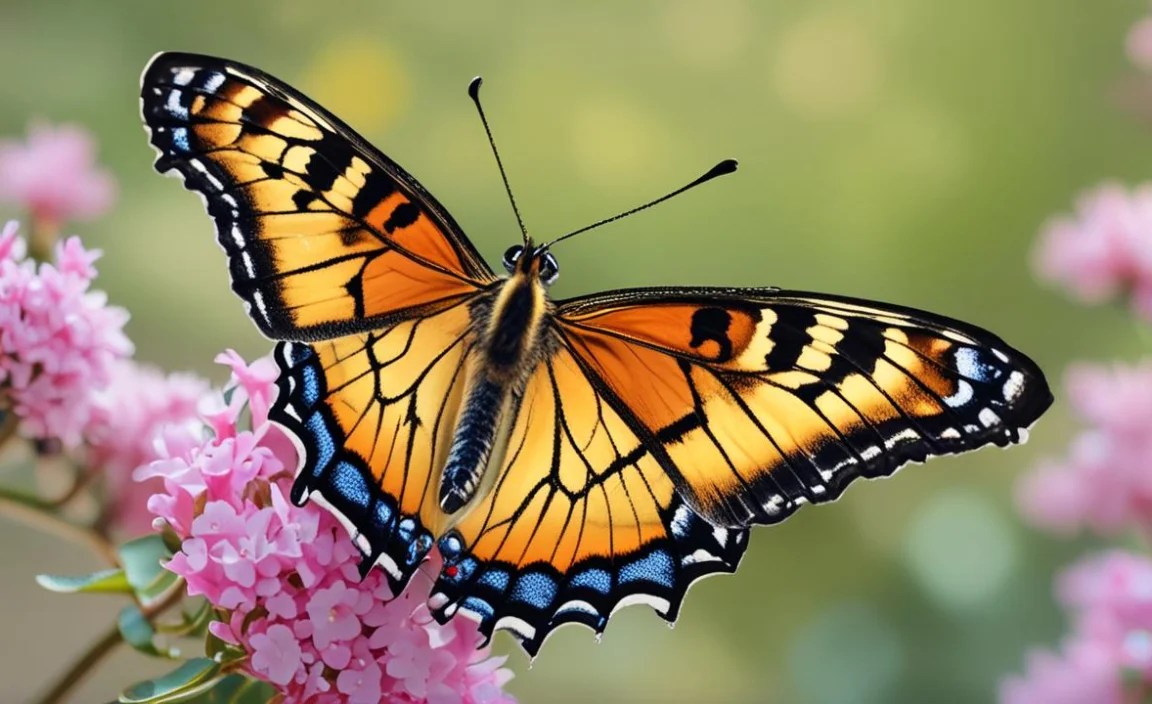
Proper preparation is crucial for successful butterfly photography. These steps will help you maximize your chances of getting great shots.
A. Gear Checklist
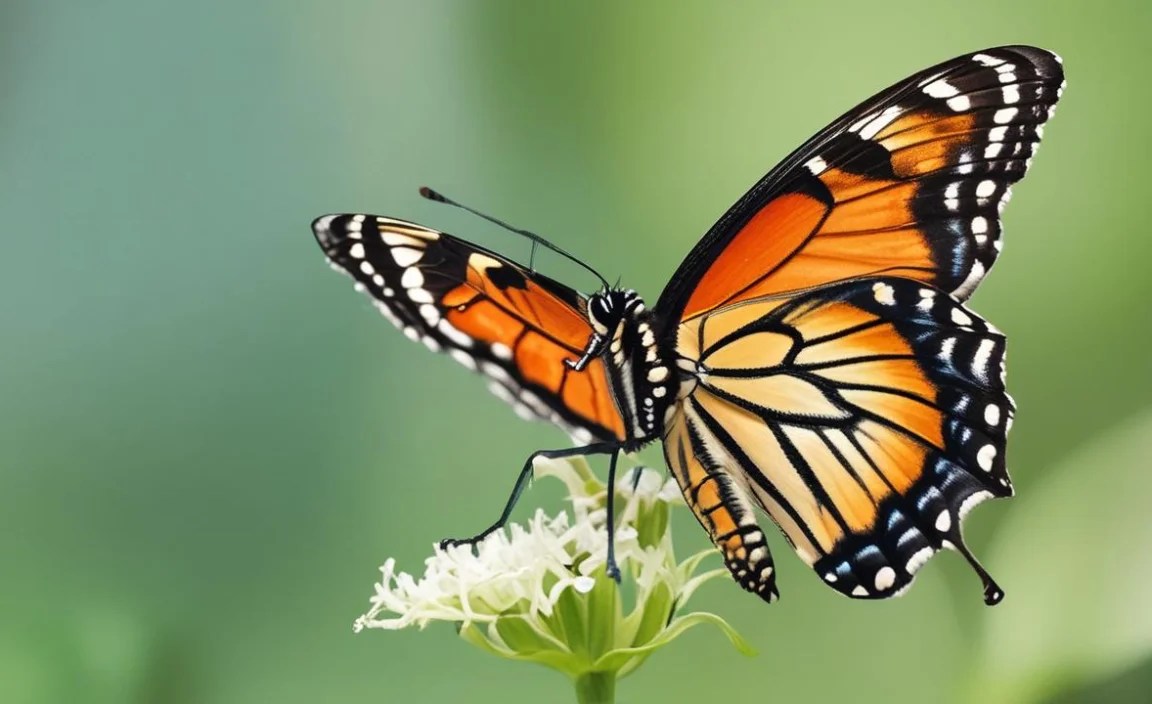
Having the right equipment makes a big difference. Here’s what you’ll need:
- Camera: A DSLR or mirrorless camera offers the most control, but a high-quality smartphone can also work in good light.
- Lens: A macro lens (100mm or similar) is ideal for close-up shots. A zoom lens with macro capabilities can also be a versatile option.
- Tripod: A tripod helps stabilize your camera, especially in low light or when using a macro lens.
- External Flash (optional): A flash can provide extra light, but use it sparingly to avoid harsh shadows. A diffuser is essential if using flash.
- Remote Shutter Release (optional): This minimizes camera shake when taking photos on a tripod.
- Extra Batteries and Memory Cards: Always bring spares, as you don’t want to run out of power or storage in the field.
- Lens Cleaning Cloth: Keep your lens clean for sharp images.
B. Camera Settings
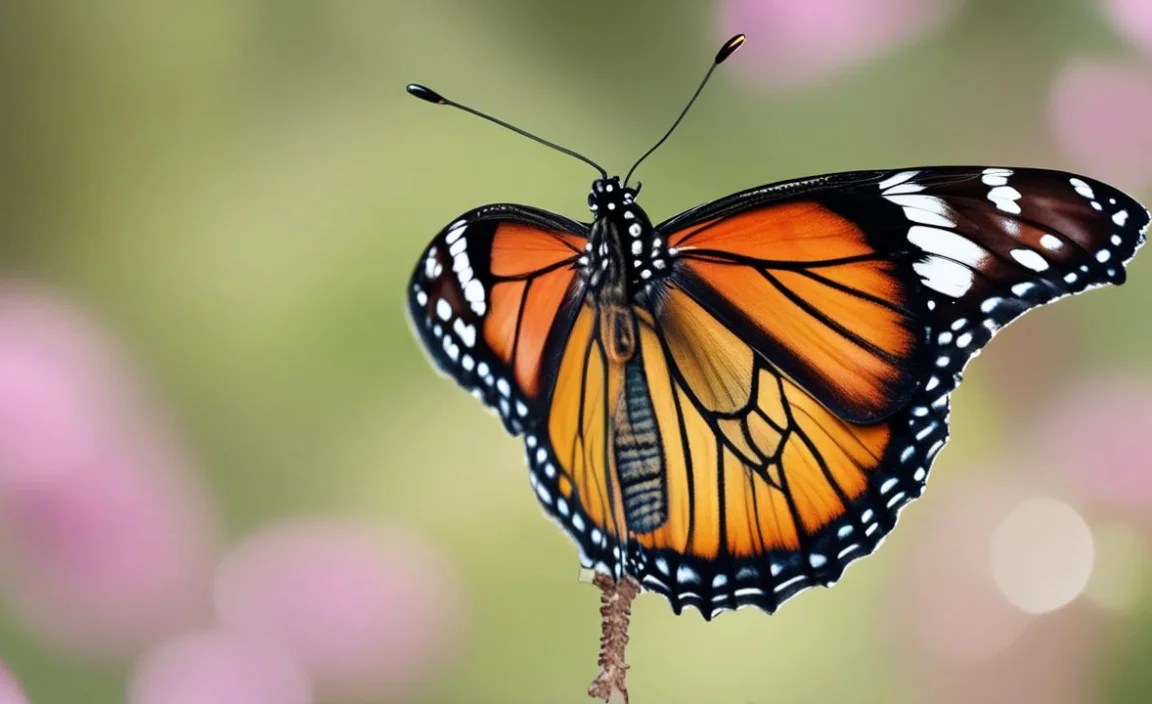
Optimizing your camera settings is key to capturing sharp, well-exposed butterfly photos.
- Shooting Mode: Aperture Priority (Av or A) allows you to control the depth of field.
- Aperture: Start with a wide aperture (e.g., f/2.8 to f/5.6) to blur the background and isolate the butterfly. Increase the aperture (e.g., f/8 to f/11) for greater depth of field when needed.
- ISO: Keep the ISO as low as possible (e.g., ISO 100 or 200) to minimize noise. Increase it only when necessary in low light.
- Shutter Speed: Ensure your shutter speed is fast enough to freeze the butterfly’s movement. A minimum of 1/250th of a second is a good starting point. Adjust as needed based on the butterfly’s activity and lighting conditions.
- Focus Mode: Use single-point autofocus (AF-S or One-Shot) for stationary butterflies. Switch to continuous autofocus (AF-C or AI Servo) for moving butterflies.
- Metering Mode: Evaluative or matrix metering usually works well. Experiment with spot metering for tricky lighting situations.
- White Balance: Set white balance to auto (AWB) or choose a preset that matches the lighting conditions (e.g., daylight, cloudy, shade).
- Image Quality: Shoot in RAW format for maximum flexibility in post-processing.
C. Location Scouting
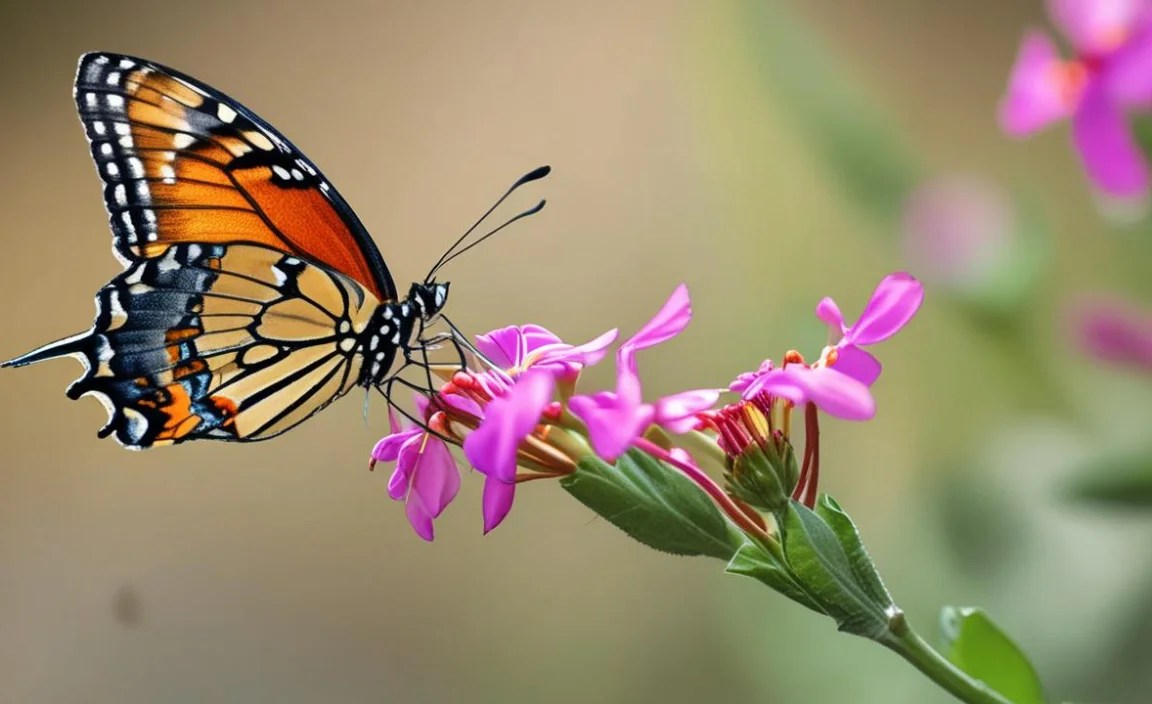
Knowing where to find butterflies is half the battle. Here’s how to scout for good locations:
- Butterfly Gardens: Botanical gardens and dedicated butterfly houses are great places to find a variety of species in a controlled environment. Many botanical gardens have butterfly houses; check local listings.
- Wildflower Meadows: Look for meadows with a diverse range of wildflowers, as these attract many different butterfly species.
- Woodland Edges: Butterflies often congregate along the edges of forests and woodlands, where they can find both sunlight and shelter.
- Near Water Sources: Butterflies need water, so look for them near streams, ponds, and puddles.
- Your Own Backyard: Plant butterfly-friendly flowers and host plants to attract butterflies to your garden.
D. Timing is Everything
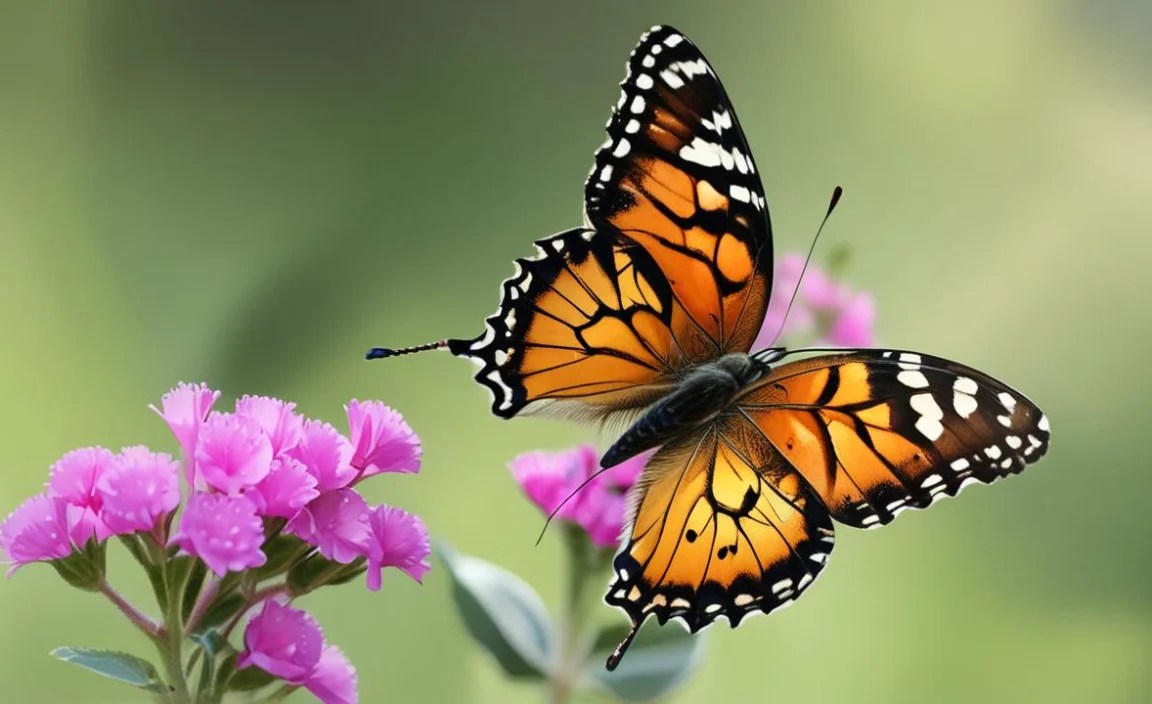
The time of day and year can significantly impact your success.
- Time of Day: Butterflies are most active in the morning and late afternoon when the light is soft and warm. Avoid midday, when the light is harsh and butterflies tend to seek shade.
- Season: Butterfly activity varies by season. Spring and summer are usually the best times, but some species are active in the fall. Research the flight seasons of the butterflies you want to photograph.
- Weather Conditions: Overcast days can provide soft, even lighting, but butterflies may be less active. Sunny days are ideal, but be mindful of harsh shadows. Avoid windy days, as butterflies will be difficult to photograph.
II. On-Location Techniques
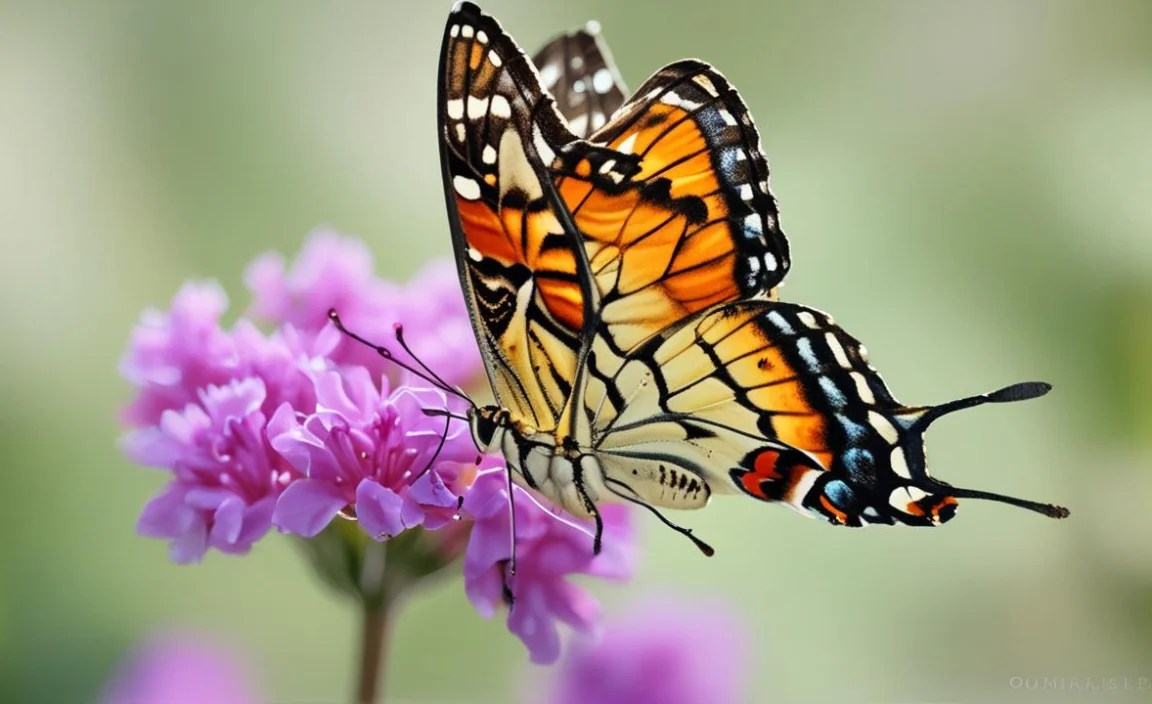
Once you’re on location, these techniques will help you capture stunning butterfly photos.
A. Approach and Patience
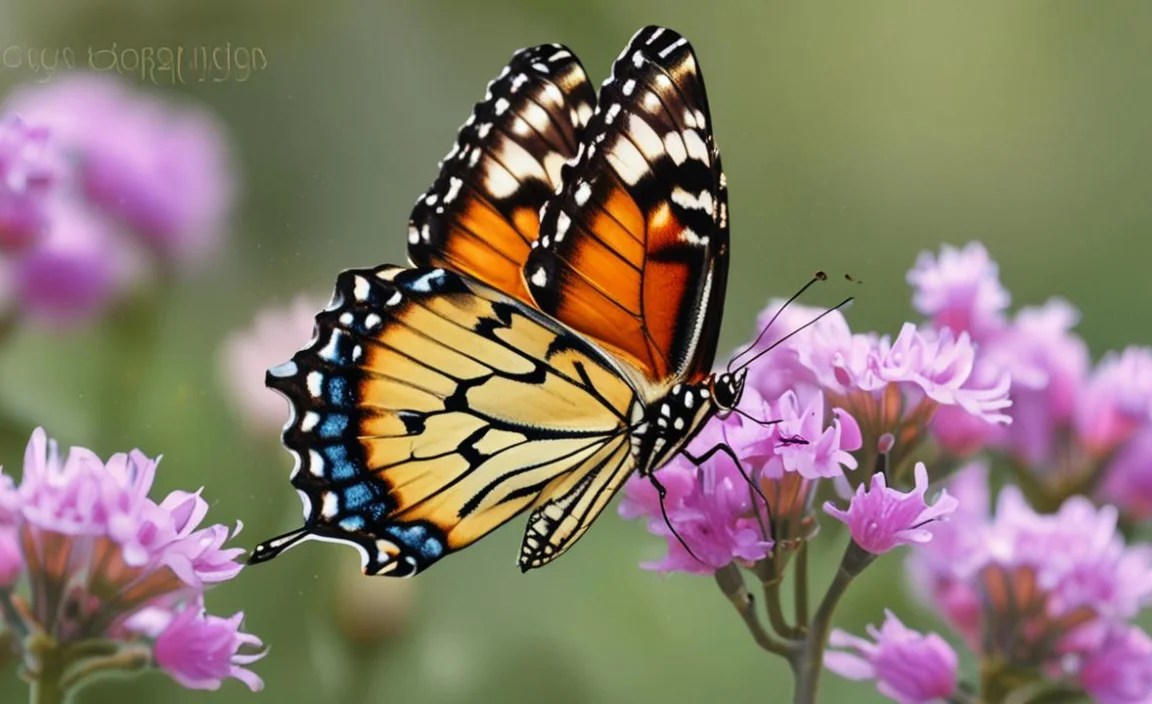
Butterflies are easily spooked, so a slow and steady approach is essential.
- Move Slowly: Avoid sudden movements that might scare the butterfly.
- Approach from the Side: Butterflies have wide peripheral vision, so approaching from the side is less threatening.
- Be Patient: Wait for the butterfly to settle down before taking your shot. It may take several attempts to get close enough.
- Respect Their Space: Avoid touching or disturbing the butterfly.
B. Composition Tips
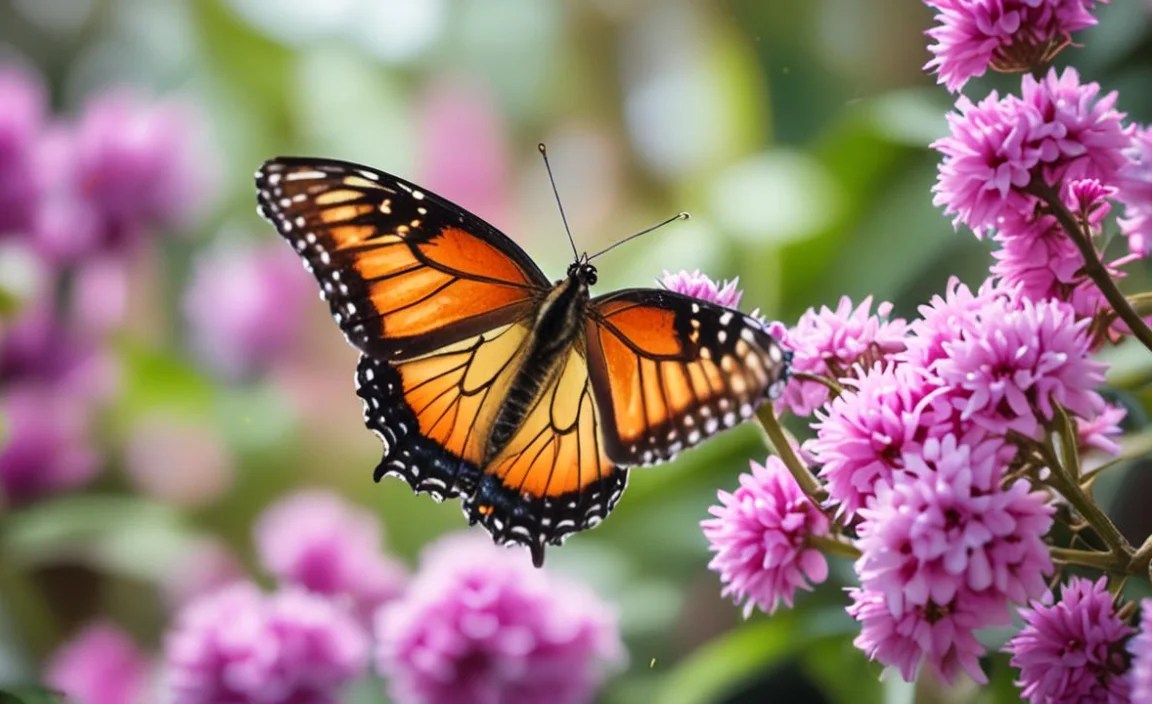
A well-composed photo is visually appealing and tells a story.
- Rule of Thirds: Place the butterfly off-center, along one of the intersecting lines or at one of the points of intersection.
- Leading Lines: Use lines in the environment (e.g., stems, leaves) to guide the viewer’s eye to the butterfly.
- Background: Choose a background that is clean and uncluttered. A blurred background (bokeh) can help isolate the butterfly.
- Angle: Experiment with different angles. Shooting from a low angle can create a more dramatic perspective.
- Fill the Frame: Get close enough to the butterfly to fill the frame, but leave some breathing room.
C. Focusing Techniques
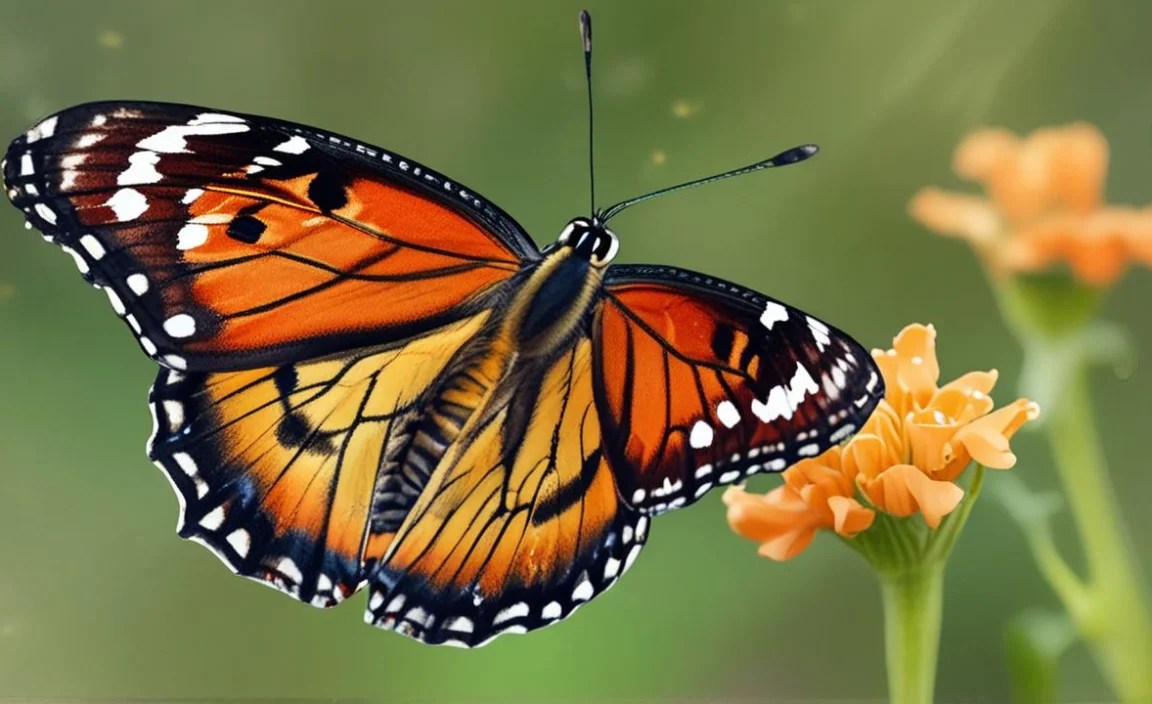
Sharp focus is crucial for capturing the intricate details of a butterfly.
- Focus on the Eyes: The eyes are the most important part of the butterfly to focus on.
- Use Manual Focus: In macro photography, manual focus can be more accurate than autofocus.
- Focus Peaking: If your camera has focus peaking, use it to help you fine-tune the focus.
- Depth of Field: Be aware of your depth of field. A shallow depth of field can create a beautiful blurred background, but make sure the butterfly is sharp.
D. Capturing Action Shots
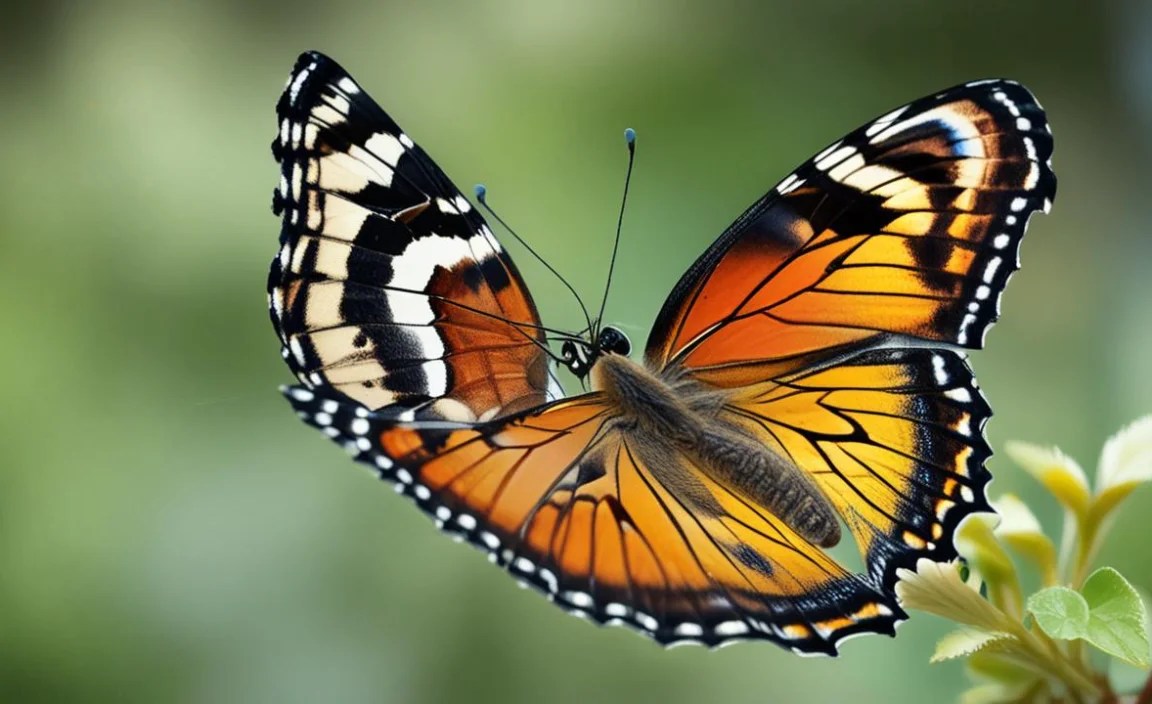
Action shots can add excitement and dynamism to your butterfly photos.
- Anticipate Movement: Watch the butterfly’s behavior and try to anticipate when it will take flight.
- Use a Fast Shutter Speed: A shutter speed of 1/500th of a second or faster is recommended for freezing motion.
- Continuous Autofocus: Use continuous autofocus to keep the butterfly in focus as it moves.
- Burst Mode: Take a series of photos in quick succession to increase your chances of capturing the perfect moment.
III. Post-Processing
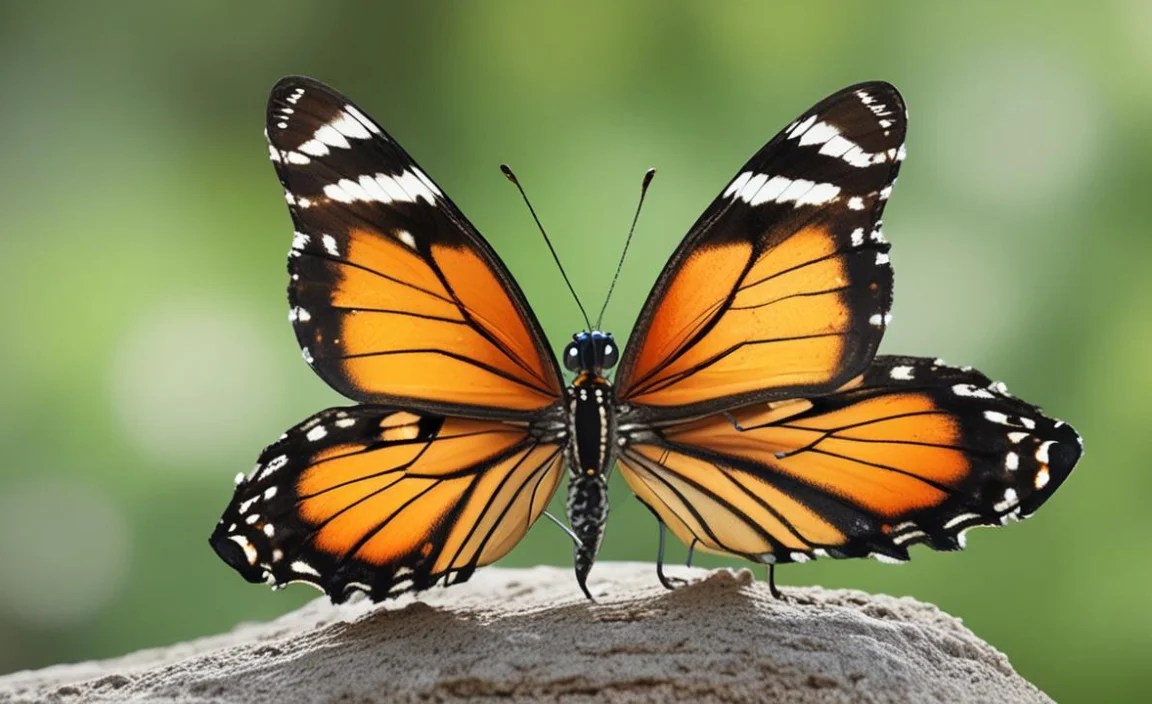
Post-processing can enhance your butterfly photos and bring out their full potential. Use these steps to refine your images.
A. Software Options
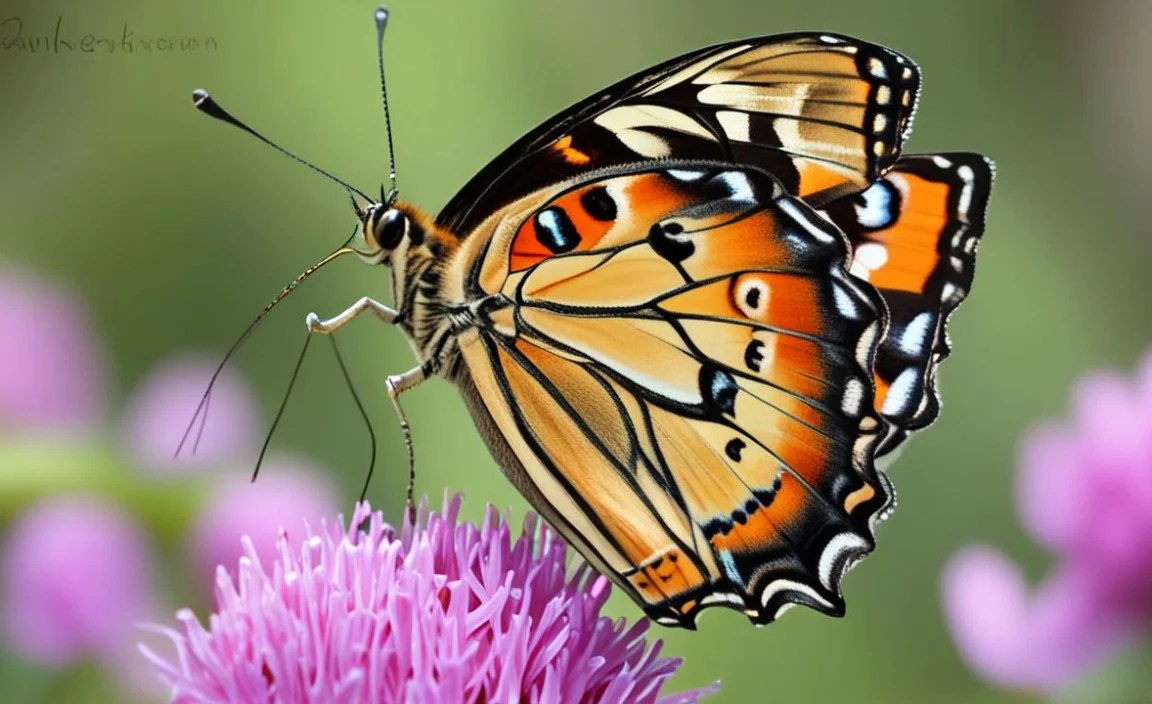
Choose the right software for your post-processing needs.
- Adobe Lightroom: A popular choice for organizing and editing photos.
- Adobe Photoshop: A powerful tool for more advanced editing tasks.
- Capture One: Another professional-grade photo editing software.
- GIMP: A free and open-source alternative to Photoshop.
B. Basic Adjustments
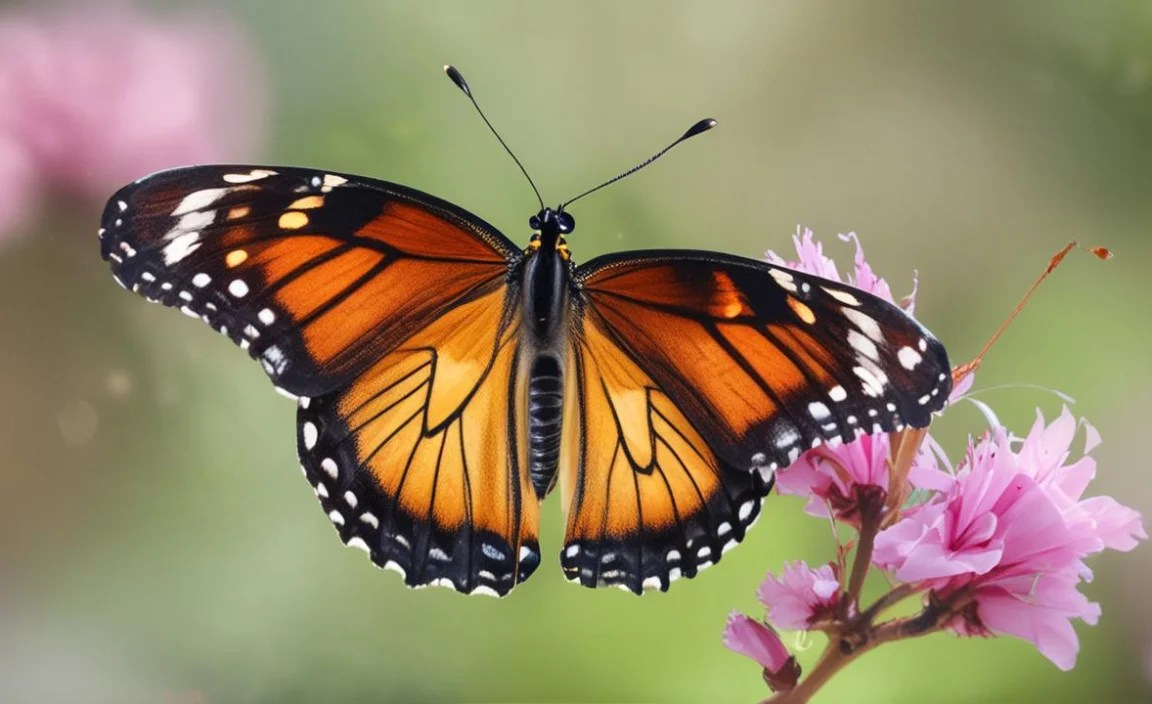
Start with these basic adjustments to improve your photos.
- Exposure: Adjust the overall brightness of the image.
- Contrast: Increase the contrast to make the colors pop.
- Highlights and Shadows: Adjust the highlights and shadows to recover details in bright and dark areas.
- White Balance: Fine-tune the white balance to ensure accurate colors.
- Clarity: Increase the clarity to add sharpness and detail.
- Vibrance and Saturation: Adjust the vibrance and saturation to enhance the colors.
C. Sharpening and Noise Reduction
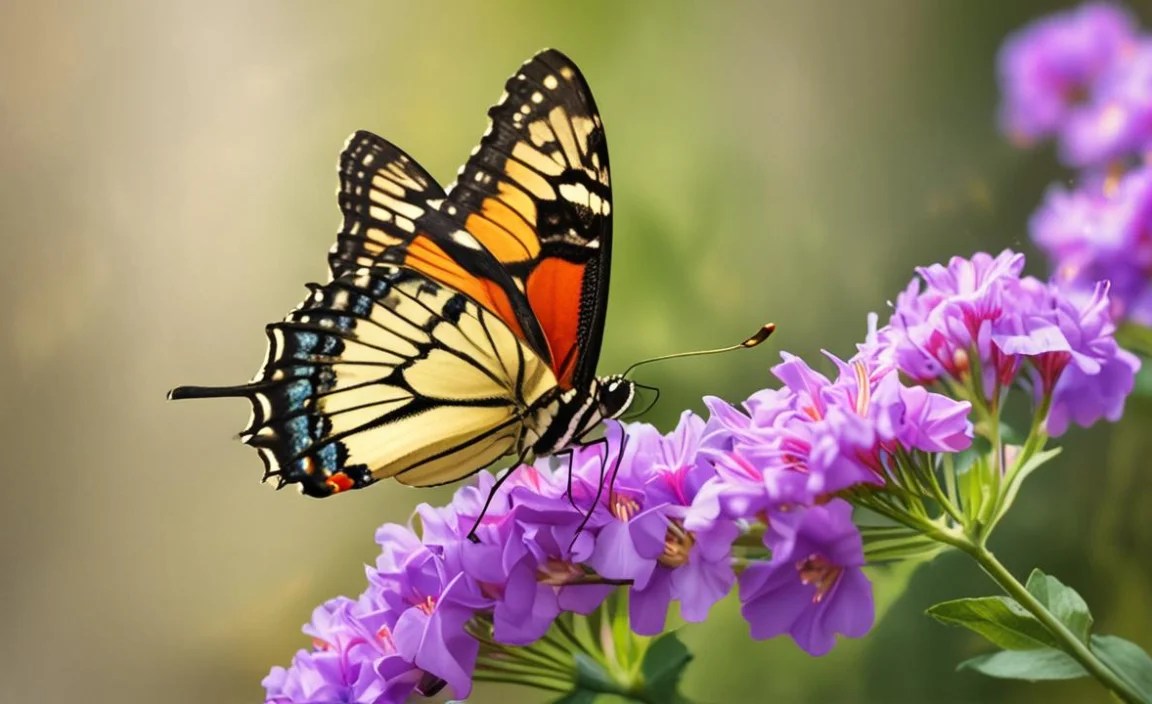
Sharpening and noise reduction can improve the overall quality of your photos.
- Sharpening: Apply sharpening to bring out the details in the butterfly. Be careful not to over-sharpen, as this can create unwanted artifacts.
- Noise Reduction: Reduce noise in the image, especially if you shot at a high ISO.
D. Removing Distractions
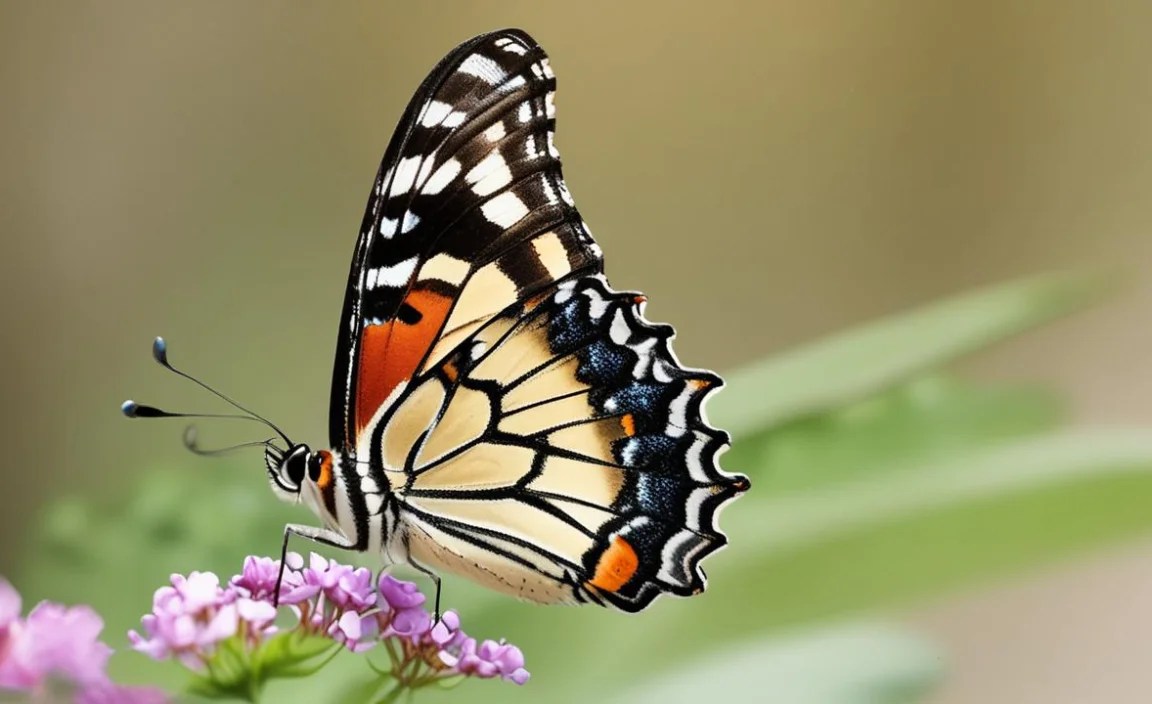
Remove any distracting elements from the photo.
- Crop: Crop the image to improve the composition and remove distracting elements.
- Spot Removal: Use the spot removal tool to remove any small distractions, such as dust spots or blemishes.
- Content-Aware Fill: Use content-aware fill to remove larger distractions, such as unwanted branches or leaves.
IV. Ethical Considerations
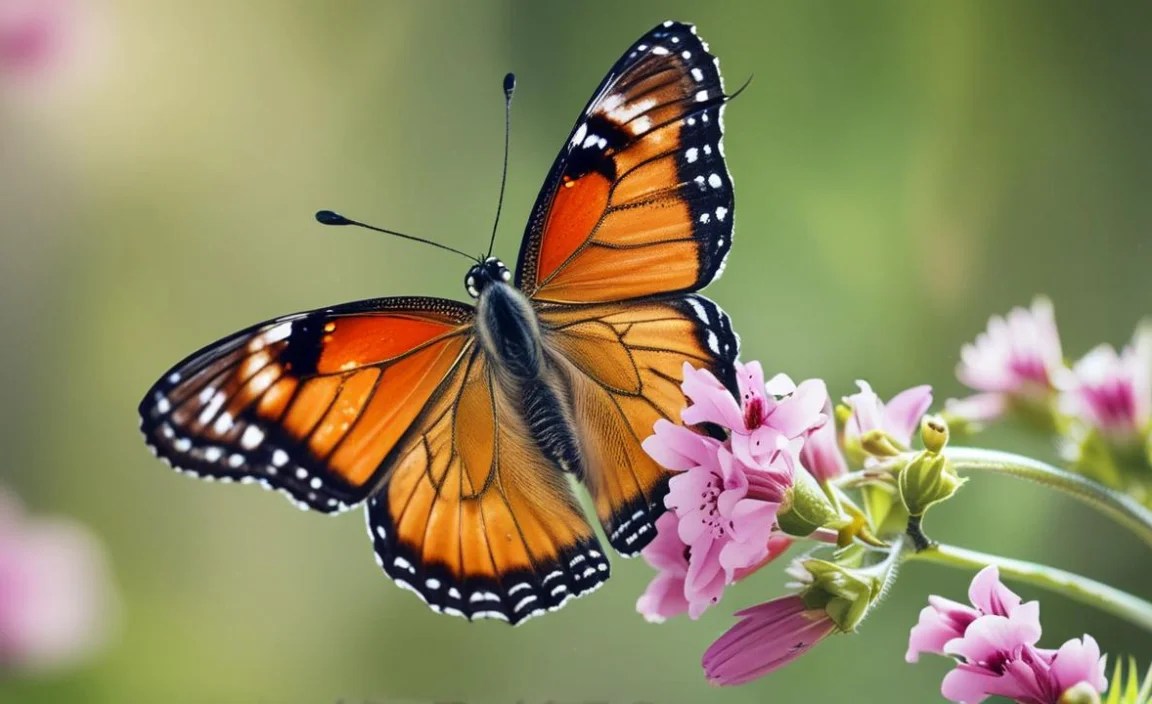
It’s important to photograph butterflies in an ethical and responsible manner.
A. Respecting Wildlife
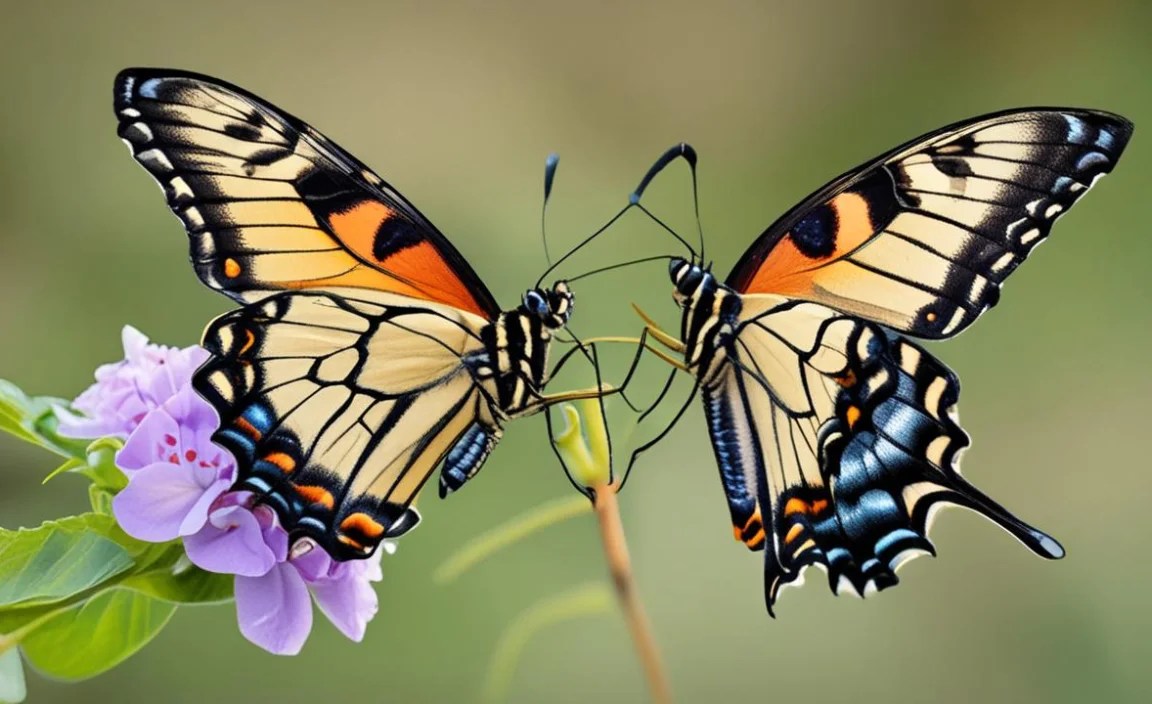
Always put the welfare of the butterflies first.
- Avoid Disturbing Habitats: Stay on designated trails and avoid trampling vegetation.
- Do Not Handle Butterflies: Handling butterflies can damage their delicate wings and stress them.
- Be Mindful of Nesting Sites: Avoid disturbing nesting sites or other sensitive areas.
B. Conservation
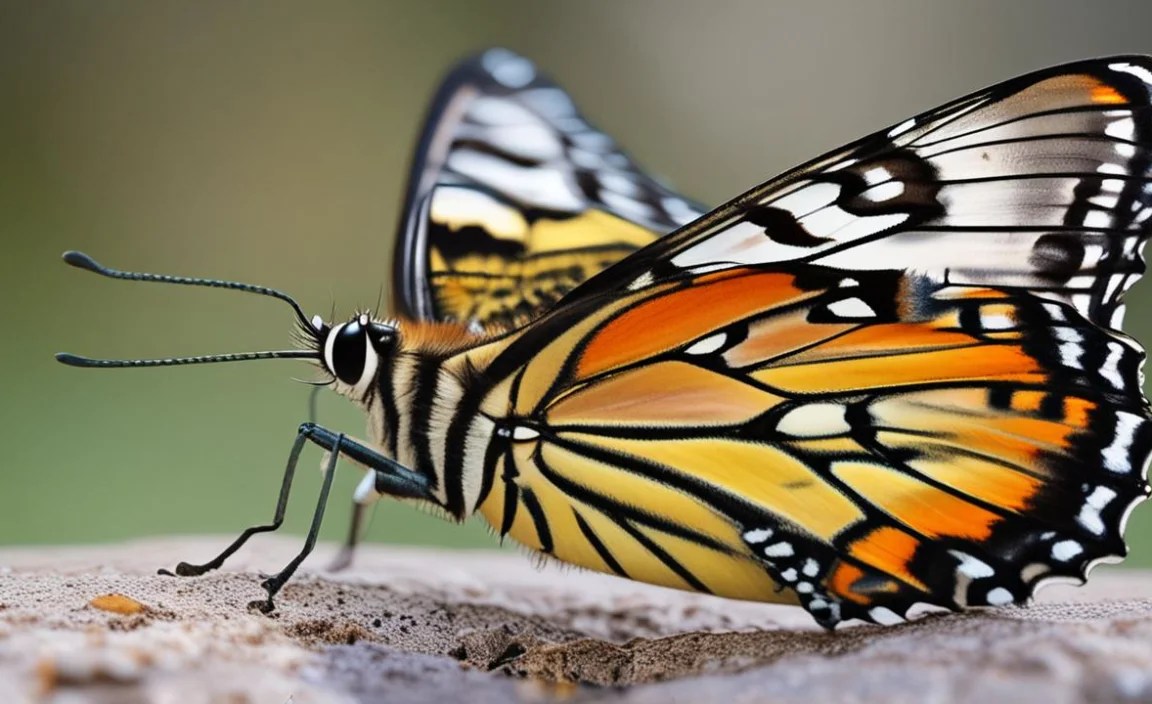
Support butterfly conservation efforts.
- Plant Butterfly-Friendly Gardens: Plant native flowers and host plants to provide food and habitat for butterflies. The Xerces Society is a great resource for learning about pollinator conservation.
- Avoid Pesticides: Pesticides can harm butterflies and other beneficial insects.
- Support Conservation Organizations: Donate to or volunteer with organizations that work to protect butterflies and their habitats.
Butterfly Photo Checklist: Summary Table
Here’s a summary of the checklist items for quick reference:
| Category | Checklist Item | Description |
|---|---|---|
| Pre-Shoot | Gear | Camera, macro lens, tripod, flash (optional), batteries, memory cards |
| Pre-Shoot | Camera Settings | Aperture Priority, wide aperture, low ISO, fast shutter speed |
| Pre-Shoot | Location Scouting | Butterfly gardens, wildflower meadows, woodland edges |
| Pre-Shoot | Timing | Morning/late afternoon, spring/summer, sunny/overcast days |
| On-Location | Approach | Move slowly, approach from the side, be patient |
| On-Location | Composition | Rule of thirds, leading lines, clean background |
| On-Location | Focusing | Focus on the eyes, use manual focus, shallow depth of field |
| On-Location | Action Shots | Anticipate movement, fast shutter speed, continuous autofocus |
| Post-Processing | Software | Lightroom, Photoshop, GIMP |
| Post-Processing | Adjustments | Exposure, contrast, highlights, shadows |
| Post-Processing | Sharpening | Apply sharpening, reduce noise |
| Ethical | Respect Wildlife | Avoid disturbing habitats, do not handle butterflies |
| Ethical | Conservation | Plant butterfly gardens, avoid pesticides, support organizations |
Frequently Asked Questions (FAQ)
Here are some common questions about butterfly photography.
Q: What’s the best lens for butterfly photography?

A: A macro lens is ideal because it allows you to get very close to the butterfly and capture fine details. A 100mm macro lens is a popular choice, but any macro lens with a similar focal length will work well. Alternatively, a zoom lens with macro capabilities can be a versatile option, though image quality may not be as high as a dedicated macro lens. B+W offers quality macro lenses.
Q: How do I get a blurred background in my butterfly photos?

A: To achieve a blurred background (bokeh), use a wide aperture (e.g., f/2.8 to f/5.6). This creates a shallow depth of field, which blurs the background while keeping the butterfly in sharp focus. Also, the further the background is from the butterfly, the more blurred it will appear.
Q: What’s the best time of day to photograph butterflies?

A: The best time of day is usually in the morning or late afternoon. During these times, the light is softer and warmer, which can create more pleasing photos. Butterflies are also more active during these times, as they are less likely to be hiding from the midday heat.
Q: How do I focus on a moving butterfly?
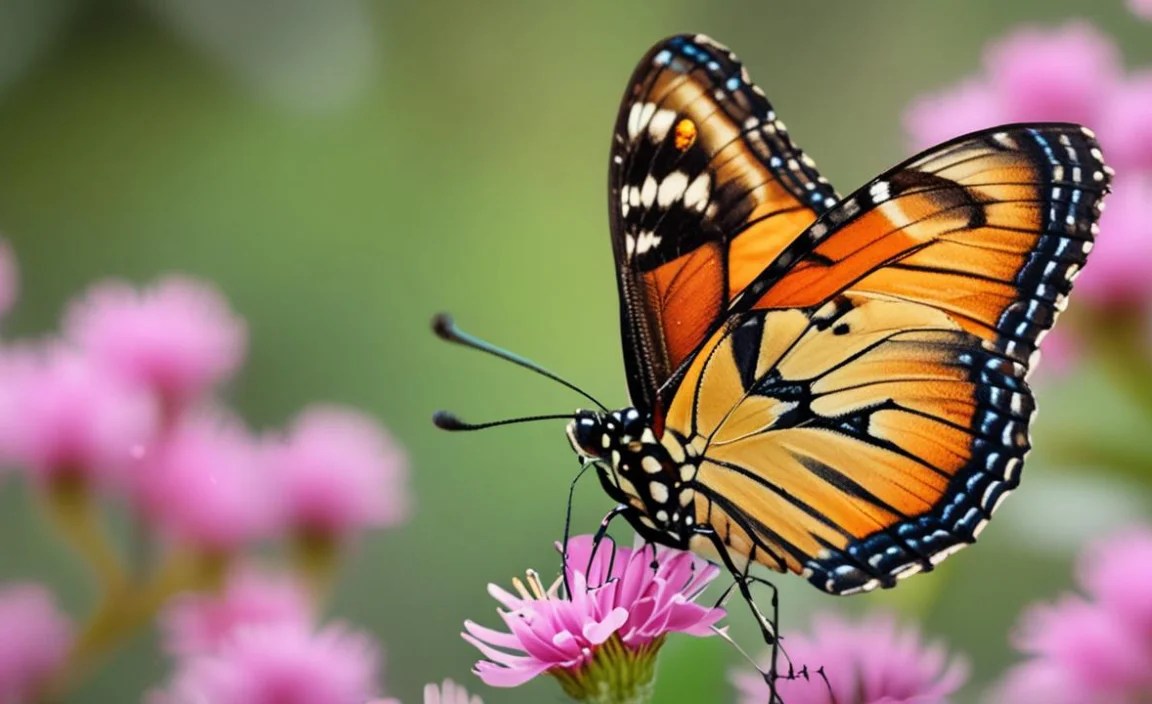
A: Use continuous autofocus (AF-C or AI Servo) to keep the butterfly in focus as it moves. Also, use a fast shutter speed (e.g., 1/500th of a second or faster) to freeze the motion. Anticipating the butterfly’s movements and pre-focusing on a nearby object can also help.
Q: How can I attract butterflies to my garden for photography?

A: Plant a variety of butterfly-friendly flowers and host plants. Nectar-rich flowers like butterfly bush, coneflowers, and zinnias provide food for adult butterflies, while host plants like milkweed, dill, and parsley provide food for caterpillars. Also, provide a water source, such as a shallow dish of water with pebbles for the butterflies to land on.
Q: Is it ethical to use flash when photographing butterflies?

A: Flash can be disruptive to butterflies, so use it sparingly. If you must use flash, use a diffuser to soften the light and reduce the harshness. Avoid using flash at night, as it can disorient the butterflies. Natural light is always the best option when possible. The Smithsonian Institution provides guidance on responsible wildlife photography.
Q: What should I do if a butterfly lands on me?

A: If a butterfly lands on you, remain still and enjoy the moment! Avoid sudden movements that might scare it away. This is a great opportunity to observe the butterfly up close. Once it flies off, you can resume your photography. It’s considered good luck!
Conclusion
Butterfly photography is a rewarding hobby that combines artistry with a love for nature. By following this checklist, you’ll be well-prepared to capture stunning images of these delicate creatures. Remember to be patient, respectful, and persistent. The more you practice, the better you’ll become at anticipating their movements and capturing their beauty. So grab your camera, head out to your favorite butterfly spot, and start creating some unforgettable images. Happy shooting!


