
Malachite Butterfly Identification: Your Easy Guide

Quick Summary: Identifying a Malachite butterfly involves looking for its vibrant green and black patterned wings, orange or yellow spots along the edges, and unique elongated shape. Found in tropical and subtropical regions of the Americas, these butterflies are relatively large and active, often seen basking in sunny spots or flitting through forests and gardens.
Have you ever spotted a butterfly with wings that look like stained glass, shimmering with shades of green and black? It’s easy to get lost in the amazing variety of butterflies, but the Malachite stands out. Often mistaken for other similar-looking butterflies, it has unique markings and behaviors that set it apart. Knowing how to identify it will enrich your nature walks and garden visits.
This guide will help you accurately identify Malachite butterflies. We’ll cover everything from their distinctive wing patterns to their favorite habitats. By the end, you’ll be able to confidently recognize these beautiful creatures and share your knowledge with others.
Identifying Malachite Butterflies: A Step-by-Step Guide
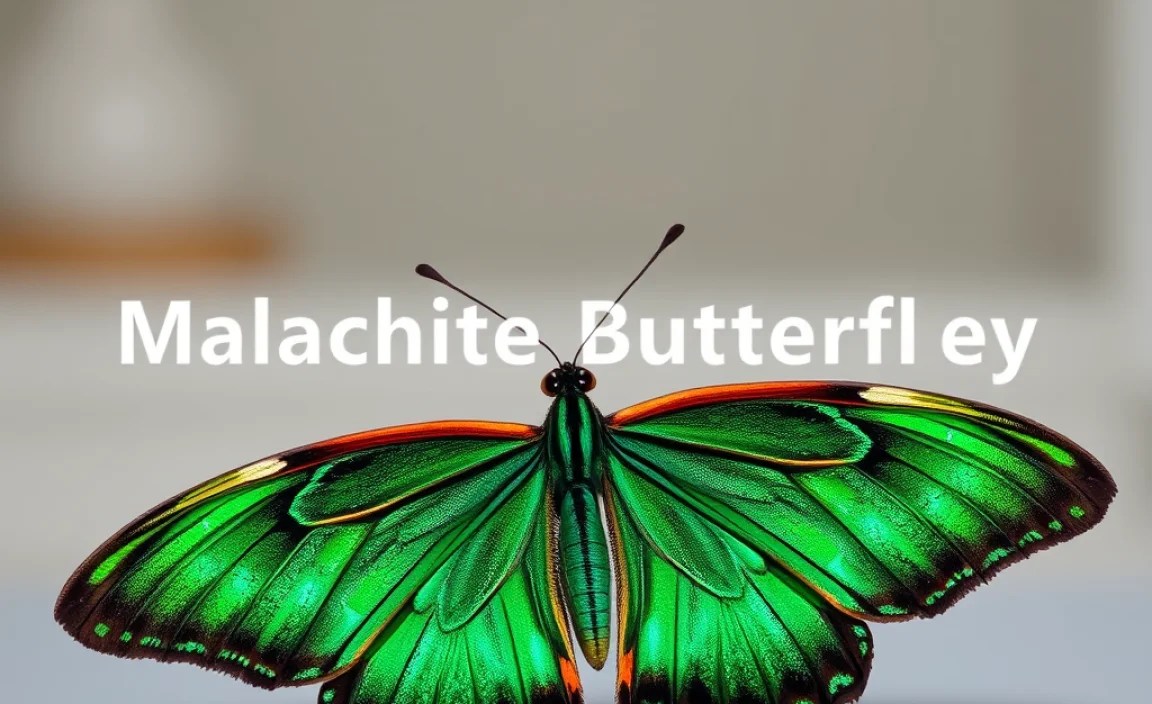
The Malachite butterfly (Siproeta stelenes) is a striking insect found throughout Central and South America, as well as parts of the southern United States. Its unique coloration and patterns make it a favorite among butterfly enthusiasts. Here’s how you can confidently identify one:
1. Observe the Wing Color and Pattern
The most distinctive feature of the Malachite butterfly is its wing pattern. The wings are primarily black and green, with intricate designs that resemble stained glass. The green areas are usually a bright, vibrant shade, providing a striking contrast against the dark background.
- Upper Wing Surface: Look for a complex pattern of green and black. The green areas often form bands or irregular shapes that stand out against the black background.
- Lower Wing Surface: The underside of the wings is usually a paler green or brown, with similar but less vibrant patterns. This helps the butterfly blend in with its surroundings when at rest.
2. Check for Distinctive Markings
In addition to the overall color pattern, specific markings can help you confirm that you’re looking at a Malachite butterfly. Look for:
- Marginal Spots: Many Malachite butterflies have small orange or yellow spots along the edges of their wings. These spots can vary in size and intensity but are usually present.
- Tail-like Extensions: The hindwings have slight extensions that resemble small tails. These are not as prominent as in some other butterfly species but are still noticeable.
3. Note the Size and Shape
Malachite butterflies are relatively large, with a wingspan typically ranging from 3.5 to 4.5 inches (9 to 11 cm). Their wings have a distinctive shape that is somewhat elongated and angular.
- Wingspan: Measure or estimate the wingspan. If it falls within the typical range, it’s a good indication that you might be dealing with a Malachite.
- Wing Shape: Pay attention to the overall shape. The angular, elongated wings are a key characteristic.
4. Consider the Habitat and Location
Malachite butterflies are primarily found in tropical and subtropical environments. Knowing their typical habitat can help narrow down the possibilities.
- Geographic Range: They are common in Central and South America, as well as parts of the southern United States, particularly Florida and Texas.
- Preferred Habitats: Look for them in forests, gardens, and along streams or rivers. They prefer areas with plenty of sunlight and access to host plants.
5. Observe Their Behavior
Malachite butterflies are known for their active and often bold behavior. Observing how they behave can provide additional clues.
- Flight Pattern: They have a strong, erratic flight. They often fly quickly and change direction suddenly.
- Basking: Malachites frequently bask in the sun with their wings spread open. This behavior is common among butterflies but particularly noticeable in this species due to their vibrant colors.
- Feeding Habits: They feed on nectar from flowers, as well as rotting fruit and animal droppings. You might find them near these food sources.
6. Examine the Antennae and Body
While the wings are the most noticeable feature, the antennae and body can also offer clues.
- Antennae: Malachite butterflies have clubbed antennae, which are typical for butterflies. The tips of the antennae are slightly thicker than the rest.
- Body: The body is usually dark, often black or brown, which contrasts with the bright green wings.
7. Compare with Similar Species
Several other butterfly species might be confused with the Malachite. Comparing the key differences can help you make a more accurate identification.
- Other Green Butterflies: Some swallowtail butterflies also have green markings, but their wing shape and patterns are different. Pay close attention to the specific details of the wing patterns and the presence of marginal spots.
- Butterfly Guides: Use field guides or online resources to compare your observations with images and descriptions of similar species.
Detailed Characteristics of the Malachite Butterfly

To further aid in identification, let’s delve into the specific physical and behavioral characteristics of the Malachite butterfly.
Physical Attributes
Understanding the physical attributes of the Malachite butterfly in detail can greatly assist in accurate identification.
Wing Morphology
| Attribute | Description |
|---|---|
| Color | Vibrant green and black patterns on the upper surface; paler green or brown on the underside. |
| Pattern | Intricate, stained-glass-like designs with green bands or irregular shapes against a black background. |
| Marginal Spots | Small orange or yellow spots along the edges of the wings. |
| Wing Shape | Elongated and angular, with slight tail-like extensions on the hindwings. |
| Wingspan | Typically ranges from 3.5 to 4.5 inches (9 to 11 cm). |
Body Structure
| Attribute | Description |
|---|---|
| Body Color | Dark, usually black or brown, providing a contrast with the bright wings. |
| Antennae | Clubbed antennae, typical of butterflies, with slightly thicker tips. |
Behavioral Traits
Observing the behavior of a butterfly can provide additional clues to its identity. Malachite butterflies have several distinctive behavioral traits.
Flight and Movement
- Flight Pattern: Strong and erratic, with quick changes in direction. This agility helps them evade predators.
- Basking: Frequently bask in the sun with wings spread open, maximizing their exposure to sunlight for thermoregulation.
Feeding Habits
- Nectar Sources: Primarily feed on nectar from various flowers.
- Other Food Sources: Also attracted to rotting fruit and animal droppings, which provide essential nutrients.
Distinguishing Malachite Butterflies from Similar Species

One of the biggest challenges in butterfly identification is differentiating between similar-looking species. Here’s how to distinguish Malachite butterflies from others you might encounter.
Comparison Table
The following table highlights key differences between the Malachite butterfly and some similar species.
| Feature | Malachite Butterfly (Siproeta stelenes) | Swallowtail Butterflies (Various Species) | Other Green Butterflies |
|---|---|---|---|
| Wing Color | Bright green and black | Varies; some have green markings | Varies; some have green hues |
| Wing Pattern | Intricate, stained-glass-like | Distinct patterns, often with stripes or spots | Patterns vary widely |
| Marginal Spots | Orange or yellow spots along edges | May or may not have spots | Variable |
| Tail Extensions | Slight tail-like extensions | Often have prominent tails | Usually lack tails |
| Size | 3.5-4.5 inches wingspan | Varies by species | Varies by species |
| Habitat | Tropical and subtropical forests, gardens | Varies widely | Varies widely |
Key Identification Tips
- Examine the Wing Patterns Closely: Pay attention to the specific arrangement of green and black areas.
- Check for Marginal Spots: The presence and color of spots along the wing edges can be a key differentiator.
- Consider the Habitat: Knowing the typical habitat can help narrow down the possibilities.
- Use Field Guides: Refer to reputable field guides or online resources for accurate comparisons.
Attracting Malachite Butterflies to Your Garden

Attracting Malachite butterflies to your garden not only enhances its beauty but also supports local biodiversity. Here’s how you can create a butterfly-friendly habitat.
Plant Host Plants
Host plants are essential for butterfly reproduction, as they provide food for the caterpillars. Some of the favorite host plants of the Malachite butterfly include:
- Ruellia nudiflora (Violet Ruellia): A common host plant that provides nourishment for Malachite caterpillars.
- Blechum pyramidatum (Browne Blechum): Another important host plant found in tropical and subtropical regions.
- Other Acanthaceae Family Plants: Many plants in the Acanthaceae family can serve as host plants for Malachite butterflies.
Provide Nectar Sources
Adult butterflies feed on nectar from flowers. Planting a variety of nectar-rich flowers will attract Malachites and other butterfly species to your garden.
- Lantana: These colorful flowers are a favorite among butterflies.
- Pentas: Another excellent nectar source that blooms throughout the year in warm climates.
- Salvia: Offers a variety of colors and attracts many pollinators.
- Butterfly Bush (Buddleja): As the name suggests, this shrub is highly attractive to butterflies.
Offer a Water Source
Butterflies need water to stay hydrated. Provide a shallow dish of water with pebbles or stones for them to land on.
Avoid Pesticides
Pesticides can harm or kill butterflies and other beneficial insects. Opt for organic gardening practices to protect your garden’s ecosystem. According to the Xerces Society, pesticide use is a major threat to butterfly populations, so avoiding them is crucial for conservation.
Provide Shelter
Butterflies need shelter from wind and rain. Plant shrubs and trees to provide a safe haven for them.
The Ecological Importance of Malachite Butterflies

Malachite butterflies, like all pollinators, play a crucial role in the ecosystem. Their presence indicates a healthy environment, and their activities contribute to plant reproduction and overall biodiversity.
Pollination
As they feed on nectar, butterflies transfer pollen from one flower to another, facilitating plant reproduction. This is essential for the survival of many plant species and the overall health of ecosystems.
Food Source
Butterflies and their caterpillars serve as a food source for birds, reptiles, and other animals. They are an important part of the food web.
Indicator Species
Butterflies are sensitive to environmental changes, making them excellent indicator species. Their presence or absence can provide valuable information about the health of an ecosystem. According to the Smithsonian Institution, monitoring butterfly populations can help scientists assess the impact of climate change and habitat loss.
Conservation Efforts
While Malachite butterflies are not currently endangered, habitat loss and pesticide use pose a threat to their populations. Supporting conservation efforts and creating butterfly-friendly habitats can help ensure their survival.
Support Local Conservation Organizations
Many organizations are dedicated to protecting butterfly habitats and promoting conservation. Supporting these groups can make a significant difference.
Promote Sustainable Gardening Practices
By avoiding pesticides and planting native species, you can create a sustainable garden that supports butterfly populations. Native plants are adapted to the local climate and provide the best food and shelter for native butterflies.
Educate Others
Sharing your knowledge about butterflies and their importance can inspire others to take action. Educate your friends, family, and community about the importance of butterfly conservation.
Frequently Asked Questions (FAQ)
Here are some common questions about Malachite butterflies, answered to help you deepen your understanding.
What do Malachite caterpillars eat?
Malachite caterpillars primarily feed on plants in the Acanthaceae family, such as Ruellia nudiflora (Violet Ruellia) and Blechum pyramidatum (Browne Blechum).
Where are Malachite butterflies typically found?
They are commonly found in tropical and subtropical regions of Central and South America, as well as parts of the southern United States, particularly Florida and Texas.
Are Malachite butterflies migratory?
While they are capable of long-distance flight, Malachite butterflies are not considered migratory in the same way as Monarch butterflies. They may move locally in response to changes in food availability or weather conditions.
How long do Malachite butterflies live?
The lifespan of a Malachite butterfly is typically a few weeks to a couple of months, depending on environmental conditions and the availability of resources.
What is the best time of year to see Malachite butterflies?
In warmer climates, Malachite butterflies can be seen year-round. In areas with cooler winters, they are most active during the warmer months.
How can I tell the difference between a male and female Malachite butterfly?
Distinguishing between male and female Malachite butterflies can be challenging. Generally, females tend to be slightly larger and have more rounded wing shapes. However, these differences can be subtle.
Are Malachite butterflies endangered?
No, Malachite butterflies are not currently endangered. However, their populations can be affected by habitat loss and pesticide use, so it’s important to support conservation efforts.
Conclusion
Identifying a Malachite butterfly is an exciting and rewarding experience. By paying attention to their unique wing patterns, size, habitat, and behavior, you can confidently recognize these beautiful creatures. Moreover, by creating butterfly-friendly habitats and supporting conservation efforts, you can help ensure that future generations will also have the opportunity to marvel at their beauty.
So, the next time you’re out in nature, keep an eye out for the Malachite butterfly. With its vibrant colors and distinctive markings, it’s a sight you won’t soon forget. Happy butterfly watching!


