
Altitude Refugia Butterflies: Discover Their Secret!

Butterflies thrive in altitude refugia, which are high-elevation areas offering cooler temperatures and suitable habitats as the climate changes. These refugia are essential for butterfly survival, providing a haven where they can escape the impacts of warming temperatures and habitat loss. Protecting these areas is vital for butterfly conservation.
Have you ever wondered where butterflies go when the weather gets too hot or their habitats change? It’s a common concern for nature lovers, especially with the increasing effects of climate change. Finding ways to help these delicate creatures survive can feel overwhelming. Don’t worry, you’re not alone! Understanding altitude refugia is a key step in protecting butterfly populations.
In this article, we’ll explore what altitude refugia are, why they’re important for butterflies, and how you can help protect these vital habitats. We’ll cover everything from identifying suitable areas to supporting conservation efforts. Get ready to discover the fascinating world of butterfly refugia and how you can make a difference!
What are Altitude Refugia?
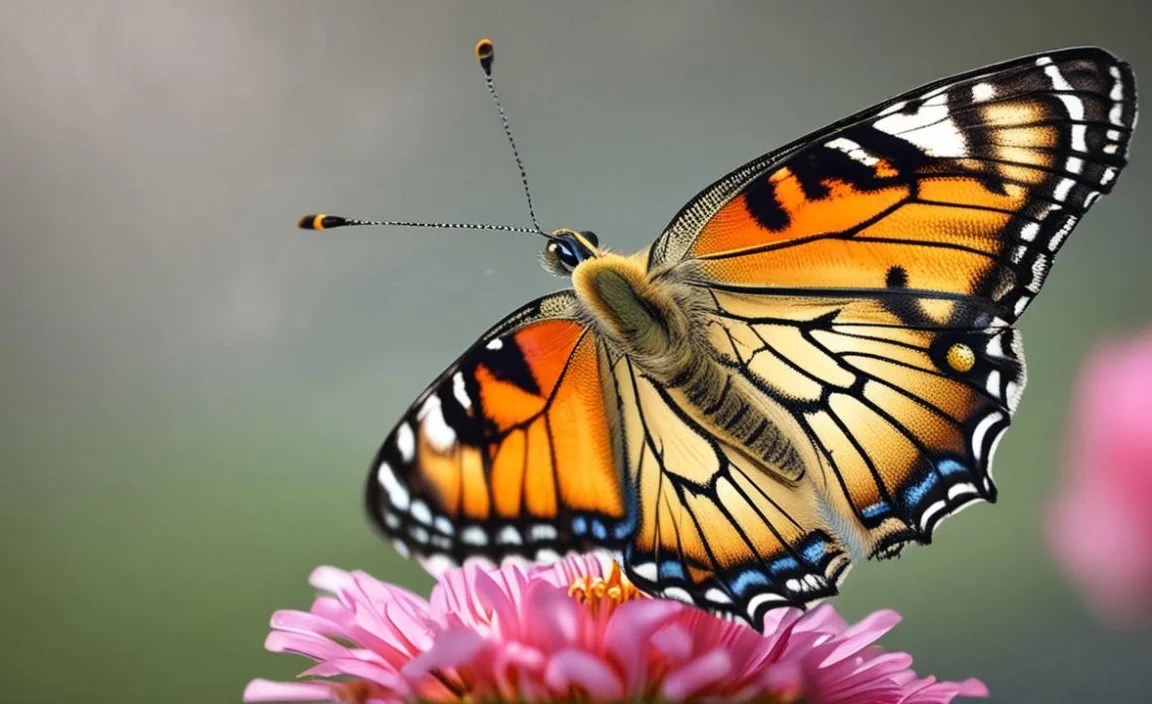

Altitude refugia are high-elevation areas that provide a refuge for species, including butterflies, facing climate change. As temperatures rise, these cooler, higher areas become increasingly important for survival. Let’s dive into the details of what makes these refugia so crucial.
Defining Altitude Refugia
Altitude refugia are essentially “safe havens” at higher elevations. These areas maintain suitable climate conditions that allow species to persist even as lower elevations become uninhabitable due to warming temperatures. For butterflies, this means cooler temperatures, adequate moisture, and the presence of host plants and nectar sources.
These refugia aren’t just about elevation; they also include other factors like:
- Microclimates: Small-scale climate conditions that differ from the surrounding area.
- Topography: The shape and features of the land, which can create varied habitats.
- Vegetation: The types of plants available, which provide food and shelter.
Why Altitude Matters for Butterflies
Butterflies are ectothermic, meaning their body temperature depends on their environment. This makes them highly sensitive to temperature changes. As temperatures rise, butterflies may struggle to:
- Regulate Body Temperature: Overheating can be fatal.
- Find Food: Host plants and nectar sources may decline.
- Reproduce: Warmer conditions can disrupt breeding cycles.
Altitude refugia offer a solution by providing the cooler temperatures butterflies need to thrive. These areas allow butterflies to maintain their physiological functions and continue their life cycles.
Examples of Butterfly Refugia
Several regions around the world serve as important altitude refugia for butterflies. Here are a few notable examples:
- Rocky Mountains, USA: Many butterfly species find refuge in the higher elevations of the Rockies, where cooler temperatures persist.
- Andes Mountains, South America: The diverse topography and microclimates of the Andes provide varied habitats for numerous butterfly species.
- European Alps: High-altitude meadows and forests in the Alps offer critical habitat for butterflies facing warming temperatures in lower regions.
The Importance of Altitude Refugia for Butterfly Conservation


Altitude refugia play a vital role in conserving butterfly populations in the face of climate change. Understanding this importance helps us prioritize conservation efforts. Let’s explore why these areas are so critical.
Preserving Biodiversity
Altitude refugia help maintain biodiversity by providing a haven for species that are vulnerable to climate change. Butterflies, as key pollinators and indicators of ecosystem health, benefit significantly from these refugia. By protecting these areas, we can preserve a wide range of butterfly species and the ecosystems they support.
These refugia often support:
- Rare and Endangered Species: Habitats for butterflies at risk of extinction.
- Specialized Species: Butterflies adapted to specific high-altitude conditions.
- Genetic Diversity: Maintaining varied gene pools within butterfly populations.
Supporting Ecosystem Health
Butterflies are essential for ecosystem health. They act as pollinators, contributing to plant reproduction and overall biodiversity. Protecting altitude refugia helps maintain these crucial ecological functions. Without butterflies, many plant species would struggle to survive, impacting the entire food web.
Key roles butterflies play in ecosystems:
- Pollination: Transferring pollen between plants, aiding reproduction.
- Food Source: Providing food for birds, insects, and other animals.
- Indicator Species: Reflecting the health of the environment through their presence and abundance.
Climate Change Adaptation
Altitude refugia offer a natural adaptation strategy for butterflies facing climate change. As temperatures rise, butterflies can migrate to these higher elevations to find suitable conditions. This allows them to continue their life cycles and maintain viable populations. Protecting these refugia ensures that butterflies have a place to retreat as the climate changes.
Benefits of altitude refugia for climate change adaptation:
- Migration Corridors: Providing pathways for butterflies to move to higher elevations.
- Stable Habitats: Offering consistent environmental conditions despite regional warming.
- Long-Term Survival: Ensuring butterflies can persist through climate fluctuations.
Identifying Suitable Altitude Refugia

Identifying potential altitude refugia involves assessing various environmental factors. Knowing what to look for can help conservationists and enthusiasts alike. Let’s explore the key indicators.
Key Environmental Indicators
Several environmental indicators can help identify suitable altitude refugia. These include temperature, moisture, vegetation, and topography. By evaluating these factors, we can determine which areas are most likely to support butterfly populations.
| Indicator | Description | Importance for Butterflies |
|---|---|---|
| Temperature | Cooler temperatures compared to surrounding areas. | Essential for regulating body temperature and metabolic processes. |
| Moisture | Adequate rainfall or snowmelt to support plant growth. | Necessary for host plants and nectar sources to thrive. |
| Vegetation | Presence of host plants and nectar sources. | Provides food and shelter for butterflies. |
| Topography | Varied terrain creating microclimates. | Offers diverse habitats and protection from extreme weather. |
Using Climate Models and Data
Climate models and data analysis can help predict which areas will remain suitable for butterflies in the future. These tools provide insights into how temperature and precipitation patterns are likely to change, allowing us to identify potential refugia. Websites like the Environmental Protection Agency (EPA) offer extensive climate data.
Steps for using climate models and data:
- Gather Data: Collect temperature and precipitation data for the region.
- Analyze Trends: Identify areas that are projected to remain cooler and wetter.
- Map Potential Refugia: Create maps showing areas that meet the criteria for refugia.
Field Surveys and Monitoring
Field surveys and monitoring are essential for verifying the suitability of potential altitude refugia. These activities involve observing butterfly populations, assessing habitat quality, and collecting data on environmental conditions. Organizations like the Xerces Society offer resources and guidelines for conducting butterfly surveys.
Key aspects of field surveys and monitoring:
- Butterfly Counts: Regularly counting butterfly species and individuals.
- Habitat Assessment: Evaluating the availability of host plants and nectar sources.
- Environmental Measurements: Recording temperature, humidity, and other relevant data.
Creating and Maintaining Butterfly-Friendly Habitats
Creating and maintaining butterfly-friendly habitats within altitude refugia can significantly enhance their suitability. By providing the right resources, we can help butterflies thrive. Let’s explore how to do this.
Planting Host Plants and Nectar Sources
Planting host plants and nectar sources is crucial for supporting butterfly populations. Host plants provide food for caterpillars, while nectar sources provide energy for adult butterflies. Selecting the right plants for your region is essential.
Tips for planting host plants and nectar sources:
- Research Local Species: Identify native host plants and nectar sources in your area.
- Plant in Clusters: Group plants together to create concentrated food sources.
- Provide Continuous Bloom: Choose plants that bloom at different times of the year to ensure a continuous supply of nectar.
Managing Vegetation and Water Resources
Proper vegetation and water management are essential for maintaining healthy butterfly habitats. This includes controlling invasive species, providing water sources, and managing grazing or mowing practices.
Strategies for managing vegetation and water resources:
- Control Invasive Species: Remove non-native plants that compete with host plants and nectar sources.
- Provide Water Sources: Create shallow puddles or install bird baths to provide water for butterflies.
- Manage Grazing and Mowing: Avoid grazing or mowing during butterfly breeding seasons to protect caterpillars and pupae.
Reducing Pesticide Use
Pesticides can be harmful to butterflies and other beneficial insects. Reducing or eliminating pesticide use is crucial for creating safe habitats. Consider using natural pest control methods instead.
Alternatives to pesticides:
- Biological Control: Use beneficial insects or nematodes to control pests.
- Manual Removal: Handpick pests from plants.
- Natural Sprays: Use insecticidal soap or neem oil to control pests.
Supporting Conservation Efforts
Supporting conservation efforts is essential for protecting altitude refugia and butterfly populations. This includes participating in citizen science projects, advocating for conservation policies, and donating to conservation organizations. Let’s explore how you can get involved.
Participating in Citizen Science Projects
Citizen science projects allow volunteers to contribute to scientific research. By participating in butterfly counts, habitat monitoring, and other activities, you can help gather valuable data. Websites like iNaturalist are great places to find citizen science projects.
Examples of citizen science projects:
- Butterfly Counts: Counting butterflies in designated areas.
- Habitat Monitoring: Assessing the quality of butterfly habitats.
- Data Collection: Recording observations and measurements.
Advocating for Conservation Policies
Advocating for conservation policies can help protect altitude refugia and butterfly habitats. This includes contacting elected officials, supporting conservation legislation, and raising awareness about conservation issues.
Ways to advocate for conservation policies:
- Contact Elected Officials: Write letters or emails to your representatives.
- Support Conservation Legislation: Vote for candidates who support conservation efforts.
- Raise Awareness: Share information about conservation issues with your friends and family.
Donating to Conservation Organizations
Donating to conservation organizations can provide financial support for research, habitat restoration, and other conservation activities. Many organizations are dedicated to protecting butterflies and their habitats.
Examples of conservation organizations:
- The Xerces Society: Focuses on invertebrate conservation.
- The Butterfly Conservation: Works to protect butterflies and their habitats.
- The National Wildlife Federation: Supports wildlife conservation efforts.
The Future of Butterflies in a Changing Climate
The future of butterflies in a changing climate depends on our ability to protect and manage altitude refugia. By understanding the challenges butterflies face and taking action to support their conservation, we can help ensure their survival.
Challenges and Threats
Butterflies face numerous challenges and threats in a changing climate, including habitat loss, temperature changes, and altered precipitation patterns. Addressing these issues is crucial for their survival.
| Challenge/Threat | Description | Impact on Butterflies |
|---|---|---|
| Habitat Loss | Destruction or degradation of butterfly habitats. | Reduces food and shelter availability. |
| Temperature Changes | Rising temperatures and altered weather patterns. | Disrupts life cycles and physiological processes. |
| Altered Precipitation Patterns | Changes in rainfall and snowmelt. | Affects host plant and nectar source availability. |
Conservation Strategies and Innovations
Innovative conservation strategies are needed to protect butterflies in a changing climate. These include habitat restoration, assisted migration, and genetic conservation. By implementing these strategies, we can help butterflies adapt to changing conditions.
Examples of conservation strategies and innovations:
- Habitat Restoration: Restoring degraded habitats to provide suitable conditions for butterflies.
- Assisted Migration: Moving butterfly populations to more suitable areas.
- Genetic Conservation: Preserving genetic diversity within butterfly populations.
The Role of Education and Awareness
Education and awareness play a critical role in butterfly conservation. By educating the public about the importance of butterflies and the threats they face, we can inspire action and support conservation efforts. Share your knowledge and passion with others!
Ways to promote education and awareness:
- Educational Programs: Develop and implement educational programs about butterflies.
- Public Outreach: Share information about butterflies through social media, websites, and events.
- Community Engagement: Involve local communities in conservation efforts.
FAQ: Altitude Refugia and Butterflies
Here are some frequently asked questions about altitude refugia and butterflies:
- What exactly is an altitude refugium?
- An altitude refugium is a high-elevation area that provides a cooler, more stable climate for species like butterflies, helping them survive climate change.
- Why are butterflies so sensitive to temperature?
- Butterflies are ectothermic, meaning their body temperature relies on the environment. They can overheat or struggle to function in extreme temperatures.
- What can I plant to help butterflies in my garden?
- Plant native host plants for caterpillars (like milkweed for monarchs) and nectar-rich flowers for adult butterflies, ensuring a continuous bloom throughout the season.
- How can I get involved in butterfly conservation?
- Join citizen science projects, support conservation organizations like the Xerces Society, and advocate for policies that protect butterfly habitats.
- What role do butterflies play in the ecosystem?
- Butterflies are important pollinators, contributing to plant reproduction, and they also serve as a food source for birds and other animals.
- What are some signs that a butterfly habitat is healthy?
- A healthy habitat has abundant host plants and nectar sources, a variety of butterfly species, and minimal pesticide use.
- How does climate change affect butterfly migration patterns?
- Climate change can disrupt migration patterns by altering the availability of food sources and suitable habitats, forcing butterflies to adapt or find new routes.
Conclusion
Altitude refugia are vital for the survival of butterflies in a changing climate. By understanding their importance, identifying suitable areas, and supporting conservation efforts, we can help protect these beautiful and ecologically important creatures. Whether it’s planting native flowers, participating in citizen science, or advocating for conservation policies, every action counts. Let’s work together to ensure that butterflies continue to thrive in these high-elevation havens for generations to come.


