
Easy Species Identification Photography: A Quick Guide

Have you ever seen a cool bug and wondered what it was? Or a pretty flower with a name you didn’t know? Figuring out what things are in nature can be tricky. But what if you could use pictures to help? That’s where species identification photography comes in! It helps us learn about the world around us.
Taking photos to identify living things is fun and useful. Let’s learn more about it!
Key Takeaways
- Species identification photography helps us name plants and animals using pictures.
- Good lighting and clear focus are key for great identification photos.
- You can use special apps to identify species from your photos.
- Taking photos in nature helps scientists study and protect species.
- Learning about nature through photos makes exploring more fun!
What Is Species Identification Photography?

Species identification photography is like being a nature detective. You use your camera to take pictures of plants and animals. Then, you use those photos to figure out what kind of species they are. It’s like having a visual field guide in your pocket! This type of photography is useful for scientists, nature lovers, and anyone curious about the world. With good photos, we can learn about different species. We can also track where they live and how they are doing. It’s a fun way to connect with nature and learn new things. Taking clear pictures helps experts identify species faster. This means we can protect them better. So grab your camera and start exploring! You might discover something amazing.
- It uses photos to name plants and animals.
- Scientists use it for research.
- Nature lovers use it for fun.
- It helps us track species.
- Clear photos are very important.
Imagine you are walking in the woods. You see a bird you’ve never seen before. You take a picture with your phone. Then, you use a special app to identify it. The app tells you it’s a Scarlet Tanager! That’s species identification photography in action. It helps you learn about the bird and its habitat. It also makes your walk in the woods more exciting. You can share your findings with friends and family. You can even contribute to science by reporting your sightings. So, next time you’re outside, take a picture! You might just discover something new.
Fun Fact or Stat: Did you know that over 1.5 million species have been identified on Earth, but scientists estimate there could be millions more?
Why Is It Important?
Why is species identification photography so important? Well, it helps us understand our planet better. By taking pictures and identifying species, we learn about biodiversity. Biodiversity means all the different kinds of living things in an area. When we know what species are present, we can track changes in their populations. This helps us see if a species is endangered or if it’s thriving. It also helps us understand how different species interact with each other. For example, we can see how bees help pollinate flowers. Or how predators keep prey populations in check. All of this information is important for protecting our environment. It allows us to make informed decisions about conservation efforts. So, taking a picture of a plant or animal can actually help save it!
How Can Kids Get Involved?
Do you want to get involved in species identification photography? It’s easier than you think! All you need is a camera or a phone with a camera. Start by taking pictures of plants and animals in your backyard or local park. Try to get clear, close-up shots. Pay attention to details like leaves, flowers, fur, or feathers. Then, use a species identification app to help you identify what you’ve photographed. There are many free apps available that can help. You can also share your photos with online communities of nature lovers. They can help you identify species and learn more about them. Participating in citizen science projects is another great way to get involved. These projects allow you to contribute your photos and observations to scientific research. It’s a fun way to learn and make a difference!
What Are the Challenges?
Species identification photography isn’t always easy. Sometimes, it can be challenging to get a good picture. The animal might move too fast, or the plant might be in a shady spot. Lighting is very important for getting clear photos. If it’s too dark, your pictures might be blurry. If it’s too bright, the colors might be washed out. Another challenge is identifying similar species. Some plants and animals look very alike. It can be hard to tell them apart without careful observation. That’s where field guides and expert help come in handy. They can help you look for subtle differences that can help you identify the species. Don’t get discouraged if you make mistakes. Everyone starts somewhere. The more you practice, the better you’ll get!
Tips for Great Species Identification Photos

Taking good photos is key for species identification photography. Here are some tips to help you get great shots. First, make sure your camera is focused. Blurry photos are hard to identify. Get close to your subject, but not too close that you scare it away. Use natural light whenever possible. Avoid using flash, as it can distort colors. Take multiple photos from different angles. This will give you a better chance of capturing important details. Pay attention to the background. A cluttered background can make it hard to see your subject. Try to find a clean background that will make your subject stand out. Most importantly, be patient. It might take a few tries to get the perfect shot. Keep practicing, and you’ll become a pro in no time!
- Use good lighting.
- Focus carefully.
- Get close to the subject.
- Take photos from different angles.
- Be patient and persistent.
- Clean the camera lens.
Imagine you’re trying to photograph a butterfly. It lands on a flower, but it’s moving its wings. You need to be quick and steady. You adjust your camera settings to get a clear picture. You take several shots, trying to capture the butterfly’s colors and patterns. Finally, you get a perfect shot! The butterfly’s wings are in focus, and the colors are vibrant. This photo will be very helpful for identifying the species. It shows all the important details that experts need to make a determination. Remember, every great photo starts with patience and practice. Don’t give up, and you’ll be amazed at what you can capture.
Fun Fact or Stat: The world’s smallest camera is about the size of a grain of salt!
What Camera Equipment Do You Need?
Do you need fancy camera equipment for species identification photography? Not necessarily! A smartphone camera can work just fine. Many smartphones have excellent cameras that can take detailed photos. However, if you want to take your photography to the next level, you might consider investing in a digital camera. A camera with a zoom lens can help you capture distant subjects. A macro lens can help you take close-up photos of small details. A tripod can help you keep your camera steady, especially in low light. But remember, the most important thing is not the equipment, but your skills. Learning how to use your camera properly is more important than having the most expensive gear. So start with what you have and practice!
How to Handle Animals Safely?
When taking photos of animals, it’s important to be safe and respectful. Never approach an animal too closely. Keep a safe distance to avoid scaring or threatening it. If an animal seems stressed or agitated, back away slowly. Never try to touch or handle wild animals. They might bite or scratch you. Some animals might also carry diseases. Be aware of your surroundings. Watch out for hazards like snakes, spiders, or stinging insects. If you’re photographing in a protected area, follow all the rules and regulations. Stay on marked trails and avoid disturbing the environment. Remember, the goal is to observe and document wildlife, not to interfere with it. By being responsible, you can protect both yourself and the animals you’re photographing.
How To Photograph Plants Effectively?
Photographing plants for species identification photography can be a little easier than photographing animals. Plants don’t move (usually!). But there are still some things to keep in mind. First, pay attention to the lighting. Avoid taking pictures in direct sunlight, as it can create harsh shadows. Overcast days are often the best for plant photography. Try to capture all the important parts of the plant, including the leaves, flowers, stems, and roots (if possible). Take close-up photos of the leaves and flowers to show their details. Use a ruler or other object to show the size of the plant. This can be helpful for identification. Also, be mindful of the background. Try to find a clean background that won’t distract from the plant.
Using Apps for Species Identification
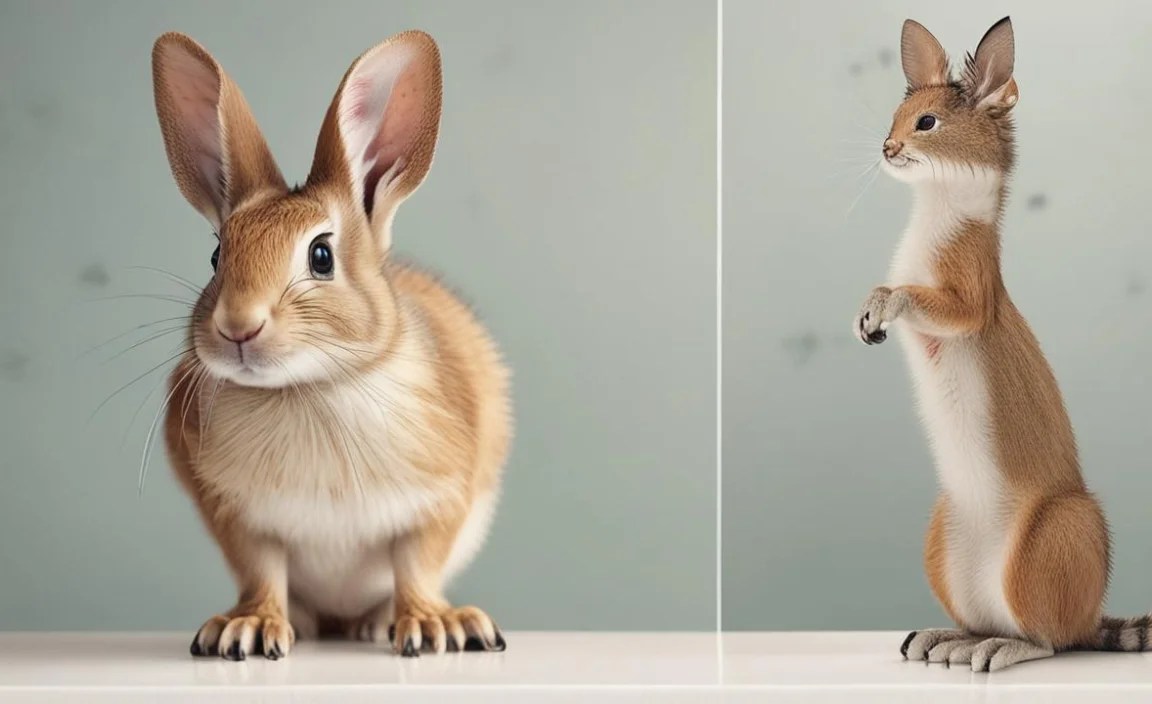
Thanks to technology, species identification photography is easier than ever. There are many apps that can help you identify plants and animals from your photos. These apps use artificial intelligence to analyze your photos and compare them to databases of known species. Some popular apps include iNaturalist, PlantNet, and Seek. These apps can identify thousands of different species. To use an app, simply take a photo of the plant or animal you want to identify. Then, upload the photo to the app. The app will analyze the photo and provide you with a list of possible matches. You can then compare your photo to the images in the app to confirm the identification. These apps are a great way to learn about the natural world. They make exploring more fun and educational.
- Apps use AI to identify species.
- iNaturalist is a popular app.
- PlantNet focuses on plants.
- Seek is great for kids.
- Upload your photo to the app.
- Compare your photo to the results.
Imagine you’re on a hike and you spot a strange flower. You take a picture with your phone and open the PlantNet app. You upload the photo, and the app quickly identifies the flower as a Lady’s Slipper Orchid. You’ve never heard of that before! You read more about it in the app and learn that it’s a rare and protected species. You feel proud that you were able to identify it and learn something new. That’s the power of species identification photography and these amazing apps. They make learning about nature accessible to everyone.
Fun Fact or Stat: The iNaturalist app has helped identify over 30,000 species!
How Accurate Are These Apps?
Are these species identification photography apps always right? No, they’re not perfect. The accuracy of these apps depends on several factors. The quality of your photo is important. Clear, well-lit photos are more likely to be identified correctly. The app’s database is also a factor. Some apps have more comprehensive databases than others. The complexity of the species can also affect accuracy. Some species are easier to identify than others. While these apps are helpful, it’s important to use them with caution. Always double-check the identification with a field guide or an expert. These apps are a great starting point, but they shouldn’t be the only source of information.
What Are the Best Apps for Kids?
If you’re a kid interested in species identification photography, there are some great apps designed just for you. One popular app is Seek by iNaturalist. Seek is designed to be fun and educational. It uses gamification to encourage kids to explore nature. As you identify species, you earn badges and unlock new challenges. Another great app is PictureThis. PictureThis is a plant identification app that’s easy to use. It provides detailed information about each plant, including its habitat, uses, and folklore. Both of these apps are free and available for both iOS and Android devices. They’re a great way to learn about the natural world and have fun at the same time!
Are There Any Privacy Concerns?
When using species identification photography apps, it’s important to be aware of privacy concerns. Some apps collect data about your location and the species you identify. This data can be used for scientific research or conservation efforts. However, it can also be used for marketing purposes. Before using an app, read its privacy policy carefully. Make sure you understand what data is being collected and how it will be used. You can also adjust your privacy settings to limit the amount of data you share. Some apps allow you to submit observations anonymously. This means that your name and location won’t be associated with your observations. It’s important to protect your privacy while enjoying these amazing tools.
Contributing to Science with Your Photos

Did you know that your species identification photography can help scientists? By sharing your photos and observations, you can contribute to citizen science projects. These projects allow everyday people to participate in scientific research. One popular platform for citizen science is iNaturalist. When you upload a photo to iNaturalist, you’re not just identifying a species. You’re also providing valuable data to scientists. This data can be used to track the distribution of species, monitor changes in populations, and study the effects of climate change. Your photos can help scientists understand the natural world better. They can also help them make informed decisions about conservation. So, next time you take a picture of a plant or animal, consider sharing it with the scientific community. You might just make a difference!
- Share photos on iNaturalist.
- Track species distribution.
- Monitor population changes.
- Study climate change effects.
- Help conservation efforts.
Imagine you’re hiking in a remote area and you spot a rare orchid. You take a picture and upload it to iNaturalist. A scientist studying orchids sees your photo and realizes that this species hasn’t been seen in that area for many years. Your photo provides valuable information about the orchid’s distribution and helps the scientist understand its habitat requirements. This information can be used to protect the orchid and its habitat. That’s the power of citizen science and species identification photography. Your observations can help scientists make important discoveries and protect our planet’s biodiversity.
Fun Fact or Stat: Citizen science projects have contributed to over 10,000 scientific publications!
How Does iNaturalist Work?
How does iNaturalist use species identification photography to help science? It’s quite clever! When you upload a photo to iNaturalist, the app suggests possible identifications. These suggestions are based on computer vision and other users’ observations. Other users can then help confirm or refine the identification. This process creates a community of experts and amateurs working together to identify species. The data collected on iNaturalist is then shared with scientists and conservation organizations. They use this data to study biodiversity, track species ranges, and monitor environmental changes. iNaturalist is a powerful tool for connecting people with nature and advancing scientific knowledge.
What Other Citizen Science Projects Exist?
Besides iNaturalist, there are many other citizen science projects that use species identification photography. One example is eBird, which focuses on birds. eBird allows you to record your bird sightings and share them with the scientific community. Another project is Project Noah, which encourages you to document all kinds of wildlife. There’s also Zooniverse, which hosts a variety of citizen science projects, including some that involve identifying animals in photos. These projects cover a wide range of topics and allow you to contribute to scientific research in different ways. Find a project that interests you and start exploring!
What Are the Benefits of Participating?
What are the benefits of participating in citizen science projects using species identification photography? First, it’s a great way to learn about the natural world. You’ll learn about different species, their habitats, and their behaviors. Second, you’ll be contributing to scientific research. Your observations will help scientists understand the planet better. Third, you’ll be connecting with a community of nature lovers. You’ll meet people who share your interests and learn from their experiences. Finally, it’s fun! Exploring nature and contributing to science is a rewarding experience. So, get involved and start making a difference!
Ethical Considerations in Nature Photography

When practicing species identification photography, it’s important to be ethical and respectful of nature. Never disturb or harm wildlife. Avoid getting too close to animals or their nests. Do not feed wild animals, as this can disrupt their natural behaviors. Stay on marked trails and avoid trampling vegetation. Be careful not to introduce invasive species. Clean your boots and gear before entering a new area. Do not collect plants or animals without permission. Follow all local rules and regulations. Remember, the goal is to observe and document nature, not to interfere with it. By being ethical and responsible, you can help protect the environment for future generations.
- Do not disturb wildlife.
- Stay on marked trails.
- Do not feed animals.
- Avoid introducing invasive species.
- Follow local rules.
- Respect the environment.
Imagine you’re photographing a bird’s nest. You want to get a close-up shot of the eggs, but you know that getting too close could scare the mother bird away. You decide to use a zoom lens instead of approaching the nest. You take a few photos from a distance and then leave the area. You’ve captured the image you wanted without disturbing the bird or its nest. That’s ethical species identification photography in action. It’s about respecting nature and minimizing your impact on the environment.
Fun Fact or Stat: Many national parks have specific guidelines for photographers to minimize their impact on wildlife.
What Is “Leave No Trace”?
“Leave No Trace” is a set of principles for minimizing your impact on the environment. These principles are especially important when practicing species identification photography. The seven principles of Leave No Trace are: plan ahead and prepare, travel and camp on durable surfaces, dispose of waste properly, leave what you find, minimize campfire impacts, respect wildlife, and be considerate of other visitors. By following these principles, you can help protect the natural world and ensure that it remains beautiful for everyone to enjoy.
How to Avoid Disturbing Wildlife?
How can you avoid disturbing wildlife when practicing species identification photography? First, keep a safe distance from animals. Use a zoom lens to get close-up shots without approaching them. Avoid making loud noises or sudden movements. These can scare animals and disrupt their behavior. Never feed wild animals, as this can make them dependent on humans. Be aware of nesting areas and avoid getting too close. If you see an animal that seems stressed or agitated, back away slowly. Remember, the goal is to observe wildlife without interfering with it.
What About Photographing Endangered Species?
Photographing endangered species requires extra care and consideration. These species are particularly vulnerable to disturbance. Before photographing an endangered species, research its habitat and behavior. Obtain any necessary permits or permissions. Follow all guidelines for minimizing your impact on the species. Avoid sharing the exact location of the species online. This can protect it from poachers or other threats. Your photos can help raise awareness about endangered species and the need for conservation. But it’s important to prioritize the well-being of the species above all else.
Table: Pros and Cons of Photography for Identification
| Pros | Cons |
|---|---|
| Provides a visual record of the species. | Requires good lighting and equipment. |
| Can be shared with experts for identification. | May not capture all the important details. |
| Helps track species distribution and changes. | Can be time-consuming to take and process photos. |
| Engages people with nature and science. | Ethical considerations about disturbing wildlife. |
Summary
Species identification photography is a fun and useful way to learn about nature. It involves taking pictures of plants and animals. Then, you use those pictures to figure out what kind of species they are. You can use apps to help you identify species from your photos. Your photos can also help scientists study and protect species. To take great identification photos, use good lighting and focus carefully. Be ethical and respectful of nature when taking photos. Participating in citizen science projects is a great way to get involved. It allows you to contribute your photos and observations to scientific research. Remember, every picture tells a story. Your photos can help us understand and protect our planet’s biodiversity.
Conclusion
Species identification photography is a fantastic way to connect with nature. It’s also a powerful tool for learning and conservation. By taking pictures and sharing them with others, you can help scientists understand the world around us. You can also inspire others to appreciate and protect our planet’s biodiversity. So grab your camera and start exploring! You never know what amazing discoveries you might make.
Frequently Asked Questions
Question No 1: What is species identification photography?
Answer: Species identification photography uses pictures to help us figure out what plants and animals are. It’s like being a nature detective! You take a photo, and then you try to find out what the species is. Scientists, nature lovers, and kids can all use this type of photography. It helps us learn about the different living things around us. It also helps us protect them. Taking good pictures is very important for accurate identification. So, grab your camera and start exploring!
Question No 2: What kind of camera do I need?
Answer: You don’t need a fancy camera to start with species identification photography! A smartphone camera works just fine. Many smartphones have great cameras that can take detailed photos. If you want to take your photography to the next level, you can get a digital camera with a zoom lens. This will help you take pictures of things that are far away. A macro lens can help you take close-up pictures of small details. But remember, the most important thing is learning how to use your camera properly.
Question No 3: How can I take better photos for species identification?
Answer: To take better photos for species identification photography, focus carefully. Make sure your photo is clear and not blurry. Get close to the plant or animal, but not too close that you scare it away. Use good lighting. Natural light is best. Avoid using flash, as it can change the colors. Take photos from different angles. This will help you capture all the important details. Be patient and keep practicing. The more you practice, the better you’ll get!
Question No 4: Are there apps that can help me identify species?
Answer: Yes, there are many apps that can help you identify species! These apps use artificial intelligence to analyze your photos. They compare them to databases of known species. Some popular apps include iNaturalist, PlantNet, and Seek. To use an app, take a photo of the plant or animal. Then, upload the photo to the app. The app will give you a list of possible matches. These apps are a great way to learn about nature and make species identification photography easier.
Question No 5: How accurate are species identification apps?
Answer: Species identification photography apps are helpful, but they’re not always perfect. The accuracy of these apps depends on a few things. The quality of your photo is important. Clear, well-lit photos are more likely to be identified correctly. The app’s database is also a factor. Some apps have more species in their database than others. Always double-check the identification with a field guide or an expert. These apps are a good starting point, but they shouldn’t be the only source you trust.
Question No 6: Can my photos help scientists?
Answer: Yes! Your species identification photography can help scientists! By sharing your photos and observations, you can contribute to citizen science projects. One popular platform is iNaturalist. When you upload a photo to iNaturalist, you’re providing valuable data to scientists. They can use this data to track species, monitor populations, and study the effects of climate change. Your photos can help scientists understand the natural world and protect our planet. So, share your photos and make a difference!


