
Butterfly Image Database: Find Your Perfect Image

Quick Summary: Butterfly Image Database
Looking for butterfly photos? A butterfly image database is a treasure trove of pictures for identification, education, art, or simply admiring these beautiful insects. You can find databases at universities, museums, and conservation groups. Many are available online, offering high-quality images searchable by species, region, or even wing pattern. These resources are invaluable for anyone interested in learning more about butterflies and their conservation.
Butterflies are some of the most beautiful and fascinating creatures on Earth. Whether you’re a nature enthusiast, a student, or just someone who appreciates their beauty, having access to high-quality butterfly images can be incredibly useful. But finding reliable and well-organized butterfly photos can sometimes be a challenge.
That’s why knowing about butterfly image databases is so important. These collections offer a wealth of information and visuals, all in one place. In this article, I’ll walk you through the best resources available, explain how to use them effectively, and even give you tips on creating your own butterfly photo collection. Let’s dive in and explore the world of butterfly images!
Why Use a Butterfly Image Database?
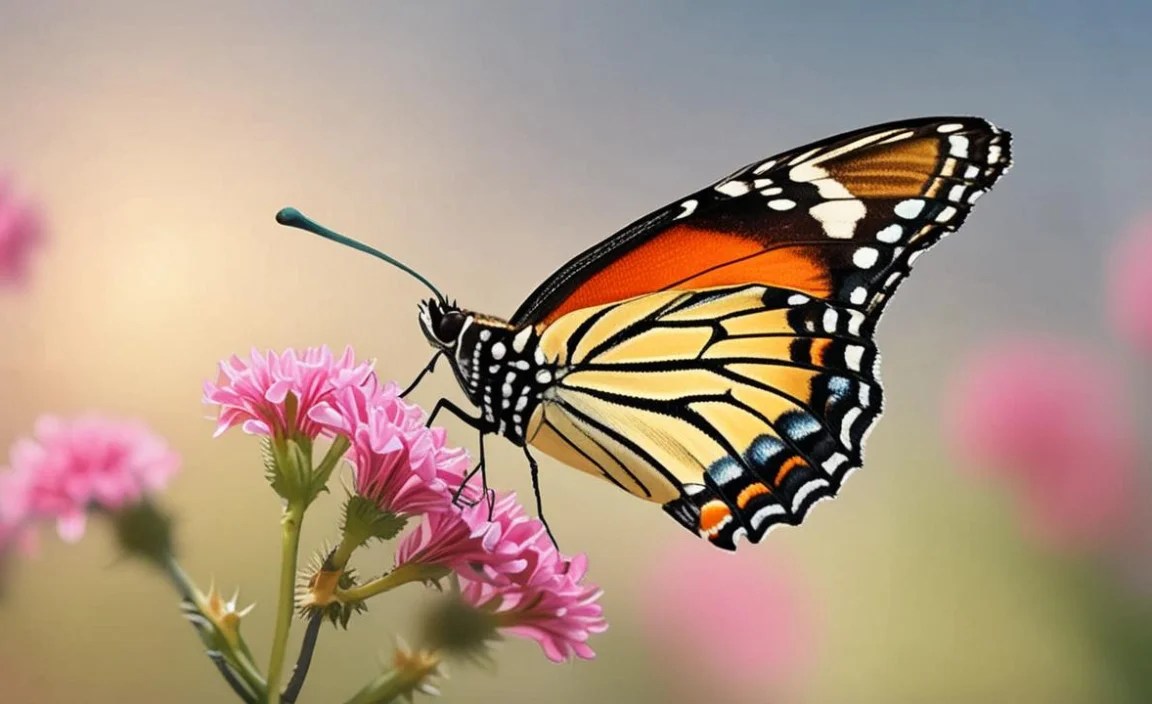
Butterfly image databases offer numerous benefits for researchers, educators, and butterfly enthusiasts alike. Here are just a few reasons why you might want to use one:
- Accurate Identification: Detailed images can help you accurately identify different butterfly species.
- Educational Resources: They provide valuable visual aids for learning about butterfly anatomy, life cycles, and habitats.
- Conservation Efforts: Images can be used to track butterfly populations and monitor the impact of environmental changes.
- Artistic Inspiration: Artists and photographers can find inspiration in the intricate patterns and vibrant colors of butterfly wings.
- Personal Enjoyment: Simply browsing through beautiful butterfly images can be a relaxing and enriching experience.
Where to Find Butterfly Image Databases

Fortunately, there are many excellent butterfly image databases available, both online and offline. Here are some of the best places to start your search:
Online Databases
The internet offers a wealth of resources for finding butterfly images. Here are a few of the most reputable and comprehensive online databases:
- Butterflies and Moths of North America (BAMONA): This website is a fantastic resource for identifying North American butterflies and moths. It features high-quality images, distribution maps, and detailed information about each species.
- iNaturalist: A citizen science project where users upload photos of plants and animals, including butterflies. You can search for butterfly images by species, location, and date. iNaturalist is a great way to see real-world photos of butterflies in their natural habitats.
- BugGuide.net: Another excellent resource for insect identification, including butterflies. BugGuide features a vast collection of images contributed by users, along with expert commentary and identification assistance.
- Wikimedia Commons: A repository of freely usable media files, including a large collection of butterfly images. You can find photos of butterflies from all over the world, contributed by photographers and researchers.
- University and Museum Collections: Many universities and natural history museums have online collections of butterfly images. These collections often include rare or historical specimens that are not found elsewhere.
Offline Databases
While online databases are incredibly convenient, don’t overlook the value of offline resources. Here are a few places where you might find butterfly images in the physical world:
- Natural History Museums: Museums often have extensive collections of butterfly specimens, along with accompanying photographs and illustrations.
- University Research Collections: University entomology departments may have collections of butterfly images and specimens for research purposes.
- Libraries: Libraries often have books and field guides with high-quality butterfly images.
- Local Butterfly Clubs: Joining a local butterfly club can give you access to a network of knowledgeable enthusiasts who may have their own collections of butterfly images.
How to Use a Butterfly Image Database Effectively

Once you’ve found a butterfly image database, it’s important to know how to use it effectively. Here are some tips for getting the most out of these resources:
Search Strategies
Most butterfly image databases have search functions that allow you to find images based on specific criteria. Here are some search strategies to try:
- Species Name: If you know the scientific or common name of the butterfly you’re looking for, start by searching for that.
- Location: If you’re interested in butterflies found in a particular region, search by location.
- Color or Pattern: Some databases allow you to search by color or pattern. This can be helpful if you’re trying to identify a butterfly you’ve seen but don’t know the name of.
- Habitat: Search by habitat type (e.g., forest, meadow, desert) to find butterflies that are likely to be found in that environment.
- Keywords: Use keywords like “caterpillar,” “pupa,” or “life cycle” to find images related to specific aspects of butterfly biology.
Image Evaluation
Not all butterfly images are created equal. Here are some things to look for when evaluating the quality and accuracy of an image:
- Clarity and Detail: The image should be clear and sharp, with enough detail to allow for accurate identification.
- Accurate Color: The colors in the image should be true to life.
- Proper Labeling: The image should be correctly labeled with the species name and other relevant information.
- Source Reliability: The image should come from a reputable source, such as a museum, university, or well-known photographer.
- Multiple Views: Ideally, the database should offer multiple views of the butterfly, including dorsal (top) and ventral (bottom) views of the wings.
Understanding Image Licensing
Before using a butterfly image, it’s important to understand its licensing terms. Some images are freely available for any use, while others may have restrictions on how they can be used. Here are some common types of image licenses:
- Public Domain: Images in the public domain can be used for any purpose without permission.
- Creative Commons: Creative Commons licenses allow you to use images for free, but may require you to give attribution to the photographer or adhere to other restrictions.
- Copyrighted: Copyrighted images can only be used with the permission of the copyright holder.
Always check the licensing terms before using a butterfly image to avoid copyright infringement.
Creating Your Own Butterfly Image Database

If you’re a keen photographer or butterfly enthusiast, you might consider creating your own butterfly image database. This can be a rewarding project that allows you to share your knowledge and passion with others. Here are some steps to get you started:
Gathering Images
The first step is to gather a collection of high-quality butterfly images. You can take your own photos, use images from online databases (with proper attribution), or scan images from books and field guides.
- Photography Tips: Use a macro lens to capture close-up details of butterfly wings. Shoot in natural light to get accurate colors. Be patient and try to capture butterflies in various poses.
- Scanning Images: If you’re scanning images from books, use a high-resolution scanner to ensure good quality. Be careful not to damage the book in the process.
- Organizing Your Collection: Create a system for organizing your images. You might want to organize them by species, location, date, or other criteria.
Database Software
Next, you’ll need to choose a database software to store and manage your images. There are many options available, ranging from simple spreadsheet programs to dedicated image database software.
- Spreadsheet Programs: Programs like Microsoft Excel or Google Sheets can be used to create a basic image database. You can store image file names, species names, locations, and other information in the spreadsheet.
- Image Database Software: Dedicated image database software, such as Adobe Lightroom or ACDSee, offers more advanced features for organizing and managing images. These programs allow you to add metadata, create catalogs, and perform advanced searches.
- Online Platforms: Consider using online platforms like Flickr or SmugMug to host your butterfly images. These platforms offer tools for organizing and sharing your photos with others.
Adding Metadata
Metadata is information about your images that can be used to search and filter them. Be sure to add as much relevant metadata as possible to your butterfly images.
- Species Name: The scientific and common name of the butterfly.
- Location: Where the butterfly was photographed.
- Date: When the butterfly was photographed.
- Habitat: The type of habitat where the butterfly was found.
- Photographer: Your name or the name of the photographer.
- Copyright Information: Information about the image license.
Sharing Your Database
Once you’ve created your butterfly image database, you can share it with others by:
- Creating a Website: Build a website to showcase your butterfly images and share information about each species.
- Contributing to Online Databases: Contribute your images to online databases like iNaturalist or Wikimedia Commons.
- Sharing on Social Media: Share your images on social media platforms like Instagram or Facebook.
- Presenting at Conferences: Present your database at conferences or workshops for butterfly enthusiasts.
The Ethical Considerations
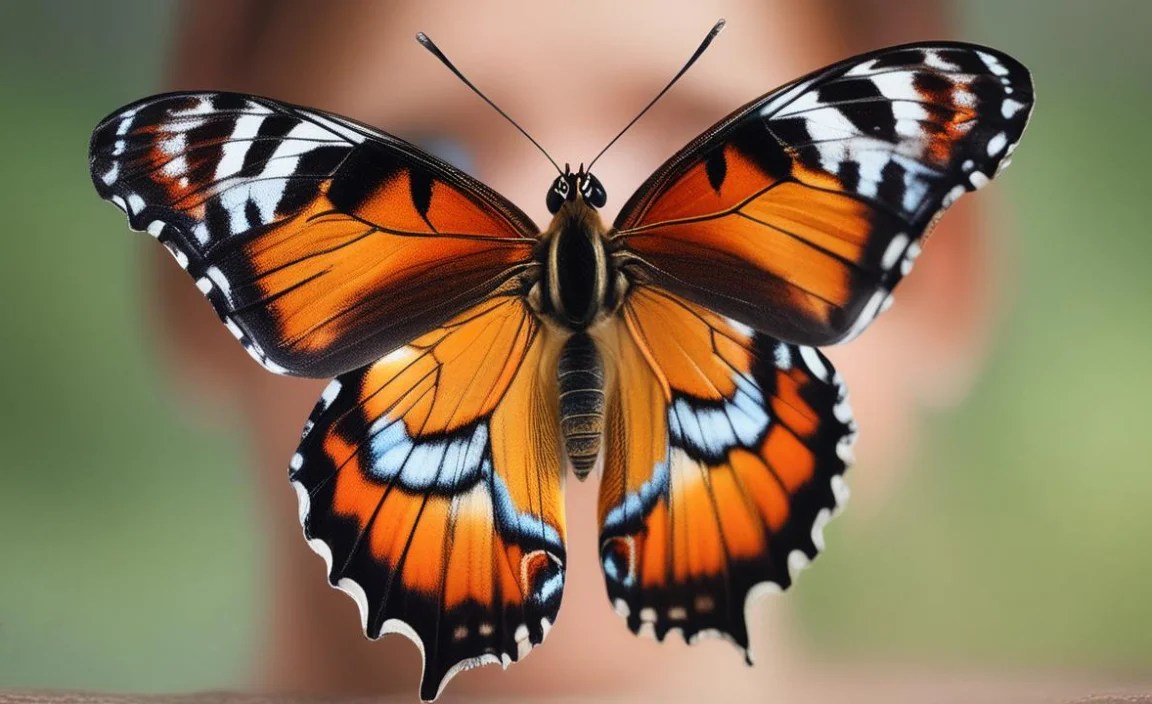
When working with butterfly images, it’s crucial to be aware of ethical considerations. Here are a few key points to keep in mind:
Respect for Nature
Always prioritize the well-being of butterflies and their habitats. Avoid disturbing butterflies or their environment when taking photographs.
- Do not collect butterflies unless you have a scientific permit to do so.
- Avoid using flash photography, as it can disorient butterflies.
- Stay on trails and avoid trampling vegetation.
Accurate Representation
Strive to represent butterflies accurately in your images and descriptions. Avoid making exaggerated claims or misidentifying species.
- Verify your identifications using reliable sources.
- Provide accurate information about butterfly behavior and ecology.
- Correct any errors in your database as soon as you become aware of them.
Cultural Sensitivity
Be aware that butterflies may have cultural significance to certain communities. Respect local customs and traditions when photographing or sharing butterfly images.
- Learn about the cultural significance of butterflies in the areas where you photograph them.
- Avoid using butterfly images in a way that could be offensive to local communities.
Examples of Butterfly Image Databases
To give you a better idea of what a butterfly image database looks like, here are a few examples:
| Database Name | Description | Key Features |
|---|---|---|
| Butterflies and Moths of North America (BAMONA) | A comprehensive database of North American butterflies and moths. | High-quality images, distribution maps, detailed species information. |
| iNaturalist | A citizen science project where users upload photos of plants and animals. | Large collection of images, location-based search, community identification. |
| BugGuide.net | A resource for insect identification, including butterflies. | User-contributed images, expert commentary, identification assistance. |
| Wikimedia Commons | A repository of freely usable media files. | Large collection of butterfly images from around the world. |
Resources for Further Learning
If you’re interested in learning more about butterflies, here are some additional resources:
- Books: “The Butterflies of North America” by James A. Scott, “National Audubon Society Field Guide to Butterflies” by Jim P. Brock and Kenn Kaufman.
- Websites: The Xerces Society for Invertebrate Conservation, the North American Butterfly Association.
- Organizations: Local butterfly clubs, nature centers, and botanical gardens.
FAQ
What is a butterfly image database?
It’s a collection of butterfly photos, often searchable by species, location, or other characteristics. Think of it as a visual encyclopedia of butterflies!
Why are butterfly image databases useful?
They help with identifying butterflies, learning about different species, and supporting conservation efforts by providing visual records.
Where can I find butterfly image databases?
Check out websites like Butterflies and Moths of North America (BAMONA), iNaturalist, and university or museum collections online.
Can I use butterfly images from these databases for my own projects?
It depends on the image license! Some are free to use with attribution, while others may have restrictions. Always check the terms before using an image.
How can I create my own butterfly image database?
Start by gathering high-quality images, choose a database software (like Excel or Lightroom), add detailed information (metadata) to each image, and then share it online or with fellow enthusiasts.
What kind of information should I include when adding images to my database?
Include the species name, location where the photo was taken, date, habitat type, photographer’s name, and copyright information.
Is it ethical to photograph butterflies in the wild?
Yes, but always respect their environment! Avoid disturbing them, use natural light instead of flash, and stay on marked trails.
Conclusion
Butterfly image databases are a powerful tool for anyone interested in these fascinating creatures. Whether you’re a researcher, educator, artist, or simply a butterfly enthusiast, these resources can provide you with a wealth of information and inspiration. By using these databases effectively and ethically, you can deepen your understanding of butterflies and contribute to their conservation.
I hope this guide has been helpful in your exploration of butterfly image databases. Now, go forth and discover the beauty and wonder of these amazing insects!


