Large White Butterfly: Attract Them Now!

The Large White butterfly, often called the Cabbage White, is known for its striking white wings with black tips. These butterflies are common throughout Europe, North Africa, and Asia, and they’re often seen in gardens and fields. While beautiful, they can be a pest to cabbage and other leafy greens. Identifying them and understanding their life cycle can help you manage their presence in your garden.
Have you ever noticed large, white butterflies fluttering around your garden, especially near your cabbage or broccoli plants? These are likely Large White butterflies, also known as Cabbage Whites. While they add a touch of beauty to your outdoor space, their caterpillars can quickly devour your precious leafy greens. It’s a common problem for gardeners, but don’t worry!
In this guide, we’ll explore everything you need to know about Large White butterflies, from identifying them to managing their impact on your garden. We’ll cover their life cycle, what attracts them, and simple steps you can take to protect your plants. Get ready to learn how to coexist with these butterflies while keeping your garden healthy and thriving!
What is a Large White Butterfly?
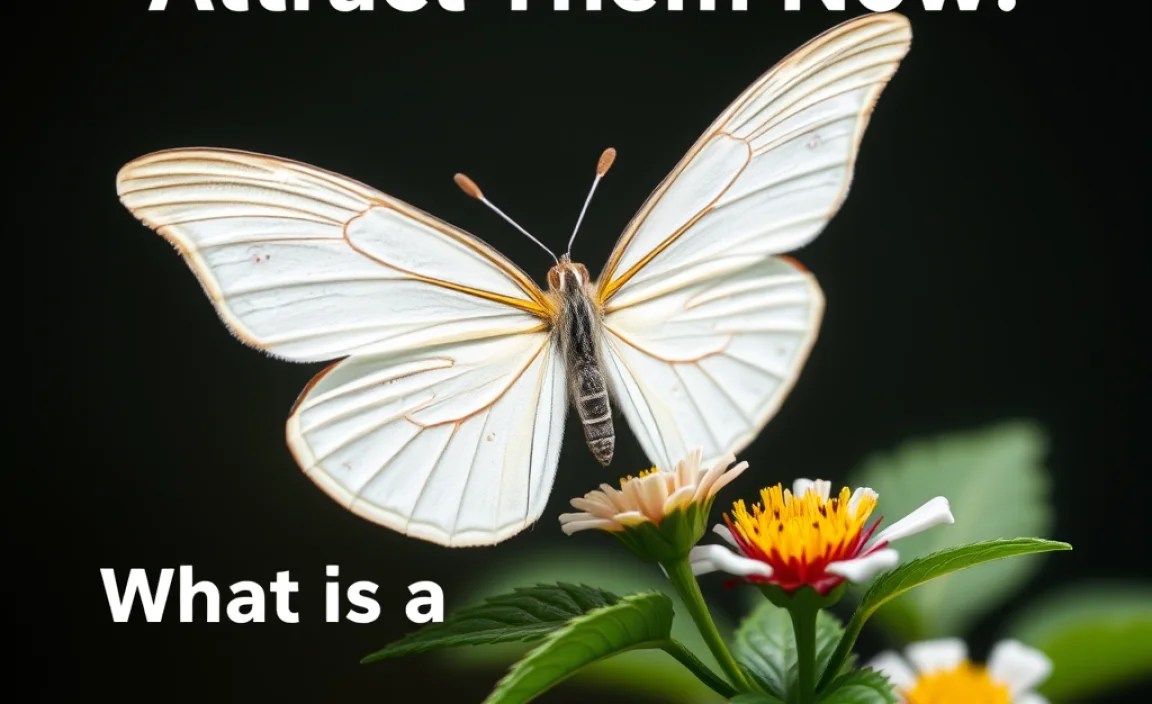
The Large White butterfly (Pieris brassicae) is a common butterfly species found across Europe, Asia, and North Africa. It’s easily recognizable by its bright white wings and black tips on the forewings. While admired for its beauty, it’s also considered a pest due to its caterpillars’ appetite for cruciferous plants like cabbage, broccoli, and kale.
Identifying the Large White Butterfly
Here’s how to spot a Large White butterfly:
- Size: Wingspan of about 2 to 2.5 inches (5 to 6.5 cm).
- Color: Predominantly white wings.
- Markings: Black tips on the forewings. Females have two black spots on each forewing, while males usually have none.
- Flight Pattern: Strong, direct flight.
Life Cycle of the Large White Butterfly
Understanding the Large White butterfly’s life cycle is key to managing them effectively. They go through four stages:
- Egg: Yellowish eggs laid in clusters on the underside of host plant leaves (cabbage, broccoli, etc.).
- Larva (Caterpillar): Greenish-blue caterpillars with black and yellow markings. They are voracious eaters.
- Pupa (Chrysalis): Green or brown pupa attached to a stem or leaf.
- Adult Butterfly: Emerges from the pupa to reproduce and lay eggs.
Why are Large White Butterflies Attracted to Your Garden?

Large White butterflies are primarily attracted to gardens with cruciferous vegetables. These plants serve as both a food source for the caterpillars and a place for the butterflies to lay their eggs. Here’s a closer look:
- Host Plants: Cabbage, broccoli, cauliflower, kale, Brussels sprouts, and other plants in the Brassica family.
- Nectar Sources: While caterpillars feed on leafy greens, adult butterflies also need nectar from flowers like lavender, buddleia, and sunflowers.
- Open Spaces: Gardens with plenty of sunlight and open areas are attractive to these butterflies.
How to Protect Your Garden from Large White Butterflies

Protecting your garden from Large White butterflies involves a combination of preventative measures and direct control methods. Here’s a step-by-step guide:
Step 1: Prevention is Key
The best approach is to prevent butterflies from laying eggs on your plants in the first place.
- Netting: Cover your plants with fine netting or horticultural fleece. Make sure the netting is securely anchored to the ground to prevent butterflies from getting underneath.
- Companion Planting: Plant strong-smelling herbs like rosemary, thyme, and sage around your vegetables. These herbs can deter butterflies.
- Decoy Planting: Plant a sacrificial crop of nasturtiums. Large White butterflies are attracted to nasturtiums and may lay their eggs on them instead of your vegetables.
Step 2: Regular Inspection
Check your plants regularly for eggs and caterpillars. Early detection can prevent a large infestation.
- Egg Patrol: Look for clusters of small, yellow eggs on the underside of leaves. Crush the eggs or remove the affected leaves.
- Caterpillar Check: Inspect plants for caterpillars. They are usually found feeding on the leaves.
Step 3: Manual Removal
Handpicking caterpillars is an effective way to control small infestations.
- Gloves: Wear gloves to protect your hands.
- Collection: Pick off caterpillars and drop them into a bucket of soapy water.
- Disposal: Dispose of the soapy water and caterpillars properly.
Step 4: Biological Control
Introduce natural predators to your garden to help control the caterpillar population.
- Attract Birds: Encourage birds to visit your garden by providing bird feeders and bird baths. Birds love to eat caterpillars.
- Bacillus thuringiensis (Bt): This is a natural bacterium that is toxic to caterpillars. It is safe for humans, pets, and beneficial insects. Apply Bt to your plants according to the product instructions.
- Parasitic Wasps: Certain parasitic wasps lay their eggs inside caterpillars, eventually killing them. You can purchase these wasps online or from garden centers.
Step 5: Chemical Control (Use as a Last Resort)
If other methods fail, you may consider using insecticides. However, this should be a last resort, as insecticides can harm beneficial insects and the environment.
- Choose Wisely: Select an insecticide that is specifically designed for caterpillars and is safe for use on vegetables.
- Follow Instructions: Always follow the product instructions carefully.
- Apply Sparingly: Apply the insecticide only to the affected plants and avoid spraying during the day when bees and other pollinators are active.
Butterfly-Friendly Gardening
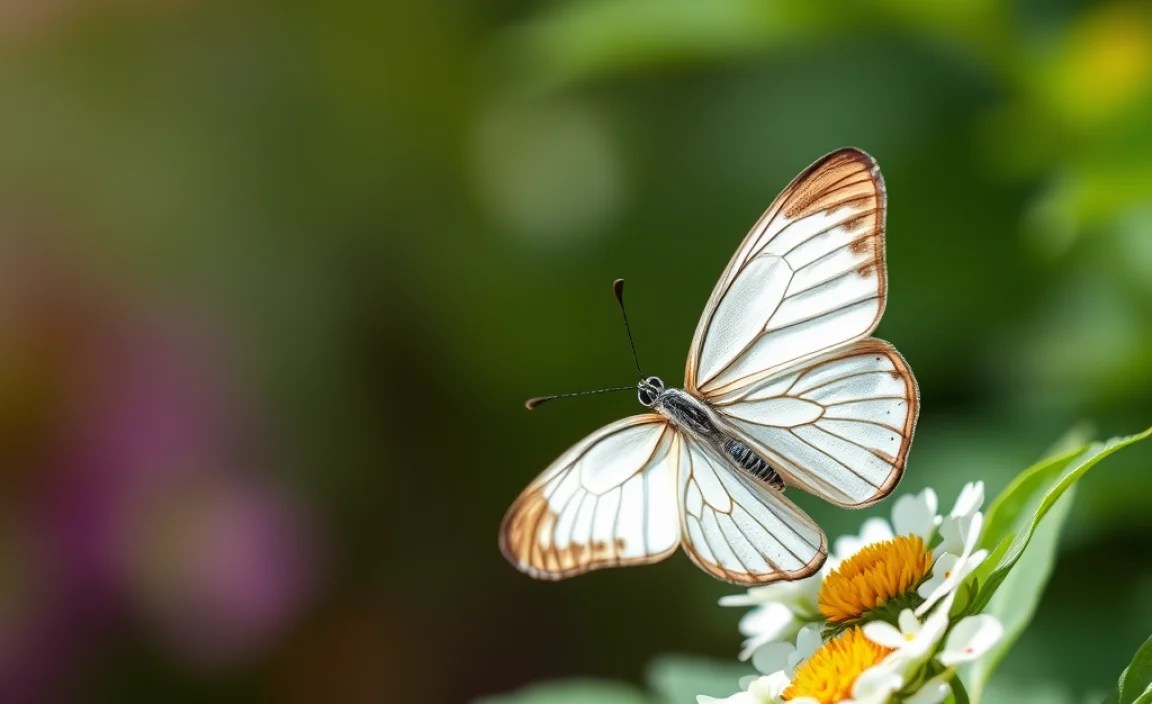
While it’s important to protect your vegetables, you can also create a butterfly-friendly garden that supports a variety of butterfly species. Here’s how:
- Plant Nectar-Rich Flowers: Include a variety of flowers that provide nectar for adult butterflies, such as:
- Buddleia (Butterfly Bush)
- Lavender
- Salvia
- Echinacea (Coneflower)
- Zinnia
- Phlox
- Provide Host Plants: If you’re willing, dedicate a small area of your garden to host plants for other butterfly species. For example, milkweed is a host plant for Monarch butterflies, and dill is a host plant for Swallowtail butterflies.
- Offer a Water Source: Butterflies need water, especially during hot weather. Provide a shallow dish of water with pebbles or marbles for them to land on.
- Avoid Pesticides: Pesticides can harm butterflies and other beneficial insects. Use organic gardening practices whenever possible.
Understanding the Impact of Large White Butterflies

Large White butterflies play a role in the ecosystem, even if they can be a nuisance in the garden. Here’s a balanced perspective:
Ecological Role
Butterflies are important pollinators. They visit flowers to drink nectar and, in the process, transfer pollen from one flower to another, helping plants reproduce. They also serve as a food source for birds and other animals.
Agricultural Impact
Caterpillars can cause significant damage to crops, especially cruciferous vegetables. Heavy infestations can lead to reduced yields and economic losses for farmers. According to a study by the University of Cambridge, the Large White butterfly is one of the most economically important pests of brassica crops in Europe. (cite: University of Cambridge, Department of Plant Sciences)
Balancing Act
Managing Large White butterflies in your garden is about finding a balance. You want to protect your plants without completely eliminating these creatures from your environment. By using preventative measures, manual removal, and biological control methods, you can minimize the damage they cause while still supporting a healthy ecosystem. The Xerces Society offers great resources on balancing pest control with invertebrate conservation: (https://xerces.org/)
Interesting Facts About Large White Butterflies
Here are some fascinating facts about Large White butterflies:
- Migration: Large White butterflies are known to migrate long distances, sometimes traveling hundreds of miles in search of food and breeding grounds.
- Color Vision: Butterflies have excellent color vision and can see colors that humans cannot, including ultraviolet light.
- Taste Receptors: Butterflies taste with their feet. They have taste receptors on their feet that allow them to identify suitable host plants for their caterpillars.
- Cultural Significance: In some cultures, white butterflies are symbols of good luck, transformation, and new beginnings.
Table: Comparing Control Methods for Large White Butterflies
| Control Method | Description | Pros | Cons |
|---|---|---|---|
| Netting | Covering plants with fine mesh netting. | Effective prevention, no chemicals. | Can be expensive, requires setup. |
| Manual Removal | Handpicking eggs and caterpillars. | Environmentally friendly, targets pests directly. | Time-consuming, only suitable for small infestations. |
| Bacillus thuringiensis (Bt) | Natural bacterium toxic to caterpillars. | Safe for humans and beneficial insects, effective. | Needs reapplication after rain, affects all caterpillars (not just Large White). |
| Companion Planting | Planting herbs to deter butterflies. | Natural, adds variety to the garden. | May not be as effective as other methods. |
| Insecticides | Chemical sprays to kill caterpillars. | Fast and effective for large infestations. | Can harm beneficial insects, potential environmental impact. |
Table: Host Plants and Nectar Sources for Large White Butterflies
| Category | Plant | Description |
|---|---|---|
| Host Plants | Cabbage | A common host plant, caterpillars feed on the leaves. |
| Host Plants | Broccoli | Another favorite, caterpillars can quickly defoliate plants. |
| Host Plants | Cauliflower | Similar to cabbage and broccoli, vulnerable to caterpillars. |
| Host Plants | Kale | A nutritious leafy green that caterpillars enjoy. |
| Host Plants | Brussels Sprouts | Caterpillars can damage the developing sprouts. |
| Nectar Sources | Buddleia (Butterfly Bush) | A popular nectar source, attracts many butterfly species. |
| Nectar Sources | Lavender | Provides nectar and attracts beneficial insects. |
| Nectar Sources | Zinnia | Brightly colored flowers that offer nectar. |
| Nectar Sources | Echinacea (Coneflower) | A hardy perennial with nectar-rich flowers. |
| Nectar Sources | Phlox | Fragrant flowers that attract butterflies. |
FAQ: Common Questions About Large White Butterflies
1. Are Large White butterflies harmful to humans?
No, Large White butterflies and their caterpillars are not harmful to humans. They do not bite or sting.
2. How can I tell the difference between a male and female Large White butterfly?
Female Large White butterflies have two black spots on each forewing, while males usually have no spots.
3. What do Large White caterpillars eat?
Large White caterpillars primarily eat the leaves of cruciferous plants like cabbage, broccoli, cauliflower, kale, and Brussels sprouts.
4. How long does the Large White butterfly life cycle last?
The life cycle of the Large White butterfly typically lasts about 4 to 6 weeks, depending on the temperature and other environmental conditions.
5. Is it possible to completely get rid of Large White butterflies from my garden?
It’s difficult to completely eliminate Large White butterflies, but with consistent effort and a combination of control methods, you can minimize their impact on your plants.
6. Are there any native predators of Large White caterpillars?
Yes, birds, parasitic wasps, and certain types of beetles prey on Large White caterpillars.
7. Can I relocate caterpillars instead of killing them?
While it’s possible to relocate caterpillars, it’s important to move them to a suitable host plant away from your vegetable garden to prevent them from causing damage elsewhere.
Conclusion
Large White butterflies are a common sight in gardens and fields, and while they can be a challenge for gardeners, understanding their life cycle and habits can help you manage their impact. By implementing preventative measures like netting and companion planting, regularly inspecting your plants, and using manual removal or biological control methods, you can protect your vegetables while still enjoying the beauty of these butterflies.
Remember, gardening is about balance. Creating a butterfly-friendly garden that includes nectar-rich flowers and host plants for other species can help support a healthy ecosystem and attract a variety of beautiful butterflies to your outdoor space. So, embrace the challenge, learn from nature, and enjoy the rewards of a thriving, balanced garden. Now you’re well-equipped to handle those Large White butterflies!