
Addressing Threats Butterflies: Ultimate Protection

Quick Summary: Protecting butterflies involves creating safe habitats by planting native plants, reducing pesticide use, providing water sources, and supporting conservation efforts. You can also help by educating others about the importance of butterflies and their role in our ecosystem.
Butterflies, with their vibrant colors and graceful flight, bring joy and beauty to our world. But these delicate creatures face numerous threats that put their populations at risk. Habitat loss, pesticide use, and climate change are just a few of the challenges they face. The good news is that there are many things we can do to help! By understanding the threats and taking action, we can create a world where butterflies thrive. Together, let’s explore practical steps to protect these amazing insects and ensure their survival for generations to come.
Frequently Asked Questions About Butterfly Conservation
What is the biggest threat to butterflies?
Habitat loss is the biggest threat. Butterflies need specific plants to feed on as caterpillars and nectar sources as adults. When these habitats are destroyed or fragmented, butterfly populations decline.
How do pesticides affect butterflies?
Pesticides, especially insecticides, can directly kill butterflies and other beneficial insects. Even if they don’t kill them outright, pesticides can weaken butterflies, making them more susceptible to disease and predators.
What can I plant to attract butterflies to my garden?
Plant native plants that serve as both host plants for caterpillars and nectar sources for adult butterflies. Some good choices include milkweed for Monarchs, dill and parsley for Swallowtails, and asters and coneflowers for a variety of butterflies.
How can I help butterflies in my community?
Get involved in local conservation efforts, educate others about the importance of butterflies, and support organizations that are working to protect butterfly habitats.
Do butterflies need water?
Yes, butterflies need water to stay hydrated. You can provide a shallow dish of water with pebbles or marbles for them to land on.
What role do butterflies play in the ecosystem?
Butterflies are important pollinators, helping to fertilize plants and ensure the production of fruits, vegetables, and seeds. They are also a food source for birds and other animals.
How does climate change affect butterflies?
Climate change can disrupt butterfly life cycles, alter their habitats, and increase the frequency of extreme weather events that can harm butterfly populations. It may also cause a mismatch between when butterflies emerge and when their host plants are available.
Understanding the Threats to Butterflies

Butterflies are more than just beautiful insects; they are vital components of our ecosystems. They serve as pollinators, helping to spread pollen from flower to flower, which is essential for plant reproduction. They are also an important food source for birds, bats, and other animals. Unfortunately, butterfly populations are declining worldwide due to a variety of threats.
Habitat Loss
One of the most significant threats to butterflies is habitat loss. As natural areas are converted into agricultural land, urban developments, and industrial sites, butterflies lose the places they need to live, feed, and reproduce.
- Deforestation: The clearing of forests removes critical habitat for many butterfly species.
- Urbanization: The expansion of cities and towns destroys butterfly habitats and fragments remaining areas.
- Agricultural Expansion: Converting grasslands and forests into farmland eliminates butterfly habitats and reduces the availability of host plants and nectar sources.
Pesticide Use
Pesticides, especially insecticides, are toxic to butterflies and other beneficial insects. They can kill butterflies directly or indirectly by contaminating their food sources.
- Direct Exposure: Butterflies can be killed if they come into direct contact with pesticides.
- Indirect Exposure: Pesticides can contaminate the nectar that butterflies feed on, poisoning them over time.
- Loss of Host Plants: Herbicides can kill the plants that butterfly caterpillars need to survive.
Climate Change
Climate change is altering butterfly habitats and disrupting their life cycles. Changes in temperature and precipitation patterns can affect the availability of host plants and nectar sources, as well as the timing of butterfly emergence and migration.
- Changes in Temperature: Rising temperatures can cause butterflies to emerge earlier in the spring, which can lead to a mismatch between when they emerge and when their host plants are available.
- Changes in Precipitation: Changes in rainfall patterns can lead to droughts or floods, which can damage butterfly habitats and reduce the availability of food sources.
- Extreme Weather Events: More frequent and intense storms, heat waves, and other extreme weather events can directly kill butterflies and damage their habitats.
Other Threats
In addition to habitat loss, pesticide use, and climate change, butterflies face a number of other threats, including:
- Invasive Species: Invasive plants can outcompete native plants that butterflies rely on for food and shelter.
- Disease: Butterflies can be susceptible to a variety of diseases, which can be exacerbated by stress and poor habitat conditions.
- Collection: Butterfly collecting can be a threat to rare and endangered species, especially when it is done unsustainably.
Step-by-Step Guide to Addressing Threats to Butterflies

Now that we understand the threats that butterflies face, let’s explore practical steps we can take to protect them. These actions, both big and small, can make a significant difference in helping butterfly populations thrive.
Step 1: Create Butterfly-Friendly Habitats
The best way to help butterflies is to create habitats where they can thrive. This means providing them with the food, shelter, and water they need to survive.
- Plant Native Host Plants: Host plants are the specific plants that butterfly caterpillars need to feed on. Research which butterfly species are native to your area and plant their host plants. For example, Monarch caterpillars feed exclusively on milkweed.
- Plant Nectar-Rich Flowers: Adult butterflies feed on nectar from flowers. Plant a variety of nectar-rich flowers that bloom throughout the growing season to provide a continuous food source. Good choices include asters, coneflowers, zinnias, and butterfly bushes.
- Provide Shelter: Butterflies need shelter from wind, rain, and predators. Plant trees, shrubs, and tall grasses to provide them with places to rest and hide.
- Offer a Water Source: Butterflies need water to stay hydrated. Provide a shallow dish of water with pebbles or marbles for them to land on.
Step 2: Reduce Pesticide Use
Pesticides are harmful to butterflies and other beneficial insects. Reduce your use of pesticides by:
- Using Natural Pest Control Methods: Instead of using pesticides, try natural pest control methods such as hand-picking pests, using insecticidal soap, or introducing beneficial insects.
- Avoiding Broad-Spectrum Pesticides: Broad-spectrum pesticides kill all insects, including beneficial ones. If you must use a pesticide, choose one that is targeted to the specific pest you are trying to control.
- Applying Pesticides Carefully: If you must use a pesticide, apply it carefully to avoid harming butterflies and other beneficial insects. Avoid spraying pesticides on flowers or other plants that butterflies are likely to visit.
Step 3: Support Conservation Efforts
Many organizations are working to protect butterflies and their habitats. Support their efforts by:
- Donating to Conservation Organizations: Donate to organizations that are working to protect butterfly habitats and conduct research on butterfly populations.
- Volunteering Your Time: Volunteer your time to help with habitat restoration projects, butterfly surveys, or educational programs.
- Advocating for Butterfly Conservation: Contact your elected officials and let them know that you support policies that protect butterflies and their habitats.
Step 4: Educate Others
One of the most important things you can do to help butterflies is to educate others about their importance and the threats they face. Share your knowledge with friends, family, and neighbors, and encourage them to take action to protect butterflies.
- Share Information on Social Media: Share articles, photos, and videos about butterflies on social media to raise awareness about their importance and the threats they face.
- Give Presentations: Give presentations to schools, community groups, or garden clubs about butterflies and how to protect them.
- Write Letters to the Editor: Write letters to the editor of your local newspaper or website to advocate for butterfly conservation.
Step 5: Garden Sustainably
Sustainable gardening practices can create healthier environments for butterflies and other wildlife.
- Reduce Lawn Size: Lawns offer little to no habitat for butterflies. Reduce your lawn size and replace it with native plants.
- Compost: Composting reduces waste and enriches your soil, creating a healthier environment for plants and butterflies.
- Conserve Water: Water is a precious resource. Conserve water by using drought-tolerant plants, watering deeply but infrequently, and using a rain barrel to collect rainwater.
Specific Actions You Can Take
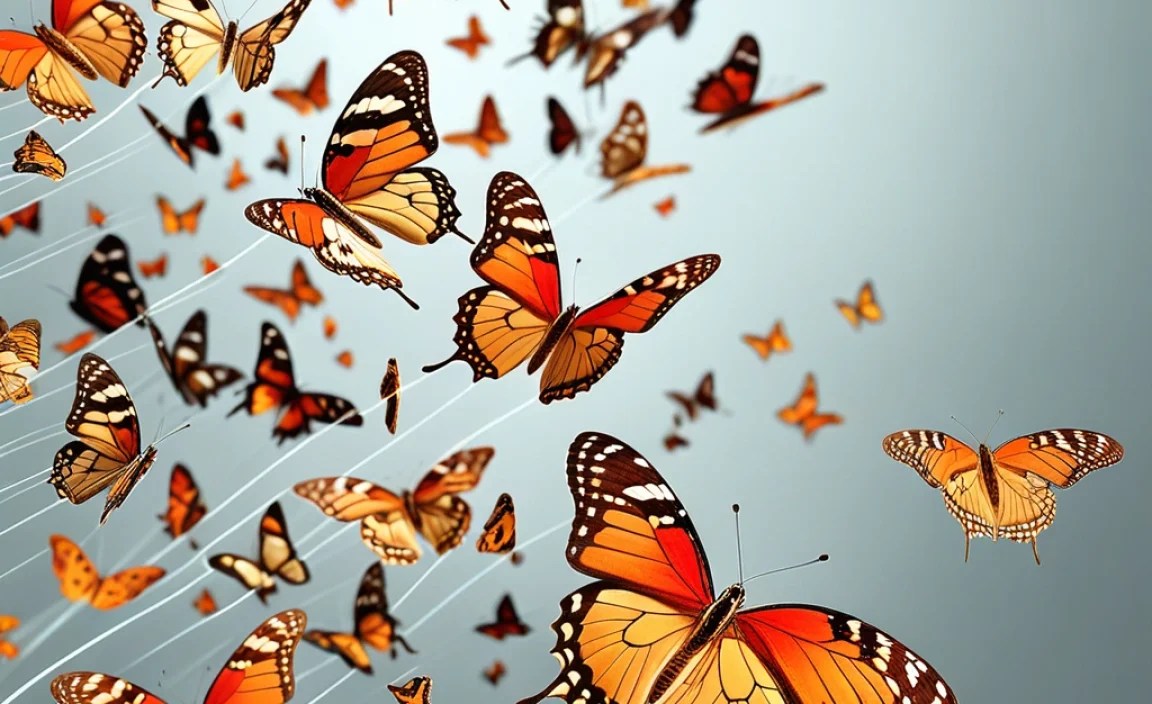
Let’s dive into more specific actions you can take to make a real difference for butterflies. These steps range from simple everyday choices to more involved conservation efforts.
Creating a Butterfly Garden
A butterfly garden is a garden specifically designed to attract butterflies. It provides them with the food, shelter, and water they need to survive.
- Choose a Sunny Location: Butterflies need sunlight to warm their bodies and fly. Choose a sunny location for your butterfly garden that receives at least six hours of sunlight per day.
- Provide a Variety of Nectar Sources: Plant a variety of nectar-rich flowers that bloom throughout the growing season to provide a continuous food source for adult butterflies.
- Include Host Plants: Plant host plants for butterfly caterpillars. Research which butterfly species are native to your area and plant their host plants.
- Provide Shelter: Plant trees, shrubs, and tall grasses to provide butterflies with shelter from wind, rain, and predators.
- Offer a Water Source: Provide a shallow dish of water with pebbles or marbles for butterflies to land on.
- Avoid Pesticides: Avoid using pesticides in your butterfly garden, as they can harm or kill butterflies and other beneficial insects.
Supporting Local Butterfly Conservation Initiatives
Many communities have local organizations or initiatives dedicated to butterfly conservation. Getting involved can amplify your impact.
- Join a Local Butterfly Club: Butterfly clubs offer opportunities to learn about butterflies, participate in butterfly counts, and volunteer for conservation projects.
- Participate in Citizen Science Projects: Citizen science projects allow you to contribute to scientific research by collecting data on butterfly populations.
- Support Local Nurseries: Support local nurseries that sell native plants, as they are more likely to be pesticide-free and provide the best food sources for butterflies.
Advocating for Policy Changes
Policy changes at the local, state, and national levels can have a significant impact on butterfly conservation.
- Contact Elected Officials: Contact your elected officials and let them know that you support policies that protect butterflies and their habitats.
- Support Legislation: Support legislation that promotes butterfly conservation, such as bills that protect butterfly habitats or regulate pesticide use.
- Vote for Candidates: Vote for candidates who support environmental protection and butterfly conservation.
Reducing Your Carbon Footprint
Climate change is a major threat to butterflies. Reduce your carbon footprint by:
- Conserving Energy: Conserve energy by turning off lights when you leave a room, using energy-efficient appliances, and insulating your home.
- Reducing Your Use of Fossil Fuels: Reduce your use of fossil fuels by walking, biking, or taking public transportation instead of driving, and by choosing energy-efficient vehicles.
- Eating Locally and Seasonally: Eating locally and seasonally reduces the carbon emissions associated with transporting food.
Specific Butterfly Species and Their Needs
Different butterfly species have different needs. Understanding the specific needs of the butterflies in your area can help you tailor your conservation efforts.
Monarch Butterfly (Danaus plexippus)
Monarch butterflies are famous for their long-distance migrations. They are threatened by habitat loss, pesticide use, and climate change.
- Host Plant: Milkweed (Asclepias spp.)
- Nectar Sources: Asters, goldenrod, zinnias
- Conservation Actions: Plant milkweed, reduce pesticide use, support Monarch conservation organizations.
Swallowtail Butterflies (Papilio spp.)
Swallowtail butterflies are large and colorful butterflies that are found throughout the world. They are threatened by habitat loss and pesticide use.
| Species | Host Plants | Nectar Sources |
|---|---|---|
| Eastern Black Swallowtail (Papilio polyxenes) | Dill, parsley, fennel, carrot | Milkweed, clover, thistles |
| Tiger Swallowtail (Papilio glaucus) | Wild cherry, tulip tree, willow | Milkweed, honeysuckle, azalea |
Painted Lady Butterfly (Vanessa cardui)
Painted Lady butterflies are migratory butterflies that are found throughout the world. They are threatened by habitat loss and pesticide use.
- Host Plants: Thistles, mallows, nettles
- Nectar Sources: Asters, zinnias, butterfly bush
- Conservation Actions: Plant host plants, reduce pesticide use.
Tools and Resources for Butterfly Conservation
There are many tools and resources available to help you learn more about butterflies and take action to protect them.
Books
- “Butterflies of North America” by Jim P. Brock and Kenn Kaufman: A comprehensive guide to identifying butterflies in North America.
- “Attracting Native Pollinators” by The Xerces Society: A guide to creating pollinator-friendly habitats.
Websites
- The Xerces Society (xerces.org): A non-profit organization that works to protect invertebrates and their habitats.
- The North American Butterfly Association (naba.org): A non-profit organization that promotes butterfly conservation and education.
- U.S. Fish and Wildlife Service (fws.gov): Provides information on endangered and threatened butterfly species.
Apps
- iNaturalist: An app that allows you to identify plants and animals, including butterflies, and share your observations with other naturalists.
- Seek by iNaturalist: An app designed for younger audiences to learn about nature through photo identification challenges.
Engaging the Community in Butterfly Conservation
Butterfly conservation isn’t just a solitary endeavor; it thrives on community involvement. By engaging with others, we can amplify our efforts and create a broader impact.
Organizing Butterfly Walks and Talks
Sharing your passion for butterflies with others is a great way to inspire conservation.
- Lead Butterfly Walks: Organize guided walks in local parks or nature reserves, pointing out different butterfly species and their host plants.
- Give Presentations: Offer talks to schools, garden clubs, or community groups about the importance of butterflies and how to protect them.
- Host Workshops: Conduct workshops on creating butterfly gardens or building butterfly houses.
Participating in Citizen Science Projects
Citizen science projects allow you to contribute valuable data to butterfly research and monitoring efforts. The data collected helps scientists understand butterfly populations, distribution, and habitat use.
| Project Name | Description | How to Participate |
|---|---|---|
| Butterfly Monitoring Network | Volunteers monitor butterfly populations in designated areas. | Contact your local butterfly club or conservation organization. |
| Journey North | Tracks Monarch butterfly migrations. | Report Monarch sightings on the Journey North website. |
| eButterfly | Share your butterfly sightings and photos. | Download the eButterfly app or visit the eButterfly website. |
Creating Educational Materials
Developing educational materials can help spread awareness about butterfly conservation and inspire others to take action.
- Design Informational Brochures: Create brochures about the butterflies in your area and how to protect them.
- Develop Educational Posters: Design posters about butterfly life cycles, host plants, and nectar sources.
- Write Articles for Local Publications: Write articles for local newspapers, magazines, or websites about butterfly conservation.
Inspiring Stories of Butterfly Conservation
There are many inspiring stories of people who are making a difference for butterflies. These stories can motivate us to take action and show us that even small efforts can have a big impact.
The Reintroduction of the Karner Blue Butterfly
The Karner Blue Butterfly is an endangered species that was once found throughout the northeastern United States. Due to habitat loss and fragmentation, its populations declined dramatically. Conservation efforts, including habitat restoration and reintroduction programs, have helped to bring this butterfly back from the brink of extinction. The U.S. Fish and Wildlife Service and other organizations have worked together to restore oak savanna habitats, which are essential for the Karner Blue Butterfly’s survival. These efforts have involved planting wild lupine, the host plant for Karner Blue caterpillars, and conducting controlled burns to maintain open savanna conditions.
The Monarch Butterfly Sanctuary Foundation
The Monarch Butterfly Sanctuary Foundation is a non-profit organization that works to protect the Monarch butterfly’s overwintering habitat in Mexico. The foundation has helped to establish and manage Monarch butterfly sanctuaries, which provide a safe haven for these butterflies during the winter months. They also work with local communities to promote sustainable forestry practices and reduce deforestation. The foundation’s efforts have helped to protect millions of Monarch butterflies and ensure the survival of this iconic species.
Community Butterfly Gardens
Community butterfly gardens are gardens that are created and maintained by local communities. These gardens provide habitat for butterflies and other pollinators, and they also serve as educational spaces for the community. Community butterfly gardens can be found in schools, parks, and other public spaces. They provide opportunities for people to learn about butterflies, connect with nature, and contribute to conservation efforts.
Conclusion
Addressing the threats to butterflies is a collective responsibility that requires effort from individuals, communities, and organizations. By understanding the challenges these delicate creatures face and taking proactive steps, we can create a world where butterflies thrive. Planting native plants, reducing pesticide use, supporting conservation efforts, and educating others are all vital actions that contribute to butterfly conservation.
As butterfly enthusiasts, we have the power to make a real difference. Let’s continue to learn, share our knowledge, and inspire others to join us in protecting these beautiful and essential insects. Together, we can ensure that future generations will have the opportunity to witness the magic of butterflies fluttering through our gardens and landscapes. By working together, we can create a brighter future for butterflies and the ecosystems they support.


