
Swallowtail Butterfly Species: The Ultimate Guide

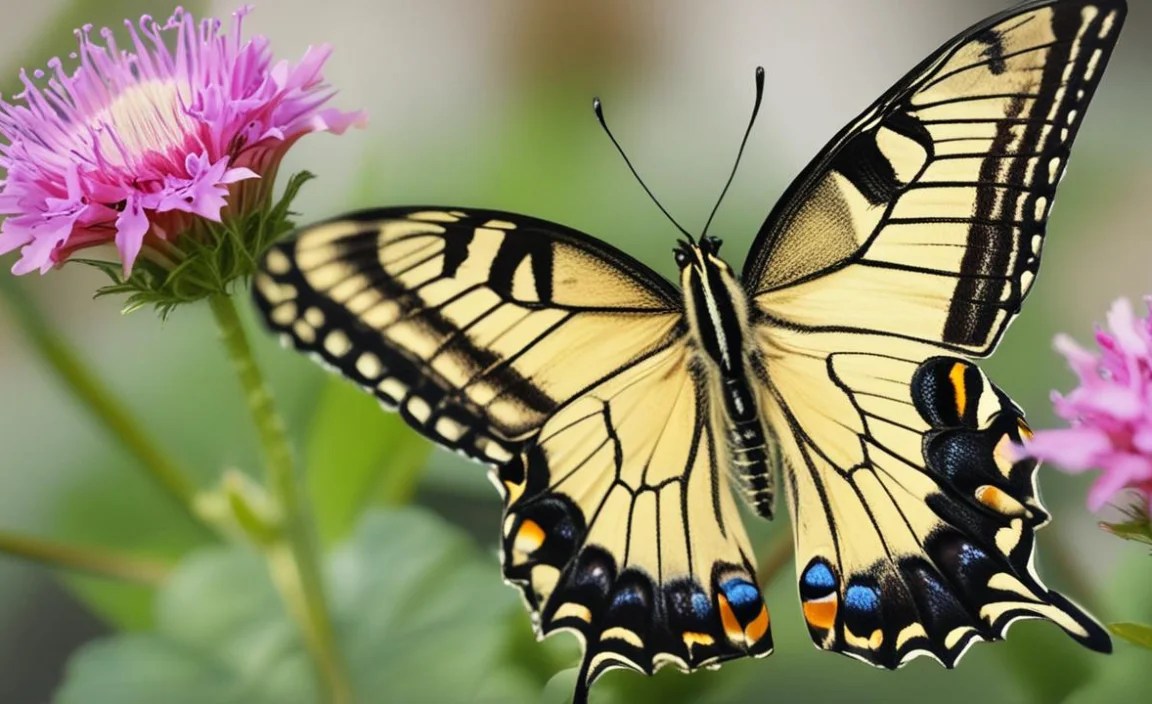
The {Swallowtail butterfly species} is a stunning butterfly known for its vibrant colors and graceful flight. To identify it, look for key features like its size (typically large), wing patterns (often black with yellow or blue markings), and the distinctive “tails” on its hindwings. These butterflies are commonly found in gardens, meadows, and woodlands, where they feed on nectar from various flowers and serve as important pollinators.
Have you ever been captivated by a flash of color in your garden, only to realize it was a magnificent butterfly? Identifying different butterfly species can seem daunting, but it’s a rewarding experience that deepens our connection with nature. One of the most striking butterflies you might encounter is the {Swallowtail butterfly species}.
Many people struggle with identifying butterflies accurately, often mistaking one species for another due to similar colors or patterns. But don’t worry! This guide will provide you with a simple, step-by-step approach to confidently identify the {Swallowtail butterfly species}, understand its unique characteristics, and even attract it to your garden. Let’s embark on this colorful journey together!
Identifying the {Swallowtail butterfly species}: A Step-by-Step Guide

Identifying a {Swallowtail butterfly species} involves observing several key characteristics. Here’s a breakdown to help you become a confident butterfly identifier:
1. Size and Wingspan
The {Swallowtail butterfly species} is generally a large butterfly. Here’s what to look for:
- Size: Typically, these butterflies have a wingspan ranging from 3 to 5 inches (7.6 to 12.7 cm), making them one of the larger butterfly species you’ll encounter.
- Comparison: Compared to smaller butterflies like the Monarch or Painted Lady, the {Swallowtail butterfly species} is noticeably larger.
2. Wing Color and Patterns
The wing patterns and colors are crucial for identifying the {Swallowtail butterfly species}.
- Dominant Colors: Most {Swallowtail butterfly species} display a combination of black, yellow, and sometimes blue or red markings.
- Distinctive Patterns: Look for specific patterns such as yellow bands, spots, or tiger-like stripes on the wings. The patterns can vary slightly depending on the specific subspecies or geographical location.
3. Tail Markings
One of the most distinctive features of {Swallowtail butterfly species} is the presence of “tails” on their hindwings.
- Tail Shape: The tails are typically long and slender, resembling the tails of swallow birds, hence the name “Swallowtail.”
- Coloration: The tails often have a colored spot at the end, which can be yellow, blue, or red, adding to their visual appeal.
4. Body Characteristics
Observe the body of the butterfly for additional clues.
- Body Color: The body of the {Swallowtail butterfly species} is usually black with yellow or white markings, complementing the wing patterns.
- Shape: The body is cylindrical and covered in fine scales, similar to other butterfly species.
5. Flight Pattern
The way a butterfly flies can also help in identification.
- Flight Style: {Swallowtail butterfly species} have a strong, graceful flight. They often glide between bursts of flapping, covering considerable distances.
- Activity: They are most active during warm, sunny days, typically seen flitting around gardens, meadows, and open woodlands.
6. Habitat and Location
Knowing where the butterfly is found can narrow down the possibilities.
- Geographical Range: {Swallowtail butterfly species} are found across North America, Europe, Asia, and Africa. Their specific range depends on the subspecies.
- Preferred Habitats: They prefer open habitats with plenty of nectar sources, such as gardens, parks, meadows, and forest edges.
7. Distinguishing the {Swallowtail butterfly species} from Similar Species
Several other butterfly species may resemble the {Swallowtail butterfly species}, so it’s important to know the key differences.
- Old World Swallowtail (Papilio machaon): This species is similar but has more prominent yellow markings and is found in Europe and Asia.
- Black Swallowtail (Papilio polyxenes): While also black, this species has a different pattern of yellow spots and is primarily found in North America.
- Tiger Swallowtail (Papilio glaucus): This species has bold black stripes on a yellow background and is common in North America.
Attracting {Swallowtail butterfly species} to Your Garden

Creating a butterfly-friendly garden is a wonderful way to support these beautiful creatures and enjoy their presence up close. Here’s how to make your garden irresistible to {Swallowtail butterfly species}:
1. Plant Host Plants
Host plants are essential as they provide food for the caterpillars of {Swallowtail butterfly species}.
- Specific Plants: Some popular host plants include dill, parsley, fennel, and rue. {Swallowtail butterfly species} caterpillars are particularly fond of these herbs.
- Benefits: Planting these host plants not only attracts the butterflies but also allows you to observe the entire lifecycle from egg to caterpillar to butterfly.
2. Provide Nectar Sources
Adult butterflies need nectar for energy, so planting nectar-rich flowers is crucial.
- Flower Choices: Choose flowers that are rich in nectar and have a long blooming period. Good options include zinnias, butterfly bushes (Buddleja), coneflowers (Echinacea), and milkweed.
- Color Preference: {Swallowtail butterfly species} are attracted to bright colors, especially yellow, orange, and purple flowers.
3. Create a Butterfly Feeding Station
Supplement natural nectar sources with a butterfly feeding station.
- DIY Feeders: You can create a simple butterfly feeder by soaking a sponge in a sugar-water solution (1 part sugar to 4 parts water) and placing it on a shallow dish or platform.
- Placement: Place the feeder in a sunny spot in your garden, preferably near nectar-rich flowers.
4. Offer a Water Source
Butterflies need water, but they can’t drink from deep puddles. Provide a shallow water source.
- Puddling Area: Create a “puddling area” by filling a shallow dish with water and adding some pebbles or marbles for the butterflies to land on.
- Location: Place the dish in a sunny spot in your garden and keep it filled with fresh water.
5. Provide Shelter
Butterflies need shelter from wind and predators.
- Shrubs and Trees: Plant shrubs and small trees to provide resting spots and protection.
- Rock Piles: A small rock pile can also offer shelter and create microclimates that butterflies will appreciate.
6. Avoid Pesticides
Pesticides can be harmful to butterflies and other beneficial insects.
- Organic Gardening: Practice organic gardening methods and avoid using chemical pesticides or herbicides.
- Natural Pest Control: Use natural pest control methods, such as introducing beneficial insects like ladybugs or using insecticidal soap.
7. Sunbathing Spots
Butterflies are cold-blooded and need to bask in the sun to warm up.
- Flat Stones: Place flat stones or pavers in sunny spots in your garden for butterflies to bask on.
- Dark Colors: Dark-colored stones absorb heat more efficiently, making them ideal for sunbathing.
The Life Cycle of a {Swallowtail butterfly species}

Understanding the life cycle of the {Swallowtail butterfly species} can deepen your appreciation for these insects and help you create a more supportive habitat.
1. Egg Stage
- Appearance: {Swallowtail butterfly species} eggs are small, round, and typically laid singly on the host plant.
- Location: The eggs are usually laid on the underside of leaves or on stems, providing protection from predators and the elements.
- Hatching: The eggs hatch in about 4 to 10 days, depending on the temperature and humidity.
2. Larva (Caterpillar) Stage
- Appearance: The caterpillar goes through several instars (growth stages), shedding its skin as it grows. Early instars may look different from later instars.
- Feeding: Caterpillars are voracious eaters and spend most of their time consuming the host plant’s leaves.
- Defense Mechanisms: {Swallowtail butterfly species} caterpillars have a unique defense mechanism called the osmeterium, a forked, fleshy organ that pops out from behind their head when threatened, emitting a foul odor to deter predators.
- Duration: The larval stage lasts for about 2 to 4 weeks.
3. Pupa (Chrysalis) Stage
- Appearance: The caterpillar transforms into a pupa, also known as a chrysalis. The chrysalis is typically green or brown, providing camouflage.
- Formation: The caterpillar attaches itself to a stem or leaf and sheds its skin one last time to reveal the chrysalis.
- Duration: The pupal stage lasts for about 10 to 14 days, depending on the species and environmental conditions.
4. Adult Butterfly Stage
- Emergence: The adult butterfly emerges from the chrysalis, its wings crumpled and wet.
- Wing Drying: The butterfly pumps hemolymph (insect blood) into its wings to expand them and then waits for them to dry and harden.
- Lifespan: Adult {Swallowtail butterfly species} typically live for about 2 weeks to a month, during which they focus on feeding and reproduction.
Ecological Importance of {Swallowtail butterfly species}

{Swallowtail butterfly species} play several important roles in the ecosystem. Understanding their ecological significance can inspire us to protect and conserve these beautiful insects.
1. Pollination
- Pollinators: {Swallowtail butterfly species} are important pollinators, transferring pollen from flower to flower as they feed on nectar.
- Plant Reproduction: This pollination is essential for the reproduction of many plant species, including some crops and wildflowers.
- Ecosystem Health: By supporting plant reproduction, {Swallowtail butterfly species} contribute to the overall health and biodiversity of ecosystems.
2. Food Source
- Prey: {Swallowtail butterfly species} in their various life stages (egg, larva, pupa, and adult) serve as a food source for other animals, such as birds, reptiles, and insects.
- Ecosystem Balance: This predator-prey relationship helps maintain balance within the ecosystem.
3. Indicator Species
- Environmental Health: Butterflies, including {Swallowtail butterfly species}, are often used as indicator species, meaning their presence or absence can indicate the health of the environment.
- Habitat Quality: A decline in {Swallowtail butterfly species} populations can signal habitat loss, pollution, or other environmental problems.
4. Aesthetic and Cultural Value
- Beauty: {Swallowtail butterfly species} are admired for their beauty and add to the aesthetic value of gardens, parks, and natural landscapes.
- Cultural Significance: In many cultures, butterflies symbolize transformation, hope, and new beginnings.
Conservation Status and Efforts
While many {Swallowtail butterfly species} are not currently endangered, their populations can be threatened by habitat loss, pesticide use, and climate change. Here’s what you need to know about their conservation status and what can be done to help.
1. Threats to {Swallowtail butterfly species} Populations
- Habitat Loss: The destruction and fragmentation of natural habitats due to urbanization, agriculture, and deforestation are major threats.
- Pesticide Use: The use of chemical pesticides can directly kill butterflies and caterpillars or contaminate their food sources.
- Climate Change: Changes in temperature and precipitation patterns can disrupt butterfly life cycles and alter the availability of host plants and nectar sources.
2. Conservation Efforts
- Habitat Preservation: Protecting and restoring natural habitats, such as meadows, woodlands, and wetlands, is crucial for {Swallowtail butterfly species} conservation.
- Sustainable Agriculture: Promoting sustainable agricultural practices that reduce pesticide use and conserve natural habitats can benefit butterflies and other wildlife.
- Butterfly Gardens: Creating butterfly gardens in urban and suburban areas provides habitat and food sources for {Swallowtail butterfly species}.
3. How You Can Help
- Plant Host and Nectar Plants: Plant host plants and nectar-rich flowers in your garden to provide food and shelter for {Swallowtail butterfly species}.
- Avoid Pesticides: Avoid using chemical pesticides in your garden and opt for natural pest control methods.
- Support Conservation Organizations: Support organizations that work to protect butterfly habitats and promote conservation.
- Educate Others: Share your knowledge about {Swallowtail butterfly species} and their importance with friends, family, and community members.
{Swallowtail butterfly species} in Culture and Symbolism
Butterflies have long held symbolic meanings in various cultures around the world. The {Swallowtail butterfly species}, with its striking appearance, is no exception.
1. Transformation and Rebirth
- Metamorphosis: The butterfly’s life cycle, from egg to caterpillar to pupa to adult, is a powerful symbol of transformation and rebirth.
- Personal Growth: In many cultures, the butterfly represents personal growth, change, and the ability to overcome challenges.
2. Beauty and Grace
- Aesthetic Appeal: The {Swallowtail butterfly species}’s vibrant colors and graceful flight make it a symbol of beauty and elegance.
- Art and Literature: Butterflies are often depicted in art, literature, and music as symbols of beauty and inspiration.
3. Hope and Joy
- Positive Symbol: Butterflies are often associated with hope, joy, and happiness.
- Spiritual Meaning: In some spiritual traditions, butterflies are seen as messengers of joy and good fortune.
4. Soul and Spirit
- Spiritual Connection: In some cultures, butterflies are believed to represent the human soul or spirit.
- Afterlife: They may also be seen as symbols of the afterlife or the journey of the soul after death.
{Swallowtail butterfly species} Species Table
There are many different types of {Swallowtail butterfly species}, this table provides an overview of some common species, including their identifying features, habitat, and host plants:
| Species Name | Identifying Features | Habitat | Host Plants |
|---|---|---|---|
| Eastern Tiger {Swallowtail butterfly species} (Papilio glaucus) | Yellow with black stripes; females can be yellow or black | Eastern North America | Wild cherry, tulip tree, sweetbay |
| Black {Swallowtail butterfly species} (Papilio polyxenes) | Black with yellow spots; blue iridescent hindwings in females | North America | Dill, parsley, fennel, carrot |
| Giant {Swallowtail butterfly species} (Papilio cresphontes) | Large size; brown with yellow markings | North America | Citrus, rue, prickly ash |
| Spicebush {Swallowtail butterfly species} (Papilio troilus) | Black with green or blue sheen; pale green spots | Eastern North America | Spicebush, sassafras |
| Pipevine {Swallowtail butterfly species} (Battus philenor) | Black with iridescent blue hindwings; red-orange spots | North America | Pipevine |
Frequently Asked Questions (FAQ)
1. What is the lifespan of a {Swallowtail butterfly species}?
The lifespan of an adult {Swallowtail butterfly species} is typically about 2 weeks to 1 month. They spend this time feeding on nectar and reproducing.
2. How can I tell the difference between male and female {Swallowtail butterfly species}?
In many {Swallowtail butterfly species}, males and females have different wing patterns. Females often have more iridescent colors or different markings compared to males. For example, female Black {Swallowtail butterfly species} have more blue on their hindwings than males.
3. What do {Swallowtail butterfly species} caterpillars eat?
{Swallowtail butterfly species} caterpillars eat the leaves of specific host plants. Common host plants include dill, parsley, fennel, rue, spicebush, and citrus, depending on the species of {Swallowtail butterfly species}.
4. Are {Swallowtail butterfly species} endangered?
While many {Swallowtail butterfly species} are not currently endangered, their populations can be threatened by habitat loss, pesticide use, and climate change. Conservation efforts are important to protect their habitats and ensure their survival.
5. How can I attract {Swallowtail butterfly species} to my garden?
To attract {Swallowtail butterfly species}, plant host plants for their caterpillars and nectar-rich flowers for the adults. Also, provide a water source and avoid using pesticides in your garden.
6. What is the osmeterium, and why is it important?
The osmeterium is a unique defense mechanism in {Swallowtail butterfly species} caterpillars. It’s a forked, fleshy organ that pops out from behind their head when threatened, emitting a foul odor to deter predators.
7. Where are {Swallowtail butterfly species} commonly found?
{Swallowtail butterfly species} are found across North America, Europe, Asia, and Africa. They prefer open habitats with plenty of nectar sources, such as gardens, parks, meadows, and forest edges.
Conclusion
Identifying the {Swallowtail butterfly species} is an enriching experience that connects you more deeply with the natural world. By understanding their key characteristics, life cycle, and ecological importance, you can appreciate these butterflies even more. Whether you’re a gardener, a nature enthusiast, or simply someone who loves beauty, taking the time to learn about {Swallowtail butterfly species} is a rewarding endeavor.
Creating a butterfly-friendly garden, supporting conservation efforts, and educating others about these magnificent creatures are all ways you can contribute to their survival. So, get outside, observe, and enjoy the beauty of the {Swallowtail butterfly species} in your own backyard and beyond. Happy butterflying!


