
Butterflies and Pollination: The Secret Power

Butterflies play a role in pollination, though they’re not as efficient as bees. As they flit from flower to flower in search of nectar, pollen sticks to their bodies and is transferred to other plants. This helps some plants reproduce, contributing to biodiversity and healthy ecosystems.
Have you ever watched a butterfly dancing among the flowers in your garden and wondered if it was helping the plants grow? Butterflies are beautiful and fascinating creatures, but their role in pollination is often misunderstood. It’s true that bees get most of the credit, but butterflies also contribute to this vital process. Understanding how butterflies pollinate can help you create a more butterfly-friendly garden and appreciate these insects even more. Let’s explore the enchanting world of butterflies and their role in pollination, from the flowers they love to the ways you can support them.
Do Butterflies Pollinate? Unveiling Their Role
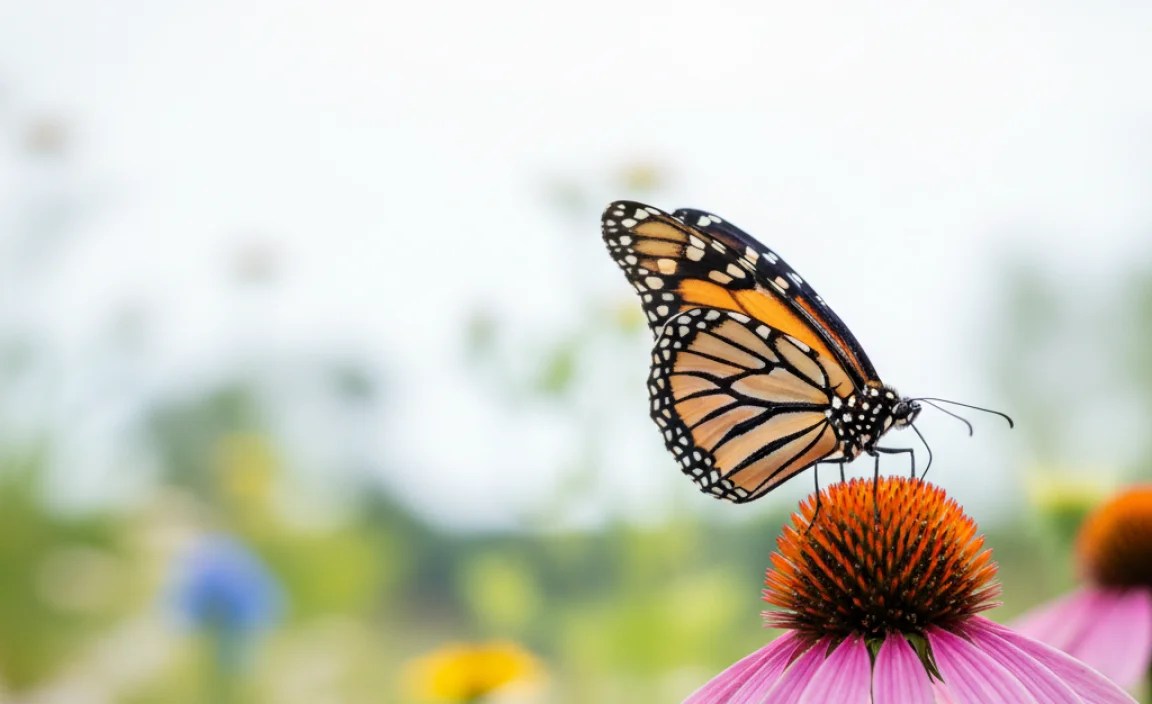
As a lifelong naturalist and butterfly enthusiast, I often get asked, “Do butterflies really pollinate?” The answer is yes, but it’s a bit more nuanced than you might think. While bees are the superstars of pollination, butterflies play a supporting role, especially for certain types of plants. Let’s dive deeper into how butterflies contribute to this essential ecological process.
The Mechanics of Butterfly Pollination
Butterflies are drawn to flowers primarily for nectar, a sugary liquid that fuels their flight. As a butterfly sips nectar from a flower, pollen grains can stick to its body, particularly to its legs and wings. When the butterfly visits another flower of the same species, some of this pollen is transferred, resulting in pollination.
However, butterflies aren’t as efficient as bees at pollination for a few reasons:
- Smooth Bodies: Butterflies have smooth bodies, unlike bees, which have hairy bodies that are perfect for collecting pollen.
- Nectar Sipping: Butterflies use a long, straw-like proboscis to drink nectar, which often allows them to avoid direct contact with the flower’s pollen-producing parts (anthers).
- Flight Patterns: Butterflies tend to fly longer distances between flowers than bees, which can reduce the amount of pollen they transfer to a single plant species.
Which Plants Benefit from Butterfly Pollination?
Butterflies are particularly important pollinators for certain types of flowers. These flowers often share specific characteristics that make them attractive to butterflies:
- Bright Colors: Butterflies are attracted to bright colors, especially red, orange, yellow, and purple.
- Flat-Topped or Clustered Blooms: Flowers with flat surfaces or clustered blooms provide a convenient landing platform for butterflies.
- Fragrant Scents: Many butterfly-pollinated flowers have sweet, fragrant scents that attract butterflies from a distance.
- Daytime Bloom: Since butterflies are diurnal, they pollinate flowers that are open during the day.
Some examples of plants that benefit from butterfly pollination include:
- Milkweed
- Butterfly Bush (Buddleja)
- Zinnia
- Coneflower (Echinacea)
- Phlox
These plants often rely on butterflies to some extent for pollination, contributing to their reproductive success and the overall health of the ecosystem.
Comparing Butterfly Pollination to Bee Pollination
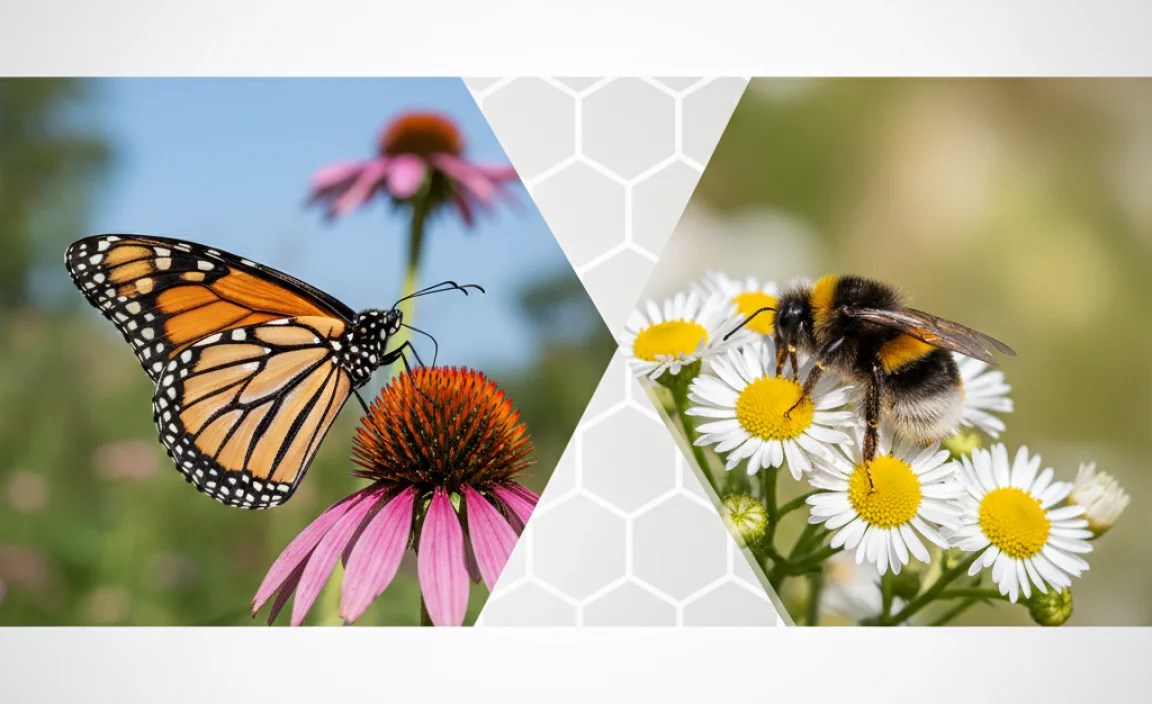
It’s essential to understand the differences between butterfly and bee pollination to appreciate each insect’s unique role in the ecosystem. Bees are generally considered more efficient pollinators, but butterflies have their own strengths. Let’s compare these two types of pollination across several key factors.
Efficiency and Effectiveness
Bees are highly efficient pollinators due to their specialized adaptations:
- Hairy Bodies: Bees have dense hairs on their bodies that electrostatically attract and hold pollen grains.
- Pollen Baskets: Many bee species have pollen baskets (corbiculae) on their legs, which they use to collect and transport large quantities of pollen.
- Flower Constancy: Bees often exhibit flower constancy, meaning they focus on visiting flowers of the same species during a foraging trip, which increases the chances of successful pollination.
Butterflies, on the other hand, are less efficient:
- Smooth Bodies: As mentioned earlier, butterflies lack the dense hairs and pollen baskets of bees.
- Less Flower Constancy: Butterflies may visit a wider variety of flowers during a foraging trip, which can reduce the chances of pollen being transferred to the correct species.
- Nectar Feeding: The butterfly’s proboscis minimizes contact with pollen.
However, butterflies can still be effective pollinators, especially for certain plant species with open, accessible flowers.
Ecological Roles
Both bees and butterflies play critical roles in maintaining healthy ecosystems:
Bees:
- Agricultural Importance: Bees are essential for pollinating many crops, including fruits, vegetables, and nuts.
- Ecosystem Stability: Bees support the reproduction of countless wild plant species, contributing to biodiversity and ecosystem stability.
Butterflies:
- Pollination of Specific Plants: Butterflies are important pollinators for certain native plants, such as milkweed, which is crucial for monarch butterfly survival.
- Aesthetic Value: Butterflies are beautiful and charismatic insects that can inspire people to care about nature and conservation.
- Food Source: Butterflies and their caterpillars serve as a food source for birds, reptiles, and other animals.
The table below summarizes the key differences between bee and butterfly pollination:
| Feature | Bees | Butterflies |
|---|---|---|
| Body Structure | Hairy bodies with pollen baskets | Smooth bodies without pollen baskets |
| Flower Constancy | High | Lower |
| Efficiency | High | Lower |
| Ecological Role | Pollination of diverse crops and wild plants | Pollination of specific native plants, aesthetic value |
How to Attract Butterflies to Your Garden for Pollination

If you want to encourage butterfly pollination in your garden, there are several steps you can take to create a butterfly-friendly habitat. By providing the right food sources, shelter, and other resources, you can attract these beautiful insects and support their important role in the ecosystem. These steps will not only boost pollination but also add beauty and life to your garden.
Planting Butterfly-Friendly Flowers
The most effective way to attract butterflies is to plant flowers that provide nectar and serve as host plants for their caterpillars.
- Nectar Plants: Choose a variety of nectar-rich flowers that bloom throughout the growing season. Some excellent options include:
- Butterfly Bush (Buddleja davidii)
- Zinnia
- Lantana
- Salvia
- Cosmos
- Bee Balm (Monarda)
- Host Plants: Provide host plants for butterfly caterpillars. These are plants that caterpillars eat and depend on for survival. Some popular host plants include:
- Milkweed (for monarch butterflies)
- Dill, fennel, and parsley (for swallowtail butterflies)
- Spicebush (for spicebush swallowtail butterflies)
- Violets (for fritillary butterflies)
- Plant in Clusters: Butterflies are more attracted to large groupings of flowers than to single plants. Plant flowers in clusters to create a more visually appealing and easily accessible nectar source.
- Choose a Variety of Colors: Butterflies are attracted to a range of colors, including red, orange, yellow, purple, and pink. Plant a mix of colors to appeal to different butterfly species.
Providing a Water Source
Butterflies need water to stay hydrated, but they can’t drink from open water sources like bird baths, as they risk drowning. Instead, provide a shallow water source with landing spots.
- Butterfly Puddler: Create a butterfly puddler by filling a shallow dish with sand or gravel and adding water. Make sure the sand or gravel is always moist, but not flooded.
- Damp Soil: Keep a patch of soil damp in your garden. Butterflies will land on the soil to sip water and absorb minerals.
- Misting: Mist your plants with water in the morning or evening to provide butterflies with droplets to drink.
Creating Shelter and Resting Spots
Butterflies need shelter from wind and rain, as well as places to rest and bask in the sun.
- Shrubs and Trees: Plant shrubs and trees to provide butterflies with shelter from the elements.
- Basking Rocks: Place flat rocks in sunny spots in your garden. Butterflies will use these rocks to warm their bodies in the sun.
- Tall Grasses: Leave some areas of your garden with tall grasses and wildflowers. These areas provide shelter for butterflies and other beneficial insects.
Avoiding Pesticides
Pesticides can be harmful to butterflies and other pollinators. Avoid using pesticides in your garden, or choose organic and butterfly-friendly alternatives.
- Hand-Picking: Remove pests by hand whenever possible.
- Insecticidal Soap: Use insecticidal soap to control aphids and other soft-bodied pests.
- Bacillus Thuringiensis (Bt): Use Bt to control caterpillars on plants you don’t want them eating. Be careful not to spray Bt on host plants for butterflies.
Additional Tips
- Provide Sunlight: Butterflies need sunlight to warm their bodies and fly. Make sure your garden has plenty of sunny spots.
- Reduce Wind: Butterflies have difficulty flying in strong winds. Create windbreaks with shrubs, trees, or fences.
- Observe and Learn: Pay attention to which flowers and plants attract the most butterflies in your garden. Use this information to guide your future planting decisions.
Butterfly Gardens: A Step-by-Step Guide
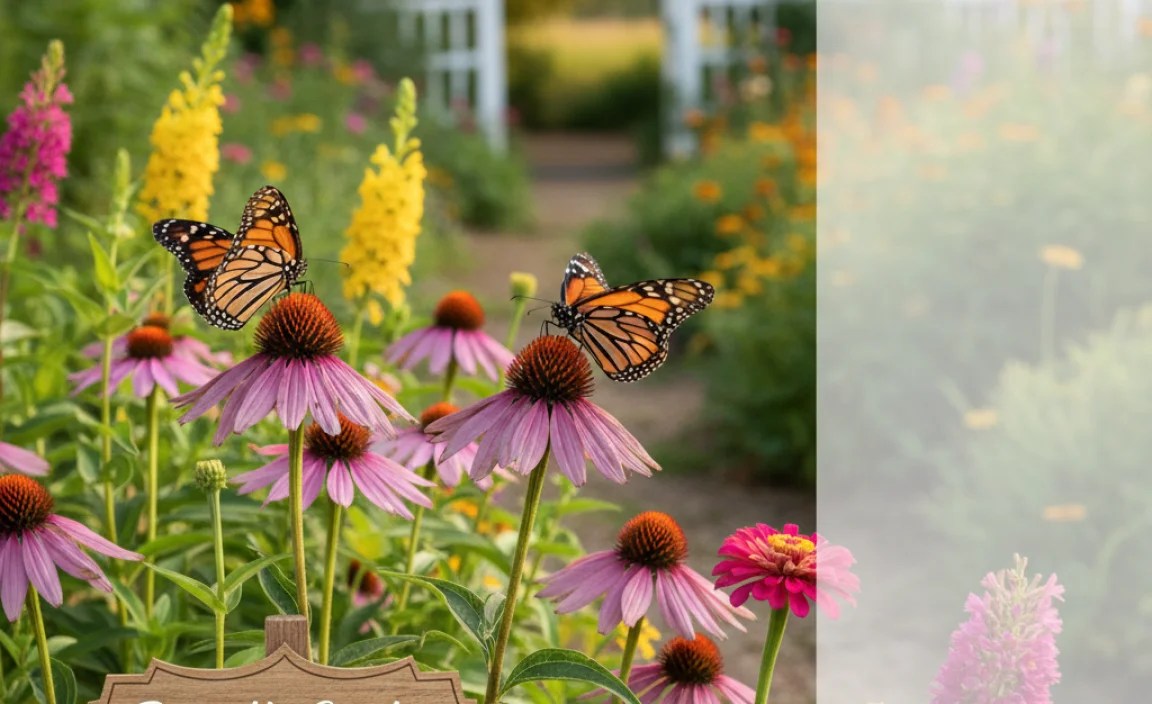
Creating a butterfly garden is a rewarding project that can benefit both butterflies and your own enjoyment of nature. Here’s a step-by-step guide to help you design and establish a thriving butterfly garden.
Step 1: Planning Your Garden
Before you start digging, take some time to plan your garden. Consider the following factors:
- Location: Choose a sunny spot that receives at least six hours of sunlight per day.
- Size: Determine the size of your garden based on your available space and resources. Even a small garden can attract butterflies.
- Soil: Test your soil to determine its pH and nutrient content. Amend the soil as needed to create a healthy growing environment for your plants.
- Design: Sketch out a design for your garden, including the placement of flowers, shrubs, and other features.
Step 2: Selecting Plants
Choose a variety of nectar plants and host plants that are appropriate for your climate and growing conditions. Consider the bloom times of different flowers to ensure a continuous supply of nectar throughout the growing season.
Here’s a sample list of plants for a butterfly garden:
| Plant Type | Plant Name | Butterfly Attracted |
|---|---|---|
| Nectar Plant | Butterfly Bush (Buddleja davidii) | Monarch, Swallowtail, Painted Lady |
| Nectar Plant | Zinnia | Monarch, Swallowtail |
| Nectar Plant | Lantana | Various butterflies |
| Host Plant | Milkweed | Monarch |
| Host Plant | Dill, Fennel, Parsley | Swallowtail |
Step 3: Preparing the Soil
Prepare the soil by removing any grass or weeds and loosening the soil with a garden fork or tiller. Amend the soil with compost or other organic matter to improve its fertility and drainage.
Step 4: Planting Your Garden
Plant your flowers and host plants according to their specific spacing requirements. Water the plants thoroughly after planting.
Step 5: Providing Water and Shelter
Add a butterfly puddler or other water source to your garden. Provide shelter by planting shrubs, trees, or tall grasses.
Step 6: Maintaining Your Garden
Water your plants regularly, especially during dry periods. Weed your garden as needed to prevent weeds from competing with your flowers. Avoid using pesticides, and monitor your plants for pests and diseases.
Step 7: Enjoying Your Butterfly Garden
Sit back, relax, and enjoy the beauty of your butterfly garden. Watch as butterflies flit from flower to flower, and take pride in knowing that you’re providing a valuable habitat for these important pollinators.
Frequently Asked Questions (FAQ)
Here are some frequently asked questions about butterflies and pollination:
1. Are butterflies important pollinators?
Yes, butterflies are important pollinators, though generally less efficient than bees. They are especially helpful for specific plants with bright, accessible flowers.
2. What colors do butterflies like?
Butterflies are attracted to bright colors, especially red, orange, yellow, purple, and pink. Planting a mix of these colors can attract a variety of butterfly species.
3. How can I attract more butterflies to my garden?
Plant nectar-rich flowers and host plants, provide a shallow water source, create shelter, and avoid using pesticides.
4. What is a butterfly puddler?
A butterfly puddler is a shallow dish filled with sand or gravel and water. Butterflies use it to drink water and absorb minerals from the damp soil.
5. Do all butterflies pollinate?
Most butterflies pollinate to some extent as they forage for nectar, but some species are more effective pollinators than others.
6. What is the difference between a nectar plant and a host plant?
Nectar plants provide food for adult butterflies, while host plants are food for butterfly caterpillars.
7. Why are bees considered better pollinators than butterflies?
Bees have hairy bodies and specialized structures for collecting and transporting pollen, making them more efficient at transferring pollen from flower to flower.
Conclusion
Butterflies, with their vibrant colors and graceful flight, are more than just beautiful garden visitors. They play a valuable, if sometimes understated, role in pollination, contributing to the health and diversity of our ecosystems. By understanding their pollination habits and creating butterfly-friendly habitats, we can support these fascinating creatures and enhance the beauty of our gardens.
Remember, every small action counts. Whether you’re planting a few butterfly-friendly flowers, providing a shallow water source, or simply avoiding the use of pesticides, you’re making a difference in the lives of butterflies and the health of our planet. So, get outside, explore the world of butterflies, and discover the joy of creating a garden that’s both beautiful and beneficial.


