Cydno Longwing Butterfly: Ultimate Guide

The Cydno longwing butterfly, also known as Heliconius cydno, is a beautiful butterfly known for its striking colors and intricate patterns. It’s native to Central and South America, particularly areas with lush forests. These butterflies are admired for their unique wing shapes and their importance in local ecosystems. Discover their life cycle, diet, and how to spot them in the wild!
Have you ever been captivated by a butterfly with wings that seem to tell a story? The Cydno longwing butterfly is one such creature, famous for its beauty and intriguing habits. Many people find butterfly identification challenging, especially with so many species fluttering around. But don’t worry!
This article will guide you through everything you need to know about the Cydno longwing butterfly. You’ll learn how to identify it, understand its life cycle, and even discover ways to attract it to your garden. Let’s dive into the fascinating world of Heliconius cydno!
What Makes the Cydno Longwing Butterfly Special?
The Cydno longwing butterfly stands out for several reasons, making it a favorite among butterfly enthusiasts and scientists alike.
Distinctive Appearance
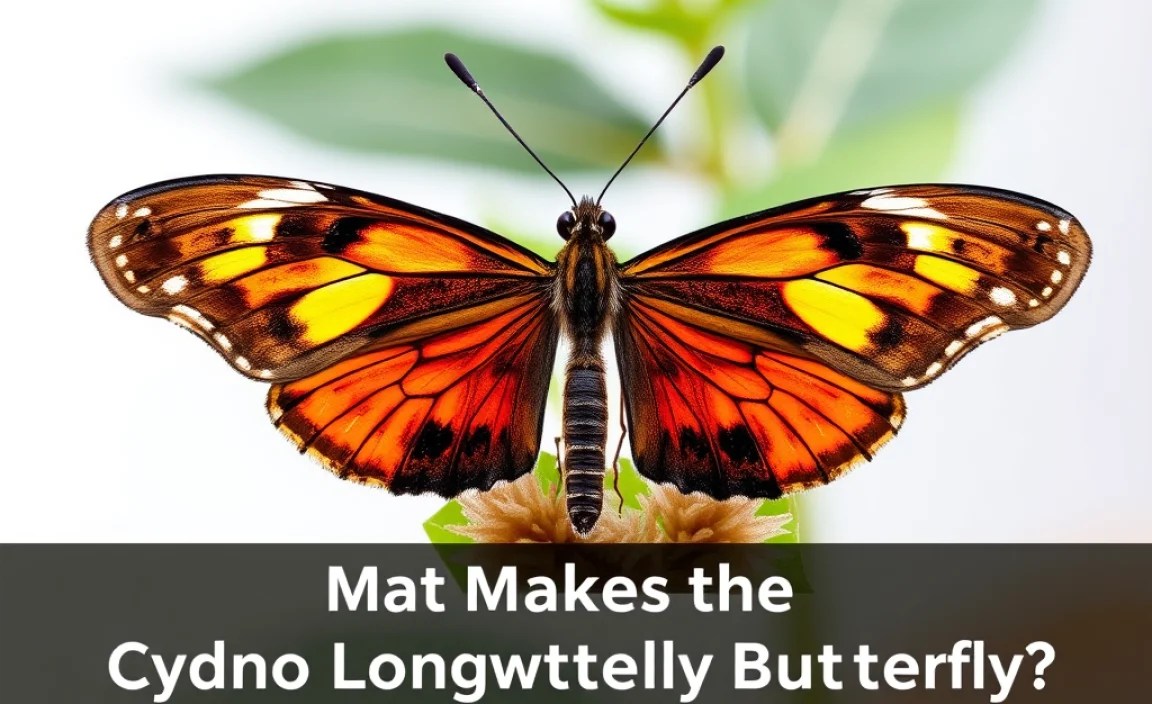
One of the most striking features of the Cydno longwing is its vibrant coloration and unique wing patterns. The wings are typically long and narrow, giving the butterfly an elegant, elongated appearance. The base color is usually black, adorned with vivid red, yellow, and white markings. These patterns vary among subspecies, adding to the butterfly’s allure.
Dietary Habits
Unlike many butterflies that feed primarily on nectar as adults, the Cydno longwing also consumes pollen. This unique dietary trait allows them to live much longer than other butterfly species. Pollen provides essential amino acids and nutrients, contributing to their longevity and reproductive success.
Long Lifespan
Thanks to their pollen-rich diet, Cydno longwings can live for several months, a remarkable feat compared to the average butterfly lifespan of just a few weeks. This extended lifespan allows them more opportunities to reproduce and contribute to their populations.
Aposematism
The bright colors of the Cydno longwing serve as a warning to potential predators. This is known as aposematism, where vibrant colors signal that the butterfly is toxic or unpalatable. Predators that have previously tried to eat a Cydno longwing are likely to avoid them in the future, ensuring the butterfly’s survival.
Identifying the Cydno Longwing Butterfly
Identifying butterflies can be tricky, but knowing the key characteristics of the Cydno longwing will make it easier to spot. Here are the main features to look for:
Wing Shape and Size
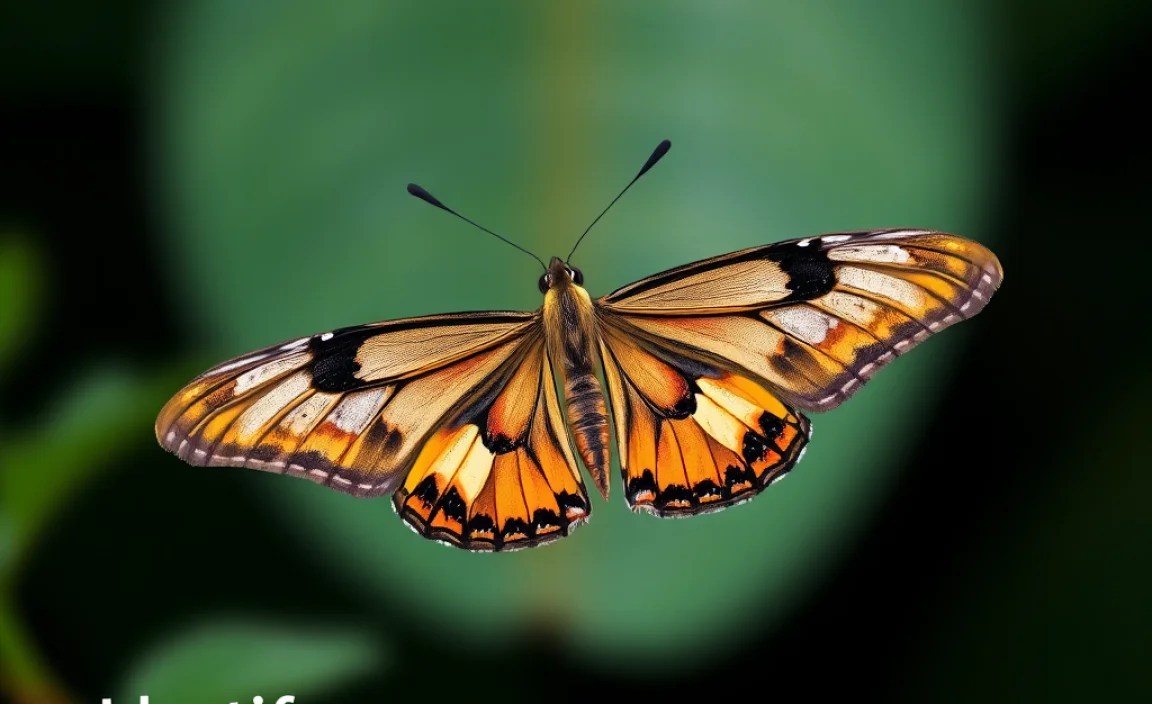
The Cydno longwing has elongated, narrow wings, which are quite distinctive. The wingspan typically ranges from 55 to 75 mm (approximately 2.2 to 3 inches). This unique shape helps distinguish it from other butterfly species with broader wings.
Color Patterns
The butterfly’s wings are predominantly black with striking patterns of red, yellow, and white. The specific arrangement and intensity of these colors can vary depending on the subspecies and geographic location. Some may have bold red stripes, while others might feature intricate yellow spots.
Distinguishing Features
Here’s a table summarizing the key identification features:
| Feature | Description |
|---|---|
| Wing Shape | Long and narrow |
| Wingspan | 55-75 mm (2.2-3 inches) |
| Base Color | Black |
| Markings | Red, yellow, and white patterns |
| Diet | Nectar and pollen |
Similar Species
The Cydno longwing can sometimes be confused with other Heliconius species. One similar species is the Heliconius melpomene. However, the specific patterns and intensity of colors can help differentiate them. Always pay close attention to the details of the wing patterns.
Habitat and Distribution

Understanding where the Cydno longwing lives can help you find it in the wild.
Geographical Range
The Cydno longwing butterfly is primarily found in Central and South America. Its range extends from Mexico down to Colombia and Venezuela. It thrives in tropical and subtropical environments.
Preferred Habitats
These butterflies prefer lush, forested areas where their host plants and nectar sources are abundant. They are often seen in rainforests, cloud forests, and along forest edges. They need a warm, humid environment to thrive.
Specific Locations
Some specific locations where you might spot the Cydno longwing include:
- Costa Rica: In the rainforests and cloud forests
- Panama: Particularly in areas with rich biodiversity
- Colombia: Throughout the Andean region
- Venezuela: In the forested regions
Life Cycle of the Cydno Longwing Butterfly

The life cycle of the Cydno longwing is a fascinating process, involving several distinct stages.
Egg Stage
The female Cydno longwing lays her eggs on or near the host plants that the caterpillars will feed on. These eggs are typically small and yellowish. The choice of host plant is crucial, as it will be the sole food source for the developing caterpillar.
Larval Stage (Caterpillar)
Once the egg hatches, the caterpillar emerges. The caterpillar stage is all about eating and growing. Cydno longwing caterpillars feed on plants from the passionflower family (Passifloraceae). They consume large quantities of leaves to fuel their growth. As they grow, they molt, shedding their skin several times.
Pupal Stage (Chrysalis)
After reaching full size, the caterpillar enters the pupal stage, forming a chrysalis. The chrysalis is usually green or brown, blending in with the surrounding foliage. Inside the chrysalis, a remarkable transformation occurs, as the caterpillar’s body reorganizes into the adult butterfly form. This process can take several weeks.
Adult Stage
Finally, the adult butterfly emerges from the chrysalis. The newly emerged butterfly’s wings are soft and crumpled. It pumps hemolymph (butterfly blood) into the veins of its wings to expand them. Once the wings are fully expanded and hardened, the butterfly is ready to fly and reproduce.
Diet and Feeding Habits

The Cydno longwing has unique dietary habits that contribute to its longevity and overall health.
Caterpillar Diet
Caterpillars feed exclusively on plants from the passionflower family (Passifloraceae). These plants contain compounds that make the caterpillars toxic to predators, providing them with a form of defense.
Adult Butterfly Diet
Adult Cydno longwings feed on both nectar and pollen. Nectar provides them with energy in the form of sugars, while pollen provides essential amino acids and proteins. This pollen consumption is a key factor in their long lifespan.
Nectar and Pollen Sources
Some of their favorite nectar sources include flowers from the families Asteraceae, Fabaceae, and Verbenaceae. They also actively seek out pollen from various flowering plants.
Attracting Cydno Longwing Butterflies to Your Garden
If you want to attract Cydno longwing butterflies to your garden, here are some steps you can take:
Plant Host Plants
Planting passionflower vines (Passiflora spp.) is essential. These are the host plants for the caterpillars, and the butterflies will be attracted to your garden to lay their eggs. Common passionflower varieties include Passiflora incarnata and Passiflora caerulea.
Provide Nectar Sources
Plant a variety of flowering plants that provide nectar. Choose plants with different bloom times to ensure a continuous food source throughout the butterfly season. Good choices include lantana, salvia, and butterfly bush (Buddleja).
Create a Butterfly-Friendly Environment
Avoid using pesticides in your garden, as these can harm or kill butterflies and caterpillars. Provide a water source, such as a shallow dish with pebbles, where butterflies can drink safely. Also, provide some shelter from wind and rain with shrubs and trees.
Specific Plant Recommendations
Here’s a list of plants to include in your garden to attract Cydno longwings:
- Passionflower (Passiflora spp.)
- Lantana
- Salvia
- Butterfly Bush (Buddleja)
- Zinnia
Conservation Status and Threats
Understanding the conservation status and threats to the Cydno longwing is crucial for protecting this beautiful butterfly.
Current Status
The Cydno longwing is not currently listed as endangered or threatened. However, like many butterfly species, it faces several threats that could impact its populations.
Threats to the Population
The main threats to Cydno longwing populations include:
- Habitat Loss: Deforestation and habitat destruction reduce the availability of host plants and nectar sources.
- Pesticide Use: Pesticides can directly harm or kill butterflies and caterpillars.
- Climate Change: Changes in temperature and rainfall patterns can disrupt butterfly life cycles and alter the availability of food sources.
Conservation Efforts
Several conservation efforts can help protect Cydno longwing butterflies:
- Habitat Preservation: Protecting and restoring natural habitats is crucial.
- Sustainable Agriculture: Promoting farming practices that minimize pesticide use.
- Education: Raising awareness about the importance of butterflies and their habitats.
Cultural Significance and Symbolism
Butterflies, including the Cydno longwing, often hold cultural significance and symbolism in various societies.
Symbolism in Different Cultures
In many cultures, butterflies are seen as symbols of transformation, rebirth, and hope. Their metamorphosis from caterpillar to butterfly is often associated with personal growth and spiritual awakening. In some cultures, butterflies are believed to carry the souls of the departed.
Artistic and Literary Representations
Butterflies have been a popular subject in art and literature for centuries. They are often depicted as symbols of beauty, freedom, and fragility. The vibrant colors and intricate patterns of butterflies make them a favorite subject for artists and photographers.
Observing Cydno Longwing Butterflies in the Wild
If you’re planning a trip to observe Cydno longwing butterflies in their natural habitat, here are some tips:
Best Times to Observe
The best time to observe Cydno longwings is during the warm, sunny months when they are most active. Look for them in the morning and early afternoon when they are feeding on nectar and basking in the sun.
Locations to Visit
Some great locations to observe Cydno longwings include:
- National Parks and Reserves: Many national parks and reserves in Central and South America offer excellent opportunities for butterfly watching.
- Botanical Gardens: Botanical gardens often have butterfly houses or gardens that attract a variety of butterfly species.
- Private Gardens: Gardens that are specifically designed to attract butterflies can be great places to observe Cydno longwings.
Tips for Ethical Observation
When observing butterflies, it’s important to do so ethically. Avoid disturbing their habitat, and never collect or handle butterflies without a permit. Use binoculars to get a closer look without getting too close. Respect their space and observe from a distance.
Frequently Asked Questions (FAQs)
What do Cydno longwing caterpillars eat?
Cydno longwing caterpillars exclusively feed on plants from the passionflower family (Passifloraceae). These plants provide them with the necessary nutrients for growth.
How long do Cydno longwing butterflies live?
Thanks to their pollen-rich diet, adult Cydno longwing butterflies can live for several months, which is longer than many other butterfly species.
Where can I find Cydno longwing butterflies?
Cydno longwing butterflies are primarily found in Central and South America, particularly in areas with lush forests, such as Costa Rica, Panama, Colombia, and Venezuela.
How can I attract Cydno longwing butterflies to my garden?
Plant passionflower vines (Passiflora spp.) for the caterpillars and nectar-rich flowers like lantana, salvia, and butterfly bush for the adults. Avoid using pesticides.
Are Cydno longwing butterflies poisonous?
Cydno longwing butterflies are not poisonous, but their caterpillars consume passionflower plants that contain compounds making them unpalatable to predators. The bright colors of the butterflies serve as a warning.
What is aposematism?
Aposematism is a defense mechanism where an animal, like the Cydno longwing butterfly, uses bright colors to signal to predators that it is toxic or unpalatable.
What is the wingspan of the Cydno longwing butterfly?
The wingspan of the Cydno longwing butterfly typically ranges from 55 to 75 mm (approximately 2.2 to 3 inches).
Conclusion
The Cydno longwing butterfly is a remarkable creature, with its striking appearance, unique dietary habits, and fascinating life cycle. By understanding its characteristics, habitat, and conservation needs, we can better appreciate and protect this beautiful butterfly. Whether you’re a seasoned butterfly enthusiast or just starting to explore the world of butterflies, the Cydno longwing offers a captivating glimpse into the wonders of nature. So, grab your binoculars, plant some passionflowers, and embark on your own butterfly adventure!