
Best Milkweed for Monarch Caterpillars: A Powerful Guide

Quick Summary:
The best milkweed for monarch caterpillars includes Common Milkweed, Swamp Milkweed, Butterfly Weed, and Showy Milkweed. These varieties are easy to grow, widely available, and provide the essential nutrients that monarch caterpillars need to thrive. Planting a mix of these milkweeds ensures a consistent food supply throughout the monarch breeding season.
Have you ever dreamed of watching a monarch butterfly emerge from its chrysalis in your own backyard? It’s an incredible experience! But to make it happen, you need to provide the right kind of food for monarch caterpillars: milkweed. With so many different types of milkweed, it can be tough to know where to start. Don’t worry, I’m here to help you choose the best milkweed to support these amazing creatures.
In this guide, I’ll walk you through the top milkweed varieties for monarch caterpillars, how to grow them, and tips for creating a thriving monarch habitat. Let’s get started and turn your garden into a monarch haven!
Why Milkweed Matters to Monarchs

Milkweed is the only plant that monarch caterpillars eat. Without it, they can’t survive. Monarch butterflies lay their eggs exclusively on milkweed plants, and once the eggs hatch, the caterpillars begin to munch away. The toxins in milkweed also protect the caterpillars (and later, the butterflies) from predators, making them taste bad to birds and other animals.
But not all milkweed is created equal. Some varieties are more nutritious, easier to grow, or better suited to certain climates. Choosing the right milkweed can make a big difference in the health and survival of monarch caterpillars.
Top Milkweed Varieties for Monarch Caterpillars

Here are some of the best milkweed varieties to consider for your monarch garden:
1. Common Milkweed (Asclepias syriaca)
Common Milkweed is a favorite among monarch caterpillars. It’s easy to grow, widely available, and provides plenty of food. Plus, it’s a native plant in many parts of North America, so it’s well-suited to local ecosystems.
- Pros: Highly attractive to monarchs, easy to grow, native to many regions.
- Cons: Can spread aggressively, so it may need some management.
- Growing Tips: Plant in full sun and well-drained soil. Be prepared to manage its spread.
2. Swamp Milkweed (Asclepias incarnata)
Swamp Milkweed, also known as Rose Milkweed, is another excellent choice. It prefers moist soil and can even tolerate wet conditions, making it perfect for rain gardens or areas with poor drainage. It also has beautiful pink flowers that attract butterflies and other pollinators.
- Pros: Beautiful flowers, attracts many pollinators, tolerates wet soil.
- Cons: Requires consistently moist soil.
- Growing Tips: Plant in full sun to partial shade and keep the soil consistently moist.
3. Butterfly Weed (Asclepias tuberosa)
Despite its name, Butterfly Weed is indeed a type of milkweed. It stands out with its bright orange flowers and drought tolerance. It’s a great choice for drier gardens and attracts a variety of butterflies, not just monarchs.
- Pros: Drought-tolerant, vibrant orange flowers, attracts a variety of butterflies.
- Cons: Can be slow to establish.
- Growing Tips: Plant in full sun and well-drained soil. Avoid overwatering.
4. Showy Milkweed (Asclepias speciosa)
Showy Milkweed is known for its large, fragrant flower clusters. It’s native to the western United States and is a great option if you live in that region. Monarchs love it, and its beautiful blooms add a touch of elegance to any garden.
- Pros: Large, fragrant flowers, native to the western U.S., highly attractive to monarchs.
- Cons: May not be suitable for all climates.
- Growing Tips: Plant in full sun and well-drained soil. Water regularly until established.
5. Tropical Milkweed (Asclepias curassavica)
Tropical Milkweed is popular for its long blooming season and vibrant red and yellow flowers. However, it can pose a risk to monarch populations if not managed carefully. In warmer climates, it doesn’t die back in the winter, which can lead to a buildup of a parasite called OE (Ophryocystis elektroscirrha) that can harm monarchs.
- Pros: Long blooming season, vibrant flowers, readily available.
- Cons: Can harbor parasites if not managed, not cold-hardy.
- Growing Tips: If you choose to plant Tropical Milkweed, cut it back to the ground in the fall to prevent the buildup of OE. Alternatively, consider planting native milkweed varieties instead.
Choosing the Right Milkweed for Your Region

When selecting milkweed for your garden, it’s important to consider your local climate and growing conditions. Native milkweed varieties are generally the best choice because they are well-adapted to the environment and provide the most benefit to local ecosystems. You can find a list of native milkweed species for your area on the Xerces Society website.
Here is a table to help you choose the right milkweed based on your region:
| Region | Recommended Milkweed Varieties |
|---|---|
| Northeast | Common Milkweed, Swamp Milkweed |
| Southeast | Swamp Milkweed, Butterfly Weed |
| Midwest | Common Milkweed, Showy Milkweed |
| Southwest | Showy Milkweed, Butterfly Weed |
| West Coast | Showy Milkweed, Narrowleaf Milkweed |
How to Grow Milkweed
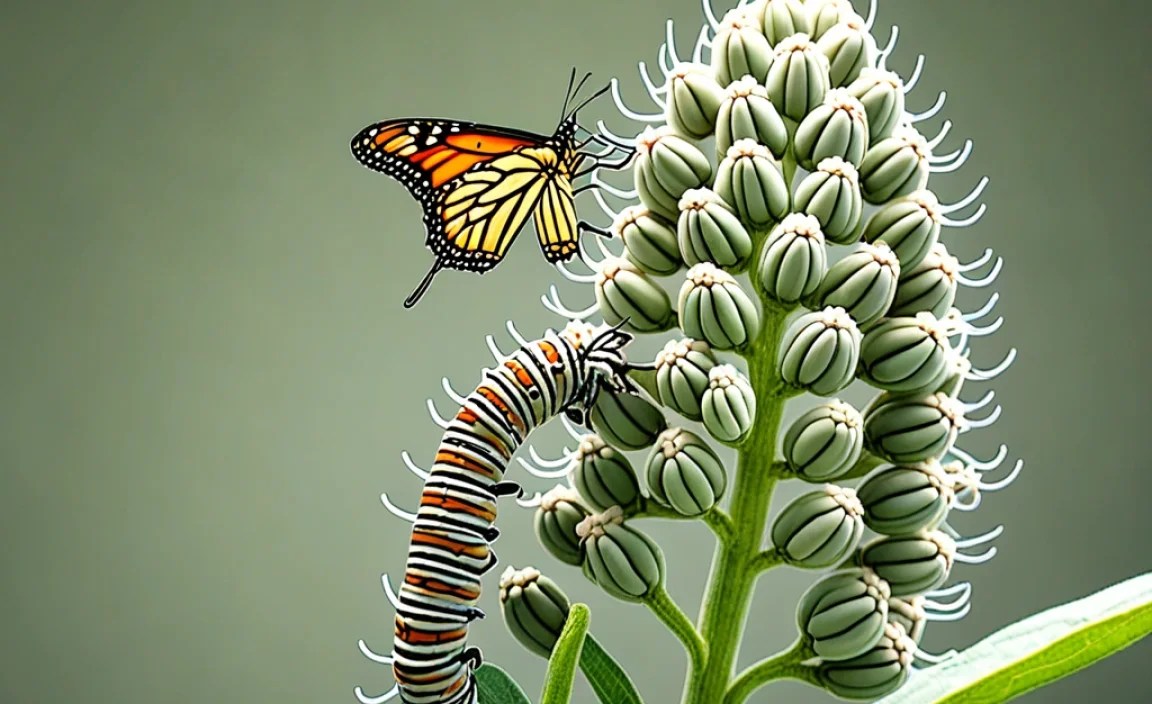
Growing milkweed is relatively easy, but here are some tips to help you get started:
1. Start with Seeds or Plants
You can start milkweed from seeds or purchase established plants from a local nursery. If starting from seeds, you may need to cold-stratify them by placing them in the refrigerator for a few weeks before planting. This helps break their dormancy and improves germination rates.
2. Choose the Right Location
Most milkweed varieties prefer full sun, but some can tolerate partial shade. Make sure the soil is well-drained, and amend it with compost or other organic matter to improve its fertility.
3. Plant at the Right Time
The best time to plant milkweed is in the spring or fall. This gives the plants time to establish before the heat of summer or the cold of winter.
4. Water Regularly
Water milkweed regularly, especially during dry periods. However, be careful not to overwater, as this can lead to root rot.
5. Control Pests and Diseases
Milkweed can be susceptible to pests like aphids and diseases like powdery mildew. Monitor your plants regularly and take action if you notice any problems. You can usually control aphids with a strong spray of water or by introducing beneficial insects like ladybugs. For powdery mildew, improve air circulation and apply a fungicide if necessary.
Creating a Monarch-Friendly Habitat
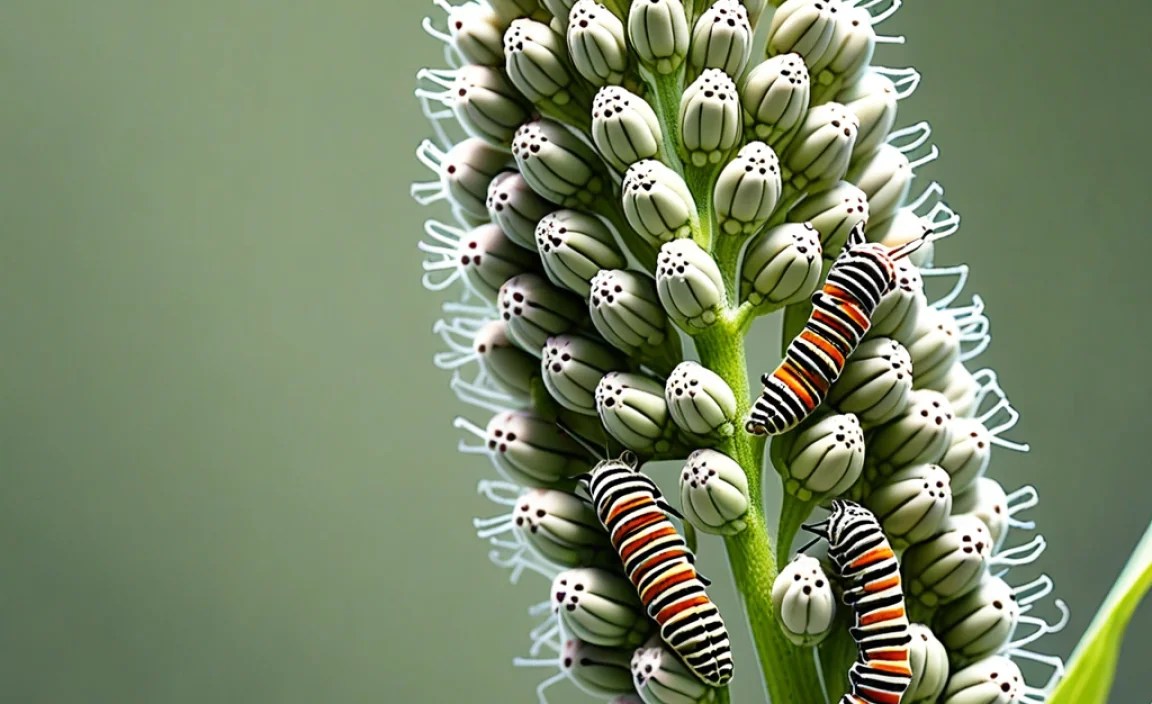
Planting milkweed is just the first step in creating a monarch-friendly habitat. Here are some other things you can do to support these amazing creatures:
1. Provide Nectar Sources
Monarch butterflies need nectar for energy, so plant a variety of nectar-rich flowers that bloom throughout the growing season. Some good choices include zinnias, coneflowers, and asters.
2. Avoid Pesticides
Pesticides can harm monarch caterpillars and butterflies, so avoid using them in your garden. If you must use pesticides, choose organic options and apply them carefully, avoiding milkweed and nectar plants.
3. Provide Shelter
Monarchs need shelter from wind and rain, so plant trees and shrubs in your garden. These will also provide habitat for other wildlife.
4. Create a Water Source
Butterflies need water to stay hydrated, so provide a shallow dish of water with pebbles or marbles for them to land on. Make sure to keep the dish clean and refill it regularly.
Dealing with Common Milkweed Problems
Even with the best care, you may encounter some problems when growing milkweed. Here are some common issues and how to address them:
1. Aphids
Aphids are small, soft-bodied insects that suck the sap from plants. They can cause milkweed leaves to turn yellow and distorted. To control aphids, try spraying them with a strong stream of water or introducing beneficial insects like ladybugs.
2. Milkweed Bugs
Milkweed bugs are orange and black insects that feed on milkweed seeds and leaves. They can be unsightly, but they usually don’t cause serious damage to the plants. You can handpick them off the plants or spray them with insecticidal soap.
3. Powdery Mildew
Powdery mildew is a fungal disease that causes a white, powdery coating on milkweed leaves. It’s most common in humid conditions. To prevent powdery mildew, improve air circulation around the plants and avoid overhead watering. If you see signs of powdery mildew, apply a fungicide.
4. Overcrowding
Milkweed can spread aggressively, especially Common Milkweed. If your milkweed plants are becoming overcrowded, thin them out by removing some of the plants. This will improve air circulation and reduce the risk of disease.
The Monarch Butterfly Life Cycle
Understanding the monarch butterfly life cycle can deepen your appreciation for these incredible creatures. Here’s a quick overview:
- Egg: Monarch butterflies lay their eggs on milkweed plants. The eggs are small and oval-shaped.
- Larva (Caterpillar): The eggs hatch into caterpillars, which feed exclusively on milkweed leaves. The caterpillars go through several molts as they grow.
- Pupa (Chrysalis): Once the caterpillar is fully grown, it forms a chrysalis. Inside the chrysalis, the caterpillar transforms into a butterfly.
- Adult Butterfly: After about two weeks, the chrysalis becomes transparent, and the adult butterfly emerges. The butterfly will then fly off to find nectar and reproduce.
The Importance of Monarch Conservation
Monarch butterflies are facing numerous threats, including habitat loss, pesticide use, and climate change. As a result, their populations have declined dramatically in recent years. By planting milkweed and creating monarch-friendly habitats, you can help support these amazing creatures and ensure their survival for future generations.
You can also support monarch conservation by:
- Reducing your use of pesticides
- Supporting organizations that work to protect monarch habitat, such as the National Wildlife Federation.
- Educating others about the importance of monarch conservation
Frequently Asked Questions (FAQ)
1. What is the best milkweed to plant for monarch caterpillars?
The best milkweed varieties include Common Milkweed, Swamp Milkweed, and Butterfly Weed. These are easy to grow and provide essential nutrients.
2. How much milkweed do I need to plant?
Planting at least six milkweed plants is ideal. This provides enough food for multiple caterpillars and increases the chances of monarch survival.
3. Where is the best place to plant milkweed?
Choose a sunny spot with well-drained soil. Milkweed thrives in full sun but can tolerate partial shade.
4. When is the best time to plant milkweed?
The best time to plant milkweed is in the spring or fall. This allows the plants to establish before extreme temperatures.
5. How can I protect my milkweed from pests?
Monitor your plants regularly and use organic pest control methods like spraying with water or introducing beneficial insects.
6. Is tropical milkweed safe for monarchs?
Tropical milkweed can be safe if managed properly. Cut it back in the fall to prevent the buildup of harmful parasites.
7. What other plants help monarch butterflies?
Nectar-rich flowers like zinnias, coneflowers, and asters provide essential energy for adult monarch butterflies.
Conclusion
Planting the best milkweed for monarch caterpillars is a simple yet powerful way to support these incredible creatures. By choosing the right varieties, providing a healthy habitat, and taking steps to protect them from threats, you can make a real difference in monarch conservation. So, grab your gardening gloves and get ready to transform your backyard into a monarch haven. Happy gardening!


