
Glasswing Biodiversity Hotspots: Discover Amazing Spots

Quick Summary: Glasswing butterflies, known for their transparent wings, thrive in specific biodiversity hotspots. These areas, mainly in Central and South America, offer the ideal combination of tropical forests, host plants for their larvae, and suitable climates. Key regions include Costa Rica, Panama, Ecuador, and parts of the Amazon rainforest. Protecting these habitats is crucial for the survival of glasswing butterflies and the many other species that share their ecosystems.
Have you ever been captivated by the delicate beauty of a butterfly, its wings seemingly made of glass? Glasswing butterflies are truly special creatures, and they depend on very specific environments to survive. It can be frustrating to learn that these beautiful insects are threatened by habitat loss. But don’t worry! Understanding where these butterflies live and what they need is the first step in helping them.
In this article, we’ll explore the fascinating world of glasswing butterflies and pinpoint the biodiversity hotspots where they flourish. We’ll uncover the secrets of their habitat preferences and discuss why these areas are so vital for their survival. Get ready to discover the amazing places where these transparent-winged wonders call home!
What Makes a Biodiversity Hotspot Ideal for Glasswing Butterflies?

Glasswing butterflies (Greta oto) are not found just anywhere. They require specific conditions to thrive. These conditions are typically found in biodiversity hotspots, areas with a high concentration of different species. Let’s look at what makes these hotspots perfect for glasswings:
- Tropical Rainforests: Glasswings prefer the warm, humid environment of tropical rainforests. These forests provide the consistent temperatures and high humidity levels necessary for their survival.
- Specific Host Plants: Glasswing caterpillars feed on specific host plants, primarily those in the genus Cestrum. The presence of these plants is crucial for the butterflies to reproduce.
- Shady Understory: Adult glasswings often prefer the shady understory of the forest. This protects them from direct sunlight and predators.
- Clean Water Sources: Like all living things, glasswings need access to clean water sources. These can include streams, rivers, and even water droplets on leaves.
- Undisturbed Habitats: Glasswings are sensitive to habitat destruction. Undisturbed forests are essential for their long-term survival.
Key Biodiversity Hotspots for Glasswing Butterflies

Now that we know what glasswings need, let’s explore some of the key biodiversity hotspots where they can be found. These areas offer the perfect combination of climate, host plants, and habitat.
Central America
Central America is a major stronghold for glasswing butterflies. The region’s lush rainforests and diverse plant life provide ideal conditions for these insects.
Costa Rica
Costa Rica is renowned for its biodiversity and conservation efforts. Its rainforests are home to a healthy population of glasswing butterflies. The country’s national parks and protected areas offer a safe haven for these delicate creatures.
- Monteverde Cloud Forest: This cloud forest is a prime location for spotting glasswings. Its high elevation and consistent moisture create a unique environment that supports a wide range of species.
- La Selva Biological Station: This research station is dedicated to studying tropical ecology. Its forests are home to glasswings and many other fascinating insects.
- Manuel Antonio National Park: While known for its beaches and monkeys, Manuel Antonio also has rainforest areas where glasswings can be found.
Panama
Panama’s rainforests are another important habitat for glasswing butterflies. The country’s strategic location between North and South America has resulted in a high level of biodiversity.
- Soberania National Park: Located near the Panama Canal, this park is a birdwatcher’s paradise, but it also offers excellent opportunities to see glasswing butterflies.
- Darien National Park: This remote and largely untouched park is one of the most biodiverse places on Earth. It is home to a variety of glasswing species.
- Barro Colorado Island: This island in Gatun Lake is a research site operated by the Smithsonian Tropical Research Institute. Its forests are teeming with insect life, including glasswings.
South America
South America, with its vast Amazon rainforest and Andean cloud forests, is another critical region for glasswing butterflies.
Ecuador
Ecuador is one of the most biodiverse countries in the world. Its varied landscapes, from the Amazon rainforest to the Andes Mountains, support a wide range of glasswing species.
- Yasuni National Park: This park in the Amazon rainforest is one of the most biodiverse places on Earth. It is home to countless species of insects, including glasswing butterflies.
- Mindo Cloud Forest: Located in the Andes Mountains, Mindo is a popular destination for birdwatchers and butterfly enthusiasts. Its cloud forests are home to a variety of glasswing species.
- Podocarpus National Park: This park in southern Ecuador protects a variety of ecosystems, from rainforests to paramo grasslands. It is home to several species of glasswing butterflies.
Amazon Rainforest (Brazil, Peru, Colombia)
The Amazon rainforest is the largest tropical rainforest in the world. It spans across several countries, including Brazil, Peru, and Colombia, and is home to an incredible diversity of life, including glasswing butterflies.
- Manaus, Brazil: This city is a gateway to the Amazon rainforest. From here, you can take tours into the jungle and see glasswing butterflies in their natural habitat.
- Iquitos, Peru: Another major city on the Amazon River, Iquitos is a great base for exploring the Peruvian Amazon.
- Leticia, Colombia: Located on the border with Brazil and Peru, Leticia is a small city surrounded by rainforest. It is a great place to experience the Amazon’s biodiversity.
Threats to Glasswing Butterfly Habitats

Unfortunately, the habitats of glasswing butterflies are under threat. Understanding these threats is crucial for developing effective conservation strategies.
- Deforestation: The clearing of forests for agriculture, logging, and development is the biggest threat to glasswing butterflies. Deforestation destroys their habitat and removes the host plants that their caterpillars need to survive.
- Climate Change: Changes in temperature and rainfall patterns can disrupt the delicate balance of tropical ecosystems. This can affect the availability of host plants and the survival of glasswing butterflies.
- Pesticide Use: Pesticides used in agriculture can harm glasswing butterflies and other beneficial insects. Even if the pesticides are not directly toxic to glasswings, they can kill the host plants that the caterpillars need.
- Habitat Fragmentation: When forests are broken up into smaller fragments, it can isolate populations of glasswing butterflies. This can lead to reduced genetic diversity and increased vulnerability to extinction.
- Illegal Wildlife Trade: Although not as common as for other species, there is some demand for glasswing butterflies in the illegal wildlife trade. This can put additional pressure on their populations.
Conservation Efforts to Protect Glasswing Butterflies

Fortunately, there are many dedicated individuals and organizations working to protect glasswing butterflies and their habitats. Here are some examples of conservation efforts:
- Protected Areas: Establishing and maintaining protected areas, such as national parks and reserves, is one of the most effective ways to conserve glasswing butterfly habitats. These areas provide a safe haven for glasswings and other species.
- Sustainable Agriculture: Promoting sustainable agricultural practices can reduce the impact of farming on glasswing butterfly habitats. This includes using fewer pesticides, preserving forest fragments, and planting native trees.
- Reforestation: Reforestation projects can help to restore degraded habitats and create new areas for glasswing butterflies to colonize.
- Community Involvement: Engaging local communities in conservation efforts is essential for long-term success. This can include providing education about the importance of glasswing butterflies and their habitats, as well as creating economic opportunities that are compatible with conservation.
- Research and Monitoring: Conducting research on glasswing butterfly populations and their habitats can help us to better understand their needs and develop effective conservation strategies. Monitoring populations over time can also help us to track the success of conservation efforts.
- Ecotourism: Promoting ecotourism can generate revenue for local communities while also raising awareness about the importance of conserving glasswing butterflies and their habitats.
How You Can Help Glasswing Butterflies

Even if you don’t live near a glasswing butterfly hotspot, there are still things you can do to help protect these amazing creatures.
- Support Conservation Organizations: Donate to or volunteer with organizations that are working to protect glasswing butterflies and their habitats.
- Reduce Your Carbon Footprint: Climate change is a major threat to glasswing butterflies. You can reduce your impact by conserving energy, using public transportation, and eating less meat.
- Buy Sustainable Products: Support companies that are committed to sustainable practices. This includes buying products made from sustainably harvested wood and avoiding products that contain palm oil from unsustainable sources.
- Educate Others: Share your knowledge about glasswing butterflies with your friends and family. The more people who care about these creatures, the more likely they are to be protected.
- Create a Butterfly Garden: Plant native flowers and host plants in your garden to attract butterflies. Even if you don’t live in a tropical area, you can still create a habitat that is beneficial to butterflies.
Glasswing Butterfly Habitats: A Quick Table

Here’s a summary of the key locations and their characteristics that make them suitable for glasswing butterflies:
| Region | Country | Key Habitats | Characteristics |
|---|---|---|---|
| Central America | Costa Rica | Monteverde Cloud Forest, La Selva Biological Station, Manuel Antonio National Park | High biodiversity, cloud forests, rainforests |
| Central America | Panama | Soberania National Park, Darien National Park, Barro Colorado Island | Rainforests, diverse ecosystems, research facilities |
| South America | Ecuador | Yasuni National Park, Mindo Cloud Forest, Podocarpus National Park | Amazon rainforest, Andean cloud forests, varied ecosystems |
| South America | Brazil, Peru, Colombia | Amazon Rainforest | Vast rainforest, high species diversity |
Comparing Habitat Features Across Regions
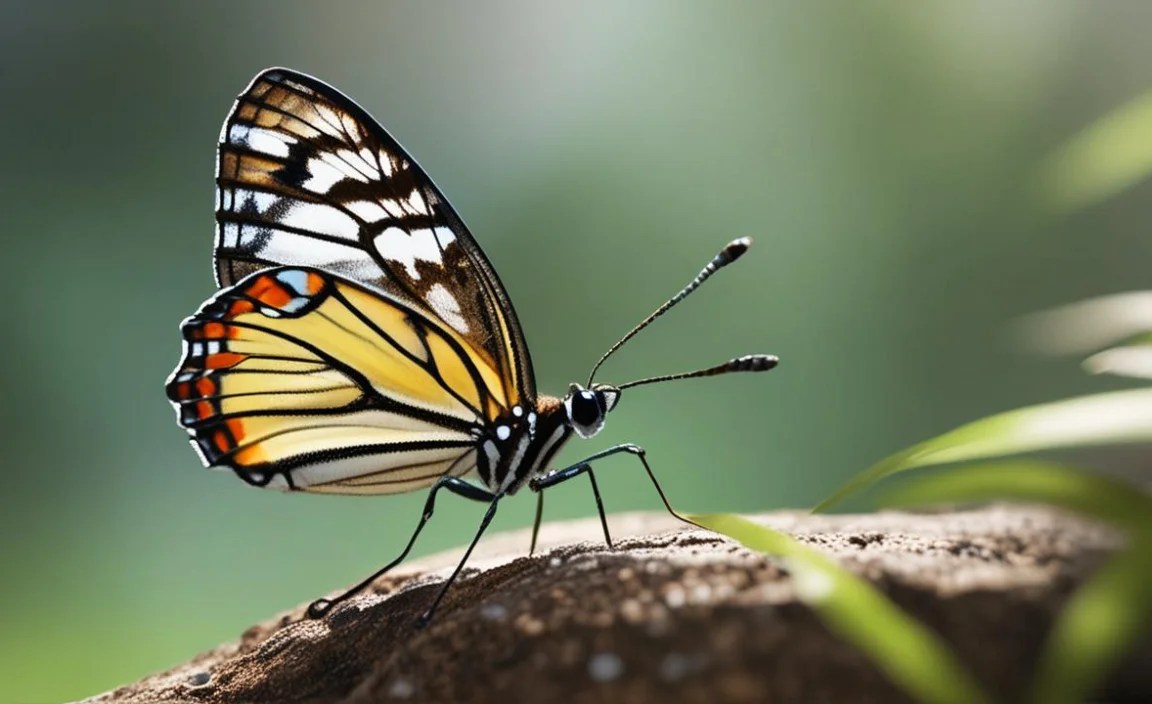
Different regions offer slightly varied conditions that still support glasswing butterfly populations. Let’s compare some of these features:
| Habitat Feature | Costa Rica | Ecuador | Amazon Rainforest |
|---|---|---|---|
| Elevation | Varies from sea level to high cloud forests | Ranges from low Amazonian basins to high Andean cloud forests | Primarily low elevation |
| Rainfall | High rainfall year-round | Very high rainfall, with distinct wet and dry seasons in some areas | Consistently high rainfall |
| Vegetation | Lush rainforests and cloud forests with diverse flora | Extremely diverse, including rainforests, cloud forests, and paramo | Dominated by dense tropical rainforest |
| Host Plant Availability | Abundant Cestrum species | Wide variety of Cestrum and other host plants | Rich in Cestrum and related species |
| Conservation Status | Well-established protected areas | Significant protected areas but facing deforestation pressures | Under significant threat from deforestation and development |
FAQ About Glasswing Butterfly Biodiversity Hotspots
Here are some frequently asked questions about glasswing butterfly biodiversity hotspots:
1. What exactly is a glasswing butterfly?
A glasswing butterfly (Greta oto) is a species of butterfly known for its transparent wings, which allow it to camouflage effectively in its environment.
2. Where do glasswing butterflies primarily live?
Glasswing butterflies mainly live in the tropical rainforests of Central and South America, including countries like Costa Rica, Panama, Ecuador, Brazil, Peru, and Colombia.
3. Why are tropical rainforests important for glasswing butterflies?
Tropical rainforests provide the warm, humid climate and specific host plants (like Cestrum species) that glasswing caterpillars need to survive and thrive.
4. What are the main threats to glasswing butterfly habitats?
The primary threats include deforestation, climate change, pesticide use, habitat fragmentation, and illegal wildlife trade, all of which destroy or degrade their natural environments.
5. How can I help protect glasswing butterflies even if I don’t live near their habitat?
You can support conservation organizations, reduce your carbon footprint, buy sustainable products, educate others about glasswing butterflies, and create butterfly-friendly habitats in your garden.
6. Are glasswing butterflies endangered?
While not currently listed as endangered, glasswing butterflies are vulnerable due to habitat loss and other threats. Conservation efforts are essential to ensure their long-term survival.
7. What role do national parks play in protecting glasswing butterflies?
National parks and protected areas provide safe havens for glasswing butterflies by preserving their habitats, regulating human activities, and promoting biodiversity conservation.
Conclusion
Glasswing butterflies are truly remarkable creatures, and their survival depends on the preservation of specific biodiversity hotspots. From the cloud forests of Costa Rica to the Amazon rainforest, these areas provide the essential resources that glasswings need to thrive. By understanding the threats to their habitats and supporting conservation efforts, we can all play a role in protecting these delicate and beautiful insects for generations to come. Let’s continue to explore, appreciate, and protect the natural world, ensuring that the magic of the glasswing butterfly continues to grace our planet.


