Taxonomic Butterfly Keys: Your Easy ID Guide

Quick Summary: Taxonomic butterfly keys are tools used to identify butterfly species. They work by presenting a series of paired statements (couplets) describing physical characteristics. By choosing the statement that best matches the butterfly you’re observing, you’re guided through the key until you arrive at the butterfly’s identification. Think of it as a “choose your own adventure” for butterfly identification!
Have you ever been mesmerized by a butterfly flitting through your garden, its wings a kaleidoscope of colors, and wondered, “What kind is that?” Identifying butterflies can feel overwhelming with so many different species. Don’t worry, you’re not alone! Many butterfly enthusiasts struggle with identification. The good news is that taxonomic butterfly keys can make this process much easier and more accurate. These keys are designed to help you identify butterflies step-by-step, even if you’re a complete beginner. Let’s explore how these fascinating tools work, and you’ll be naming butterflies like a pro in no time!
Understanding Taxonomic Butterfly Keys
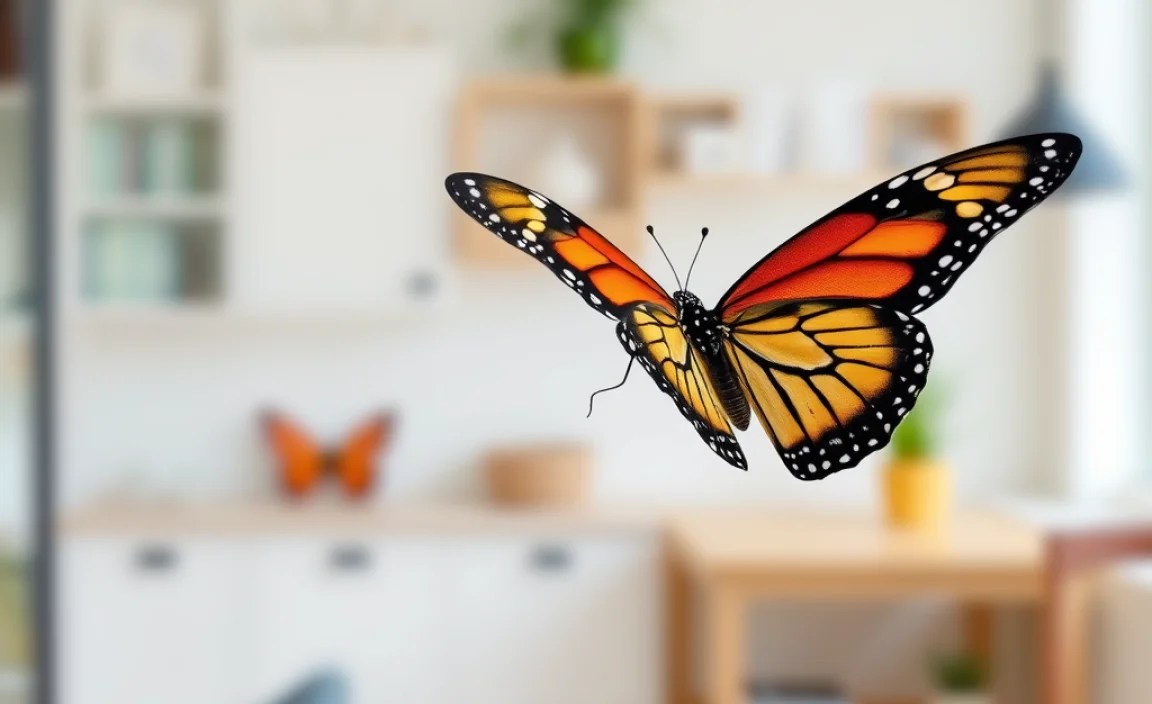
Taxonomic keys are essential tools in biology for identifying organisms, and butterflies are no exception. A taxonomic butterfly key is a structured series of choices based on observable characteristics that lead you to the correct identification of a butterfly species. These keys are based on the principles of taxonomy, the science of classifying and naming organisms. Using a key ensures a more scientific and accurate identification than simply comparing a butterfly to pictures in a field guide.
Why Use a Taxonomic Key?
While field guides with pictures are helpful, they can be limiting. Butterflies can vary in appearance due to factors like sex, age, and regional variations. A key focuses on specific, consistent characteristics, reducing the chance of misidentification. Here are a few more benefits:
- Accuracy: Keys rely on specific morphological features, leading to more precise identifications.
- Efficiency: They systematically narrow down possibilities, saving time compared to flipping through countless pictures.
- Learning: Using a key helps you learn about butterfly anatomy and the important characteristics that distinguish different species.
- Resolving Ambiguity: When similar-looking butterflies are present, keys provide the detail needed to differentiate them.
Key Terminology
Before diving into using a key, it’s helpful to understand some common terms:
- Couplet: A pair of contrasting statements (e.g., “Wingspan greater than 5 cm” vs. “Wingspan less than 5 cm”).
- Lead: Each statement within a couplet.
- Character: A specific feature used in the key (e.g., wing color, presence of tails).
- Morphology: The study of the form and structure of organisms. In butterfly identification, this refers to the observable physical characteristics.
How to Use a Taxonomic Butterfly Key: A Step-by-Step Guide

Using a taxonomic key might seem daunting at first, but it’s a straightforward process once you understand the steps. Here’s a detailed guide to help you through it:
Step 1: Gather Your Materials
Before you start, make sure you have everything you need:
- The Butterfly: Ideally, you’ll have a clear view of the butterfly. Photographs can be incredibly helpful, especially if you can’t capture the butterfly.
- A Taxonomic Key: Choose a key specific to your geographic region. Local field guides often include simplified keys. Online resources like BugGuide.net can also be helpful.
- Magnifying Glass: A magnifying glass will help you see small details, especially wing patterns and venation.
- Pencil and Paper: To jot down notes and track your progress through the key.
- Good Lighting: Natural light is best for observing colors and patterns accurately.
Step 2: Understand the Key’s Structure
Familiarize yourself with the layout of the key. Most keys present a series of numbered couplets. Each couplet offers two contrasting descriptions (leads). You’ll choose the lead that best matches the butterfly you’re observing.
Here’s an example of a couplet:
1a. Wings primarily orange…………………………….. Go to 2
1b. Wings not primarily orange……………………….. Go to 3
Step 3: Start at the Beginning
Always begin at the first couplet (usually numbered 1). Read both leads carefully. Compare the descriptions to the butterfly you’re trying to identify.
Step 4: Choose the Best Match
Select the lead that best describes your butterfly. Be as objective as possible. Don’t jump to conclusions based on what you *think* the butterfly should be. Focus on the specific characteristics mentioned in the key.
Step 5: Follow the Instructions
Each lead will either direct you to another couplet or provide the identification of the butterfly. If the lead tells you to “Go to X,” proceed to that couplet and repeat the process. If the lead provides an identification, double-check the description to ensure it matches your butterfly.
Step 6: Verify Your Identification
Once you’ve reached a tentative identification, it’s crucial to verify it. Compare your butterfly to pictures and descriptions in a field guide or online resource. Pay attention to details like size, habitat, and behavior. If anything seems off, go back through the key and re-evaluate your choices.
Step 7: Document Your Findings
Keep a record of the butterflies you identify. This can be a simple notebook or a more elaborate spreadsheet. Include the date, location, and any interesting observations. Documenting your findings helps you learn and contribute to citizen science efforts.
Example Walkthrough: Identifying a Fictional Butterfly

Let’s walk through a simplified example to illustrate how a taxonomic key works. Imagine we’ve found a butterfly in our garden, and we want to identify it using a hypothetical key.
Our Butterfly: It has a wingspan of about 6 cm. The wings are primarily brown with orange spots along the edges. It has a short tail on each hindwing.
Hypothetical Key:
1a. Wingspan greater than 8 cm…………………………….. Go to 10
1b. Wingspan less than 8 cm………………………………. Go to 2
2a. Wings primarily blue………………………………….. Go to 20
2b. Wings not primarily blue…………………………….. Go to 3
3a. Wings primarily white…………………………………. Go to 30
3b. Wings not primarily white……………………………. Go to 4
4a. Wings primarily orange…………………………….. Go to 40
4b. Wings not primarily orange……………………….. Go to 5
5a. Wings primarily brown……………………………… Go to 6
5b. Wings not primarily brown………………………… Go to 50
6a. Tail present on hindwing……………………………. Go to 7
6b. Tail absent on hindwing…………………………….. *Brown Elfin*
7a. Orange spots present along wing edges………………. *Hypothetical Spotted Browntail*
7b. Orange spots absent along wing edges……………….. *Hypothetical Plain Browntail*
Following the Key:
- We start at 1. Our butterfly’s wingspan is less than 8 cm, so we go to 2.
- The wings are not primarily blue, so we go to 3.
- The wings are not primarily white, so we go to 4.
- The wings are not primarily orange, so we go to 5.
- The wings are primarily brown, so we go to 6.
- A tail is present on the hindwing, so we go to 7.
- Orange spots are present along the wing edges, so we arrive at *Hypothetical Spotted Browntail*.
Therefore, based on this key, our butterfly is a *Hypothetical Spotted Browntail*.
Common Challenges and How to Overcome Them
Using taxonomic keys can sometimes be tricky. Here are some common challenges and tips for overcoming them:
- Variation within species: Butterflies can exhibit significant variation in color and pattern. Try to focus on the most consistent characteristics mentioned in the key. Consult multiple resources to see if the variation is within the range for that species.
- Damaged specimens: If a butterfly’s wings are damaged, it can be difficult to assess certain characteristics. Try to identify the butterfly based on the features that are still intact. Photographs of similar butterflies can help fill in the gaps.
- Unclear terminology: Some keys use technical terms that may be unfamiliar. Consult a glossary of entomological terms or search online for definitions.
- Subjective descriptions: Some descriptions can be subjective (e.g., “wings slightly rounded”). Try to be as objective as possible and compare your butterfly to multiple examples.
- Outdated keys: Taxonomy is constantly evolving. Make sure you’re using an up-to-date key. Check the publication date and consult with experts if you’re unsure.
Advanced Tips for Butterfly Identification
Once you’re comfortable with the basics of using taxonomic keys, here are some advanced tips to enhance your identification skills:
- Learn butterfly anatomy: Understanding the different parts of a butterfly’s body (e.g., wing veins, antennae, legs) will make it easier to use taxonomic keys.
- Study butterfly behavior: Observing a butterfly’s behavior (e.g., flight patterns, feeding habits, host plant preferences) can provide valuable clues to its identity.
- Create a butterfly collection: Building a reference collection of identified butterflies can be a valuable learning tool. Be sure to follow ethical collecting practices and obtain any necessary permits. (Note: collecting butterflies may be restricted or prohibited in some areas. Always check local regulations.)
- Join a butterfly club or society: Connecting with other butterfly enthusiasts is a great way to learn and share your knowledge.
- Use online resources: Websites like BugGuide.net, Butterflies and Moths of North America (BAMONA), and iNaturalist offer a wealth of information and identification tools.
Butterfly Anatomy Basics
Knowing the basic anatomy of a butterfly is essential for using taxonomic keys effectively. Here’s a quick overview:
| Anatomical Feature | Description | Importance in Identification |
|---|---|---|
| Wings | Butterflies have two pairs of wings: forewings and hindwings. | Wing shape, color patterns, and the presence or absence of tails are crucial identification characteristics. |
| Wing Veins | The network of veins that support the wings. | The arrangement of wing veins can be used to distinguish between different butterfly families and genera. |
| Antennae | Long, slender appendages on the head used for sensing the environment. | Antennae shape (e.g., clubbed, hooked) can be a distinguishing feature. |
| Thorax | The middle section of the body, where the wings and legs are attached. | Thorax color and markings can be used for identification. |
| Abdomen | The hindmost section of the body, containing the digestive and reproductive organs. | Abdomen color and markings can sometimes be helpful in identification. |
| Legs | Butterflies have six legs, but some species have reduced or modified forelegs. | Leg structure can be a diagnostic feature in some cases. |
Butterfly Wing Patterns
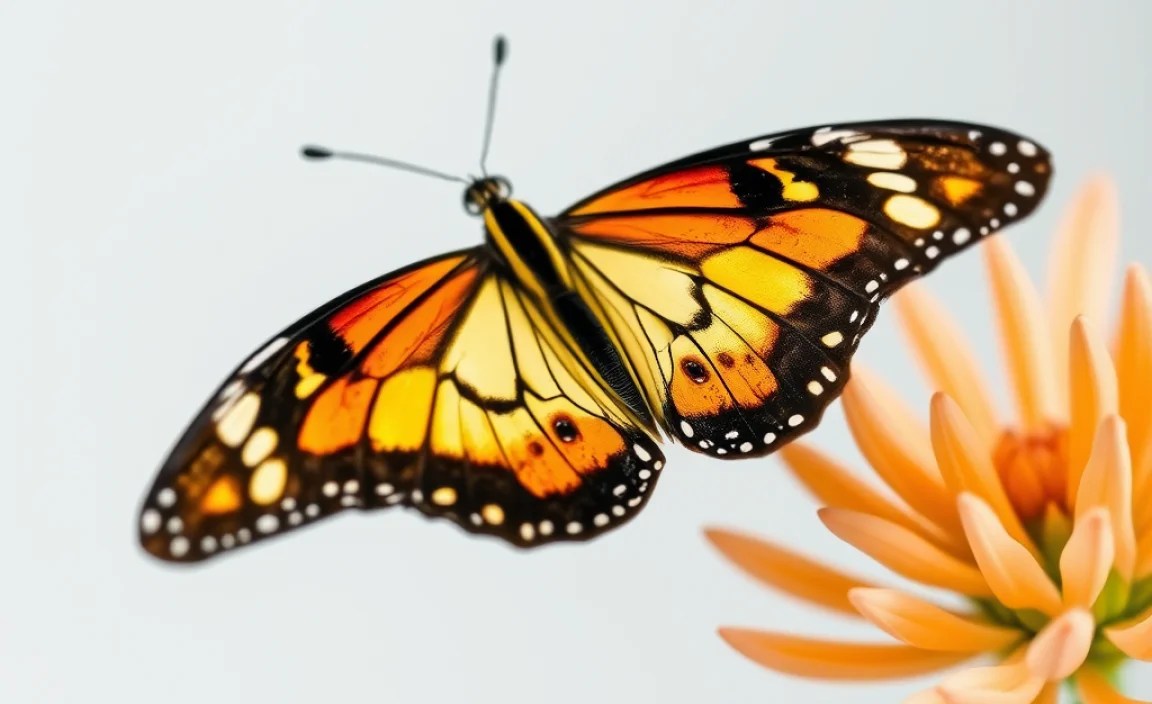
Butterfly wing patterns are incredibly diverse and play a key role in identification. Here are some common wing pattern elements to look for:
- Spots: Round markings of a different color than the background.
- Bands: Broad stripes running across the wing.
- Lines: Thin stripes running across the wing.
- Eyespots: Circular markings that resemble eyes, often used to deter predators.
- Marginal markings: Patterns along the edge of the wing.
- Basal markings: Patterns near the base of the wing.
The Importance of Location and Habitat
Knowing the geographic location and habitat where you found the butterfly can significantly narrow down the possibilities. Different butterfly species are found in different regions and habitats. For example, some butterflies are only found in specific types of forests, while others are restricted to grasslands or wetlands. Consult range maps and habitat guides to see which species are likely to occur in your area.
The Xerces Society is an excellent resource for learning about butterfly conservation and habitat requirements.
Ethical Considerations
When studying butterflies, it’s essential to be mindful of their well-being and the environment. Here are some ethical guidelines to follow:
- Avoid disturbing butterflies: Observe butterflies from a distance and avoid handling them unless necessary.
- Protect butterfly habitats: Support conservation efforts to protect butterfly habitats from destruction and degradation.
- Don’t collect excessively: If you collect butterflies, do so responsibly and only take what you need for research or education. Obtain any necessary permits and follow ethical collecting practices.
- Share your knowledge: Educate others about butterflies and the importance of their conservation.
FAQ: Butterfly Identification
What is the best way to start identifying butterflies?
Start by getting a good field guide specific to your region. Observe the butterfly’s size, color patterns, and any unique markings. Note the location and habitat where you found it. Then, use a taxonomic key to narrow down the possibilities.
Are butterfly identification apps reliable?
Butterfly identification apps can be helpful, but they’re not always accurate. They should be used as a starting point, not a definitive answer. Always verify the identification with a field guide or other reliable resource.
What if I can’t get a clear view of the butterfly?
Try to take a photograph, even if it’s not perfect. Focus on capturing the wing patterns and any distinctive features. If you can’t get a photo, make detailed notes of what you see, including size, color, and markings.
How do I tell the difference between male and female butterflies?
In some species, males and females have different color patterns or markings. Field guides often provide information on sexual dimorphism. Look for differences in wing shape, size, or the presence of scent scales (androconia) on the male’s wings.
What do I do if I’m stuck on a particular couplet in the key?
If you’re unsure which lead to choose, try to find additional resources that describe the characteristics in more detail. Consult with other butterfly enthusiasts or experts for guidance. Sometimes, it helps to come back to the key later with fresh eyes.
Where can I find taxonomic keys for butterflies?
Taxonomic keys can be found in field guides, scientific publications, and online resources like BugGuide.net and university entomology websites. Search for keys specific to your geographic region.
How can I contribute to butterfly conservation?
You can contribute to butterfly conservation by planting butterfly-friendly gardens, supporting conservation organizations, participating in citizen science projects, and educating others about the importance of butterflies.
Conclusion
Taxonomic butterfly keys are powerful tools that can unlock the secrets of butterfly identification. While they may seem intimidating at first, with a little practice and patience, you’ll be able to confidently identify the butterflies you encounter in your garden, local park, or wilderness area. Remember to gather your materials, understand the key’s structure, and carefully observe the butterfly’s characteristics. Don’t be afraid to ask for help from experts or online communities. By using taxonomic keys, you’ll not only expand your knowledge of butterflies but also deepen your appreciation for the incredible diversity of the natural world. Happy butterflying!