Hesperiidae Species Identification: The Ultimate Guide

Quick Summary:
Identifying Hesperiidae species, or Skippers, involves carefully observing their size, color patterns, wing shape, and behavior. Note the presence and arrangement of spots or bands on the wings, the shape of the antennae, and how they hold their wings at rest. Using field guides and online resources with detailed images and range maps can greatly assist in accurate identification.
Have you ever spotted a small, fast-flying butterfly and wondered what kind it was? Chances are, you’ve encountered a Skipper! Skippers belong to the Hesperiidae family, and while they’re butterflies, they often look and act a bit different from other butterflies. Identifying them can be tricky because there are so many species, and they can be quite similar.
But don’t worry! With a few key observations and the right resources, you can learn to tell these fascinating insects apart. In this guide, we’ll walk through the steps to identify Skipper butterflies. Get ready to discover the unique characteristics that set Skippers apart and become a Skipper expert!
What Are Skippers?
Skippers are a family of butterflies, Hesperiidae, known for their rapid, darting flight. Their name comes from their quick, “skipping” flight pattern. Unlike many butterflies that gracefully glide, Skippers tend to fly in short, fast bursts. They have a stout body and hooked antennae, which sets them apart from other butterfly families like swallowtails or monarchs.
There are many different species of Skippers, each with unique markings and characteristics. They are found all over the world, in various habitats such as grasslands, forests, and gardens. Skippers play an important role in the ecosystem as pollinators, contributing to the health and diversity of plant life. Understanding their importance can deepen our appreciation for these often-overlooked insects.
Key Features of Skippers

Identifying Skippers requires a keen eye for detail. Here are some key characteristics to focus on:
- Antennae: Skippers have hooked or clubbed antennae, often with a pointed tip called an apiculus. This is a distinguishing feature that sets them apart from other butterflies.
- Body Shape: Their bodies are generally thicker and more moth-like than other butterflies. This robust build helps them with their fast, powerful flight.
- Wing Position: When at rest, Skippers often hold their wings at a unique angle – sometimes open, sometimes closed, or a combination of both. This posture is a helpful clue for identification.
- Wing Patterns: Look for spots, bands, and other markings on the wings. These patterns vary widely between species and are crucial for identification.
Step-by-Step Guide to Hesperiidae Species Identification

Identifying Skippers can seem daunting at first, but with a systematic approach, you can master the art. Here’s a step-by-step guide to help you through the process:
Step 1: Observe the Size and Shape
Start by noting the overall size of the Skipper. Skippers range from small to medium-sized butterflies. Also, pay attention to the shape of their wings. Are they rounded or more angular? The general size and shape provide an initial clue.
Step 2: Examine the Wing Color and Patterns
The color and patterns on the wings are critical for identification. Note the base color (e.g., brown, orange, yellow) and any distinct markings such as spots, bands, or borders. Are the markings symmetrical on both wings? Are there any unique patterns that stand out?
Step 3: Check the Antennae
Skippers have distinctive antennae that end in a hook or club. Observe the shape of the antennae closely. Is the hook gradual or abrupt? Does the club have a pointed tip (apiculus)? This feature is a key identifier for Skippers.
Step 4: Note the Wing Position at Rest
How does the Skipper hold its wings when at rest? Some Skippers hold their wings open, while others hold them closed or at an angle. This behavior is a helpful clue for narrowing down the possibilities.
Step 5: Observe the Flight Pattern
Skippers are known for their rapid, darting flight. Note how the Skipper flies. Is it a straight, direct flight, or does it have a more erratic, skipping motion? This behavior can help confirm that you are indeed dealing with a Skipper.
Step 6: Consider the Habitat and Location
The habitat and geographic location can provide valuable clues. Different Skipper species are found in different regions and habitats. Note whether you are in a grassland, forest, garden, or other environment. Check range maps in field guides or online resources to see which species are likely to be found in your area.
Step 7: Use Field Guides and Online Resources
Field guides and online resources are essential tools for identifying Skippers. Look for guides specific to your region, as they will feature the species most likely to be encountered. Websites like BugGuide.net and the Butterflies and Moths of North America (BAMONA) are excellent resources for images and information.
Step 8: Compare Your Observations
Once you have gathered all your observations, compare them with the descriptions and images in your field guides or online resources. Pay close attention to the details of wing patterns, antennae shape, and wing position. Use a process of elimination to narrow down the possibilities until you find a match.
Detailed Identification Tips

To further refine your identification skills, consider these detailed tips:
- Examine the Underside of the Wings: The patterns on the underside of the wings can be different from the upperside and may provide additional clues.
- Look for Sexual Dimorphism: In some Skipper species, males and females have different markings or colors. Be aware of these differences when comparing your observations.
- Consider Seasonal Variation: Some Skipper species have different appearances depending on the season. Spring and summer forms may have different colors or patterns.
- Check the Size of Spots: Pay attention to the size and shape of any spots on the wings. Are they large or small, round or elongated? This can help distinguish between similar species.
- Note the Color of the Fringe: The fringe along the edge of the wings can sometimes have a different color, which can be a useful identification feature.
Tools for Identification
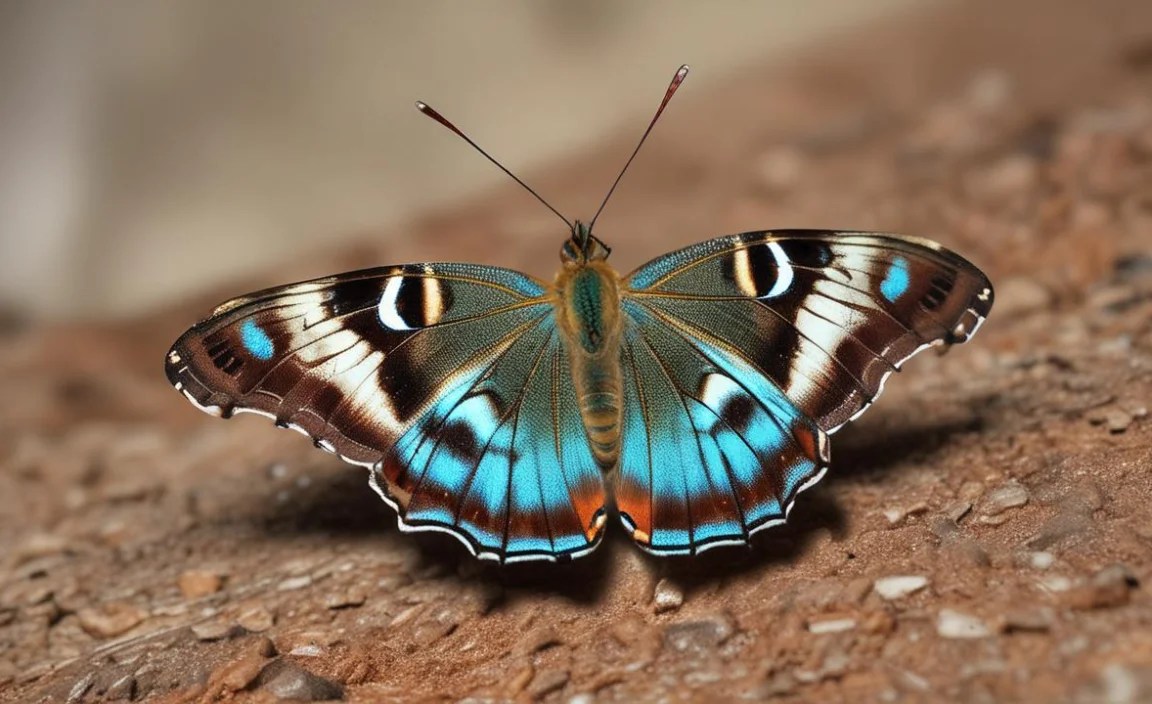
Having the right tools can make the identification process much easier. Here are some recommended tools:
- Field Guides: A good field guide specific to your region is essential. Look for guides with detailed descriptions and high-quality images.
- Binoculars: A pair of binoculars can help you get a closer look at the Skipper without disturbing it.
- Camera: Taking photos of the Skipper from different angles can be helpful for later comparison and identification.
- Magnifying Glass: A magnifying glass can help you see the fine details of the wing patterns and antennae.
- Notebook and Pen: Keep a notebook and pen handy to record your observations. Note the date, time, location, habitat, and any other relevant information.
Common Skipper Species
Here are some common Skipper species that you might encounter:
- Silver-spotted Skipper (Epargyreus clarus): This Skipper is easily recognized by the large, silver spot on the underside of its hindwing.
- Peck’s Skipper (Polites peckius): A small, orange Skipper with a dark border on the wings. It is commonly found in grasslands and gardens.
- Tawny-edged Skipper (Polites themistocles): This Skipper has a tawny-orange band along the edge of its wings. It is found in a variety of habitats, including fields and roadsides.
- Least Skipper (Ancyloxypha numitor): One of the smallest Skippers, it is orange with dark borders. It is often found near wetlands.
- Dun Skipper (Euphyes vestris): A dark brown Skipper with subtle markings. It is found in moist meadows and marshes.
Table: Comparing Common Skipper Species
| Species | Size | Wing Color | Distinctive Markings | Habitat |
|---|---|---|---|---|
| Silver-spotted Skipper (Epargyreus clarus) | Large | Brown | Large silver spot on hindwing underside | Woodlands, gardens |
| Peck’s Skipper (Polites peckius) | Small | Orange | Dark border on wings | Grasslands, gardens |
| Tawny-edged Skipper (Polites themistocles) | Medium | Orange-brown | Tawny-orange band along wing edge | Fields, roadsides |
| Least Skipper (Ancyloxypha numitor) | Very Small | Orange | Dark borders | Wetlands |
| Dun Skipper (Euphyes vestris) | Medium | Dark Brown | Subtle markings | Moist meadows, marshes |
Attracting Skippers to Your Garden
Attracting Skippers to your garden not only provides you with opportunities to observe and identify them, but also supports their populations and contributes to a healthy ecosystem. Here are some tips for creating a Skipper-friendly garden:
- Plant Nectar-Rich Flowers: Skippers need nectar for energy, so plant a variety of nectar-rich flowers that bloom throughout the season. Some good choices include:
- Butterfly Bush (Buddleja davidii)
- Zinnia (Zinnia elegans)
- Coneflower (Echinacea purpurea)
- Lavender (Lavandula)
- Salvia (Salvia)
- Provide Host Plants: Skippers also need host plants for their caterpillars to feed on. Planting these plants will encourage Skippers to lay their eggs in your garden. Some good host plants for Skippers include:
- Grasses (various species)
- Sedges (Carex)
- Indian Grass (Sorghastrum nutans)
- Avoid Pesticides: Pesticides can harm or kill Skippers and other beneficial insects. Avoid using pesticides in your garden, or choose organic options that are less harmful.
- Provide a Water Source: Skippers need water, especially during hot weather. Provide a shallow dish of water with pebbles or stones for them to land on.
- Create a Sunny Spot: Skippers are cold-blooded and need sunlight to warm up. Create a sunny spot in your garden where they can bask.
The Importance of Conservation
Skippers, like many other butterfly species, face threats from habitat loss, pesticide use, and climate change. By learning to identify Skippers and understanding their needs, you can play a role in their conservation. Here are some ways to help:
- Support Conservation Organizations: Donate to or volunteer with organizations that work to protect butterfly habitats. The Xerces Society is a great resource for information and conservation efforts.
- Create Butterfly-Friendly Habitats: Plant native flowers and host plants in your garden or community to provide food and shelter for Skippers and other butterflies.
- Reduce Pesticide Use: Avoid using pesticides in your garden and encourage others to do the same.
- Educate Others: Share your knowledge of Skippers and their importance with friends, family, and neighbors. The more people who understand and appreciate these insects, the more likely they are to be protected.
- Participate in Citizen Science Projects: Join a citizen science project to help monitor butterfly populations and track their movements. The data collected can be used to inform conservation efforts.
Online Resources for Hesperiidae Identification
Many online resources can help you identify Skipper species. Here are some of the best:
- Butterflies and Moths of North America (BAMONA): This website provides detailed information and images of butterflies and moths found in North America. You can search by species, state, or region.
- BugGuide.net: A comprehensive website with images and information on insects, spiders, and other arthropods. It includes a section on butterflies and moths, with many user-submitted photos.
- iNaturalist: A citizen science platform where you can submit photos of insects and other organisms for identification. Experts and other users can help you identify the species.
- Your State’s Department of Natural Resources: Many state agencies have websites with information on local butterfly species. Check your state’s Department of Natural Resources website for resources.
FAQ: Hesperiidae Species Identification
Q1: What makes Skippers different from other butterflies?
Skippers have thicker bodies, hooked antennae, and a rapid, darting flight, unlike the graceful gliding of other butterflies.
Q2: How do I identify a Skipper butterfly?
Observe the size, wing color, patterns, antennae shape, and wing position. Use field guides and online resources to compare your observations.
Q3: What are some common Skipper species in North America?
Common species include the Silver-spotted Skipper, Peck’s Skipper, Tawny-edged Skipper, Least Skipper, and Dun Skipper.
Q4: What kind of habitat do Skippers prefer?
Skippers can be found in various habitats such as grasslands, forests, gardens, and wetlands, depending on the species.
Q5: How can I attract Skippers to my garden?
Plant nectar-rich flowers and host plants, avoid pesticides, provide a water source, and create a sunny spot.
Q6: Are Skipper butterflies important?
Yes, Skippers are important pollinators and contribute to the health and diversity of plant life in ecosystems.
Q7: Where can I find reliable information about Skipper identification?
Reliable resources include field guides, Butterflies and Moths of North America (BAMONA), BugGuide.net, and iNaturalist.
Conclusion
Identifying Hesperiidae species can be a rewarding journey into the world of butterflies. By following these steps and using the resources provided, you can confidently identify Skippers and appreciate their unique beauty. Remember to observe carefully, take notes, and enjoy the process of discovery. Each Skipper you identify adds to your understanding and appreciation of the natural world. Happy butterflying!