
Gray Hairstreak Butterfly: Spot This Beauty!

The Gray Hairstreak butterfly (Strymon melinus) is a common and widespread butterfly found throughout North America. These small, delightful butterflies are identified by their gray wings with a small orange spot near their tails.
They are not picky eaters, with caterpillars feeding on a wide variety of plants, including beans, cotton, clover, and even corn. Attract them to your garden with nectar-rich flowers and host plants for their caterpillars!
Have you ever spotted a small, gray butterfly flitting around your garden and wondered what it was? Identifying butterflies can be tricky, especially when they all seem to look alike. One of the most common butterflies in North America is the Gray Hairstreak, and it’s a joy to have them around.
Understanding their life cycle and what plants they love is key to attracting these beauties to your backyard. Don’t worry; it’s easier than you think! In this guide, we’ll walk you through everything you need to know about the Gray Hairstreak butterfly. From identifying them to creating a butterfly-friendly habitat, you’ll be a butterfly expert in no time. Let’s get started and discover the world of the Gray Hairstreak!
Identifying the Gray Hairstreak Butterfly

Knowing what to look for is the first step in identifying any butterfly. The Gray Hairstreak has several distinctive features that make it easy to spot.
Key Identification Features
- Color: As the name suggests, the Gray Hairstreak is predominantly gray on the upper side of its wings. The underside is a lighter gray or silver.
- Size: These butterflies are small, with a wingspan typically ranging from 0.8 to 1.3 inches (2 to 3.3 cm).
- Hairstreak: Look for a small, thin “hairstreak” line on the underside of the hindwing. This line is usually white with a black border.
- Orange Spot: Near the tail, there’s a small, noticeable orange spot. This spot is a key identifier.
- Tail: The Gray Hairstreak has a delicate, thread-like tail on each hindwing. These tails can be easily broken off, so don’t be surprised if some butterflies are missing them.
Distinguishing Gray Hairstreaks from Similar Species
Several other hairstreak butterflies look similar to the Gray Hairstreak. Here’s how to tell them apart:
- White-M Hairstreak (Parrhasius m-album): The White-M Hairstreak has a more prominent white “M” marking on the underside of its hindwing.
- Henry’s Elfin (Callophrys henrici): Henry’s Elfin is brown with scalloped wing edges.
- Juniper Hairstreak (Callophrys gryneus): The Juniper Hairstreak is green, sometimes with brown markings.
Pay close attention to the wing markings and color patterns to accurately identify the Gray Hairstreak. With a little practice, you’ll become a pro!
Life Cycle of the Gray Hairstreak

Understanding the life cycle of the Gray Hairstreak is essential for attracting and supporting these butterflies in your garden. Like all butterflies, they go through complete metamorphosis, with four distinct stages.
Egg Stage
The life cycle begins with the egg. Female Gray Hairstreaks lay their tiny, greenish-white eggs on or near the host plants. These eggs are often laid singly, making them hard to spot.
Larva (Caterpillar) Stage
Once the egg hatches, the larva, or caterpillar, emerges. Gray Hairstreak caterpillars are quite variable in color, ranging from green to pink to brown. They often have patterns that help them blend in with their host plants. These caterpillars are not picky eaters and feed on a wide variety of plants. They go through several instars (growth stages), shedding their skin as they grow.
Pupa (Chrysalis) Stage
After the caterpillar is fully grown, it enters the pupa stage, forming a chrysalis. The chrysalis is usually brown or green and blends in with its surroundings. Inside the chrysalis, the caterpillar undergoes a remarkable transformation.
Adult Butterfly Stage
Finally, the adult butterfly emerges from the chrysalis. The newly emerged butterfly will pump fluids into its wings to expand them. After a short period of drying and hardening, the butterfly is ready to fly and reproduce. Adult Gray Hairstreaks typically live for a few weeks, during which they feed on nectar from flowers.
Habitat and Distribution
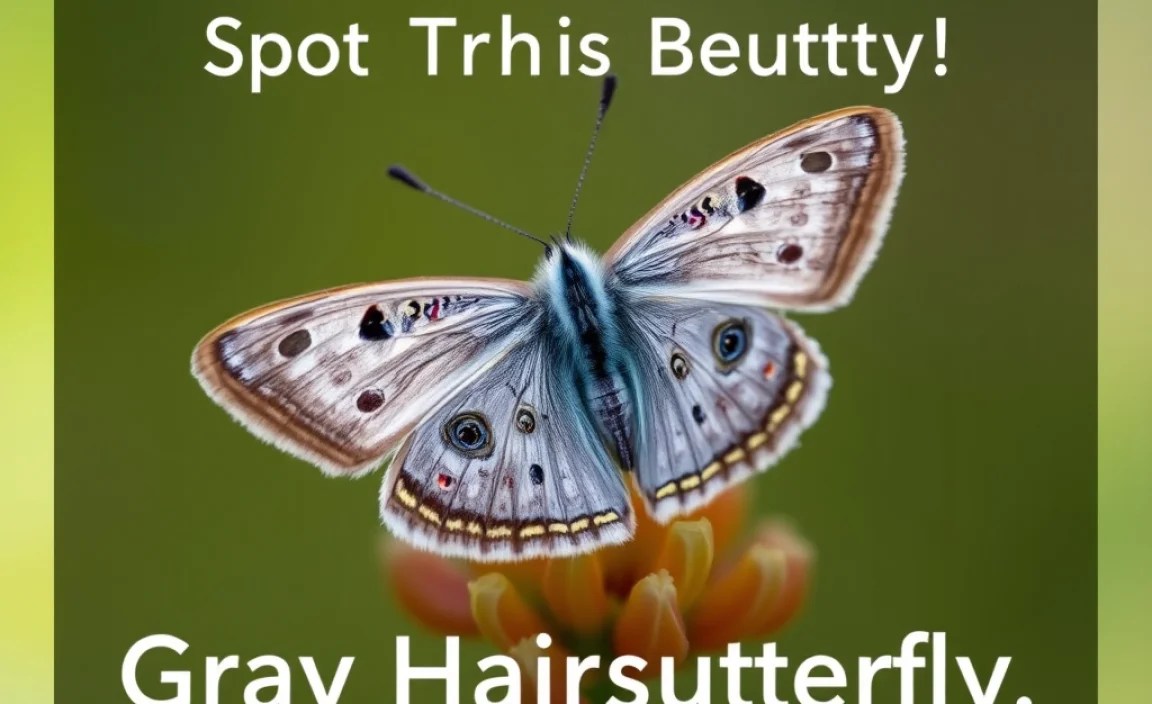
The Gray Hairstreak is one of the most widespread butterflies in North America, found in a variety of habitats.
Geographic Range
Gray Hairstreaks can be found from southern Canada throughout the United States and into Mexico. They are adaptable and can thrive in various environments.
Preferred Habitats
These butterflies prefer open habitats such as:
- Fields
- Gardens
- Roadsides
- Open woodlands
They are often seen near their host plants, which are essential for their caterpillars’ survival.
Climate Preferences
Gray Hairstreaks are relatively hardy and can tolerate a range of climates. They are most active during the warmer months, from spring to fall. In colder regions, they may have only one or two broods per year, while in warmer areas, they can have multiple generations.
Diet and Host Plants
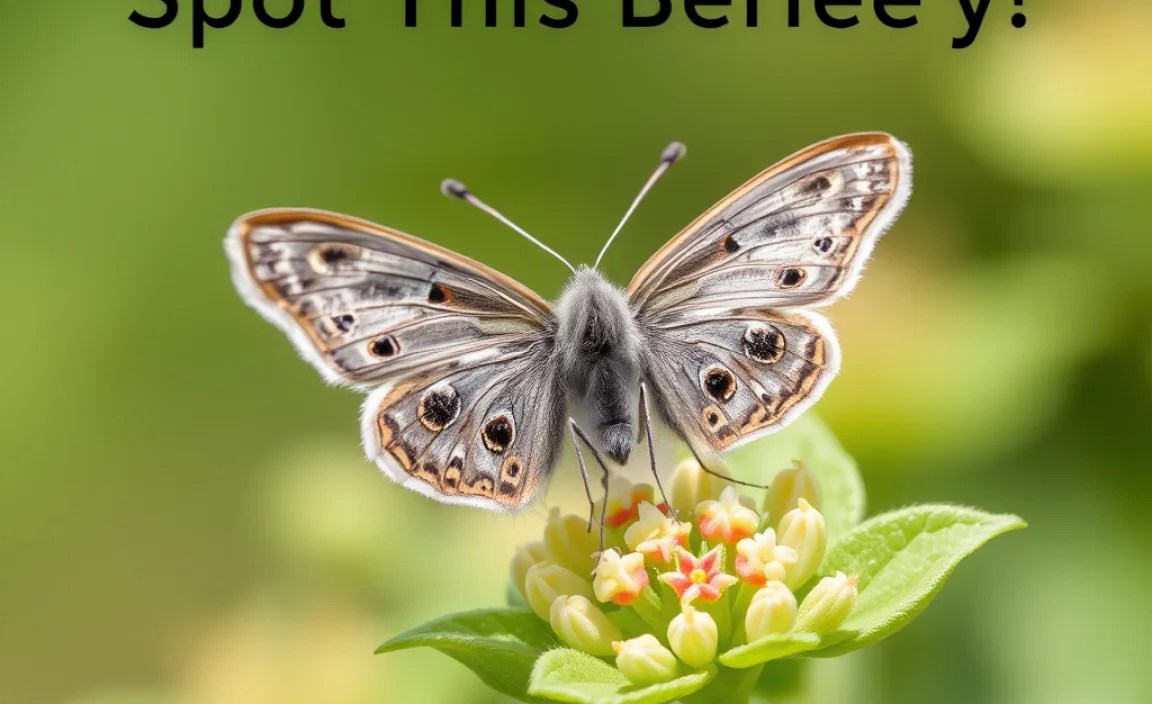
Understanding what Gray Hairstreaks eat, both as caterpillars and as adult butterflies, is crucial for attracting them to your garden.
Caterpillar Diet
Gray Hairstreak caterpillars are known for their diverse diet. They feed on a wide variety of plants, including:
- Legumes: Beans, clover, peas, and alfalfa
- Fruits: Cotton, corn, and various fruits
- Flowers: Mallow, roses, and other flowering plants
This broad diet means they can survive in many different environments. However, it also means they can sometimes be considered pests on crops.
Adult Butterfly Diet
Adult Gray Hairstreaks primarily feed on nectar from flowers. Some of their favorite nectar sources include:
- Milkweed
- Clover
- Asters
- Thistles
Providing a variety of nectar-rich flowers in your garden will help attract and sustain these beautiful butterflies.
Attracting Gray Hairstreaks to Your Garden

Creating a butterfly-friendly garden is a rewarding experience. Here’s how to attract Gray Hairstreaks to your yard.
Choosing the Right Host Plants
Planting host plants is essential for providing food for Gray Hairstreak caterpillars. Some great options include:
- Beans
- Clover
- Alfalfa
- Mallow
Consider planting a mix of these to support a healthy population of Gray Hairstreaks.
Providing Nectar Sources
Adult butterflies need nectar to fuel their activities. Choose flowers that are rich in nectar and bloom at different times of the year to provide a continuous food source. Good choices include:
- Milkweed
- Asters
- Black-Eyed Susans
- Coneflowers
Creating a Butterfly-Friendly Environment
In addition to food, butterflies need shelter and water. Here are some tips for creating a welcoming environment:
- Shelter: Provide shrubs and trees for butterflies to rest and hide from predators.
- Water: Offer a shallow dish of water with pebbles or sand for butterflies to land on while drinking.
- Sun: Butterflies need sunlight to warm their bodies. Make sure your garden has plenty of sunny spots.
- Avoid Pesticides: Pesticides can harm or kill butterflies and caterpillars. Use organic gardening methods to protect them.
Conservation Status and Threats
While the Gray Hairstreak is a common butterfly, it still faces threats from habitat loss and pesticide use.
Current Conservation Status
The Gray Hairstreak is not currently listed as an endangered or threatened species. However, like all wildlife, it benefits from conservation efforts.
Threats to Gray Hairstreak Populations
- Habitat Loss: As natural habitats are converted for agriculture and development, butterflies lose their food sources and breeding grounds.
- Pesticide Use: Pesticides can directly kill butterflies and caterpillars, as well as harm their host plants.
- Climate Change: Changes in temperature and rainfall patterns can disrupt butterfly life cycles and alter their habitats.
How to Help Protect Gray Hairstreaks
You can help protect Gray Hairstreaks and other butterflies by:
- Planting native host plants and nectar sources in your garden.
- Avoiding the use of pesticides.
- Supporting local conservation organizations.
- Educating others about the importance of butterflies and their habitats.
Interesting Facts About Gray Hairstreaks
Here are a few fun facts about Gray Hairstreak butterflies:
- Tail Mimicry: The Gray Hairstreak’s tails and orange spots are thought to mimic antennae and a head, confusing predators.
- Wide Diet: Their caterpillars have one of the broadest diets of any butterfly species in North America.
- Multiple Broods: In warmer climates, Gray Hairstreaks can have several generations per year.
- Attract Ants: The caterpillars have a special organ that attracts ants, which protect them from predators in exchange for sugary secretions.
Gray Hairstreak Butterfly: Detailed Table
| Aspect | Details |
|---|---|
| Scientific Name | Strymon melinus |
| Common Name | Gray Hairstreak |
| Wingspan | 0.8 to 1.3 inches (2 to 3.3 cm) |
| Color | Gray with orange spots and a thin white “hairstreak” line on the underside of the hindwing |
| Habitat | Fields, gardens, roadsides, open woodlands |
| Geographic Range | Southern Canada, United States, Mexico |
| Caterpillar Host Plants | Beans, clover, alfalfa, mallow, cotton, corn |
| Adult Nectar Sources | Milkweed, asters, black-eyed susans, coneflowers |
| Conservation Status | Not listed as endangered or threatened |
Frequently Asked Questions
Here are some common questions about Gray Hairstreak butterflies:
What do Gray Hairstreak caterpillars eat?
Gray Hairstreak caterpillars have a very diverse diet, feeding on various plants, including beans, clover, alfalfa, cotton, and corn.
How can I attract Gray Hairstreaks to my garden?
Plant host plants for the caterpillars (like beans and clover) and nectar-rich flowers for the adults (like milkweed and asters). Also, avoid using pesticides.
Are Gray Hairstreaks rare?
No, Gray Hairstreaks are quite common and widespread throughout North America.
What is the lifespan of a Gray Hairstreak butterfly?
Adult Gray Hairstreaks typically live for a few weeks, during which they feed on nectar and reproduce.
How do I identify a Gray Hairstreak caterpillar?
Gray Hairstreak caterpillars vary in color but are often green, pink, or brown. They usually have patterns that help them blend in with their host plants.
Do Gray Hairstreak butterflies migrate?
Gray Hairstreaks are not migratory butterflies. They typically stay within a relatively small area throughout their lives.
What is the purpose of the tails on Gray Hairstreak wings?
The tails and orange spots are thought to confuse predators by mimicking antennae and a head, helping the butterfly escape attacks.
Conclusion
The Gray Hairstreak butterfly is a delightful and common sight in many gardens and open spaces. By understanding their life cycle, habitat preferences, and dietary needs, you can create a welcoming environment for these beautiful creatures.
Planting the right host plants and nectar sources, providing shelter and water, and avoiding pesticides are all simple steps you can take to support Gray Hairstreak populations. These small actions not only benefit the butterflies but also enrich your garden and contribute to a healthier ecosystem. So, get outside, start planting, and enjoy the beauty of the Gray Hairstreak butterfly!


