
Butterfly Identification in Desert Climate: Easy Guide

Have you ever seen a butterfly in the desert? Deserts seem too hot and dry for them. Yet, butterflies do live there! Figuring out which ones can be a fun challenge. Butterfly identification in desert climate can teach you about these tough little insects.
These butterflies have special ways to survive. They find food and water where they can. Learning about them helps us understand nature better. Are you ready to become a butterfly expert?
Key Takeaways
- Butterfly identification in desert climate involves recognizing unique patterns and behaviors.
- Desert butterflies often have dull colors to blend in with their surroundings.
- Some desert butterflies migrate to find water and food sources.
- Host plants are crucial for desert butterflies as food for their caterpillars.
- Observing butterfly behavior helps identify different species in the desert.
Basics of Butterfly Identification in Desert Climate

Butterfly identification in desert climate starts with knowing where to look. Deserts might seem empty. But, butterflies often gather near water sources. Look for them near desert springs or after a rain. They also like certain plants. These plants give them food. Knowing which plants attract butterflies helps you find them. Pay attention to the time of day. Butterflies are most active when it is not too hot. Early morning and late afternoon are good times. Bring a notebook and a camera. You can write down what you see. Taking pictures helps you remember details later. With practice, you will get better at spotting and naming desert butterflies.
- Look near water sources like springs.
- Check around desert plants that flower.
- Go out in the early morning or late afternoon.
- Bring a notebook to write down details.
- Use a camera to take pictures of butterflies.
Identifying butterflies is like solving a puzzle. Each butterfly has its own colors and patterns. Size and shape also matter. Some butterflies are big and bright. Others are small and plain. The way a butterfly flies can also tell you something. Some flutter quickly. Others glide smoothly. Butterfly identification in desert climate is important. It helps scientists know if butterfly populations are healthy. It also teaches us about how they survive in tough conditions. When you learn to identify butterflies, you become a citizen scientist. You can help protect these amazing creatures.
Fun Fact or Stat: Some desert butterflies can fly over 100 miles to find water!
What Makes Desert Butterflies Unique?
Desert butterflies are special. They have adapted to the harsh desert climate. One way they do this is through their colors. Many desert butterflies are light brown or gray. This helps them blend in with the sand and rocks. Blending in protects them from predators. Predators are animals that want to eat them. Desert butterflies also have special behaviors. Some can fly very fast. This helps them escape from danger. Others can stay still for a long time. This helps them save energy. Saving energy is important in the desert. It takes a lot of energy to find food and water. Butterfly identification in desert climate also involves understanding these unique adaptations.
How Do Butterflies Survive in the Desert Heat?
Have you ever wondered how butterflies survive in the desert heat? It’s a tough life for them! They have to find ways to stay cool and hydrated. Some butterflies have light-colored wings. These wings reflect sunlight. This helps them avoid overheating. They also seek shade under plants or rocks. This keeps them out of the direct sun. Butterflies also need water to survive. They get water from nectar in flowers. Some also drink from puddles or damp soil. This is called “puddling.” Puddling helps them get minerals too. Understanding these survival tricks is key to butterfly identification in desert climate.
Why Are Desert Butterflies Important?
Desert butterflies are more important than you might think. They are part of the desert ecosystem. They help pollinate plants. Pollination is how plants make seeds. Butterflies carry pollen from one flower to another. This helps plants reproduce. Butterflies are also food for other animals. Birds, lizards, and spiders eat butterflies. So, butterflies are an important part of the food chain. When we protect butterflies, we protect the whole ecosystem. Butterfly identification in desert climate helps us understand their role. It also helps us protect them from harm.
Identifying Common Desert Butterfly Families
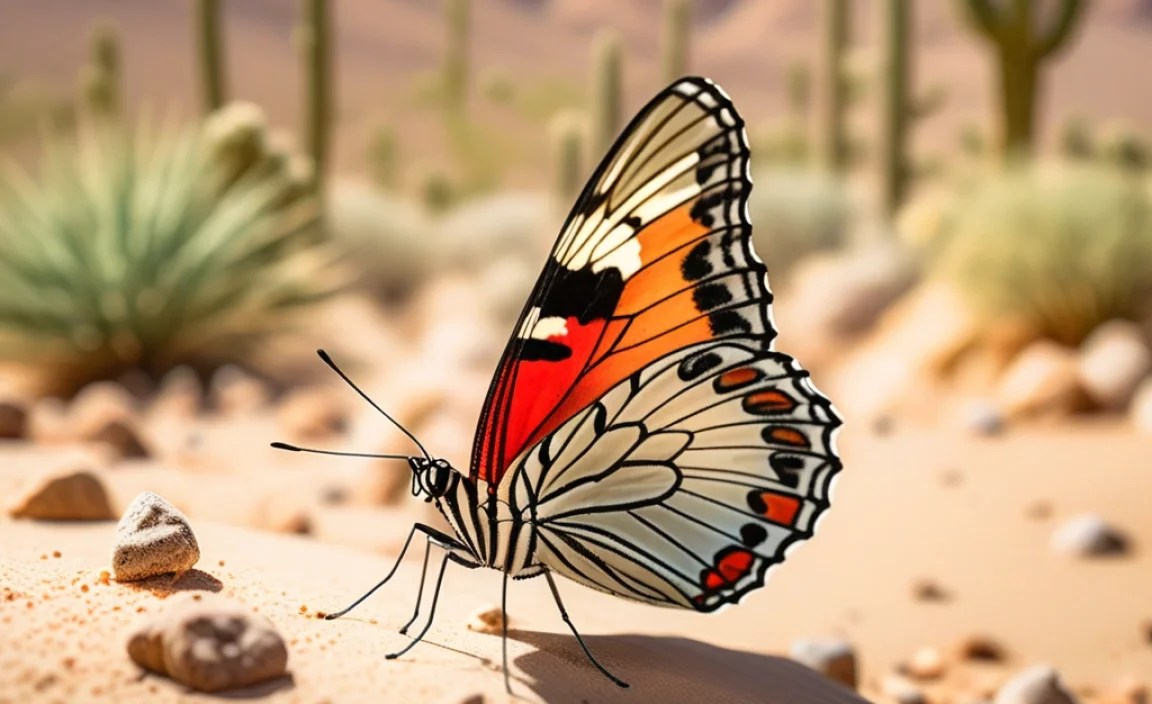
To become good at butterfly identification in desert climate, you need to learn about butterfly families. Butterfly families are groups of butterflies that share similar features. One common family is the Pieridae. These butterflies are often white or yellow. They are common in deserts. Another family is the Nymphalidae. These butterflies are often brown or orange. They have interesting patterns on their wings. The Lycaenidae family is made up of small butterflies. They are often blue or copper-colored. Learning about these families makes identification easier. You can start by looking at the size and color of the butterfly. Then, look for specific patterns on its wings. With practice, you will be able to identify the family of most desert butterflies.
- Learn about the Pieridae family (white or yellow).
- Study the Nymphalidae family (brown or orange).
- Recognize the Lycaenidae family (small, blue or copper).
- Look at the size and color of the butterfly first.
- Pay attention to wing patterns for clues.
Butterfly families help us organize our knowledge. It’s like sorting toys into different boxes. Each box holds a different type of toy. Butterfly families help us understand how butterflies are related. Butterflies in the same family often have similar behaviors. They might eat the same plants. They might live in the same areas. Knowing the family can give you clues about the butterfly’s life. Remember, butterfly identification in desert climate is a skill. It takes time and practice to develop. Don’t get discouraged if you make mistakes. Just keep learning and observing.
Fun Fact or Stat: There are over 20,000 different species of butterflies in the world!
What Are the Key Features of Pieridae Butterflies?
Pieridae butterflies are easy to spot. They are usually white, yellow, or orange. Their wings often have black markings. These markings can help you identify specific species. Pieridae butterflies are often found near their host plants. Host plants are the plants that their caterpillars eat. These butterflies are active during the day. They fly around looking for nectar. Nectar is a sweet liquid in flowers. It gives them energy. Butterfly identification in desert climate often involves knowing the host plants of Pieridae butterflies.
How to Identify Nymphalidae Butterflies?
Nymphalidae butterflies are a diverse group. They come in many different colors and sizes. Many have bright patterns on their wings. Some have eye spots. Eye spots are circles that look like eyes. They can scare away predators. Nymphalidae butterflies often rest with their wings open. This lets them soak up the sun. They are found in many different habitats. But, some species are common in deserts. Butterfly identification in desert climate requires careful observation of their wing patterns.
What Makes Lycaenidae Butterflies Unique?
Lycaenidae butterflies are small and delicate. They are often blue, copper, or brown. Many have metallic markings on their wings. These markings can shine in the sun. Lycaenidae butterflies often have a “tail” on their hindwings. This tail looks like an antenna. It can confuse predators. Some Lycaenidae caterpillars have a special relationship with ants. The ants protect the caterpillars from predators. In return, the caterpillars give the ants a sugary substance. This relationship is called mutualism. Butterfly identification in desert climate can be challenging because they are so small.
Wing Patterns and Colors for Desert Butterfly ID
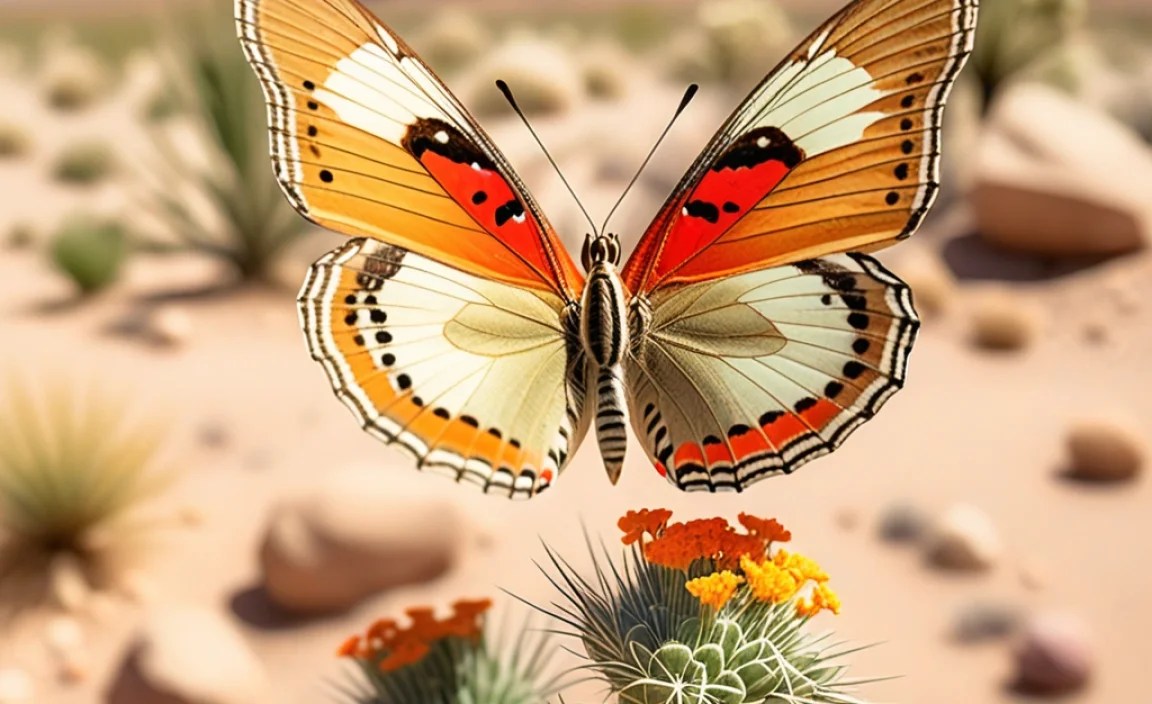
Wing patterns and colors are key to butterfly identification in desert climate. Desert butterflies have evolved unique patterns. These patterns help them survive. Some patterns help them blend in with the desert landscape. This is called camouflage. Camouflage protects them from predators. Other patterns are bright and colorful. These colors can warn predators that they are poisonous. The colors come from the plants the caterpillars eat. Wing patterns can also attract mates. Butterflies use their wings to signal to each other. Pay close attention to the details of the wing patterns. Look for spots, stripes, and other markings. These details can help you identify the species.
- Look for patterns that help with camouflage.
- Notice bright colors that may warn predators.
- Pay attention to spots, stripes, and other markings.
- Consider the size and shape of the wings.
- Use a butterfly field guide to compare patterns.
Wing patterns and colors are not always the same. Sometimes, they can vary within a species. This is called variation. Variation can be caused by different factors. The environment can affect wing patterns. Temperature and rainfall can play a role. Genetics also plays a role. Some butterflies are born with different patterns. Understanding variation is important for accurate butterfly identification in desert climate. Don’t assume that all butterflies of the same species look exactly alike. Look for the key characteristics that define the species.
Fun Fact or Stat: Some butterflies have wings that look like dead leaves to avoid predators!
How Does Camouflage Help Desert Butterflies?
Camouflage is a big help for desert butterflies. It lets them hide from animals that want to eat them. The desert can be a dangerous place. There are birds, lizards, and other predators. Camouflage helps butterflies blend in with their surroundings. They can look like rocks, sand, or plants. When they blend in, predators have a harder time finding them. This gives the butterflies a better chance of survival. Butterfly identification in desert climate includes understanding how camouflage works.
What Do Bright Colors Mean on Butterfly Wings?
Bright colors on butterfly wings can mean different things. Sometimes, they are a warning to predators. The butterfly might be poisonous or taste bad. Predators learn to avoid butterflies with these colors. This is called warning coloration. Other times, bright colors can attract mates. Butterflies use their colors to signal to each other. The males might have brighter colors than the females. Butterfly identification in desert climate requires knowing the purpose of different colors.
How Do Wing Patterns Attract Mates?
Wing patterns play a big role in attracting mates. Butterflies use their wings to signal to each other. The patterns can be very complex and beautiful. Male butterflies often perform elaborate dances. They show off their wings to the females. The females choose the males with the best patterns. This helps ensure that the next generation has good genes. Butterfly identification in desert climate can be easier when you understand courtship behaviors.
Desert Butterfly Behavior and Habitat
Understanding behavior and habitat is important for butterfly identification in desert climate. Desert butterflies have special behaviors. These behaviors help them survive in the harsh environment. They are active during certain times of the day. They often rest in the shade. They seek out water sources. They also interact with each other. Their habitat is also important. Some butterflies live in specific areas. They might be found near certain plants. Others are more widespread. They can live in many different habitats. Knowing where to look and what to look for can make identification easier. Observe the butterfly’s behavior. Note its habitat. These clues can help you identify the species.
- Observe when butterflies are most active.
- Note where they rest and seek shade.
- Look for water sources they might visit.
- Pay attention to the plants they use for food.
- Consider the overall habitat where you find them.
Butterfly behavior is influenced by the environment. Temperature, sunlight, and rainfall all play a role. Butterflies are cold-blooded. This means that their body temperature depends on the environment. They need sunlight to warm up. They avoid the hottest part of the day. They seek shelter from the wind and rain. Their habitat provides them with food and shelter. It also provides them with places to lay their eggs. Butterfly identification in desert climate involves understanding these relationships.
Fun Fact or Stat: Some butterflies migrate thousands of miles to find better climates!
When Are Desert Butterflies Most Active?
Desert butterflies are most active during the cooler parts of the day. Early morning and late afternoon are good times to look for them. The midday sun can be too hot. Butterflies will seek shade to avoid overheating. They might rest under plants or rocks. They will also look for water sources. They need water to stay hydrated. Knowing their activity patterns can help you find them. Butterfly identification in desert climate requires patience and timing.
Where Do Desert Butterflies Find Water?
Finding water is a challenge in the desert. Butterflies have several ways to get water. They drink nectar from flowers. Nectar is a sweet liquid that contains water. They also drink from puddles or damp soil. This is called puddling. Puddling helps them get minerals too. Some butterflies collect dew from plants. Dew is water that condenses on plants in the morning. Butterfly identification in desert climate can involve observing their watering habits.
What Plants Do Desert Butterflies Need?
Desert butterflies need specific plants to survive. These plants provide food for their caterpillars. They also provide nectar for the adult butterflies. Some butterflies are very picky. They only eat one type of plant. Others are more general. They can eat many different plants. Knowing which plants are important for butterflies is key. It can help you find them. It can also help you protect them. Butterfly identification in desert climate includes knowing the host plants.
Tools for Accurate Butterfly Identification
Having the right tools can make butterfly identification in desert climate easier. A good field guide is essential. A field guide is a book that shows pictures and descriptions of butterflies. It helps you compare the butterfly you see to the pictures in the book. Binoculars can help you see details on the butterfly’s wings. A camera can help you take pictures. You can use the pictures to study the butterfly later. A notebook and pencil are useful for taking notes. Write down the date, time, and location where you saw the butterfly. Also, write down any details about its appearance and behavior. With the right tools, you can become a better butterfly identifier.
- Use a good butterfly field guide.
- Bring binoculars for better viewing.
- Take pictures with a camera.
- Keep a notebook and pencil for notes.
- Use online resources for more information.
Online resources can also be helpful. There are many websites and apps that can help you identify butterflies. Some websites have pictures and descriptions of butterflies. Others have interactive keys that you can use to identify butterflies. Apps can help you identify butterflies in the field. You can take a picture of the butterfly with your phone. The app will then identify the butterfly for you. Remember, no tool is perfect. It’s important to use multiple tools and sources to confirm your identification. Butterfly identification in desert climate requires careful observation and research.
Fun Fact or Stat: The Audubon Society has excellent field guides for identifying birds and butterflies!
What Should a Good Butterfly Field Guide Include?
A good butterfly field guide should have several key features. It should have clear and accurate pictures of butterflies. The pictures should show the butterflies from different angles. They should also show the different forms of the butterfly. The field guide should also have detailed descriptions of butterflies. The descriptions should include information about their size, color, and wing patterns. The field guide should also include information about their habitat and behavior. Finally, the field guide should be easy to use. It should be organized in a logical way. It should have a good index. Butterfly identification in desert climate is easier with a good field guide.
How Can Binoculars Help with Butterfly Identification?
Binoculars can be very helpful for butterfly identification. They allow you to see the butterfly more clearly. You can see details on the butterfly’s wings that you might not be able to see with your naked eye. This can help you identify the species. Binoculars are especially useful for butterflies that are far away. You can use them to observe butterflies from a distance. This can help you avoid disturbing them. Butterfly identification in desert climate is easier with a good pair of binoculars.
What Information Should I Record in My Notebook?
When you see a butterfly, it’s important to record as much information as possible. Start by writing down the date, time, and location. Be as specific as possible. Note the type of habitat where you saw the butterfly. Was it near a water source? Was it near certain plants? Describe the butterfly’s appearance. Note its size, color, and wing patterns. Also, describe its behavior. Was it flying? Was it resting? Was it feeding? The more information you record, the easier it will be to identify the butterfly. Butterfly identification in desert climate relies on careful record-keeping.
Challenges in Desert Butterfly Identification
Butterfly identification in desert climate can be challenging. The desert environment is harsh and unforgiving. Butterflies are often small and difficult to see. They can fly away quickly. The sunlight can be very bright. This can make it hard to see the colors and patterns on their wings. There are also many different species of butterflies in the desert. Some species look very similar to each other. This can make it hard to tell them apart. To overcome these challenges, you need to be patient and persistent. You need to practice your observation skills. You need to learn about the different species of butterflies in the desert. With time and effort, you can become a skilled butterfly identifier.
- The desert environment is harsh.
- Butterflies are often small and hard to see.
- Bright sunlight can affect color perception.
- Many species look very similar.
- Butterflies can fly away quickly.
Another challenge is variation within species. Butterflies of the same species can look different depending on their age, sex, and location. This can make it hard to identify them. Some butterflies also mimic other butterflies. Mimicry is when one species evolves to look like another species. This can confuse predators. It can also confuse butterfly identifiers. To overcome this challenge, you need to learn about the different types of variation and mimicry. You also need to consult multiple sources to confirm your identification. Butterfly identification in desert climate requires a careful and critical approach.
Fun Fact or Stat: Some butterflies can taste with their feet!
How Does the Desert Climate Affect Butterfly Colors?
The desert climate can affect butterfly colors in several ways. The intense sunlight can fade the colors on their wings. The dry air can also make their wings brittle. This can make them more likely to break. Some desert butterflies have evolved to have lighter colors. Lighter colors reflect more sunlight. This helps them stay cool. The desert environment also influences the plants that butterflies eat. The plants can affect the colors of the butterfly’s wings. Butterfly identification in desert climate must consider these effects.
Why Are Some Desert Butterflies So Small?
Some desert butterflies are small because it helps them survive. Small butterflies need less food and water. This is important in the desert, where resources are scarce. Small butterflies can also hide more easily from predators. They can squeeze into small spaces. They can blend in with the vegetation. Being small gives them an advantage in the desert environment. Butterfly identification in desert climate requires attention to size.
How Can Mimicry Confuse Butterfly Identification?
Mimicry can make butterfly identification very confusing. Some butterflies mimic other butterflies that are poisonous or distasteful. This protects them from predators. The predators learn to avoid butterflies that look like the poisonous ones. This gives the mimics a better chance of survival. However, it can make it hard to tell the mimics apart from the real thing. Butterfly identification in desert climate requires careful observation to distinguish mimics.
Conservation of Desert Butterflies
Conserving desert butterflies is very important. These beautiful creatures are facing many threats. Habitat loss is a major problem. As humans develop the desert, they destroy butterfly habitats. Climate change is also a threat. The desert is getting hotter and drier. This makes it harder for butterflies to survive. Pollution can also harm butterflies. Pesticides can kill them. Air pollution can damage their wings. We need to take action to protect desert butterflies. We can protect their habitats. We can reduce our carbon footprint. We can avoid using pesticides. By working together, we can ensure that desert butterflies thrive for many years to come. Butterfly identification in desert climate is the first step to conservation.
- Protect butterfly habitats from development.
- Reduce your carbon footprint to fight climate change.
- Avoid using pesticides that can harm butterflies.
- Plant native plants that provide food for caterpillars.
- Educate others about the importance of butterflies.
Everyone can play a role in conserving desert butterflies. You can plant native plants in your yard. Native plants provide food for caterpillars. They also provide nectar for adult butterflies. You can create a butterfly garden. This will attract butterflies to your yard. You can also educate others about the importance of butterflies. Share your knowledge with your friends and family. Encourage them to take action to protect butterflies. Butterfly identification in desert climate helps us appreciate their value.
| Threat | Impact on Butterflies | Solutions |
|---|---|---|
| Habitat Loss | Reduces food and shelter | Protect and restore habitats |
| Climate Change | Changes temperature and rainfall patterns | Reduce carbon emissions |
| Pesticide Use | Kills butterflies and caterpillars | Use natural pest control methods |
| Pollution | Damages wings and pollutes food sources | Reduce air and water pollution |
Fun Fact or Stat: Butterflies are important pollinators, just like bees!
How Does Habitat Loss Affect Desert Butterflies?
Habitat loss is a big problem for desert butterflies. When humans develop the desert, they destroy butterfly habitats. They build houses, roads, and shopping centers. This leaves butterflies with less food and shelter. They have a harder time finding mates. They have a harder time laying their eggs. Habitat loss can lead to a decline in butterfly populations. Protecting butterfly habitats is essential for their survival. Butterfly identification in desert climate helps us prioritize conservation areas.
What Role Does Climate Change Play in Butterfly Conservation?
Climate change is a serious threat to desert butterflies. The desert is getting hotter and drier. This makes it harder for butterflies to survive. They need water to stay hydrated. They need food to stay alive. Climate change can also disrupt their life cycle. It can affect when they emerge from their pupae. It can affect when they migrate. Reducing carbon emissions is essential for protecting butterflies from climate change. Butterfly identification in desert climate helps track the effects of climate change.
How Can We Reduce the Use of Pesticides?
Pesticides are harmful to butterflies. They can kill them directly. They can also kill the plants that caterpillars eat. Reducing the use of pesticides is important for butterfly conservation. There are many ways to reduce pesticide use. You can use natural pest control methods. You can plant native plants that are resistant to pests. You can encourage your neighbors to avoid using pesticides. Butterfly identification in desert climate can help us monitor pesticide effects.
Summary
Butterfly identification in desert climate is a fascinating and important skill. It involves learning about the unique adaptations, behaviors, and habitats of desert butterflies. You can identify them by looking at their wing patterns, colors, and sizes. Using tools like field guides, binoculars, and cameras can help a lot. But, it’s important to be aware of the challenges, such as the harsh environment and the variation within species. By understanding these challenges, you can become a better butterfly identifier.
Conserving desert butterflies is essential. They face many threats, including habitat loss, climate change, and pollution. You can help by protecting their habitats, reducing your carbon footprint, and avoiding the use of pesticides. Everyone can play a role in protecting these beautiful creatures. Butterfly identification in desert climate is the first step toward appreciating and protecting them.
Conclusion
Learning about butterfly identification in desert climate is a rewarding experience. You get to explore the desert. You discover the amazing adaptations of these insects. It also raises awareness about conservation. By learning to identify desert butterflies, you can help protect them. You can contribute to a healthier desert ecosystem. So, get out there and start exploring!
Frequently Asked Questions
Question No 1: What is the best time of year to find butterflies in the desert?
Answer: The best time to find butterflies in the desert is during the spring and fall. These seasons have milder temperatures. Butterflies are more active when it’s not too hot. Spring is when many desert plants are flowering. This provides nectar for the butterflies. Fall is another good time because some butterflies are migrating. They are passing through the desert on their way to warmer climates. However, you can still find butterflies in the summer. Look for them in the early morning or late evening. They will be seeking shade during the hottest parts of the day. Butterfly identification in desert climate is possible year-round with some adjustments.
Question No 2: What are some common mistakes people make when identifying butterflies?
Answer: People often make mistakes when they don’t look closely enough at the details. They might focus on the overall color. But, they don’t pay attention to the wing patterns. Wing patterns are key to identifying different species. Another common mistake is not considering the location. Some butterflies are only found in certain areas. If you see a butterfly in the desert, it’s unlikely to be a species that lives in the mountains. Also, people sometimes rely too much on one source. It’s important to consult multiple sources to confirm your identification. Finally, remember that there can be variation within species. Not all butterflies of the same species look exactly alike. Butterfly identification in desert climate needs careful attention to detail.
Question No 3: How can I create a butterfly-friendly garden in the desert?
Answer: Creating a butterfly-friendly garden in the desert is easier than you think. First, plant native plants. Native plants are plants that naturally grow in the desert. They are adapted to the climate. They provide food and shelter for butterflies. Choose a variety of plants that bloom at different times of the year. This will provide a continuous source of nectar. Provide a water source for butterflies. A shallow dish of water with some rocks for them to land on is perfect. Avoid using pesticides. Pesticides can kill butterflies and other beneficial insects. Finally, provide some shelter from the wind and sun. Plant some shrubs or trees to create a protected area. Butterfly identification in desert climate starts at home in your own garden.
Question No 4: Are there any poisonous butterflies in the desert?
Answer: Yes, there are some poisonous butterflies in the desert. The most well-known is the Monarch butterfly. Monarch caterpillars eat milkweed plants. Milkweed plants contain toxins. The toxins make the caterpillars and butterflies poisonous to predators. Predators that eat Monarchs get sick. They learn to avoid them in the future. Other desert butterflies may also be poisonous. This is often due to the plants that their caterpillars eat. Brightly colored butterflies are often poisonous. This is called warning coloration. Butterfly identification in desert climate can help you recognize poisonous species.
Question No 5: What should I do if I find an injured butterfly?
Answer: If you find an injured butterfly, you can try to help it. First, gently pick it up. Be careful not to damage its wings. Place it in a safe, sheltered location. A cardboard box or a mesh cage is a good choice. Provide it with a source of nectar. You can mix sugar and water. Soak a cotton ball in the sugar water. Place the cotton ball near the butterfly’s mouth. If the butterfly’s wings are damaged, you can try to repair them. Use a small piece of tape to hold the wings together. If the butterfly is severely injured, it may be best to let it go. Sometimes, the kindest thing you can do is let nature take its course. Butterfly identification in desert climate is important for conservation efforts, even for injured butterflies.
Question No 6: How can I get involved in butterfly conservation efforts?
Answer: There are many ways to get involved in butterfly conservation. You can volunteer with a local conservation organization. Many organizations conduct butterfly surveys and habitat restoration projects. You can also participate in citizen science projects. These projects involve collecting data on butterflies. The data is used to track butterfly populations and identify threats. You can also support organizations that work to protect butterflies. Donate money or volunteer your time. Finally, you can educate others about the importance of butterflies. Share your knowledge with your friends and family. Encourage them to take action to protect butterflies. Butterfly identification in desert climate is a valuable skill for conservation volunteers.


