
Ultimate Butterfly Walk Trails: Find Yours!

Butterfly walk trails offer a fantastic way to connect with nature, observe beautiful butterflies in their natural habitat, and learn about their life cycle and the plants they depend on. Discover local trails through nature centers, parks, and online resources, and prepare for your walk by wearing appropriate clothing, bringing essentials like water and a field guide, and respecting the environment.
Have you ever wanted to step into a world filled with fluttering wings and vibrant colors? Butterfly walk trails provide an amazing opportunity to do just that! Many people miss out on the chance to witness these beautiful creatures up close because they don’t know where to find the best spots or how to prepare for a successful butterfly-watching experience. But don’t worry, it’s easier than you think! This guide will provide you with all the information you need to discover and enjoy local butterfly walk trails, ensuring you have a memorable and educational adventure.
Finding Butterfly Walk Trails
The first step in embarking on a butterfly adventure is finding the right trail. Here’s how to locate butterfly walk trails near you:
Local Nature Centers and Parks
Nature centers and parks are often excellent places to start your search. These locations frequently maintain butterfly gardens and trails specifically designed to attract butterflies. They also offer guided tours and educational programs.
- Check Local Parks and Recreation Websites: Many parks departments have websites listing their trails and amenities. Look for keywords like “butterfly garden,” “nature trail,” or “pollinator pathway.”
- Visit Nature Centers: Nature centers often have staff who are knowledgeable about local butterfly populations and can recommend the best trails.
- Attend Guided Walks: Participating in a guided walk can provide valuable insights into butterfly identification and habitat conservation.
Online Resources
The internet is a treasure trove of information about butterfly walk trails. Several websites and databases can help you find trails in your area.
- AllTrails: A popular website and app for finding hiking trails, including those known for butterfly sightings. Search for trails with keywords like “butterfly” or “pollinators.” AllTrails
- The Xerces Society: This organization focuses on invertebrate conservation and offers resources for finding pollinator-friendly habitats. The Xerces Society
- Local Butterfly Clubs: Search for local butterfly clubs or entomological societies. They often organize field trips and have information about the best butterfly-watching locations.
Ask Local Experts
Don’t underestimate the power of local knowledge. Reach out to experts in your community who can provide valuable insights and recommendations.
- Contact Local Conservation Groups: Conservation organizations often have staff or volunteers who are familiar with local butterfly habitats.
- Visit Botanical Gardens: Botanical gardens frequently have butterfly houses or gardens and can provide information about nearby trails.
- Talk to Gardeners: Local gardeners who grow butterfly-friendly plants may know of good butterfly-watching spots.
Preparing for Your Butterfly Walk
Once you’ve found a suitable trail, it’s essential to prepare for your butterfly walk to ensure a safe and enjoyable experience. Here’s what you need to consider:
Appropriate Clothing and Gear
Choosing the right clothing and gear can make a big difference in your comfort and safety during a butterfly walk.
- Wear Light-Colored Clothing: Butterflies are attracted to bright colors, but dark colors can make you hotter and more visible to insects like mosquitoes.
- Long Pants and Sleeves: Protect yourself from ticks, poison ivy, and other potential hazards by wearing long pants and sleeves.
- Sturdy Shoes: Choose comfortable, supportive shoes suitable for walking on uneven terrain.
- Hat and Sunglasses: Protect yourself from the sun with a wide-brimmed hat and sunglasses.
Essentials to Bring
Carrying the right essentials will help you stay comfortable, hydrated, and informed during your butterfly walk.
- Water: Bring plenty of water to stay hydrated, especially on warm days.
- Snacks: Pack a light snack to keep your energy levels up.
- Sunscreen: Protect your skin from the sun’s harmful rays with sunscreen.
- Insect Repellent: Use insect repellent to ward off mosquitoes, ticks, and other biting insects.
- Field Guide: A butterfly field guide can help you identify the different species you encounter.
- Binoculars: Binoculars can enhance your viewing experience, allowing you to observe butterflies from a distance.
- Camera: Capture the beauty of butterflies with a camera.
- Notebook and Pen: Take notes on the butterflies you see and the plants they visit.
Understanding Butterfly Behavior
Knowing a little about butterfly behavior can enhance your observation skills and help you find more butterflies.
- Best Time of Day: Butterflies are most active on warm, sunny days, typically between late morning and mid-afternoon.
- Weather Conditions: Butterflies prefer calm weather with little wind. They tend to seek shelter during rain or strong winds.
- Nectar Sources: Butterflies are attracted to flowers with nectar. Look for areas with abundant wildflowers.
- Host Plants: Butterflies lay their eggs on specific host plants. Identifying these plants can help you find caterpillars and other life stages.
Identifying Butterflies
One of the most rewarding aspects of butterfly walks is learning to identify different species. Here are some tips to help you get started:
Using a Field Guide
A good field guide is an essential tool for butterfly identification. Look for a guide that includes detailed descriptions, illustrations, and range maps.
- Regional Guides: Choose a field guide that covers your specific geographic region.
- Key Features: Pay attention to key features such as wing shape, color patterns, and size.
- Compare and Contrast: Compare the butterfly you observe with the illustrations and descriptions in the field guide.
Key Characteristics to Observe
When identifying butterflies, focus on the following characteristics:
- Wing Shape: Note the shape of the wings. Are they rounded, pointed, or elongated?
- Color Patterns: Observe the colors and patterns on the wings. Are there stripes, spots, or bands?
- Size: Estimate the size of the butterfly. Is it small, medium, or large?
- Flight Behavior: Pay attention to how the butterfly flies. Is it fast and erratic, or slow and graceful?
- Habitat: Consider the habitat where you found the butterfly. Some species are more common in certain habitats than others.
Common Butterfly Species
Familiarizing yourself with common butterfly species in your area can make identification easier. Here are a few examples:
| Species | Description | Habitat |
|---|---|---|
| Monarch (Danaus plexippus) | Orange wings with black veins and white spots along the edges. | Open fields, meadows, and gardens. |
| Swallowtail (Papilio spp.) | Large butterflies with distinctive tails on their hindwings. Colors vary depending on the species. | Woodlands, fields, and gardens. |
| Cabbage White (Pieris rapae) | Small white butterflies with black spots on their forewings. | Gardens, fields, and roadsides. |
| Painted Lady (Vanessa cardui) | Orange and brown wings with black spots and white markings. | Open areas, including fields, gardens, and roadsides. |
| Common Blue (Polyommatus icarus) | Males are bright blue, females are brown with blue scales. Undersides are grey with black spots. | Grasslands, meadows, and gardens. |
Butterfly-Friendly Habitats
Understanding butterfly-friendly habitats can help you find more butterflies and appreciate their ecological needs.
Nectar Plants
Nectar plants provide butterflies with the energy they need to fly, reproduce, and survive. Some popular nectar plants include:
- Butterfly Bush (Buddleja davidii): Attracts a wide variety of butterflies with its long, fragrant flower spikes.
- Milkweed (Asclepias spp.): Essential for Monarch butterflies, as it’s the only plant their caterpillars eat.
- Zinnia (Zinnia elegans): Easy-to-grow annuals that come in a variety of colors and attract many butterflies.
- Lantana (Lantana camara): Produces clusters of colorful flowers that are highly attractive to butterflies.
- Purple Coneflower (Echinacea purpurea): Native wildflowers that provide nectar for butterflies and seeds for birds.
Host Plants
Host plants are the plants that butterfly caterpillars eat. Providing host plants is crucial for supporting butterfly populations.
- Milkweed (Asclepias spp.): Host plant for Monarch caterpillars.
- Dill, Parsley, and Fennel (Anethum graveolens, Petroselinum crispum, Foeniculum vulgare): Host plants for Swallowtail caterpillars.
- Cabbage and Mustard (Brassica spp.): Host plants for Cabbage White caterpillars.
- Violets (Viola spp.): Host plants for Fritillary caterpillars.
- Grasses (Poaceae family): Host plants for Skipper caterpillars.
Creating a Butterfly Garden
You can create your own butterfly-friendly habitat by planting nectar and host plants in your garden. Here are some tips:
- Plant in Clusters: Plant nectar and host plants in clusters to make them more attractive to butterflies.
- Provide Sunlight: Butterflies prefer sunny locations. Choose a spot that receives at least six hours of sunlight per day.
- Offer Shelter: Provide shelter from wind and rain by planting trees and shrubs.
- Avoid Pesticides: Pesticides can harm butterflies and other beneficial insects. Avoid using them in your garden.
- Provide Water: Butterflies need water. Provide a shallow dish of water with pebbles or sand for them to land on.
Butterfly Photography Tips
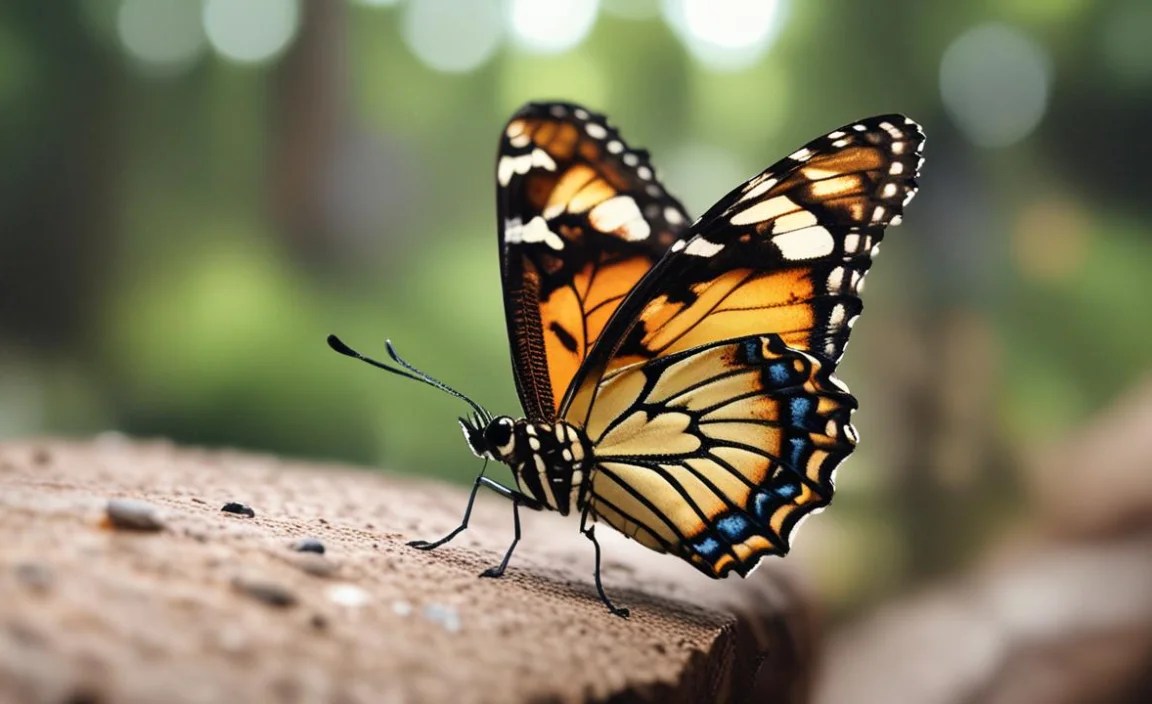
Capturing stunning photos of butterflies can be a rewarding part of your butterfly walk experience. Here are some tips to help you take better butterfly photos:
Equipment
Having the right equipment can make a big difference in the quality of your butterfly photos.
- Camera: A DSLR or mirrorless camera with a macro lens is ideal for capturing close-up shots of butterflies.
- Macro Lens: A macro lens allows you to focus on small subjects and capture intricate details.
- Tripod: A tripod can help stabilize your camera and reduce blur, especially in low light.
- External Flash: An external flash can provide additional light and help freeze motion.
Techniques
Using the right techniques can help you capture sharp, well-composed butterfly photos.
- Focus Carefully: Focus on the butterfly’s eyes or antennae to capture sharp details.
- Use a Fast Shutter Speed: Use a fast shutter speed (e.g., 1/250 second or faster) to freeze the butterfly’s motion.
- Shoot in Aperture Priority Mode: Aperture priority mode allows you to control the depth of field, blurring the background and isolating the butterfly.
- Get Close: Get as close as possible to the butterfly to capture fine details.
- Use Natural Light: Whenever possible, use natural light to illuminate your subject. Avoid using direct sunlight, which can create harsh shadows.
Ethical Considerations
When photographing butterflies, it’s important to be mindful of their well-being and avoid causing them harm.
- Avoid Disturbing Butterflies: Do not touch or handle butterflies, as this can damage their delicate wings.
- Respect Their Habitat: Stay on designated trails and avoid trampling vegetation.
- Do Not Use Bait: Avoid using bait or lures to attract butterflies, as this can disrupt their natural behavior.
- Be Patient: Butterflies can be skittish. Be patient and wait for them to land in a good spot before taking your photo.
Conservation and Respect for Nature
Butterfly walk trails are not only a source of enjoyment but also an opportunity to promote conservation and respect for nature.
Leave No Trace
Practice the principles of Leave No Trace to minimize your impact on the environment.
- Pack It In, Pack It Out: Carry out everything you carry in, including trash and food scraps.
- Stay on Trails: Stick to designated trails to avoid damaging vegetation and disturbing wildlife.
- Respect Wildlife: Observe butterflies and other wildlife from a distance and avoid disturbing them.
- Leave What You Find: Leave natural objects such as rocks, plants, and flowers in their place.
Supporting Conservation Efforts
Get involved in local conservation efforts to help protect butterfly habitats and populations.
- Volunteer: Volunteer with local conservation organizations to help restore butterfly habitats.
- Donate: Donate to organizations that are working to protect butterflies and their habitats.
- Educate Others: Share your knowledge and passion for butterflies with others.
- Advocate: Advocate for policies that protect butterfly habitats and promote conservation.
Respecting Butterfly Habitats
Be mindful of the delicate balance of butterfly habitats and take steps to minimize your impact.
- Avoid Trampling Vegetation: Stay on trails and avoid walking through sensitive areas.
- Do Not Collect Butterflies: Collecting butterflies can harm populations and disrupt ecosystems.
- Keep Pets on Leashes: Keep dogs and other pets on leashes to prevent them from disturbing butterflies and other wildlife.
- Report Invasive Species: Report sightings of invasive plants or animals to local authorities.
FAQ About Butterfly Walk Trails
Here are some frequently asked questions about butterfly walk trails:
What is the best time of year to visit a butterfly walk trail?
The best time of year to visit a butterfly walk trail is typically during the warmer months, from late spring to early fall. This is when butterflies are most active and abundant, as they rely on warm temperatures and blooming flowers for their life cycle.
What should I wear on a butterfly walk trail?
Wear light-colored clothing, long pants, and long sleeves to protect yourself from the sun and insects. Sturdy, comfortable shoes are a must for walking on uneven terrain. A hat and sunglasses will also help shield you from the sun.
What essentials should I bring on a butterfly walk?
Bring water, snacks, sunscreen, insect repellent, a butterfly field guide, binoculars, a camera, and a notebook with a pen. These items will help you stay comfortable, informed, and ready to capture the beauty of butterflies.
How can I identify different butterfly species?
Use a field guide to compare the butterfly you observe with the illustrations and descriptions. Pay attention to key features such as wing shape, color patterns, size, and flight behavior. Consider the habitat where you found the butterfly, as some species are more common in certain areas.
How can I create a butterfly-friendly habitat in my garden?
Plant nectar and host plants in clusters to attract butterflies. Provide sunlight, shelter, and water. Avoid using pesticides, as they can harm butterflies and other beneficial insects. Choose plants that are native to your area, as they are often better suited to the local climate and wildlife.
Are butterfly walk trails suitable for children?
Yes, butterfly walk trails are a great activity for children! They offer a fun and educational way to connect with nature and learn about the life cycle of butterflies. Make sure to choose trails that are appropriate for your children’s age and abilities, and bring plenty of snacks and water.
How can I support butterfly conservation efforts?
Volunteer with local conservation organizations, donate to organizations that are working to protect butterflies and their habitats, educate others about butterflies and their importance, and advocate for policies that protect butterfly habitats and promote conservation. Every little bit helps!
Conclusion
Butterfly walk trails offer a unique and enriching way to connect with nature. By following this guide, you can find the best trails, prepare for your walk, identify different butterfly species, and contribute to conservation efforts. So, grab your field guide, put on your walking shoes, and embark on a butterfly adventure. The world of fluttering wings and vibrant colors awaits you!


