
Butterfly Photography Techniques: Easy Stunning Shots

Butterfly Photography Techniques: A Beginner’s Guide
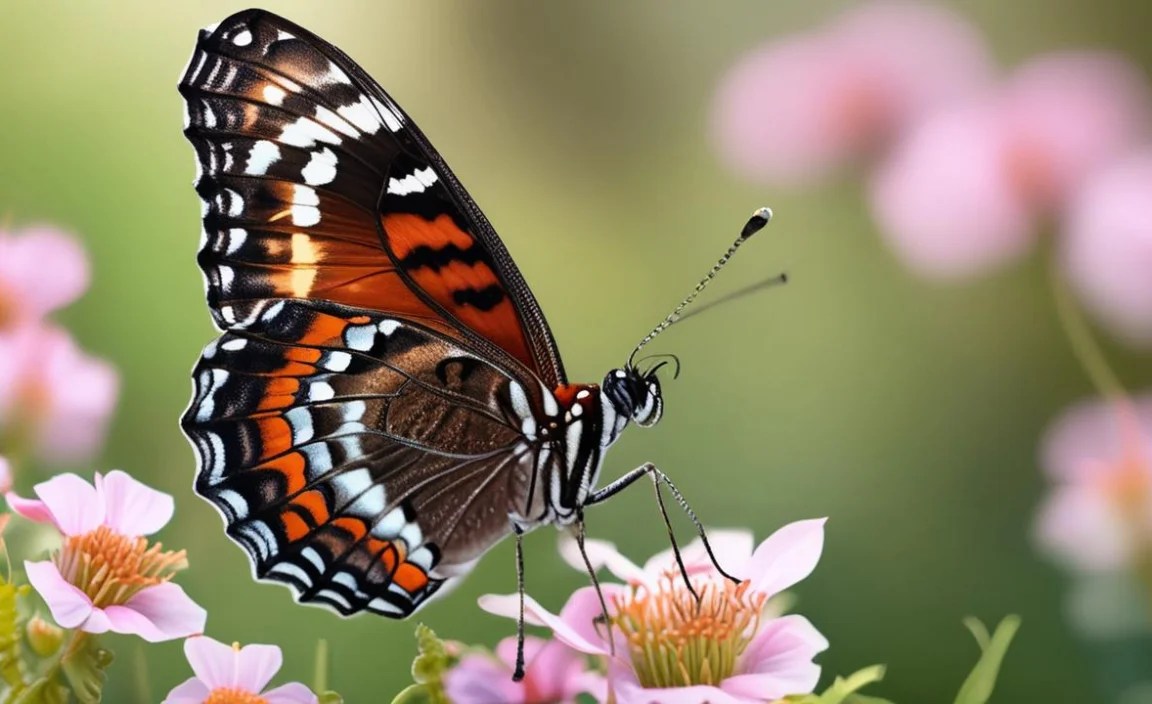
Capturing stunning butterfly photos involves patience, the right gear, and understanding butterfly behavior. Focus on getting close, using natural light, and choosing the right settings to freeze their delicate beauty. With practice, you can create breathtaking images of these winged jewels.
Butterflies – those fluttering jewels of the garden – are a favorite subject for photographers of all levels. But capturing their delicate beauty can be tricky! They’re fast, easily spooked, and often found in challenging lighting conditions. If you’ve ever felt frustrated trying to photograph these amazing creatures, don’t worry. This guide will walk you through essential butterfly photography techniques, from choosing the right equipment to understanding butterfly behavior. Ready to transform your butterfly photos from blurry blobs to breathtaking portraits? Let’s get started!
What You’ll Learn
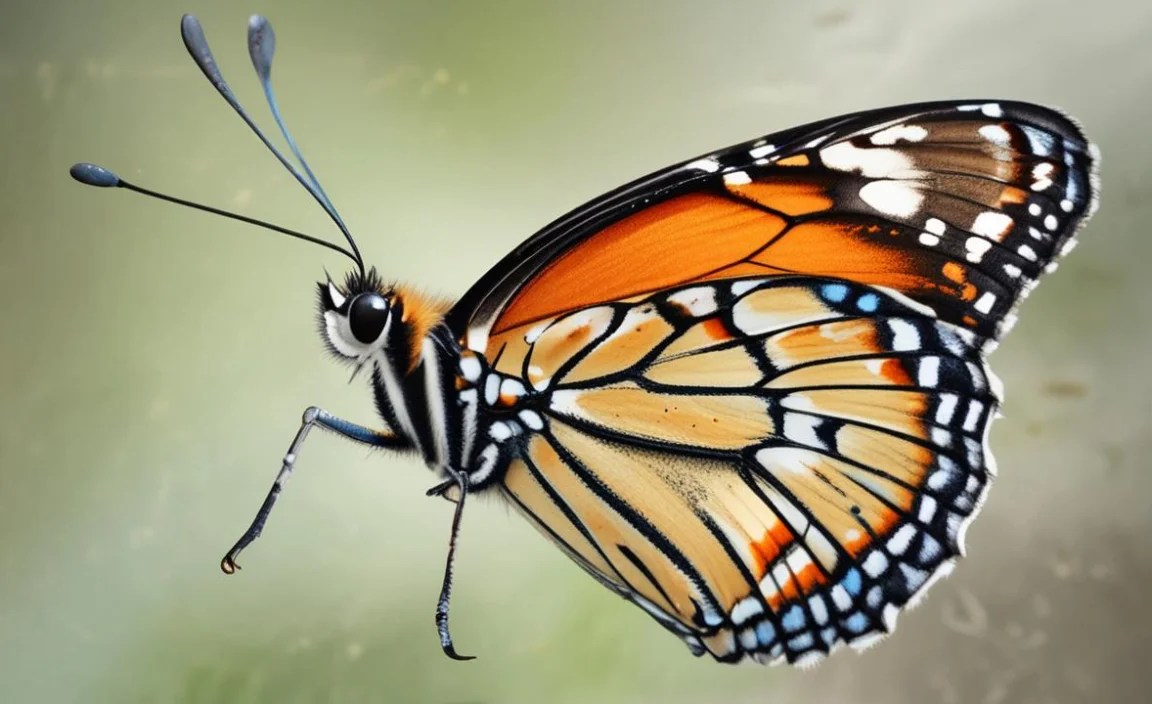
- Essential gear for butterfly photography
- Camera settings for sharp, vibrant images
- Techniques for approaching butterflies without scaring them
- How to find the best light and backgrounds
- Tips for capturing butterflies in flight
Essential Gear for Butterfly Photography

Having the right equipment can make a huge difference in your butterfly photography. You don’t need the most expensive gear, but a few key items will help you capture stunning images.
Camera
While you can take butterfly photos with a smartphone, a DSLR or mirrorless camera offers more control and better image quality. Here’s why:
- Sensor Size: Larger sensors capture more light, resulting in sharper images with less noise, especially in low light.
- Interchangeable Lenses: This allows you to use specialized lenses for macro photography or telephoto shots.
- Manual Controls: You can adjust aperture, shutter speed, and ISO to fine-tune your exposure and focus.
Lens
The lens is arguably the most important piece of equipment for butterfly photography. Here are a few options:
- Macro Lens: A true macro lens (1:1 magnification) allows you to capture extreme close-ups of butterflies, revealing intricate details. Look for lenses in the 90mm to 105mm range.
- Telephoto Lens: A telephoto lens (e.g., 70-300mm) is useful for photographing butterflies from a distance, especially skittish species.
- Zoom Lens with Macro Capability: Some zoom lenses offer a “macro” mode, but the magnification is usually not as high as a dedicated macro lens. However, these can be a good option for beginners.
Tripod
A tripod can be helpful, especially when using a macro lens or shooting in low light. It helps to stabilize the camera and prevent blurry images. Look for a lightweight and sturdy tripod that is easy to carry in the field.
Flash (Optional)
While natural light is ideal for butterfly photography, a flash can be useful in certain situations, such as overcast days or when shooting in shaded areas. Use a diffuser to soften the light and avoid harsh shadows.
Other Accessories
- Reflector: A small reflector can bounce sunlight onto your subject, filling in shadows and adding a bit of sparkle.
- Diffuser: A diffuser softens harsh sunlight, creating more even lighting.
- Camera Bag: A comfortable camera bag will protect your gear and make it easy to carry.
Camera Settings for Stunning Butterfly Photos

Mastering your camera settings is crucial for capturing sharp, vibrant butterfly photos. Here are some recommended settings:
Aperture
Aperture controls the depth of field – the area of the image that is in focus. For butterfly photography, you’ll typically want a shallow depth of field to isolate the butterfly from the background. Here’s how to choose the right aperture:
- Wide Aperture (e.g., f/2.8 to f/5.6): Creates a very shallow depth of field, blurring the background and making the butterfly stand out. Ideal for portraits.
- Narrower Aperture (e.g., f/8 to f/11): Increases the depth of field, bringing more of the butterfly into focus. Useful when you want to capture more detail.
Shutter Speed
Shutter speed controls how long the camera’s sensor is exposed to light. To freeze the motion of a butterfly, you’ll need a fast shutter speed. Here’s what to consider:
- Fast Shutter Speed (e.g., 1/250th of a second or faster): Freezes the motion of a butterfly in flight.
- Slower Shutter Speed (e.g., 1/100th of a second): Can be used for stationary butterflies, but be careful to avoid motion blur.
Tip: Use image stabilization (IS) or vibration reduction (VR) if your lens has it. This will help to reduce camera shake when using slower shutter speeds.
ISO
ISO controls the sensitivity of your camera’s sensor to light. In bright sunlight, you can use a low ISO setting (e.g., ISO 100) for the best image quality. In low light, you may need to increase the ISO, but be aware that higher ISO settings can introduce noise into your images.
Tip: Try to keep your ISO as low as possible to minimize noise. Use a tripod if you need to use a slower shutter speed to keep the ISO down.
Focusing Mode
Accurate focus is essential for sharp butterfly photos. Here are some focusing modes to consider:
- Single-Point Autofocus (AF-S or One-Shot AF): Allows you to select a single focus point. Use this for stationary butterflies.
- Continuous Autofocus (AF-C or AI Servo AF): Continuously adjusts the focus as the subject moves. Use this for butterflies in flight.
- Manual Focus (MF): Can be useful for macro photography, where autofocus may struggle to lock on.
Shooting Mode
- Aperture Priority (Av or A): Allows you to set the aperture while the camera automatically adjusts the shutter speed. This is a good choice for controlling depth of field.
- Shutter Priority (Tv or S): Allows you to set the shutter speed while the camera automatically adjusts the aperture. This is a good choice for freezing motion.
- Manual (M): Gives you full control over both aperture and shutter speed. This is the most advanced mode, but it allows you to fine-tune your exposure.
White Balance
White balance ensures that the colors in your photos are accurate. Auto white balance (AWB) usually works well in most situations. However, you can also choose a specific white balance setting, such as “Daylight” or “Cloudy,” to fine-tune the colors.
Approaching Butterflies: Patience is Key
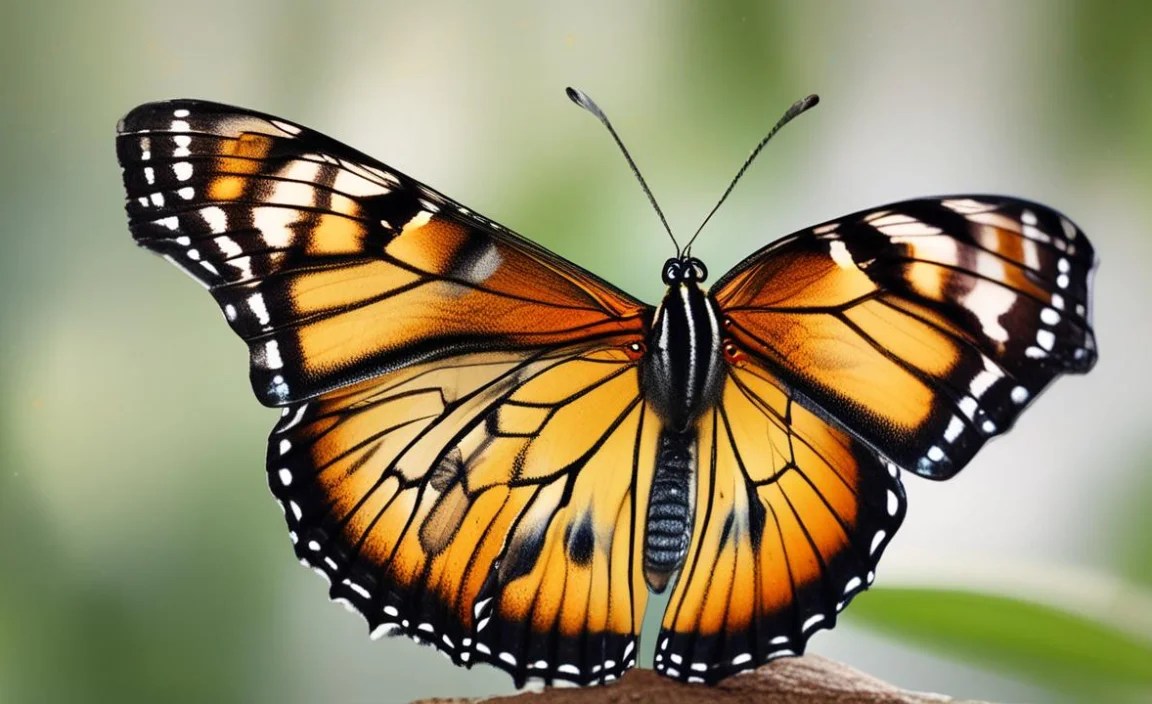
Butterflies are easily startled, so it’s important to approach them slowly and carefully. Here are some tips:
- Move Slowly: Avoid sudden movements that might scare the butterfly away.
- Approach from the Side: Butterflies have a wide field of vision, so approaching from the side is less threatening.
- Be Patient: Wait for the butterfly to settle down before taking your photo.
- Avoid Shadows: Don’t cast a shadow on the butterfly, as this can startle it.
- Respect Their Space: Don’t get too close, as this can stress the butterfly.
Finding the Best Light and Backgrounds
The quality of light and the background can have a big impact on your butterfly photos. Here are some things to consider:
Light
- Golden Hour: The hour after sunrise and the hour before sunset provide soft, warm light that is ideal for butterfly photography.
- Overcast Days: Overcast days provide soft, even light that eliminates harsh shadows.
- Avoid Midday Sun: The harsh midday sun can create strong shadows and wash out colors. If you must shoot in midday sun, try to find a shaded area.
Backgrounds
- Simple Backgrounds: Choose a background that is not too distracting. A blurred background (bokeh) can help to isolate the butterfly.
- Complementary Colors: Look for backgrounds that complement the colors of the butterfly. For example, a green background can look great with a brightly colored butterfly.
- Consider the Angle: Experiment with different angles to find the most pleasing background.
Capturing Butterflies in Flight
Photographing butterflies in flight is one of the most challenging, but also one of the most rewarding, aspects of butterfly photography. Here are some tips:
- Use Continuous Autofocus: Set your camera to continuous autofocus (AF-C or AI Servo AF) to track the butterfly as it moves.
- Use a Fast Shutter Speed: Use a shutter speed of 1/500th of a second or faster to freeze the motion of the butterfly’s wings.
- Burst Mode: Use burst mode to take a series of photos in quick succession. This will increase your chances of capturing a sharp image.
- Pre-Focus: Pre-focus on a flower or other object where you expect the butterfly to land.
- Practice: Photographing butterflies in flight takes practice. Don’t get discouraged if you don’t get it right away.
Ethical Butterfly Photography
It’s important to practice ethical butterfly photography. Here are some guidelines:
- Don’t Disturb Their Habitat: Stay on trails and avoid trampling vegetation.
- Don’t Handle Butterflies: Handling butterflies can damage their delicate wings.
- Don’t Remove Butterflies from Their Habitat: Never take butterflies from their natural environment.
- Be Mindful of Other Wildlife: Be aware of other animals in the area and avoid disturbing them.
- Support Conservation Efforts: Support organizations that are working to protect butterflies and their habitats. The Xerces Society is a great resource!
Post-Processing Tips
Post-processing can enhance your butterfly photos. Here are some common adjustments:
- Exposure: Adjust the exposure to brighten or darken the image.
- Contrast: Adjust the contrast to increase the separation between light and dark areas.
- White Balance: Fine-tune the white balance to ensure accurate colors.
- Sharpening: Sharpen the image to bring out details.
- Noise Reduction: Reduce noise in high-ISO images.
- Cropping: Crop the image to improve the composition.
Butterfly Photography Techniques – A Summary Table
| Technique | Description | Benefits |
|---|---|---|
| Macro Lens | Allows extreme close-ups, revealing intricate details. | Captures fine details, isolates subject. |
| Wide Aperture | Creates shallow depth of field, blurring background. | Draws focus to the butterfly, artistic effect. |
| Fast Shutter Speed | Freezes motion of wings, preventing blur. | Sharp images of flying butterflies. |
| Continuous Autofocus | Tracks moving butterflies, keeping them in focus. | Essential for flight shots. |
| Patience | Approach slowly, wait for the butterfly to settle. | Reduces the chance of startling the butterfly. |
| Golden Hour Lighting | Soft, warm light enhances colors and details. | Ideal lighting conditions for vibrant images. |
The Butterfly Life Cycle – A Detailed Table
| Stage | Description | Duration | Key Characteristics |
|---|---|---|---|
| Egg | Small, often laid on specific host plants. | 3-7 days | Various shapes and colors, attached to leaves or stems. |
| Larva (Caterpillar) | Feeding and growing stage with multiple molts. | 2-4 weeks | Voracious appetite, camouflaged or brightly colored. |
| Pupa (Chrysalis) | Transformation stage inside a protective shell. | 1-2 weeks | Hardened outer layer, camouflaged or metallic appearance. |
| Adult (Butterfly) | Reproductive stage with wings for flight and nectar feeding. | 2 weeks to several months | Brightly colored wings, long proboscis for feeding. |
FAQ About Butterfly Photography
What’s the best lens for butterfly photography?
A macro lens (90mm-105mm) is ideal for extreme close-ups, while a telephoto lens (70-300mm) is great for butterflies that are easily spooked. A zoom lens with macro capability can be a good compromise.
What camera settings should I use?
Use a wide aperture (f/2.8-f/5.6) for a shallow depth of field, a fast shutter speed (1/250th of a second or faster) to freeze motion, and a low ISO (ISO 100) in bright light. Adjust as needed for lighting conditions.
How do I approach a butterfly without scaring it?
Move slowly, approach from the side, be patient, avoid casting shadows, and respect their space. It’s all about being gentle and non-threatening.
What’s the best time of day to photograph butterflies?
The golden hour (hour after sunrise and before sunset) provides soft, warm light. Overcast days also offer even lighting without harsh shadows.
How can I capture butterflies in flight?
Use continuous autofocus, a fast shutter speed (1/500th of a second or faster), and burst mode. Pre-focus on a flower where you expect the butterfly to land.
Is it ethical to handle butterflies for photos?
No, handling butterflies can damage their delicate wings. It’s best to photograph them in their natural environment without disturbing them.
How can I attract butterflies to my garden for photography?
Plant butterfly-friendly flowers that provide nectar, host plants for caterpillars, and avoid using pesticides. A shallow dish of water with pebbles can also attract them.
Conclusion
Butterfly photography is a rewarding pursuit that combines technical skill with a love of nature. By understanding the right gear, camera settings, and techniques, you can capture stunning images of these delicate creatures. Remember to be patient, respectful, and ethical in your approach. With practice, you’ll develop your own unique style and create breathtaking butterfly portraits that showcase the beauty of the natural world. So grab your camera, head out to your nearest garden or nature reserve, and start capturing the magic of butterflies!


