
Chrysalis Identification Chart: Free & Easy ID

Quick Summary:
Identifying a chrysalis can be fun! Look for key features like size, shape, color, and any unique markings. Note the plants it’s attached to, and the location. Compare your observations with a chrysalis identification chart or online resources to narrow down the possibilities. With a little patience, you’ll be able to name that future butterfly!
Have you ever spotted a beautiful, jewel-like object hanging from a plant and wondered what it was? Chances are, you’ve found a chrysalis – the pupal stage of a butterfly! It can be tricky to tell exactly which butterfly is developing inside. But don’t worry! Identifying a chrysalis is easier than you might think. By paying close attention to a few key details, you can unlock the mystery. This guide will walk you through the process step-by-step, so you can confidently identify the chrysalis you’ve found.
Understanding the Chrysalis Stage
Before we dive into identification, let’s quickly review what a chrysalis actually is. It’s a transitional phase in a butterfly’s life, where a caterpillar transforms into a beautiful butterfly. The chrysalis is like a protective shell where all the magic happens!
Inside the chrysalis, the caterpillar’s body breaks down and reorganizes into the butterfly we all know and love. This process can take anywhere from a few weeks to a couple of years, depending on the butterfly species. The length of time a butterfly spends in its chrysalis depends on factors like temperature, sunlight and species.
Key Terms to Know
- Pupa: The general term for the insect stage between larva and adult (the chrysalis is a type of pupa).
- Cremaster: A small, hook-like structure at the end of the chrysalis that attaches it to a surface.
- Instar: A stage in the life of an insect or other arthropod between molts (when the shell is shed).
Tools for Chrysalis Identification
Having the right tools can make chrysalis identification easier and more accurate. Here are a few things that can help:
- Magnifying glass: For examining small details and markings.
- Camera or smartphone: To take clear photos for later comparison.
- Notebook and pen: To record your observations.
- Chrysalis identification chart or field guide: These resources provide images and descriptions of different chrysalis species. You can find these online or at your local library or bookstore.
- Online resources: Websites and forums dedicated to butterflies and insect identification.
Step-by-Step Guide to Chrysalis Identification
Now, let’s get started with the identification process. Follow these steps to narrow down the possibilities and identify the chrysalis you’ve found.
Step 1: Observe the Chrysalis Carefully
The first step is to take a close look at the chrysalis. Note its size, shape, color, and any unique markings. Here are some things to consider:
- Size: Is it small, medium, or large? Measure its length and width if possible.
- Shape: Is it smooth, angular, or bumpy? Does it have any distinct features, like spines or ridges?
- Color: What is the dominant color? Are there any patterns, spots, or stripes? Note any metallic or iridescent colors.
- Markings: Are there any unique markings, like spots, lines, or patterns? Pay attention to their color, shape, and arrangement.
Step 2: Note the Location and Host Plant
The location of the chrysalis and the type of plant it’s attached to can provide valuable clues. Some butterfly species are very specific about the plants their caterpillars eat and where they pupate. Consider the following:
- Location: Where did you find the chrysalis? Was it in a garden, forest, field, or other habitat?
- Host plant: What type of plant is the chrysalis attached to? If you don’t know the plant, take a picture and try to identify it later.
Different butterfly species prefer different host plants. For example, Monarch caterpillars feed exclusively on milkweed. If you find a chrysalis on milkweed, it’s likely a Monarch.
Step 3: Consider the Time of Year
The time of year can also help narrow down the possibilities. Some butterfly species only emerge during certain seasons. For example, some butterflies hibernate as pupae during the winter and emerge in the spring. If you find a chrysalis in the fall, it might be one of these overwintering species.
Step 4: Use a Chrysalis Identification Chart or Field Guide
Now that you’ve gathered your observations, it’s time to consult a chrysalis identification chart or field guide. These resources provide images and descriptions of different chrysalis species, making it easier to compare your findings.
Here’s an example of what a chrysalis identification chart might look like:
| Species | Size | Shape | Color | Markings | Host Plant |
|---|---|---|---|---|---|
| Monarch (Danaus plexippus) | Medium (2-3 cm) | Smooth, cylindrical | Green with gold spots | Gold spots around the top | Milkweed (Asclepias spp.) |
| Swallowtail (Papilio spp.) | Large (3-5 cm) | Angular, bumpy | Green or brown | Often has a stripe or spots | Various (depending on species) |
| Painted Lady (Vanessa cardui) | Small (1-2 cm) | Smooth, spindle-shaped | Variable (green, brown, gray) | Small spots or lines | Thistle, mallow |
Step 5: Compare Your Observations
Carefully compare your observations with the images and descriptions in the chart or guide. Look for similarities in size, shape, color, markings, and host plant. If you find a match, you’ve likely identified the chrysalis!
If you’re having trouble finding a match, don’t give up. Try searching online for images of chrysalises that match your observations. You can also post a picture of the chrysalis on a butterfly identification forum and ask for help from experienced enthusiasts.
Step 6: Monitor the Chrysalis (Optional)
If you’re curious to see what butterfly emerges from the chrysalis, you can monitor it until it hatches. Place the chrysalis in a safe, enclosed container with some of its host plant. Make sure the container has adequate ventilation and is kept in a location with appropriate temperature and humidity. Be patient, as it may take several days or weeks for the butterfly to emerge.
Chrysalis Color and Camouflage
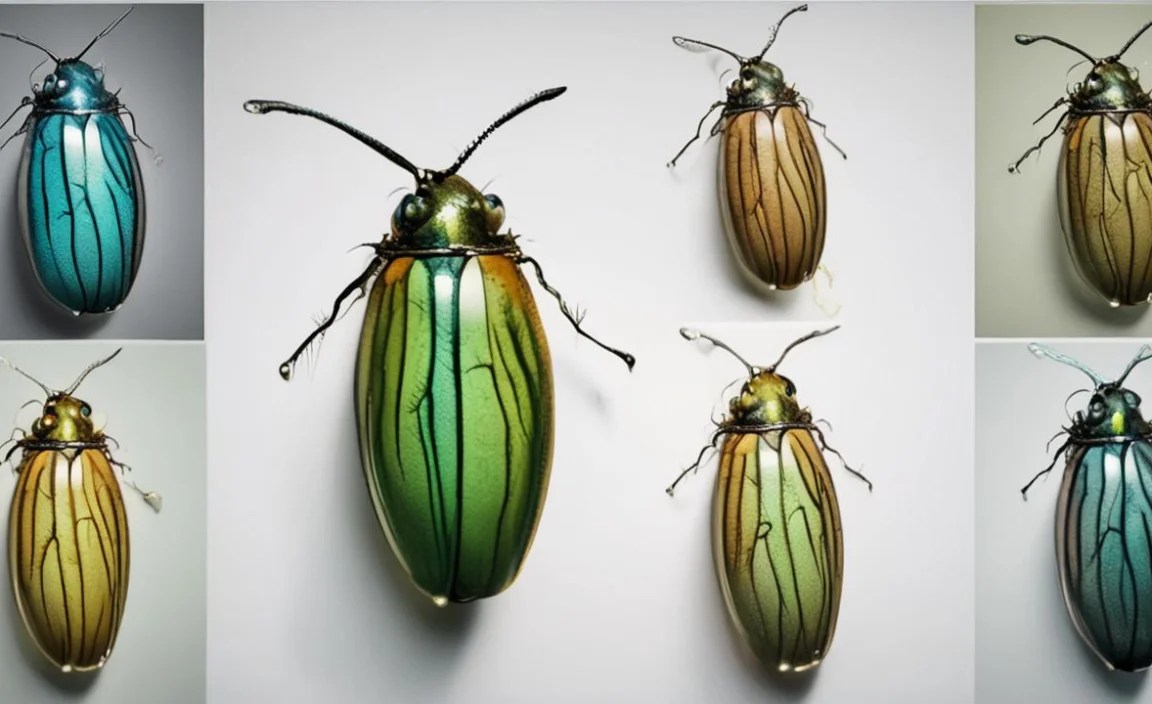
Chrysalises come in a stunning array of colors, each serving a purpose in the butterfly’s survival. Here’s a closer look at the fascinating world of chrysalis color and camouflage:
- Green: Green chrysalises are common and blend in with foliage, providing excellent camouflage.
- Brown: Brown chrysalises resemble twigs or bark, making them difficult to spot.
- Metallic: Some chrysalises have metallic gold or silver markings, which may startle predators or reflect sunlight, making them harder to see.
- Translucent: Some chrysalises are translucent, allowing you to see the developing butterfly inside!
The color and pattern of a chrysalis are determined by a variety of factors, including genetics, environment, and the presence of predators. Some chrysalises can even change color to better match their surroundings.
Camouflage is essential for chrysalises because they are vulnerable to predators such as birds, lizards, and insects. By blending in with their surroundings, chrysalises can increase their chances of survival.
Common Chrysalis Identification Challenges and Solutions
Identifying a chrysalis can be challenging, especially if you’re new to butterfly identification. Here are some common challenges and solutions:
- Challenge: The chrysalis is damaged or incomplete.
- Solution: Look for any remaining features that can help with identification, such as color, markings, or host plant. If possible, consult with an expert or post a picture on a butterfly identification forum.
- Challenge: The chrysalis is very small or difficult to see.
- Solution: Use a magnifying glass to examine the chrysalis more closely. Take a picture and zoom in on the image to see more detail.
- Challenge: The chrysalis looks different from the pictures in the identification chart or field guide.
- Solution: Remember that chrysalises can vary in color and markings depending on their environment. Look for other similarities, such as size, shape, and host plant.
Attracting Butterflies to Your Garden
One of the best ways to see more chrysalises is to attract butterflies to your garden. Here are some tips:
- Plant host plants: Provide food for caterpillars by planting the host plants that they need to survive.
- Plant nectar plants: Provide food for adult butterflies by planting nectar-rich flowers.
- Provide a water source: Butterflies need water to drink. Place a shallow dish of water with pebbles or sand in your garden.
- Avoid pesticides: Pesticides can harm or kill butterflies and caterpillars. Use organic gardening methods instead.
- Provide shelter: Butterflies need shelter from wind and rain. Plant trees and shrubs to provide cover.
Chrysalis Look-Alikes
Sometimes, what you think is a chrysalis might be something else entirely. Here are some common chrysalis look-alikes:
- Cocoons: Cocoons are the pupal stage of moths. They are typically wrapped in silk and may be found in different locations than chrysalises.
- Insect galls: Insect galls are abnormal growths on plants caused by insects. They can resemble chrysalises in shape and color.
- Bird droppings: Some bird droppings can resemble chrysalises in shape and color.
If you’re unsure whether you’ve found a chrysalis, take a closer look and compare it to pictures of chrysalis look-alikes. If it is attached to the plant by silk, this can often indicate it is a moth cocoon rather than a chrysalis.
Chrysalis Symbolism and Meaning
Chrysalises have been used as symbols in art, literature, and spirituality for centuries. They often represent transformation, rebirth, and potential. The chrysalis symbolizes the process of inner growth and the emergence of something new and beautiful.
In some cultures, the chrysalis is also associated with patience, perseverance, and hope. It reminds us that even in the darkest of times, there is always the possibility of transformation and renewal.
Interesting Facts About Chrysalises
Here are some fascinating facts about chrysalises that you might not know:
- Some chrysalises can move! They wiggle or shake to startle predators or dislodge themselves from danger.
- Some chrysalises can make sounds! They click or rustle to ward off predators.
- The color of a chrysalis can be influenced by its environment. For example, a chrysalis that develops in a green environment may be greener than one that develops in a brown environment.
The Importance of Butterfly Conservation
Butterflies are an important part of our ecosystem. They pollinate plants, provide food for other animals, and serve as indicators of environmental health. Unfortunately, many butterfly species are in decline due to habitat loss, pesticide use, and climate change.
We can all do our part to help protect butterflies by planting butterfly gardens, avoiding pesticides, and supporting conservation organizations. By working together, we can ensure that these beautiful creatures continue to thrive for generations to come.
Chrysalis Identification Chart Examples
Here are a few examples of common butterflies and their chrysalis characteristics. Remember that variations can occur!
| Butterfly | Chrysalis Size | Chrysalis Shape | Chrysalis Color | Distinguishing Features | Typical Location |
|---|---|---|---|---|---|
| Monarch | 2-3 cm | Smooth, cylindrical | Bright green | Gold dots near the top edge | Hanging upside down from milkweed leaves or stems |
| Black Swallowtail | 3-4 cm | Angular, stout | Green or brown | May have yellow spots; resembles a curled leaf | Attached to stems or leaves of host plants like parsley, dill, or fennel |
| Painted Lady | 1.5-2 cm | Spindle-shaped | Variable: gray, brown, or greenish | Small silver or gold spots; prickly appearance | Hanging from a silk pad on various host plants |
| Gulf Fritillary | 2-3 cm | Elongated | Brown or tan | Metallic silver spots; thorny appearance | Hanging on passionflower vines |
| Question Mark | 2-3 cm | Curled, leaf-like | Brown or green | Two metallic silver spots on the side resembling a question mark | Attached to tree trunks or underside of leaves |
Where to Find More Information
Here are some reliable resources for further butterfly and chrysalis identification:
- The Xerces Society: https://xerces.org/
- Butterflies and Moths of North America: https://www.butterfliesandmoths.org/
- Local Field Guides: Check your local bookstore or library for regional butterfly guides.
FAQ About Chrysalis Identification
What is the difference between a chrysalis and a cocoon?
A chrysalis is the pupal stage of a butterfly, while a cocoon is the pupal stage of a moth. Chrysalises are typically hard and smooth, while cocoons are wrapped in silk.
How long does it take for a butterfly to emerge from a chrysalis?
The time it takes for a butterfly to emerge from a chrysalis varies depending on the species and environmental conditions. It can take anywhere from a few weeks to a couple of years.
Can I move a chrysalis?
It’s best to avoid moving a chrysalis if possible. However, if you must move it, handle it very carefully and try to reattach it to its host plant in a safe location.
What do I do if I find a damaged chrysalis?
If you find a damaged chrysalis, try to protect it from predators and the elements. If the damage is minor, the butterfly may still be able to emerge successfully. You can also consult with an expert or post a picture on a butterfly identification forum.
How can I tell if a chrysalis is still alive?
A healthy chrysalis should feel firm and have a healthy color. If the chrysalis is dark, mushy, or has a foul odor, it may be dead.
Do all caterpillars make a chrysalis?
No, only butterflies form chrysalises. Moths create cocoons made of silk.
Can I touch a chrysalis?
It’s best to avoid touching a chrysalis unless necessary, as it can damage the delicate pupa inside. If you need to handle a chrysalis, do so gently and with clean hands.
Conclusion
Identifying chrysalises can be a rewarding and educational experience. By following the steps outlined in this guide, you can unlock the mysteries of the butterfly world and gain a deeper appreciation for these amazing creatures. So, the next time you spot a chrysalis, take a closer look and see if you can identify it. You might be surprised at what you discover!
By understanding and protecting butterflies and their habitats, we can help ensure that these beautiful creatures continue to grace our world with their presence for generations to come. Every small effort, from planting a butterfly garden to supporting conservation organizations, makes a difference. Let’s all do our part to create a world where butterflies can thrive!


