
Monarch Butterfly Breeding in Captivity: Easy Guide

Breeding monarch butterflies in captivity involves creating a safe environment, providing host plants like milkweed for caterpillars, and protecting them from predators. This helps boost monarch populations, which are facing decline. By following a few simple steps, you can successfully raise these beautiful butterflies at home and contribute to their conservation.
Have you ever dreamed of seeing a monarch butterfly flutter from its chrysalis right before your eyes? Or maybe you’re concerned about the declining monarch population and want to do something to help. Raising monarch butterflies in captivity can be a rewarding and educational experience. It’s like having a front-row seat to one of nature’s most amazing transformations. But where do you start? What do you need? Don’t worry, it’s easier than you think!
In this guide, I’ll walk you through each step of raising monarch butterflies, from finding eggs to releasing healthy adults. We’ll cover everything from setting up the perfect habitat to dealing with common problems. By the end, you’ll have all the knowledge you need to successfully breed these amazing creatures and contribute to their conservation.
Why Breed Monarch Butterflies in Captivity?
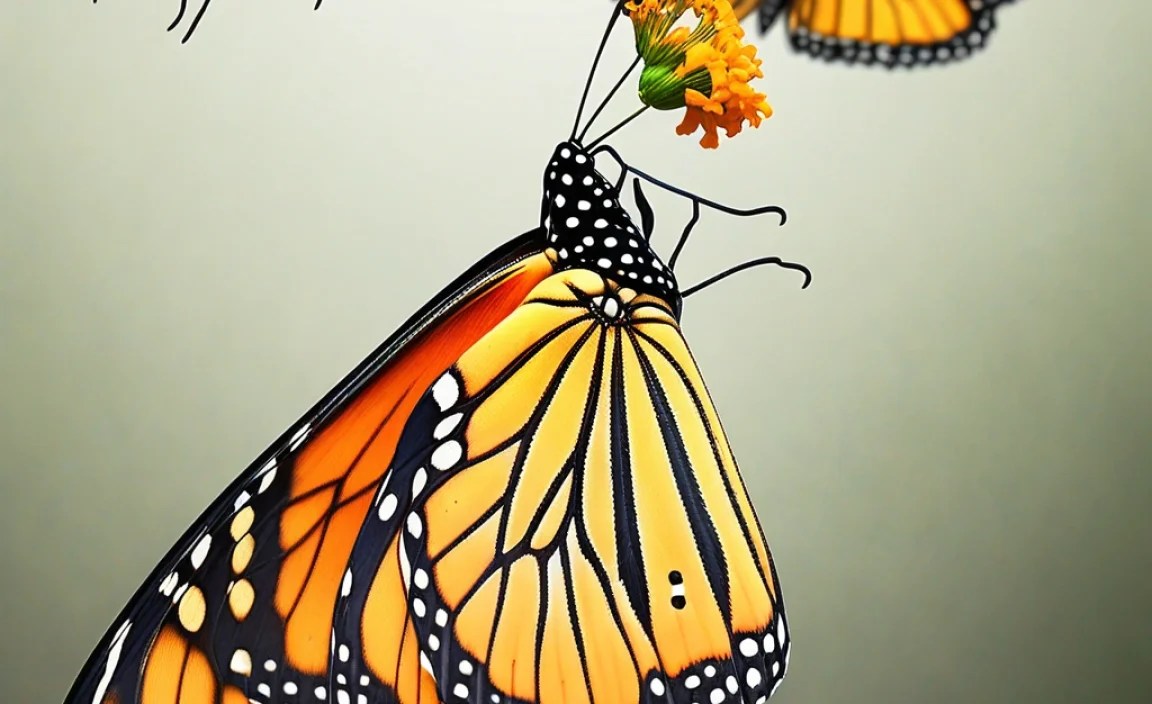
Monarch butterfly populations have been declining for years due to habitat loss, climate change, and pesticide use. By raising them in captivity, you can significantly increase their chances of survival. In the wild, only a small percentage of monarch eggs and caterpillars make it to adulthood due to predators and environmental factors.
Captive breeding allows you to protect them during their most vulnerable stages. You can create a safe environment, free from predators and harsh weather, and provide them with a constant food supply. This greatly increases their survival rate and helps boost the overall monarch population. Plus, it’s an incredible learning experience for you and your family!
Getting Started: What You’ll Need

Before you start, gather the necessary supplies to ensure a successful breeding experience. Here’s a list of essentials:
- Milkweed Plants: This is the only food source for monarch caterpillars. You can find milkweed at local nurseries or online. Common varieties include common milkweed (Asclepias syriaca), swamp milkweed (Asclepias incarnata), and butterfly weed (Asclepias tuberosa).
- Enclosure: A mesh cage, aquarium, or even a repurposed laundry basket can work. Make sure it’s well-ventilated and large enough to house your caterpillars and butterflies. A size of at least 12x12x12 inches is recommended for a few caterpillars.
- Water Source: Monarchs need water, but they can’t drink from open water sources like bowls. Instead, provide a shallow dish with wet sand or a damp sponge.
- Spray Bottle: Use this to mist the milkweed and provide humidity for the caterpillars.
- Paper Towels: These are useful for lining the bottom of the enclosure and cleaning up messes.
- Magnifying Glass: This can help you find tiny monarch eggs on the milkweed leaves.
Step-by-Step Guide to Breeding Monarch Butterflies
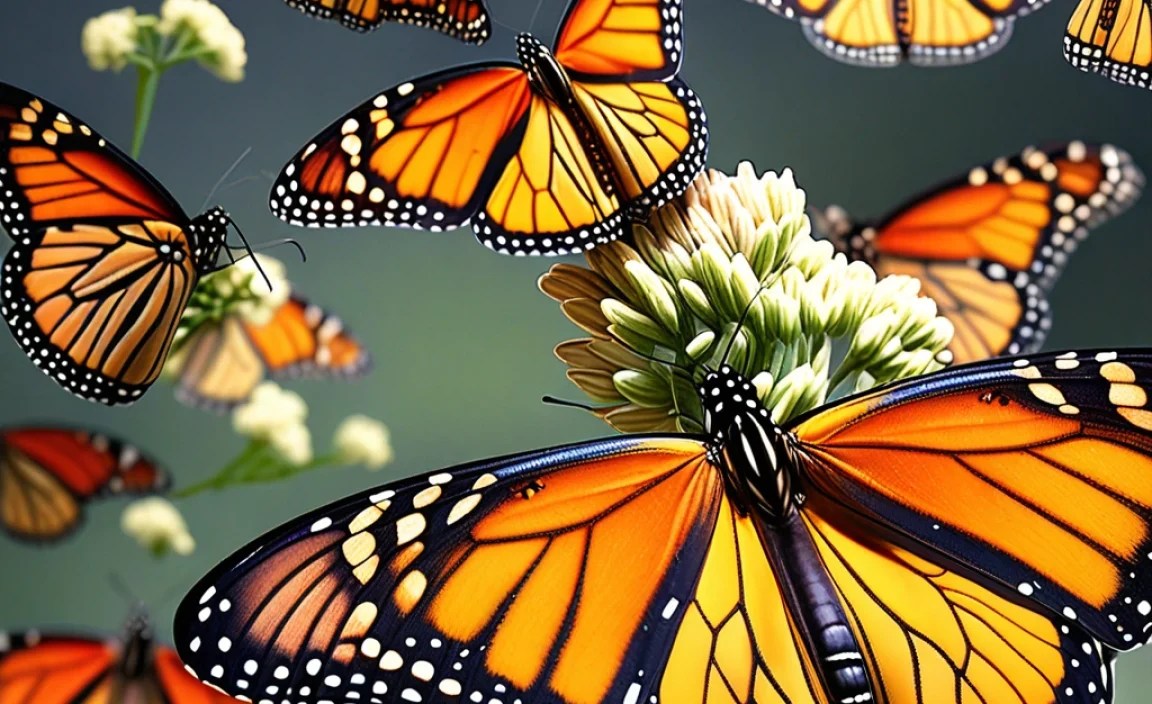
Now, let’s dive into the step-by-step process of breeding monarch butterflies in captivity:
Step 1: Finding Monarch Eggs or Caterpillars
The first step is to find monarch eggs or caterpillars. The best place to look is on milkweed plants. Monarch butterflies lay their eggs individually on the underside of milkweed leaves. The eggs are tiny, cream-colored, and oval-shaped.
Carefully inspect the milkweed leaves, especially the undersides. Look for small, white or yellow eggs. You can also look for tiny caterpillars, which are black, white, and yellow striped.
If you find eggs or caterpillars, gently remove the leaf they are on and place it in your enclosure. Be careful not to damage the eggs or caterpillars during the transfer.
Step 2: Setting Up the Enclosure
A proper enclosure is crucial for raising healthy monarch butterflies. Here’s how to set it up:
- Clean the Enclosure: Wash the enclosure with soap and water to remove any dirt or contaminants. Rinse it thoroughly and let it dry completely.
- Line the Bottom: Line the bottom of the enclosure with paper towels. This will make it easier to clean up frass (caterpillar poop).
- Add Milkweed: Place the milkweed cuttings with eggs or caterpillars inside the enclosure. You can put the stems in a small vase or jar filled with water to keep them fresh. Cover the top of the vase or jar with plastic wrap or foil to prevent the caterpillars from falling in and drowning.
- Provide a Water Source: Place a shallow dish with wet sand or a damp sponge in the enclosure. This will provide a water source for the caterpillars and butterflies.
- Ensure Ventilation: Make sure the enclosure has adequate ventilation. This will help prevent the growth of mold and bacteria.
Step 3: Caring for the Caterpillars
Caterpillars are voracious eaters, so you’ll need to provide them with a constant supply of fresh milkweed. Here’s how to care for them:
- Replace Milkweed Regularly: Replace the milkweed every day or two, or whenever it starts to wilt or dry out. Fresh milkweed is essential for the caterpillars’ growth and development.
- Clean the Enclosure: Clean the enclosure regularly to remove frass and prevent the growth of mold and bacteria. You can use a small brush or vacuum cleaner to remove the frass.
- Mist the Caterpillars: Mist the caterpillars with water every day or two to provide humidity. This will help them shed their skin properly.
- Observe the Caterpillars: Observe the caterpillars regularly to monitor their health and development. Look for any signs of illness or disease, such as lethargy or discoloration.
Step 4: The Chrysalis Stage
After about two weeks, the caterpillars will be ready to pupate. They will hang upside down from a leaf or the top of the enclosure and form a chrysalis. The chrysalis is a green, jade-like shell that protects the caterpillar as it transforms into a butterfly.
During the chrysalis stage, it’s important to:
- Avoid Disturbing the Chrysalis: Do not touch or move the chrysalis. It is very fragile and can be easily damaged.
- Maintain Humidity: Continue to mist the enclosure to maintain humidity. This will help prevent the chrysalis from drying out.
- Be Patient: The chrysalis stage lasts about 10-14 days. Be patient and wait for the butterfly to emerge.
Step 5: Butterfly Emergence
After about two weeks, the chrysalis will turn clear, and you’ll be able to see the butterfly inside. This is a sign that the butterfly is about to emerge.
When the butterfly emerges, it will hang upside down from the chrysalis and pump fluid into its wings. This process can take several hours. Do not disturb the butterfly during this time.
Once the butterfly’s wings are fully expanded and dry, it will fly around the enclosure. This is a sign that it’s ready to be released.
Step 6: Releasing the Butterflies
The final step is to release the butterflies into the wild. Choose a warm, sunny day with little wind. Take the enclosure outside and open the door. The butterflies will fly out on their own.
Before releasing the butterflies, consider tagging them with a small sticker. This will help scientists track their migration patterns and learn more about their behavior. You can purchase tagging kits online or from butterfly conservation organizations like Monarch Watch (https://monarchwatch.org/tagmig/tag.htm).
Releasing the butterflies is a rewarding experience. You’ve helped contribute to the monarch population and given these beautiful creatures a chance to thrive in the wild.
Troubleshooting Common Problems
Even with the best care, problems can sometimes arise when breeding monarch butterflies. Here are some common issues and how to address them:
Caterpillar Diseases
Caterpillars are susceptible to various diseases, such as OE (Ophryocystis elektroscirrha), a protozoan parasite. Symptoms of OE include lethargy, black spots, and failure to pupate. To prevent OE, maintain a clean enclosure and use fresh milkweed. If you suspect a caterpillar has OE, isolate it from the others.
You can learn more about OE and other monarch diseases from organizations like the Monarch Joint Venture (https://monarchjointventure.org/).
Predators
Even in captivity, caterpillars can be vulnerable to predators such as wasps, spiders, and ants. Make sure your enclosure is secure and free from gaps or holes. Regularly inspect the enclosure for predators and remove them if found.
Lack of Milkweed
Caterpillars need a constant supply of fresh milkweed to thrive. If you run out of milkweed, they may starve or become weakened. Plant plenty of milkweed in your garden or purchase it from a local nursery to ensure a continuous supply.
Butterfly Wing Problems
Sometimes, butterflies may emerge with deformed or damaged wings. This can be caused by low humidity, overcrowding, or injury during the chrysalis stage. Maintain adequate humidity in the enclosure and avoid overcrowding. If a butterfly emerges with damaged wings, it may not be able to fly and survive in the wild.
Tips for Success
Here are some additional tips to help you succeed in breeding monarch butterflies:
- Start Small: Begin with a small number of eggs or caterpillars to gain experience.
- Be Patient: Raising monarch butterflies takes time and patience. Don’t get discouraged if you encounter problems along the way.
- Keep Records: Keep track of your observations, such as the date you found the eggs, when the caterpillars pupated, and when the butterflies emerged. This will help you learn more about the monarch life cycle and improve your breeding techniques.
- Join a Community: Connect with other butterfly enthusiasts online or in person. You can share your experiences, ask questions, and learn from others.
Monarch Butterfly Life Cycle
Understanding the monarch butterfly life cycle is essential for successful breeding. Here’s a brief overview:
| Stage | Description | Duration |
|---|---|---|
| Egg | Tiny, cream-colored, oval-shaped eggs laid on milkweed leaves. | 3-5 days |
| Larva (Caterpillar) | Black, white, and yellow striped caterpillars that feed exclusively on milkweed. | 2-3 weeks |
| Pupa (Chrysalis) | Green, jade-like shell that protects the caterpillar as it transforms into a butterfly. | 10-14 days |
| Adult Butterfly | Orange and black butterfly with a wingspan of 3-4 inches. | 2-6 weeks |
Choosing the Right Milkweed
Selecting the right type of milkweed is crucial for monarch caterpillars. Here’s a comparison of common milkweed varieties:
| Milkweed Variety | Description | Growing Conditions | Notes |
|---|---|---|---|
| Common Milkweed (Asclepias syriaca) | Tall, robust plant with large leaves and fragrant pink flowers. | Full sun, well-drained soil. | Spreads aggressively, best suited for large gardens or natural areas. |
| Swamp Milkweed (Asclepias incarnata) | Upright plant with narrow leaves and clusters of pink or purple flowers. | Full sun, moist soil. | More compact than common milkweed, suitable for smaller gardens. |
| Butterfly Weed (Asclepias tuberosa) | Clump-forming plant with bright orange or yellow flowers. | Full sun, well-drained soil. | Drought-tolerant, attracts a variety of pollinators. |
FAQ: Breeding Monarch Butterflies in Captivity
1. Is it legal to raise monarch butterflies?
Yes, in most areas, it is legal to raise monarch butterflies for educational and conservation purposes. However, it’s always a good idea to check with your local wildlife agency for any specific regulations or restrictions.
2. How many monarch eggs or caterpillars should I raise at once?
It’s best to start with a small number, such as 5-10 eggs or caterpillars. This will allow you to learn the process and avoid overcrowding. As you gain experience, you can gradually increase the number.
3. What do I do if I find a caterpillar that looks sick?
If you find a caterpillar that looks sick, isolate it from the others to prevent the spread of disease. Contact a butterfly expert or conservation organization for advice on how to treat the caterpillar.
4. How often should I clean the enclosure?
You should clean the enclosure every day or two to remove frass and prevent the growth of mold and bacteria. Use a small brush or vacuum cleaner to remove the frass.
5. Can I raise monarch butterflies indoors?
Yes, you can raise monarch butterflies indoors. However, it’s important to provide them with adequate light, ventilation, and humidity. Place the enclosure near a window or use a grow light to provide light. Make sure the enclosure has adequate ventilation and mist the caterpillars with water to provide humidity.
6. What should I do with the butterflies after they emerge?
After the butterflies emerge and their wings are fully expanded and dry, you can release them into the wild. Choose a warm, sunny day with little wind. Consider tagging the butterflies before releasing them to help scientists track their migration patterns.
7. Where can I get milkweed plants?
You can find milkweed plants at local nurseries, garden centers, or online retailers. Be sure to choose a variety that is native to your area.
Conclusion
Breeding monarch butterflies in captivity is a rewarding and educational experience that can help boost their declining populations. By following these steps, you can create a safe and nurturing environment for these beautiful creatures and contribute to their conservation. Remember to provide them with fresh milkweed, a clean enclosure, and plenty of care. With a little patience and dedication, you can witness the amazing transformation from egg to caterpillar to chrysalis to butterfly and release healthy adults back into the wild. Happy butterfly breeding!


