
Forest Queen Butterfly: Ultimate Guide + FREE Tips

The forest queen butterfly (Euxanthe wakefieldi) is a stunning butterfly found in the forests of eastern Africa. To identify it, look for its vibrant orange and black wings, distinctive patterns, and relatively large size. Creating butterfly-friendly habitats with host plants and nectar sources is key to attracting these beauties.
Have you ever wandered through a forest and caught a glimpse of a strikingly beautiful butterfly, only to wonder what it was? Identifying butterflies can be a delightful, yet sometimes challenging, experience. The forest queen butterfly, with its vibrant colors and unique patterns, is one such species that often captures our attention. But how do you know for sure if you’ve spotted one?
In this guide, we’ll walk you through the key characteristics that distinguish the forest queen butterfly from others, where to find them, and how to attract these magnificent creatures to your garden. Get ready to become a forest queen butterfly expert!
What is the Forest Queen Butterfly?
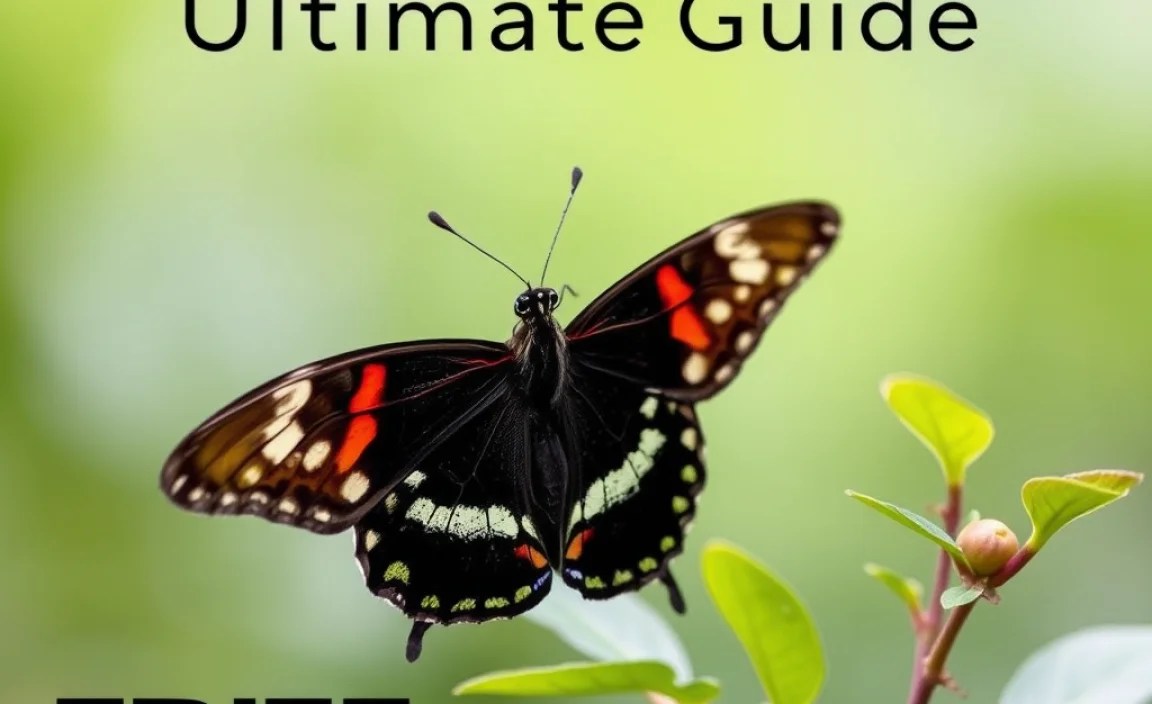
The forest queen butterfly, scientifically known as Euxanthe wakefieldi, is a member of the Nymphalidae family. It is admired for its striking appearance and significant ecological role. Found primarily in the coastal forests of eastern Africa, this butterfly is a true gem of the region.
Key Characteristics
Identifying the forest queen butterfly involves observing several key characteristics:
- Size: Forest queen butterflies are relatively large, with a wingspan typically ranging from 7 to 9 centimeters.
- Coloration: The wings are predominantly orange and black, creating a vivid contrast.
- Patterns: The forewings feature a complex pattern of black spots and bands on an orange background, while the hindwings have a series of black markings along the edges.
- Shape: The wings have a distinctive shape with slightly elongated forewings.
Habitat and Distribution
The forest queen butterfly is primarily found in the coastal forests of eastern Africa, including regions in:
- Kenya
- Tanzania
- Mozambique
They thrive in moist, shaded areas within these forests, where their host plants are abundant.
Life Cycle
Understanding the life cycle of the forest queen butterfly can provide additional insights into its identification and behavior:
- Egg: The female butterfly lays her eggs on the leaves of specific host plants.
- Larva (Caterpillar): The caterpillar feeds on the host plant leaves, growing and molting several times.
- Pupa (Chrysalis): The caterpillar transforms into a pupa, forming a protective chrysalis.
- Adult Butterfly: The adult butterfly emerges from the chrysalis, ready to reproduce and continue the cycle.
How to Identify the Forest Queen Butterfly
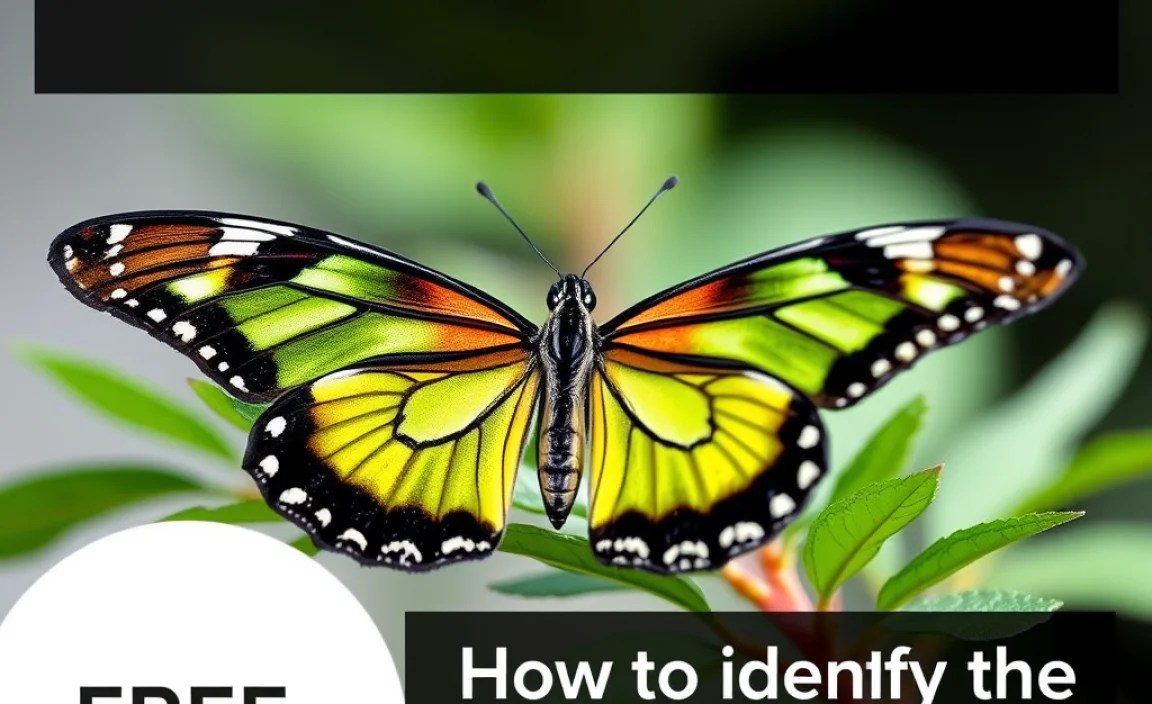
Identifying the forest queen butterfly requires a keen eye and attention to detail. Here’s a step-by-step guide to help you distinguish this species from others.
Step 1: Observe the Size and Shape
Begin by noting the size of the butterfly. Forest queen butterflies are relatively large, with a wingspan of about 7 to 9 centimeters. Also, observe the shape of the wings. The forewings are slightly elongated, which is a characteristic feature of this species.
Step 2: Examine the Wing Coloration
The coloration of the wings is a crucial identifying factor. The forest queen butterfly has a striking combination of orange and black. The base color is a vibrant orange, which is contrasted by bold black markings.
Step 3: Analyze the Forewing Patterns
Take a close look at the patterns on the forewings. The forest queen butterfly has a complex arrangement of black spots and bands on its orange forewings. These patterns are unique to each butterfly, but the general arrangement is consistent across the species.
Step 4: Check the Hindwing Markings
The hindwings also have distinctive markings. Look for a series of black markings along the edges of the hindwings. These markings can vary slightly in size and shape, but they are always present.
Step 5: Consider the Habitat
Keep in mind the habitat in which you spotted the butterfly. Forest queen butterflies are primarily found in the coastal forests of eastern Africa. If you are in this region and observe a butterfly with the characteristics described above, it is likely a forest queen.
Step 6: Compare with Similar Species
To be certain, compare your observation with images and descriptions of similar butterfly species. This will help you rule out any potential misidentification.
Distinguishing the Forest Queen Butterfly from Similar Species

While the forest queen butterfly has distinct characteristics, it can sometimes be confused with other butterfly species. Here’s how to differentiate it.
Comparison Table
| Feature | Forest Queen Butterfly (Euxanthe wakefieldi) | Other Similar Species |
|---|---|---|
| Size | Large (7-9 cm wingspan) | Variable |
| Coloration | Orange and black | Variable |
| Forewing Patterns | Complex black spots and bands | Different patterns |
| Hindwing Markings | Black markings along the edges | Different markings |
| Habitat | Coastal forests of eastern Africa | Variable |
Key Differences
- Specific Patterns: Pay close attention to the unique patterns on the wings. The arrangement of spots and bands on the forest queen butterfly is distinct.
- Habitat: Consider the geographical location. The forest queen butterfly is primarily found in eastern Africa.
- Size: Note the size of the butterfly. The forest queen butterfly is relatively large compared to many other species.
Attracting Forest Queen Butterflies to Your Garden

If you live in or near the habitat of the forest queen butterfly, you can attract these beautiful creatures to your garden by creating a butterfly-friendly environment. Here’s how.
Plant Host Plants
Host plants are essential for the survival of butterfly larvae. The forest queen butterfly caterpillars feed on specific host plants. By planting these, you provide a food source for the larvae and encourage the butterflies to lay their eggs in your garden.
- Specific Host Plants: Research the specific host plants preferred by the forest queen butterfly in your region.
- Native Plants: Prioritize native plants, as these are best adapted to the local environment and more likely to be used by the butterflies.
Provide Nectar Sources
Adult butterflies feed on nectar from flowers. By planting a variety of nectar-rich flowers, you can provide a food source for the adult butterflies and attract them to your garden.
- Variety of Flowers: Plant a variety of flowers with different colors, shapes, and blooming times to provide a continuous source of nectar throughout the butterfly season.
- Nectar-Rich Plants: Choose plants that are known to be good nectar sources for butterflies, such as lantana, pentas, and salvia.
Create a Butterfly-Friendly Habitat
In addition to host plants and nectar sources, there are other things you can do to create a butterfly-friendly habitat in your garden.
- Sunlight: Butterflies need sunlight to warm their bodies. Provide sunny areas in your garden where they can bask.
- Shelter: Butterflies need shelter from wind and rain. Plant shrubs and trees to provide protection.
- Water Source: Butterflies need water to drink. Provide a shallow dish of water with pebbles or stones for them to land on.
- Avoid Pesticides: Pesticides can harm or kill butterflies and other beneficial insects. Avoid using pesticides in your garden.
Specific Plants to Attract Forest Queen Butterflies
Here are some plants known to attract forest queen butterflies:
- Specific Nectar Plants: Include plants known to attract butterflies in the region.
- Regional Varieties: Research local nurseries for the best regional varieties.
The Ecological Importance of Forest Queen Butterflies

Forest queen butterflies play a crucial role in their ecosystem. Understanding their ecological importance highlights the need for conservation efforts.
Pollination
Like many other butterfly species, forest queen butterflies are important pollinators. As they feed on nectar, they transfer pollen from flower to flower, helping to fertilize plants and promote biodiversity. According to the U.S. Forest Service, butterflies contribute significantly to the pollination of various plant species.
Food Chain
Forest queen butterflies serve as a food source for other animals in the ecosystem. Birds, lizards, and other predators feed on both the caterpillars and adult butterflies. This helps to maintain the balance of the food chain.
Indicator Species
Butterflies are often used as indicator species to assess the health of an ecosystem. Changes in butterfly populations can indicate changes in the environment, such as habitat loss, pollution, or climate change. Monitoring forest queen butterfly populations can provide valuable insights into the health of the coastal forests they inhabit.
Conservation Status and Efforts
The conservation status of the forest queen butterfly is an important consideration. Understanding the threats they face and the conservation efforts in place can help protect these beautiful creatures.
Threats to the Species
The forest queen butterfly faces several threats, including:
- Habitat Loss: Deforestation and habitat destruction are major threats to the forest queen butterfly. As forests are cleared for agriculture, logging, and development, the butterflies lose their habitat and food sources.
- Climate Change: Changes in temperature and rainfall patterns can affect the distribution and abundance of butterflies. Climate change can also alter the availability of host plants and nectar sources.
- Pesticide Use: Pesticides can harm or kill butterflies and other beneficial insects. The use of pesticides in agriculture and forestry can have a negative impact on butterfly populations.
Conservation Efforts
Various conservation efforts are in place to protect the forest queen butterfly and its habitat. These include:
- Habitat Protection: Establishing and protecting reserves and parks in the coastal forests of eastern Africa can help to conserve the habitat of the forest queen butterfly.
- Sustainable Forestry: Promoting sustainable forestry practices can help to reduce the impact of logging on butterfly habitat.
- Community Involvement: Engaging local communities in conservation efforts can help to raise awareness and promote sustainable practices.
- Research and Monitoring: Conducting research and monitoring butterfly populations can help to track changes in their distribution and abundance and inform conservation strategies.
Organizations like the World Wildlife Fund (WWF) and the Nature Conservancy are actively involved in habitat conservation and sustainable forestry projects that benefit the forest queen butterfly.
Fun Facts About Forest Queen Butterflies
To further appreciate the forest queen butterfly, here are some fun facts:
- Unique Patterns: Each forest queen butterfly has unique patterns on its wings, making them individually identifiable.
- Flight Speed: They are known for their graceful and agile flight, allowing them to navigate through dense forest vegetation.
- Diet: As caterpillars, they feed exclusively on the leaves of specific host plants, showcasing their specialized diet.
- Lifespan: Adult forest queen butterflies typically live for a few weeks, during which they focus on reproduction and nectar feeding.
Forest Queen Butterfly in Culture and Art
Butterflies have long been symbols of transformation, beauty, and freedom in various cultures. The forest queen butterfly, with its striking appearance, is no exception.
Symbolism
In many cultures, butterflies are seen as symbols of:
- Transformation: Representing the metamorphosis from caterpillar to butterfly.
- Beauty: Admired for their vibrant colors and delicate wings.
- Freedom: Symbolizing the ability to move freely and explore the world.
Artistic Representations
The forest queen butterfly has inspired artists and designers in various ways:
- Paintings: Featured in paintings that celebrate the beauty of nature.
- Jewelry: Used as a motif in jewelry designs, capturing their elegance.
- Textiles: Incorporated into textile patterns, adding a touch of natural beauty to clothing and home decor.
Conclusion
Identifying the forest queen butterfly is a rewarding experience that connects you to the natural world. By understanding its key characteristics, habitat, and ecological importance, you can appreciate this stunning species even more. Whether you’re a nature enthusiast, a gardener, or simply curious about butterflies, the forest queen butterfly offers a glimpse into the beauty and complexity of the natural world. So, keep an eye out for this magnificent creature on your next forest adventure, and remember the steps we’ve discussed to confidently identify it. Let’s all do our part to protect these incredible insects and their habitats for future generations to enjoy. Happy butterfly watching!
FAQ
What is the wingspan of a forest queen butterfly?
The wingspan of a forest queen butterfly typically ranges from 7 to 9 centimeters.
Where can I find forest queen butterflies?
Forest queen butterflies are primarily found in the coastal forests of eastern Africa, including Kenya, Tanzania, and Mozambique.
What do forest queen butterfly caterpillars eat?
Forest queen butterfly caterpillars feed on the leaves of specific host plants in their native habitat.
How can I attract forest queen butterflies to my garden?
You can attract forest queen butterflies by planting host plants for their caterpillars and nectar-rich flowers for the adult butterflies. Also, provide sunlight, shelter, and a water source in your garden.
Are forest queen butterflies endangered?
The conservation status of the forest queen butterfly varies by region, but they face threats from habitat loss, climate change, and pesticide use. Conservation efforts are in place to protect their habitat and populations.
What role do forest queen butterflies play in the ecosystem?
Forest queen butterflies are important pollinators, contributing to the fertilization of plants. They also serve as a food source for other animals and act as indicator species for ecosystem health.
What makes the forest queen butterfly unique?
The forest queen butterfly is unique due to its striking orange and black coloration, complex wing patterns, relatively large size, and specific habitat in the coastal forests of eastern Africa.


