
Monarch Butterfly Assessment Report: Key Findings

The Monarch Butterfly Assessment Report is crucial for understanding the health and future of monarch populations. These reports, like those from the US Fish and Wildlife Service and the IUCN, evaluate population sizes, habitat conditions, and threats such as habitat loss and climate change. They guide conservation efforts by identifying key areas for protection, monitoring progress, and informing policy decisions to help save these iconic butterflies.
Have you ever wondered how scientists keep track of monarch butterflies and know if they’re doing okay? It can feel overwhelming trying to understand all the reports and data. The good news is that understanding these assessments isn’t as complicated as it might seem.
This guide will walk you through what a monarch butterfly assessment report is, why it’s important, and how the information is used to protect these beautiful creatures. By the end, you’ll have a clear understanding of how these reports contribute to monarch conservation. Let’s dive in!
What is a Monarch Butterfly Assessment Report?

A monarch butterfly assessment report is a comprehensive document that evaluates the status of monarch butterfly populations. These reports use scientific data to understand population sizes, migration patterns, habitat conditions, and the various threats monarchs face. Think of it as a health check-up for monarch butterflies.
Key Components of an Assessment Report
Here are the typical components you’ll find in a monarch butterfly assessment report:
- Population Estimates: Data on the number of monarchs in different regions, especially during breeding and overwintering seasons.
- Habitat Analysis: Evaluation of the quality and availability of habitats, including milkweed (the only food source for monarch caterpillars) and nectar sources for adult butterflies.
- Threat Assessment: Identification and analysis of threats such as habitat loss, pesticide use, climate change, and disease.
- Conservation Measures: Review of current conservation efforts and recommendations for future actions.
Why are Monarch Butterfly Assessment Reports Important?

These reports play a vital role in monarch conservation. Here’s why they’re so important:
- Informing Conservation Strategies: Assessment reports provide the scientific basis for developing effective conservation strategies.
- Monitoring Population Trends: By tracking population sizes over time, these reports help us understand whether conservation efforts are working.
- Guiding Policy Decisions: The findings can influence policies and regulations related to land use, pesticide use, and habitat protection.
- Raising Awareness: They help raise public awareness about the challenges monarchs face and the importance of conservation.
Who Creates These Reports?
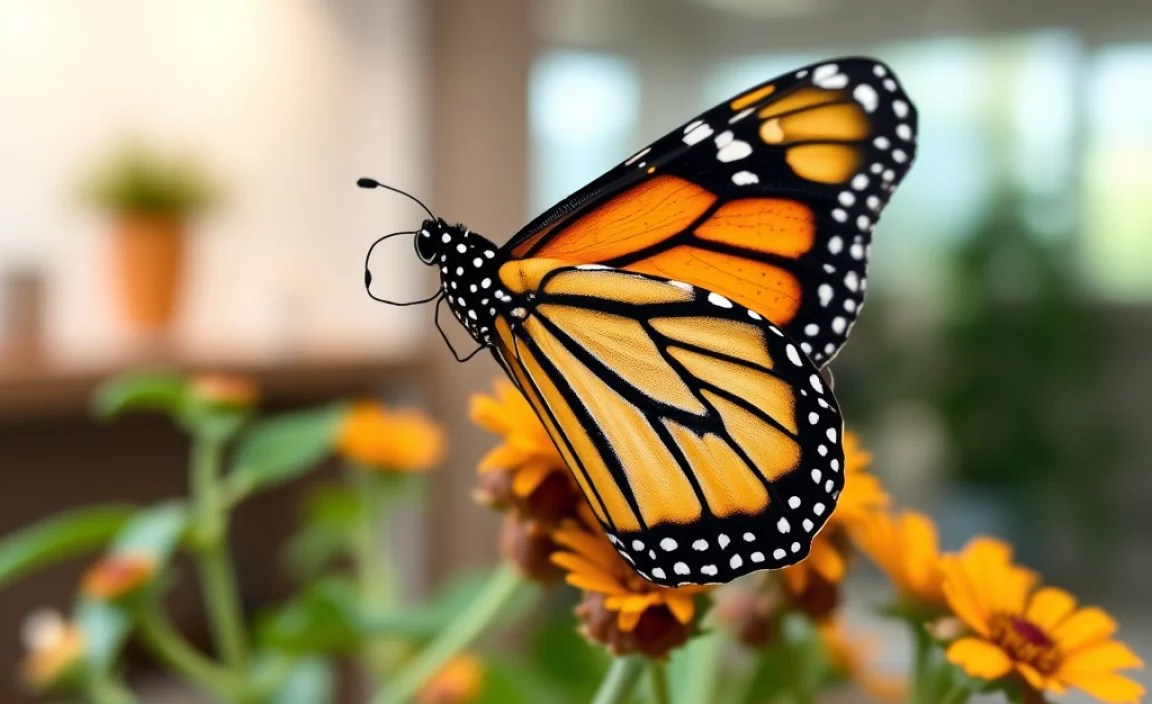
Several organizations and agencies are involved in creating monarch butterfly assessment reports. Here are some of the key players:
- U.S. Fish and Wildlife Service (USFWS): The USFWS conducts assessments to determine whether monarchs should be listed under the Endangered Species Act.
- International Union for Conservation of Nature (IUCN): The IUCN assesses the conservation status of species worldwide, including monarch butterflies, on their Red List of Threatened Species.
- Monarch Joint Venture (MJV): A partnership of organizations dedicated to monarch conservation, the MJV compiles and analyzes data to inform conservation efforts.
- Academic Institutions: Researchers at universities contribute to our understanding of monarch biology and conservation through scientific studies.
Understanding Key Findings in Assessment Reports

When reading an assessment report, it’s helpful to understand the key findings and what they mean for monarch conservation.
Population Size and Trends
One of the most important metrics is the size of the monarch population. Scientists track the area occupied by overwintering monarchs in Mexico and California, as well as the number of butterflies during the breeding season.
Eastern Monarchs: The eastern monarch population, which overwinters in Mexico, is measured by the area of forest they occupy. A healthy population should occupy at least 6 hectares.
Western Monarchs: The western monarch population, which overwinters in California, is measured by the number of butterflies counted at overwintering sites.
Habitat Condition
The availability and quality of habitat are crucial for monarch survival. Assessment reports evaluate the amount of milkweed available for caterpillars and nectar sources for adult butterflies.
- Milkweed Availability: Monarch caterpillars can only eat milkweed, so its presence is essential. Habitat loss due to agriculture, development, and herbicide use is a major threat.
- Nectar Sources: Adult monarchs need nectar for energy. The availability of nectar-rich flowers along migration routes and in breeding areas is vital.
Threats to Monarchs
Assessment reports identify and analyze the various threats that monarchs face. Understanding these threats is essential for developing effective conservation strategies.
- Habitat Loss: The destruction of milkweed and nectar sources due to agriculture, development, and deforestation.
- Pesticide Use: Insecticides can directly kill monarchs, while herbicides can eliminate milkweed and nectar sources.
- Climate Change: Extreme weather events, changes in temperature and precipitation patterns, and shifts in plant phenology can negatively impact monarch populations.
- Disease and Parasites: Monarchs can be affected by diseases such as Ophryocystis elektrosirrha (OE), a protozoan parasite.
How to Read a Monarch Butterfly Assessment Report

Reading a scientific report can be intimidating, but here’s a step-by-step guide to help you understand the key information.
Step 1: Start with the Executive Summary
The executive summary provides a brief overview of the report’s main findings and conclusions. It’s a great way to get a quick understanding of the report’s key points.
Step 2: Review the Introduction
The introduction provides background information on monarch butterflies and the purpose of the assessment. It explains why the assessment was conducted and what questions it aims to answer.
Step 3: Examine the Methods Section
The methods section describes how the data was collected and analyzed. This section can be technical, but it’s important for understanding the reliability of the results. Look for information on:
- Data Sources: Where the data came from (e.g., scientific studies, monitoring programs).
- Sampling Methods: How the data was collected (e.g., butterfly counts, habitat surveys).
- Statistical Analysis: How the data was analyzed to draw conclusions.
Step 4: Analyze the Results Section
The results section presents the key findings of the assessment. This section often includes graphs, charts, and tables that summarize the data. Pay attention to:
- Population Trends: How the monarch population has changed over time.
- Habitat Condition: The status of milkweed and nectar sources.
- Threat Levels: The severity of different threats to monarchs.
Step 5: Read the Discussion and Conclusion
The discussion section interprets the results and explains what they mean for monarch conservation. The conclusion summarizes the main findings and provides recommendations for future actions.
Examples of Monarch Butterfly Assessment Reports
To give you a better idea of what these reports look like, here are a couple of examples:
U.S. Fish and Wildlife Service (USFWS) Assessments
The USFWS conducts assessments to determine whether monarchs should be listed under the Endangered Species Act. These assessments provide a comprehensive review of the species’ status and threats.
IUCN Red List Assessments
The IUCN Red List assesses the conservation status of species worldwide. The monarch butterfly is currently listed as endangered, and the IUCN assessment provides detailed information on the species’ population trends and threats.
How Assessment Reports Influence Conservation Efforts
Assessment reports are not just academic exercises; they directly influence conservation efforts on the ground.
Guiding Conservation Strategies
The findings in assessment reports help conservation organizations and government agencies develop targeted strategies to protect monarchs. For example, if a report identifies habitat loss as a major threat, conservation efforts may focus on restoring milkweed and nectar sources.
Informing Policy Decisions
Assessment reports can inform policy decisions related to land use, pesticide use, and habitat protection. For example, if a report shows that pesticide use is harming monarchs, policymakers may consider regulations to reduce pesticide use in key habitats.
Monitoring Progress
Assessment reports provide a baseline for monitoring the effectiveness of conservation efforts. By tracking population sizes and habitat conditions over time, we can see whether our actions are making a difference.
Taking Action Based on Assessment Reports
You don’t have to be a scientist or policymaker to take action based on assessment reports. Here are some ways you can contribute to monarch conservation:
- Plant Milkweed: Provide habitat for monarch caterpillars by planting milkweed in your garden or community.
- Plant Nectar Sources: Provide food for adult monarchs by planting nectar-rich flowers.
- Avoid Pesticides: Protect monarchs and other pollinators by avoiding the use of pesticides in your garden.
- Support Conservation Organizations: Donate to organizations that are working to protect monarch butterflies and their habitats.
- Educate Others: Share what you’ve learned about monarch conservation with your friends, family, and community.
Tools and Resources for Monarch Butterfly Conservation
Here are some tools and resources that can help you learn more about monarch butterflies and get involved in conservation efforts:
| Resource | Description | Link |
|---|---|---|
| Monarch Joint Venture (MJV) | A partnership of organizations dedicated to monarch conservation. | Monarch Joint Venture |
| Xerces Society | An organization that protects wildlife through the conservation of invertebrates and their habitats. | Xerces Society |
| Journey North | A citizen science project that tracks monarch migration and other seasonal events. | Journey North |
| U.S. Fish and Wildlife Service (USFWS) | The federal agency responsible for protecting endangered species, including monarchs. | U.S. Fish and Wildlife Service |
Understanding the Challenges in Monarch Butterfly Assessments
While monarch butterfly assessments are essential, they also face certain challenges. Addressing these challenges is crucial for improving the accuracy and effectiveness of conservation efforts.
Data Collection Limitations
Collecting accurate data on monarch populations and habitats can be difficult. Monarchs migrate over vast distances, and their populations fluctuate from year to year. This can make it challenging to obtain comprehensive and reliable data.
Habitat Variability
The quality and availability of monarch habitats can vary greatly across different regions. This variability can make it difficult to assess the overall condition of monarch habitats and identify the most important areas for conservation.
Climate Change Impacts
Climate change is a major threat to monarch butterflies, but its impacts can be difficult to predict. Changes in temperature and precipitation patterns, as well as extreme weather events, can affect monarch populations in complex ways.
Pesticide Exposure
Determining the extent and impact of pesticide exposure on monarch butterflies is challenging. Monarchs can be exposed to pesticides in various ways, and the effects can vary depending on the type of pesticide and the level of exposure.
Future Directions in Monarch Butterfly Assessments
To improve the accuracy and effectiveness of monarch butterfly assessments, several future directions are being explored.
Advanced Monitoring Technologies
Researchers are using advanced technologies such as drones, satellite imagery, and remote sensing to monitor monarch populations and habitats. These technologies can provide more comprehensive and accurate data than traditional monitoring methods.
Citizen Science Initiatives
Citizen science initiatives, such as Journey North and Monarch Watch, engage volunteers in collecting data on monarch butterflies. These initiatives can greatly expand the scope of monitoring efforts and provide valuable data on monarch populations and habitats.
Predictive Modeling
Researchers are using predictive modeling to forecast the impacts of climate change and other threats on monarch populations. These models can help conservation managers develop proactive strategies to protect monarchs in the face of future challenges.
Genetic Studies
Genetic studies can provide insights into the health and adaptability of monarch populations. These studies can help identify populations that are most vulnerable to threats and inform conservation efforts to maintain genetic diversity.
FAQ: Monarch Butterfly Assessment Reports
Here are some frequently asked questions about monarch butterfly assessment reports:
What is the main goal of a monarch butterfly assessment report?
The primary goal is to evaluate the current status of monarch butterfly populations, understand the threats they face, and guide conservation efforts.
Who uses the information in these reports?
Conservation organizations, government agencies, researchers, and the public use the information to inform conservation strategies, policy decisions, and individual actions.
How often are these reports updated?
The frequency varies depending on the organization and the specific assessment. Some reports are updated annually, while others are updated every few years.
What can I do to help with monarch butterfly conservation?
You can plant milkweed and nectar sources, avoid pesticides, support conservation organizations, and educate others about monarch conservation.
Where can I find monarch butterfly assessment reports?
You can find these reports on the websites of organizations like the U.S. Fish and Wildlife Service (USFWS), the International Union for Conservation of Nature (IUCN), and the Monarch Joint Venture (MJV).
Why is milkweed so important for monarch butterflies?
Milkweed is the only food source for monarch caterpillars. Without milkweed, monarchs cannot complete their life cycle.
How does climate change affect monarch butterflies?
Climate change can disrupt monarch migration patterns, reduce the availability of milkweed and nectar sources, and increase the risk of extreme weather events that can harm monarch populations.
Conclusion
Monarch butterfly assessment reports are essential tools for understanding and protecting these iconic insects. By evaluating population sizes, habitat conditions, and threats, these reports provide the scientific basis for effective conservation strategies. While challenges remain in data collection and analysis, ongoing advancements in monitoring technologies and citizen science initiatives offer hope for improving the accuracy and effectiveness of future assessments.
Whether you’re a gardener, a student, or simply someone who cares about nature, you can play a role in monarch conservation. By planting milkweed and nectar sources, avoiding pesticides, supporting conservation organizations, and educating others, you can help ensure that future generations will have the opportunity to witness the beauty of monarch migration. So, let’s all do our part to protect these amazing creatures and their fragile habitats. Together, we can make a difference.


