
Nectar Plant Species for Butterflies: Ultimate Guide

Quick Summary: Attracting butterflies to your garden is easy with the right nectar plants! Butterflies need nectar for energy, so planting species like Butterfly Bush, Milkweed, and Bee Balm is essential. Choose a variety of colors and bloom times to keep these beautiful creatures visiting all season long. A sunny spot with shelter from the wind will make your garden a butterfly haven!
Butterflies are some of the most beautiful and beloved insects. Wouldn’t it be wonderful to see more of them fluttering around your garden? One of the best ways to attract these colorful creatures is by planting the right flowers. Butterflies need nectar to fuel their flight and activities, and certain plants are especially rich in this sweet treat. It can feel overwhelming to know where to start, but don’t worry!
This guide will show you exactly which nectar plant species will turn your garden into a butterfly paradise. We’ll cover the top choices, how to plant them, and tips for creating the perfect butterfly habitat. Get ready to enjoy the beauty of butterflies right outside your window!
Why Nectar Plants Are Crucial for Butterflies

Nectar plants are like a butterfly’s personal energy drink! Butterflies don’t just float around looking pretty; they need fuel to fly, find mates, and lay eggs. Nectar provides the essential sugars they need to do all these things. Think of it as the gasoline that keeps their wings flapping.
Butterflies have a long, straw-like tongue called a proboscis, which they use to sip nectar from flowers. Different butterfly species have different proboscis lengths, so offering a variety of flower shapes and sizes will attract a wider range of butterflies. By planting a diverse selection of nectar plants, you’re essentially creating a butterfly buffet!
The Butterfly Life Cycle and Nectar
Nectar is most crucial for adult butterflies. While caterpillars eat leaves, adult butterflies rely almost entirely on nectar for sustenance. This is especially important for migrating butterflies like Monarchs, who need to fuel their long journeys.
Here’s how nectar supports each stage of the butterfly life cycle:
- Egg Laying: Female butterflies need energy to find suitable host plants (plants where they lay their eggs) and lay their eggs.
- Adult Stage: Nectar provides the energy butterflies need to fly, mate, reproduce, and migrate.
- Overwintering: Some butterflies, like the Mourning Cloak, overwinter as adults. Nectar helps them build up reserves to survive the cold months.
Top Nectar Plant Species for Butterflies

Ready to start planting? Here are some of the best nectar plant species to attract butterflies to your garden. I’ve included options for different regions and growing conditions, so you’re sure to find something that works for you.
Butterfly Bush (Buddleja davidii)
The Butterfly Bush is a classic choice for attracting butterflies, and for good reason! It’s covered in long, fragrant flower spikes that butterflies can’t resist. It grows quickly and comes in a wide range of colors, from purple and pink to white and yellow. According to the USDA Forest Service, it’s known to attract a large variety of butterflies, making it a must-have for any butterfly garden.
- Growing Conditions: Full sun, well-drained soil.
- Bloom Time: Summer to fall.
- Butterfly Attractiveness: High. Attracts many species, including Monarchs, Swallowtails, and Fritillaries.
- Note: In some areas, Butterfly Bush can be invasive. Choose non-invasive varieties or consider other options if you’re concerned.
Milkweed (Asclepias spp.)
Milkweed is famous for being the host plant of Monarch butterflies, but it’s also a fantastic nectar source for many other butterfly species. It’s essential for Monarch conservation, as Monarch caterpillars can only eat milkweed leaves. The Xerces Society has great resources on selecting the right milkweed for your region.
- Growing Conditions: Full sun, well-drained soil. Tolerates dry conditions.
- Bloom Time: Summer.
- Butterfly Attractiveness: Very high, especially for Monarchs.
- Note: Choose native milkweed species for your area to best support Monarchs and other pollinators.
Here are a few popular milkweed species:
- Common Milkweed (Asclepias syriaca): Fragrant pink flowers.
- Swamp Milkweed (Asclepias incarnata): Pink or white flowers, prefers moist soil.
- Butterfly Weed (Asclepias tuberosa): Bright orange flowers, drought-tolerant.
Bee Balm (Monarda spp.)
Bee Balm is a vibrant, easy-to-grow perennial that attracts both butterflies and hummingbirds. Its shaggy, colorful flowers come in shades of red, pink, and purple. It’s also deer-resistant, which is a bonus for many gardeners!
- Growing Conditions: Full sun to partial shade, moist but well-drained soil.
- Bloom Time: Summer.
- Butterfly Attractiveness: High. Attracts Swallowtails, Monarchs, and other butterflies.
Zinnia (Zinnia elegans)
Zinnias are annual flowers that are easy to grow from seed and bloom profusely all summer long. They come in a wide range of colors and sizes, making them a versatile addition to any butterfly garden. The Better Homes & Gardens website recommends choosing single-flowered varieties, as they have more nectar than double-flowered types.
- Growing Conditions: Full sun, well-drained soil.
- Bloom Time: Summer to fall.
- Butterfly Attractiveness: High. Attracts many species, especially Swallowtails and Painted Ladies.
Lantana (Lantana spp.)
Lantana is a heat-tolerant plant that produces clusters of small, colorful flowers. It’s a favorite of butterflies, especially in warmer climates. Lantana is available in a variety of colors, including yellow, orange, pink, and purple.
- Growing Conditions: Full sun, well-drained soil.
- Bloom Time: Summer to fall.
- Butterfly Attractiveness: High. Attracts many species, including Swallowtails, Skippers, and Monarchs.
- Note: Lantana can be invasive in some areas. Check with your local extension office before planting.
Aster (Symphyotrichum spp.)
Asters are late-blooming perennials that provide a crucial nectar source for butterflies as they prepare for winter or migration. They come in shades of purple, pink, and white, and add a splash of color to the garden in the fall.
- Growing Conditions: Full sun to partial shade, well-drained soil.
- Bloom Time: Late summer to fall.
- Butterfly Attractiveness: High. Attracts Monarchs, Painted Ladies, and other late-season butterflies.
Joe-Pye Weed (Eutrochium purpureum)
Despite its name, Joe-Pye Weed is a beautiful and beneficial plant for butterflies. It’s a tall perennial with large clusters of pinkish-purple flowers that attract a wide variety of pollinators.
- Growing Conditions: Full sun to partial shade, moist soil.
- Bloom Time: Summer to fall.
- Butterfly Attractiveness: High. Attracts Swallowtails, Monarchs, and other butterflies.
Other Great Nectar Plants
Here are a few more nectar plant species to consider for your butterfly garden:
- Purple Coneflower (Echinacea purpurea): Drought-tolerant perennial with purple flowers.
- Salvia (Salvia spp.): Wide variety of colors and sizes, attracts butterflies and hummingbirds.
- Verbena (Verbena spp.): Long-blooming annual or perennial with clusters of small flowers.
- Lavender (Lavandula spp.): Fragrant perennial with purple flowers, attracts butterflies and bees.
- Goldenrod (Solidago spp.): Late-blooming perennial with yellow flowers, provides a crucial nectar source for migrating butterflies.
Creating the Perfect Butterfly Habitat

Planting nectar plants is a great start, but there’s more you can do to create a welcoming habitat for butterflies. Here are a few tips:
- Provide Host Plants: Remember that caterpillars need food too! Plant host plants for the butterfly species you want to attract. For example, plant milkweed for Monarchs, dill or parsley for Swallowtails, and violets for Fritillaries.
- Offer a Water Source: Butterflies need water to drink. Provide a shallow dish of water with pebbles or marbles for them to land on.
- Provide Shelter: Butterflies need shelter from wind and predators. Plant shrubs and trees to create a safe haven.
- Avoid Pesticides: Pesticides can harm or kill butterflies and other beneficial insects. Choose organic gardening methods instead.
- Provide a Sunny Spot: Butterflies are cold-blooded and need sunlight to warm up. Plant your nectar plants in a sunny location.
- Group Plants Together: Plant nectar plants in clusters to make it easier for butterflies to find them.
- Extend the Bloom Season: Choose a variety of plants that bloom at different times of the year to provide a continuous nectar source.
Nectar Plant Table
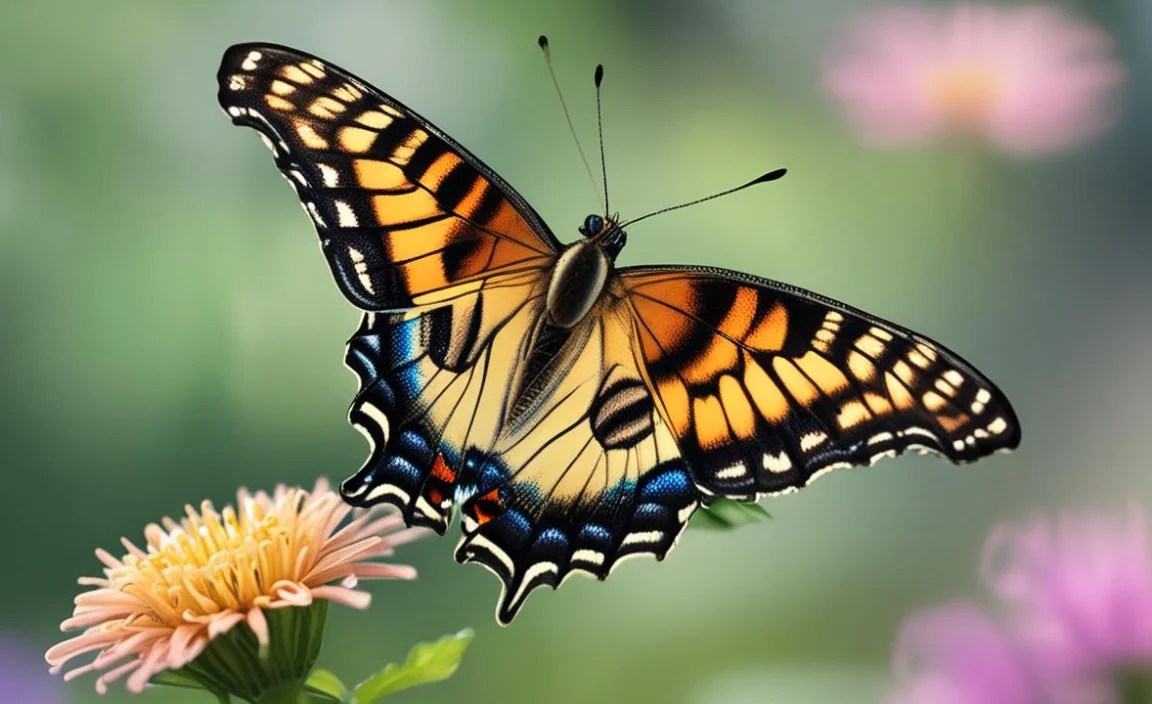
Here’s a quick reference table summarizing the best nectar plants for butterflies:
| Plant Name | Growing Conditions | Bloom Time | Butterfly Attractiveness | Notes |
|---|---|---|---|---|
| Butterfly Bush (Buddleja davidii) | Full sun, well-drained soil | Summer to fall | High | Can be invasive in some areas |
| Milkweed (Asclepias spp.) | Full sun, well-drained soil | Summer | Very high (Monarchs) | Choose native species |
| Bee Balm (Monarda spp.) | Full sun to partial shade, moist soil | Summer | High | Deer-resistant |
| Zinnia (Zinnia elegans) | Full sun, well-drained soil | Summer to fall | High | Easy to grow from seed |
| Lantana (Lantana spp.) | Full sun, well-drained soil | Summer to fall | High | Heat-tolerant, can be invasive |
| Aster (Symphyotrichum spp.) | Full sun to partial shade, well-drained soil | Late summer to fall | High | Late-season nectar source |
| Joe-Pye Weed (Eutrochium purpureum) | Full sun to partial shade, moist soil | Summer to fall | High | Attracts many pollinators |
Bloom Time Table
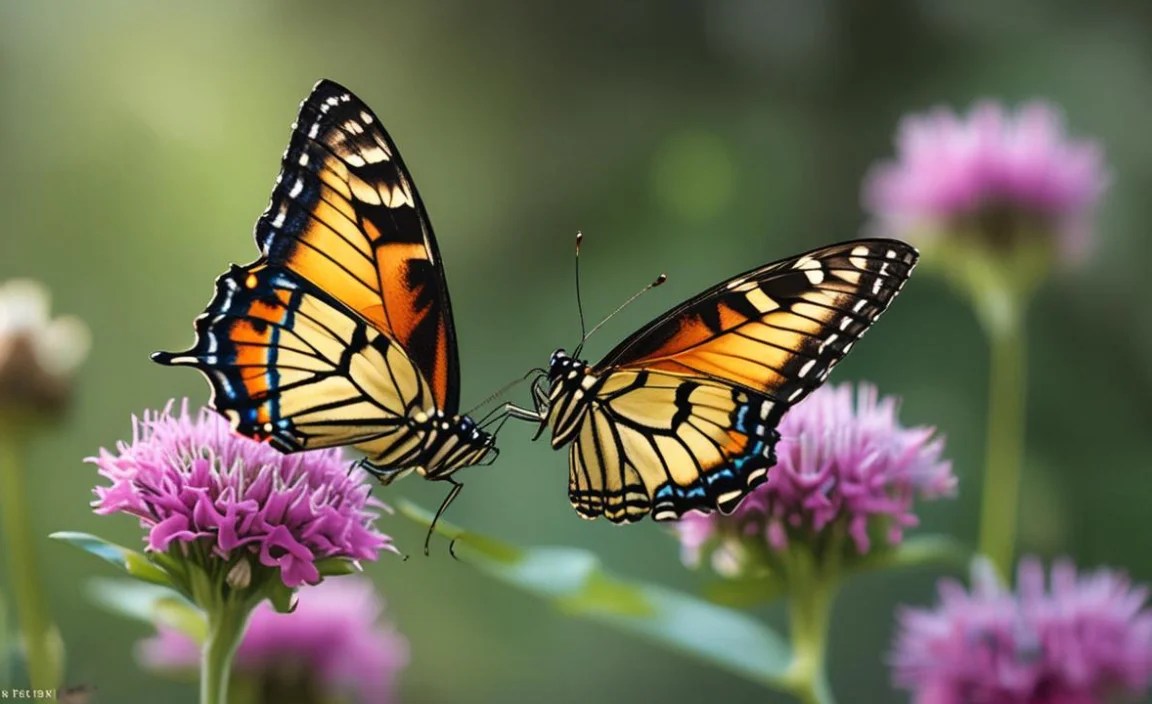
To ensure a continuous supply of nectar for butterflies throughout the growing season, it’s important to select plants with staggered bloom times. Here’s a table outlining the typical bloom times for the plants we’ve discussed:
| Plant Name | Spring | Summer | Fall |
|---|---|---|---|
| Butterfly Bush (Buddleja davidii) | X | X | |
| Milkweed (Asclepias spp.) | X | ||
| Bee Balm (Monarda spp.) | X | ||
| Zinnia (Zinnia elegans) | X | X | |
| Lantana (Lantana spp.) | X | X | |
| Aster (Symphyotrichum spp.) | X | ||
| Joe-Pye Weed (Eutrochium purpureum) | X | X |
FAQ About Nectar Plants for Butterflies
What is the best way to attract butterflies to my garden?
Plant a variety of nectar-rich flowers that bloom at different times of the year. Also, provide host plants for caterpillars, a water source, and shelter from the wind.
What are host plants?
Host plants are the specific plants that butterfly caterpillars need to eat to grow and develop. For example, milkweed is the host plant for Monarch butterflies.
Do butterflies prefer certain colors of flowers?
Yes, butterflies are attracted to bright colors, especially red, orange, yellow, pink, and purple.
How can I tell if a plant is a good nectar source?
Look for plants with single flowers (rather than double flowers) and a lot of small blooms clustered together. These types of flowers tend to produce more nectar.
What should I do if I see caterpillars eating my plants?
Don’t panic! Caterpillars are a sign that you’re providing a good habitat for butterflies. If they’re eating too much of a particular plant, you can move them to another plant of the same species.
Are there any plants that repel butterflies?
While no plants actively repel butterflies, some strong-smelling herbs like mint and rosemary may deter them. However, these herbs can also attract other beneficial insects.
How important is it to use native plants?
Using native plants is highly recommended. Native plants are adapted to your local climate and soil conditions, and they provide the best food and habitat for native butterflies and other pollinators. You can contact your local native plant society or extension office for advice on what to plant.
Conclusion
Creating a butterfly garden is a rewarding experience that brings beauty and life to your backyard. By planting a variety of nectar-rich flowers and providing a welcoming habitat, you can attract these amazing creatures and help support their populations. Remember to choose plants that bloom at different times of the year to provide a continuous source of nectar, and don’t forget the host plants for caterpillars! With a little planning and effort, you can transform your garden into a butterfly paradise. Happy gardening!


