
Swallowtail Butterfly Nectar Sources: Ultimate Guide

Attracting swallowtail butterflies to your garden is easy when you provide their favorite nectar sources! Plant flowers like milkweed, zinnias, and butterfly bush to give these beautiful butterflies the energy they need. Also, provide host plants, like dill or citrus, so they can lay their eggs and their caterpillars can feed.
Have you ever dreamed of a garden filled with the vibrant colors of swallowtail butterflies? It’s a common goal for nature lovers, but knowing exactly what to plant can be tricky. Many gardeners struggle to attract these beauties, often because they don’t know which flowers provide the right nectar. Don’t worry! I’m here to guide you through the best nectar sources for swallowtails, so you can create a butterfly paradise right in your backyard.
In this article, we will explore the plants that will bring these butterflies fluttering to your garden. We’ll also cover how to provide the perfect habitat for them to thrive! Let’s get started!
Understanding Swallowtail Butterfly Nectar Needs
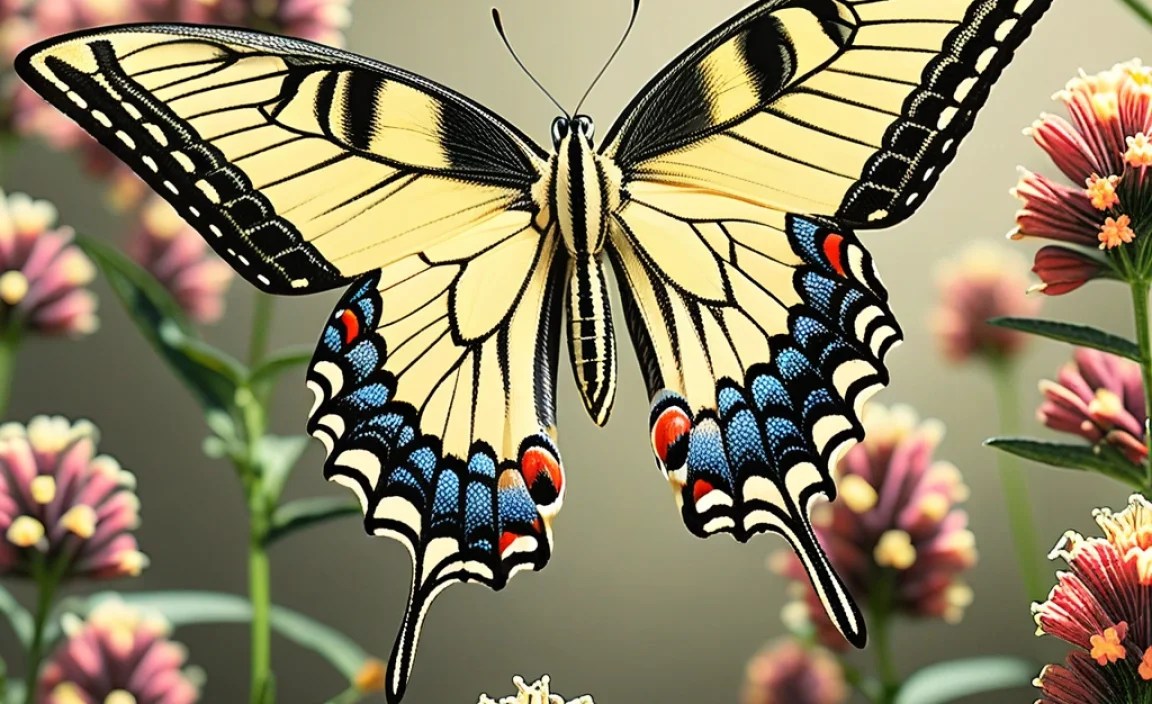
Swallowtail butterflies are some of the largest and most stunning butterflies you can find in North America. Their size and beauty make them a favorite for gardeners. But why is nectar so important to them?
Nectar is a sugary liquid produced by flowers. It’s the primary food source for adult butterflies. Nectar provides the energy butterflies need to fly, find mates, and lay eggs. Without a reliable source of nectar, butterflies can’t survive and reproduce.
Different species of swallowtails have different preferences. Knowing which species are common in your area will help you select the best plants. Some popular swallowtails include:
- Eastern Tiger Swallowtail
- Black Swallowtail
- Giant Swallowtail
- Pipevine Swallowtail
- Spicebush Swallowtail
Each of these butterflies has its own favorite nectar sources. By offering a variety of plants, you can attract a wider range of swallowtails to your garden.
Top Nectar Sources for Swallowtail Butterflies
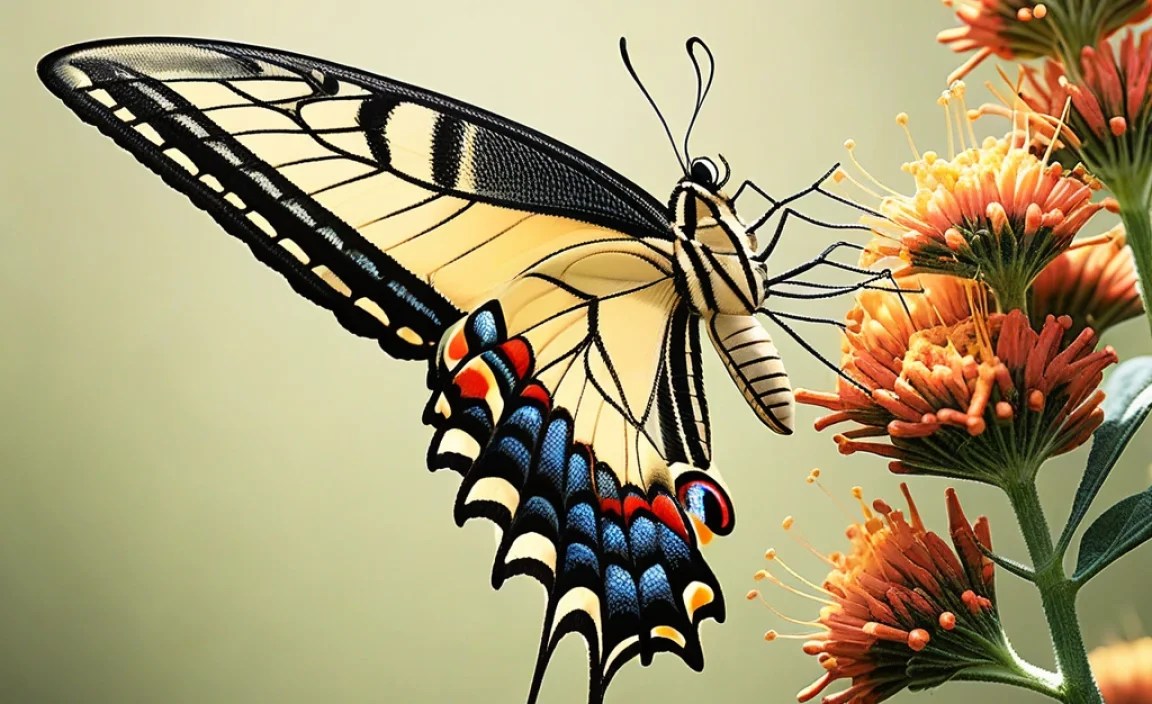
Here are some of the best nectar-rich flowers to plant in your garden to attract swallowtail butterflies:
1. Milkweed (Asclepias)
Milkweed is famous for being the host plant for monarch butterflies, but it’s also a great nectar source for swallowtails. The blooms are full of nectar and attract many butterfly species. Milkweed comes in several varieties, so you can choose one that fits your garden’s conditions.
According to the Xerces Society, planting native milkweed species is best for supporting local butterfly populations. Native plants are adapted to the local climate and provide the best nutrition for butterflies.
2. Zinnias (Zinnia elegans)
Zinnias are easy-to-grow annuals that come in a wide range of colors. Their bright, cheerful blooms are very attractive to swallowtail butterflies. Zinnias produce a lot of nectar and bloom for a long time. This makes them a reliable food source throughout the butterfly season.
3. Butterfly Bush (Buddleja davidii)
As the name suggests, butterfly bush is a magnet for butterflies! Its long, cone-shaped flowers are packed with nectar. Many swallowtail species, including Tiger Swallowtails and Black Swallowtails, love butterfly bush. Be aware that in some areas, butterfly bush can be invasive. Check with your local extension office before planting.
4. Lantana (Lantana camara)
Lantana is a colorful, heat-tolerant plant that blooms all summer long. Its clusters of small flowers are a favorite of swallowtail butterflies. Lantana comes in a variety of colors, including yellow, orange, pink, and purple. It’s a great choice for adding color and attracting butterflies to your garden.
5. Phlox (Phlox paniculata)
Phlox is a beautiful perennial with clusters of fragrant flowers. It blooms in mid- to late summer, providing nectar when other flowers may be fading. Swallowtail butterflies are especially fond of phlox. Its sweet scent and colorful blooms make it a welcome addition to any butterfly garden.
6. Bee Balm (Monarda)
Bee balm, also known as Monarda, is a native plant that attracts bees, hummingbirds, and butterflies. Its unique flower shape and bright colors make it a standout in the garden. Swallowtails love bee balm’s nectar-rich blooms. It’s also a great choice for supporting native pollinators.
7. Coneflowers (Echinacea)
Coneflowers are hardy perennials that bloom from summer to fall. Their daisy-like flowers come in a variety of colors, including purple, pink, white, and orange. Coneflowers are easy to grow and attract many butterflies, including swallowtails. They also provide seeds for birds in the fall, making them a great addition to a wildlife-friendly garden.
8. Asters (Asteraceae)
Asters are late-blooming perennials that provide a valuable source of nectar for butterflies in the fall. Their daisy-like flowers come in various colors, including purple, pink, and white. Asters are especially important for butterflies preparing to migrate or overwinter. They help butterflies build up their energy reserves for the colder months.
9. Joe-Pye Weed (Eutrochium)
Joe-Pye weed is a tall, native plant with large clusters of pink or purple flowers. It blooms in late summer and early fall, providing a late-season nectar source for swallowtail butterflies. Joe-Pye weed prefers moist soil and can grow in full sun to partial shade. It’s a great choice for adding height and attracting butterflies to your garden.
10. Thistle (Cirsium)
While often considered a weed, thistle flowers are excellent nectar sources for butterflies. Native thistle species, in particular, are very beneficial. Swallowtails and other butterflies flock to thistle blooms for their abundant nectar. Be sure to choose native thistle varieties to avoid introducing invasive species.
Creating a Swallowtail-Friendly Habitat
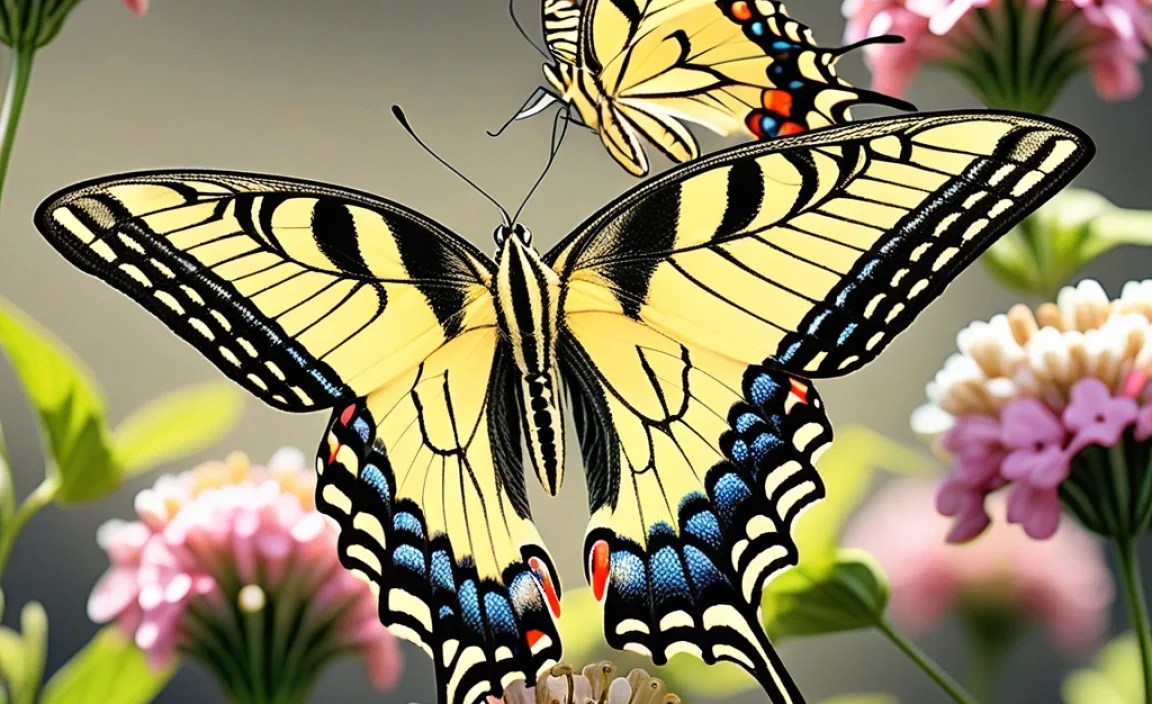
Besides providing nectar sources, creating a suitable habitat is essential for attracting and supporting swallowtail butterflies. Here are some key elements to consider:
Host Plants
Host plants are crucial for swallowtail butterflies because they are where the butterflies lay their eggs. These plants also serve as food for the caterpillars. Different swallowtail species use different host plants. Here are some popular host plants for common swallowtails:
- Black Swallowtail: Parsley, dill, fennel, and carrots
- Eastern Tiger Swallowtail: Tulip tree, wild cherry, and sweetbay magnolia
- Giant Swallowtail: Citrus trees, Hercules’ club, and prickly ash
- Pipevine Swallowtail: Pipevine (Aristolochia)
- Spicebush Swallowtail: Spicebush and sassafras
By planting these host plants, you’ll not only attract adult swallowtails but also provide a place for them to reproduce and raise their young.
Sunlight
Butterflies are cold-blooded. They need sunlight to warm their bodies and become active. Plant your nectar and host plants in a sunny location that receives at least six hours of sunlight per day. This will create a warm and inviting environment for swallowtails.
Shelter
Butterflies need shelter from wind and rain. Plant trees, shrubs, and tall grasses to provide protected areas in your garden. These plants will also offer resting spots for butterflies and help them escape predators.
Water Source
Butterflies need water to stay hydrated. Provide a shallow dish of water with pebbles or stones for them to land on. This will allow them to drink without the risk of drowning. You can also create a mud puddle by wetting a patch of soil. Butterflies will gather at the mud to extract minerals and moisture.
Avoid Pesticides
Pesticides can harm or kill butterflies and other beneficial insects. Avoid using pesticides in your garden, especially on or near nectar and host plants. If you must use pesticides, choose organic options and apply them carefully, following the instructions on the label.
Designing Your Butterfly Garden
Now that you know which plants to choose and what elements to include, it’s time to design your butterfly garden. Here are some tips to help you create a beautiful and functional space for swallowtail butterflies:
Plan for Continuous Bloom
Choose plants that bloom at different times throughout the growing season. This will ensure that there is always a source of nectar available for butterflies. Aim for a mix of spring, summer, and fall-blooming plants.
Group Plants Together
Plant nectar and host plants in clusters to make it easier for butterflies to find them. Butterflies are more attracted to large patches of color than to individual plants scattered throughout the garden.
Consider Plant Height and Spacing
Choose plants of different heights to create a layered effect in your garden. This will provide shelter and resting spots for butterflies at different levels. Be sure to space plants properly to allow for air circulation and prevent overcrowding.
Add Decorative Elements
Incorporate decorative elements such as rocks, logs, and garden art to add interest to your butterfly garden. These elements can also provide basking spots for butterflies and create a more natural-looking habitat.
Observe and Adjust
Pay attention to which plants are most attractive to swallowtail butterflies in your area. Adjust your garden design as needed to provide the best possible habitat for these beautiful creatures. Observe which plants the butterflies visit most often and add more of those to your garden.
Swallowtail Butterfly Nectar Source Chart
This table summarizes the best nectar sources for swallowtail butterflies, their bloom times, and their sunlight requirements:
| Plant Name | Bloom Time | Sunlight | Notes |
|---|---|---|---|
| Milkweed (Asclepias) | Summer | Full Sun | Host plant for Monarchs, attracts many butterflies |
| Zinnias (Zinnia elegans) | Summer to Fall | Full Sun | Easy to grow, many colors |
| Butterfly Bush (Buddleja davidii) | Summer | Full Sun | Can be invasive in some areas |
| Lantana (Lantana camara) | Summer to Fall | Full Sun | Heat-tolerant, many colors |
| Phlox (Phlox paniculata) | Mid- to Late Summer | Full Sun to Partial Shade | Fragrant flowers |
| Bee Balm (Monarda) | Summer | Full Sun to Partial Shade | Attracts bees and hummingbirds |
| Coneflowers (Echinacea) | Summer to Fall | Full Sun | Hardy perennials |
| Asters (Asteraceae) | Fall | Full Sun | Late-season nectar source |
| Joe-Pye Weed (Eutrochium) | Late Summer to Fall | Full Sun to Partial Shade | Tall plant, prefers moist soil |
| Thistle (Cirsium) | Summer | Full Sun | Choose native varieties |
Swallowtail Butterfly Host Plant Chart
This table summarizes the best host plants for different swallowtail butterfly species:
| Butterfly Species | Host Plants |
|---|---|
| Black Swallowtail | Parsley, dill, fennel, carrots |
| Eastern Tiger Swallowtail | Tulip tree, wild cherry, sweetbay magnolia |
| Giant Swallowtail | Citrus trees, Hercules’ club, prickly ash |
| Pipevine Swallowtail | Pipevine (Aristolochia) |
| Spicebush Swallowtail | Spicebush, sassafras |
Attracting Swallowtails: A Step-by-Step Guide
Follow these steps to create a garden that attracts swallowtail butterflies:
- Research local swallowtail species: Find out which swallowtails are common in your area. This will help you choose the right nectar and host plants.
- Select nectar-rich plants: Choose a variety of plants that bloom at different times of the year. Include plants like milkweed, zinnias, butterfly bush, and coneflowers.
- Plant host plants: Provide host plants for the swallowtail species you want to attract. Plant parsley, dill, and fennel for Black Swallowtails, or tulip tree and wild cherry for Eastern Tiger Swallowtails.
- Provide sunlight and shelter: Plant your garden in a sunny location and provide shelter from wind and rain with trees, shrubs, and tall grasses.
- Offer a water source: Provide a shallow dish of water with pebbles or stones for butterflies to drink from.
- Avoid pesticides: Do not use pesticides in your garden, as they can harm or kill butterflies and other beneficial insects.
- Observe and adjust: Pay attention to which plants are most attractive to swallowtails and adjust your garden design as needed.
Frequently Asked Questions About Swallowtail Butterfly Nectar Sources
Here are some common questions about attracting swallowtail butterflies to your garden:
What is the best way to attract swallowtail butterflies?
The best way to attract swallowtail butterflies is to plant a variety of nectar-rich flowers and host plants. Provide a sunny location, shelter from wind, and a water source. Avoid using pesticides in your garden.
What are some good nectar sources for swallowtail butterflies?
Good nectar sources for swallowtail butterflies include milkweed, zinnias, butterfly bush, lantana, phlox, bee balm, coneflowers, asters, Joe-Pye weed, and thistle.
What are host plants and why are they important?
Host plants are plants that swallowtail butterflies use to lay their eggs. The caterpillars feed on these plants. Providing host plants is essential for supporting the entire life cycle of swallowtail butterflies.
How can I create a butterfly-friendly garden?
To create a butterfly-friendly garden, provide a variety of nectar-rich flowers and host plants. Plant in a sunny location, provide shelter from wind, and offer a water source. Avoid using pesticides and other harmful chemicals.
What should I do if I see caterpillars on my host plants?
If you see caterpillars on your host plants, leave them alone! They are the future generation of swallowtail butterflies. Avoid using pesticides, as they can harm or kill the caterpillars.
How do I choose the right plants for my region?
Choose native plants that are adapted to your local climate and soil conditions. Native plants are more likely to thrive and provide the best nutrition for butterflies. Check with your local nursery or extension office for recommendations.
Can I attract swallowtail butterflies to a small garden or balcony?
Yes, you can attract swallowtail butterflies to a small garden or balcony by planting nectar-rich flowers and host plants in containers. Choose compact varieties and provide a sunny location and water source.
Conclusion
Creating a garden that attracts swallowtail butterflies is a rewarding experience. By providing the right nectar sources and host plants, you can transform your backyard into a butterfly paradise. Remember to offer sunlight, shelter, and water. Avoid using pesticides to protect these beautiful creatures. With a little planning and effort, you can enjoy the beauty and wonder of swallowtail butterflies in your garden for years to come. Happy gardening!


