
Charaxes Butterfly Species: The Ultimate Guide

Charaxes butterflies, also known as emperors or charaxes, are a diverse group of strikingly beautiful and robust butterflies found mainly in Africa and Asia. Known for their fast, powerful flight and intricate wing patterns, these butterflies often display vibrant colors and unique tail-like projections on their hindwings. They are a favorite subject among butterfly enthusiasts and play important ecological roles in their native habitats.
Have you ever seen a butterfly with bold colors, strong flight, and unique wing shapes and wondered what it was? Many people find themselves intrigued by these stunning insects but struggle to identify them. The Charaxes butterfly species are a group of butterflies that can be both fascinating and a bit mysterious. Let’s explore the world of Charaxes butterflies together!
In this guide, we’ll help you understand the different types of Charaxes butterflies, where they live, what they eat, and how to spot them. Get ready to discover the fascinating world of these magnificent creatures!
What are Charaxes Butterflies?
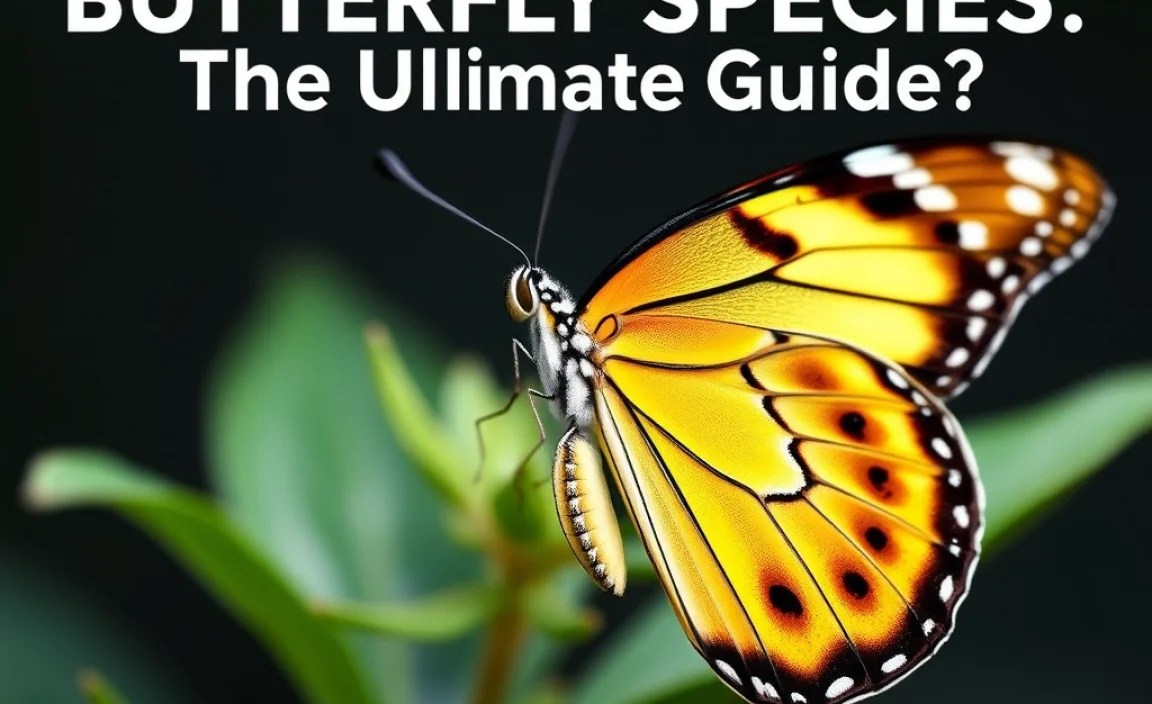
Charaxes is a large genus of nymphalid butterflies, often referred to as emperors or simply charaxes. They are known for their impressive size, strong flight, and striking patterns. These butterflies are primarily found in Africa and Asia, with a few species extending into Europe.
Key Characteristics of Charaxes Butterflies:
- Size: Generally medium to large, with wingspans ranging from 5 to 12 cm.
- Wing Shape: Distinctive shape with pointed forewings and often tailed hindwings.
- Coloration: Typically vibrant, with patterns including shades of brown, orange, blue, and green.
- Flight: Known for their swift and powerful flight, making them difficult to catch.
- Habitat: Found in a variety of habitats, including forests, woodlands, and savannas.
Popular Charaxes Butterfly Species

The Charaxes genus includes many species, each with unique characteristics. Here are some of the most well-known and interesting ones:
1. Two-tailed Pasha (Charaxes jasius)
The Two-tailed Pasha is one of the few Charaxes species found in Europe. It’s known for its two distinctive tails on each hindwing and its strong, rapid flight.
- Appearance: Dark brown with orange markings and two prominent tails.
- Habitat: Found in southern Europe and parts of Africa.
- Larval Host Plants: Feeds on strawberry trees (Arbutus unedo).
2. Green-veined Charaxes (Charaxes candiope)
This African species is recognized by its striking green veins on the wings, making it a favorite among butterfly enthusiasts.
- Appearance: Brown wings with vibrant green veins.
- Habitat: Common in wooded areas of Africa.
- Larval Host Plants: Feeds on various legume species.
3. Pearl Emperor (Charaxes varanes)
The Pearl Emperor is a widespread species in Africa, known for its pearly white spots and strong flight.
- Appearance: Brown with white spots and orange markings.
- Habitat: Found throughout Africa in various habitats.
- Larval Host Plants: Feeds on plants from the family Celastraceae.
4. Red Harvester (Charaxes baumanni)
This species is noted for its bright red coloration and is relatively common in East Africa.
- Appearance: Predominantly red with black and white markings.
- Habitat: Prefers forest and woodland areas.
- Larval Host Plants: Feeds on various species of Dalbergia.
5. Satan Emperor (Charaxes saturnus)
The Satan Emperor is a large and impressive butterfly known for its dark coloration and powerful flight.
- Appearance: Dark brown to black with subtle blue and white markings.
- Habitat: Found in central and southern Africa.
- Larval Host Plants: Feeds on plants in the family Sapindaceae.
6. Foxy Charaxes (Charaxes jasius saturnus)
A subspecies of the Two-tailed Pasha, the Foxy Charaxes is similar in appearance but often has richer, more vibrant colors.
- Appearance: Brown with orange markings and two tails, often with a “foxy” red hue.
- Habitat: Found in southern Europe and parts of Africa.
- Larval Host Plants: Feeds on strawberry trees (Arbutus unedo).
Identifying Charaxes Butterflies
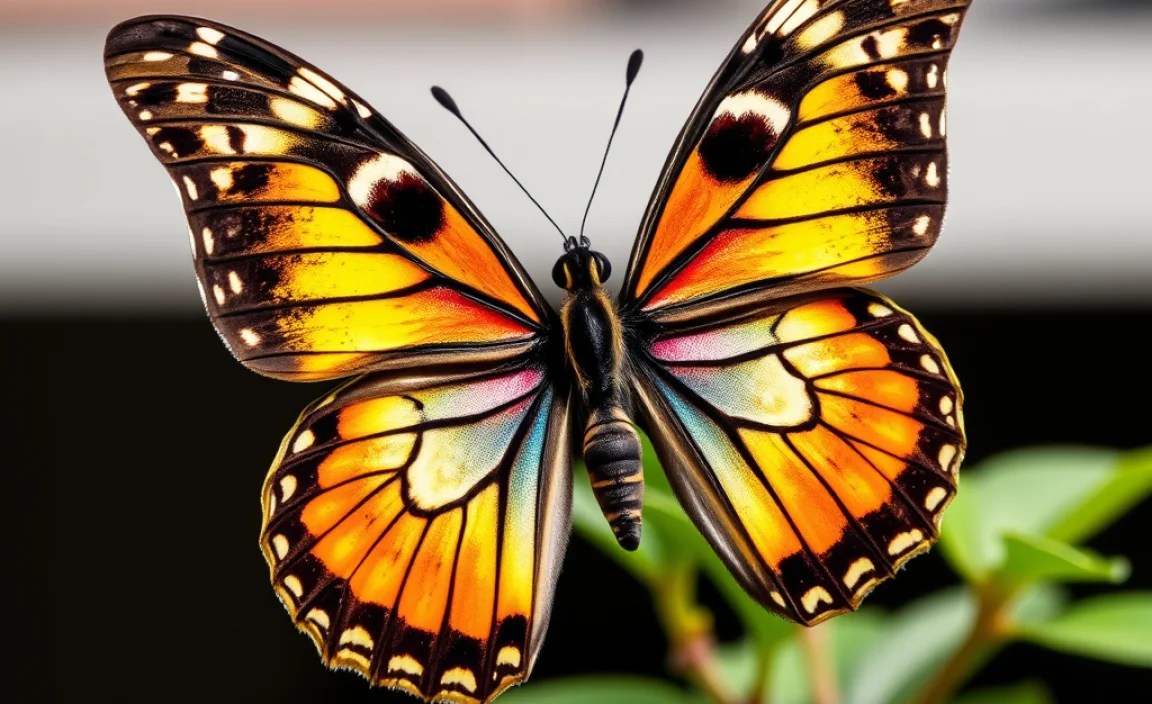
Identifying Charaxes butterflies can be a rewarding challenge. Here’s a step-by-step guide to help you:
Step 1: Observe the Size and Shape
Start by noting the size of the butterfly. Charaxes are generally medium to large. Pay attention to the wing shape, particularly the presence and number of tails on the hindwings.
Step 2: Note the Coloration and Markings
Examine the colors and patterns on the wings. Look for distinctive features like veins, spots, and bands. Different species have unique color combinations.
Step 3: Consider the Location
Knowing the geographic location can significantly narrow down the possibilities. Charaxes species are concentrated in Africa and Asia, with only a few in Europe.
Step 4: Check the Habitat
Note the type of habitat where you spotted the butterfly. Some species prefer forests, while others are more common in savannas or woodlands.
Step 5: Observe the Flight Pattern
Charaxes butterflies are known for their strong, rapid flight. Observing how they fly can provide additional clues.
Step 6: Use Field Guides and Online Resources
Field guides and online resources are invaluable tools for identification. Look for guides specific to your region. Websites like Butterflies and Moths of North America (though focused on North America, it offers a good reference model) and iNaturalist can help you compare your observations with known species.
Life Cycle of Charaxes Butterflies

Understanding the life cycle of Charaxes butterflies can provide insights into their behavior and habitat needs.
1. Egg Stage
The life cycle begins with the egg. Charaxes eggs are typically laid singly on the host plant. The eggs vary in color and shape depending on the species.
2. Larval Stage (Caterpillar)
Once the egg hatches, the larva, or caterpillar, emerges. Charaxes caterpillars are often green or brown and camouflaged to blend in with their surroundings. They feed voraciously on the host plant.
3. Pupal Stage (Chrysalis)
After several molts, the caterpillar enters the pupal stage, forming a chrysalis. The chrysalis is usually green or brown and hangs from a branch or leaf. This is a period of transformation.
4. Adult Stage (Butterfly)
After a period of time inside the chrysalis, the adult butterfly emerges. The newly emerged butterfly expands its wings and waits for them to dry before flying off to reproduce.
Attracting Charaxes Butterflies to Your Garden

While Charaxes butterflies are not as commonly found in gardens as some other species, you can still create a habitat that attracts them, especially if you live in an area where they are native.
1. Plant Host Plants
The most effective way to attract Charaxes butterflies is to plant their larval host plants. Research which species are native to your area and what plants their caterpillars feed on. Some common host plants include:
- Strawberry trees (Arbutus unedo) for Two-tailed Pasha
- Legumes for Green-veined Charaxes
- Plants from the family Celastraceae for Pearl Emperor
- Species of Dalbergia for Red Harvester
- Plants in the family Sapindaceae for Satan Emperor
2. Provide Nectar Sources
Adult Charaxes butterflies feed on nectar. Plant a variety of flowering plants that provide nectar throughout the butterfly season. Native plants are often the best choice.
3. Offer Decaying Fruit
Unlike many butterflies that primarily feed on nectar, Charaxes are also attracted to decaying fruit. Place overripe fruit in a dish in your garden to attract them.
4. Create a Water Source
Butterflies need water to stay hydrated. Provide a shallow dish of water with pebbles or sand for them to land on.
5. Avoid Pesticides
Pesticides can harm or kill butterflies and caterpillars. Avoid using pesticides in your garden to create a safe habitat for them.
Conservation Status and Threats
Many Charaxes butterfly species are not currently listed as endangered. However, they face threats like habitat loss, deforestation, and climate change. Conservation efforts are essential to protect these beautiful insects.
Habitat Loss
Deforestation and habitat destruction are major threats to Charaxes butterflies. Protecting and restoring their natural habitats is crucial for their survival.
Climate Change
Changes in climate can affect the distribution and life cycle of butterflies. Monitoring and mitigating the effects of climate change are important for butterfly conservation.
Pesticide Use
Pesticides can harm or kill butterflies and caterpillars. Promoting sustainable agricultural practices and reducing pesticide use can help protect them.
Interesting Facts About Charaxes Butterflies
Here are some fascinating facts about Charaxes butterflies that you might find interesting:
- Powerful Flight: Charaxes butterflies are known for their strong and rapid flight, making them difficult to catch.
- Attraction to Decaying Fruit: Unlike many butterflies that primarily feed on nectar, Charaxes are also attracted to decaying fruit.
- Unique Wing Patterns: The intricate patterns and colors on their wings make them a favorite among butterfly enthusiasts.
- Tailed Hindwings: Many species have distinctive tails on their hindwings, adding to their unique appearance.
- Camouflaged Caterpillars: Charaxes caterpillars are often camouflaged to blend in with their surroundings, protecting them from predators.
Charaxes Butterfly Species Table
Here is a table summarizing some of the key characteristics of the Charaxes butterfly species discussed in this article:
| Species | Appearance | Habitat | Larval Host Plants |
|---|---|---|---|
| Two-tailed Pasha (Charaxes jasius) | Dark brown with orange markings and two tails | Southern Europe, Africa | Strawberry trees (Arbutus unedo) |
| Green-veined Charaxes (Charaxes candiope) | Brown wings with vibrant green veins | Africa | Various legume species |
| Pearl Emperor (Charaxes varanes) | Brown with white spots and orange markings | Africa | Plants from the family Celastraceae |
| Red Harvester (Charaxes baumanni) | Predominantly red with black and white markings | East Africa | Various species of Dalbergia |
| Satan Emperor (Charaxes saturnus) | Dark brown to black with subtle blue and white markings | Central and Southern Africa | Plants in the family Sapindaceae |
| Foxy Charaxes (Charaxes jasius saturnus) | Brown with orange markings and two tails, often with a “foxy” red hue | Southern Europe, Africa | Strawberry trees (Arbutus unedo) |
Resources for Further Learning
To deepen your understanding of Charaxes butterflies, consider exploring these resources:
- Books: Field guides specific to your region can provide detailed information and illustrations.
- Websites: Websites like The Xerces Society offer valuable information on butterfly conservation.
- Museums: Natural history museums often have butterfly collections and exhibits.
- Local Butterfly Clubs: Joining a local butterfly club can connect you with other enthusiasts and experts.
FAQ About Charaxes Butterflies
What does charaxes mean?
The name “Charaxes” comes from Greek mythology. Charaxes was a figure in Greek mythology, possibly a son of Apollo. The entomologist who first described the genus likely chose the name for its classical reference and possibly to reflect the butterfly’s impressive size and presence.
Where do Charaxes butterflies live?
Charaxes butterflies are primarily found in Africa and Asia. A few species, like the Two-tailed Pasha (Charaxes jasius), can also be found in southern Europe.
What do Charaxes caterpillars eat?
Charaxes caterpillars feed on a variety of host plants. The specific plants vary depending on the species. Some common host plants include strawberry trees, legumes, plants from the family Celastraceae, species of Dalbergia, and plants in the family Sapindaceae.
How can I attract Charaxes butterflies to my garden?
To attract Charaxes butterflies, plant their larval host plants, provide nectar sources, offer decaying fruit, create a water source, and avoid using pesticides.
Are Charaxes butterflies endangered?
Many Charaxes butterfly species are not currently listed as endangered. However, they face threats like habitat loss, deforestation, and climate change.
What is special about Charaxes butterflies?
Charaxes butterflies are known for their impressive size, strong flight, and striking wing patterns. They also have unique habits, such as being attracted to decaying fruit, which sets them apart from many other butterfly species.
How can I tell the difference between different Charaxes species?
To differentiate between Charaxes species, observe their size, wing shape, coloration, markings, and habitat. Use field guides and online resources to compare your observations with known species.
Conclusion
Exploring the world of Charaxes butterflies reveals the incredible diversity and beauty found in nature. From their powerful flight to their intricate wing patterns, these butterflies are truly magnificent creatures. By understanding their life cycle, habitat needs, and conservation status, we can all play a part in protecting these stunning insects for future generations. Whether you’re a seasoned butterfly enthusiast or just starting to learn, there’s always something new to discover in the fascinating world of Charaxes butterflies.


