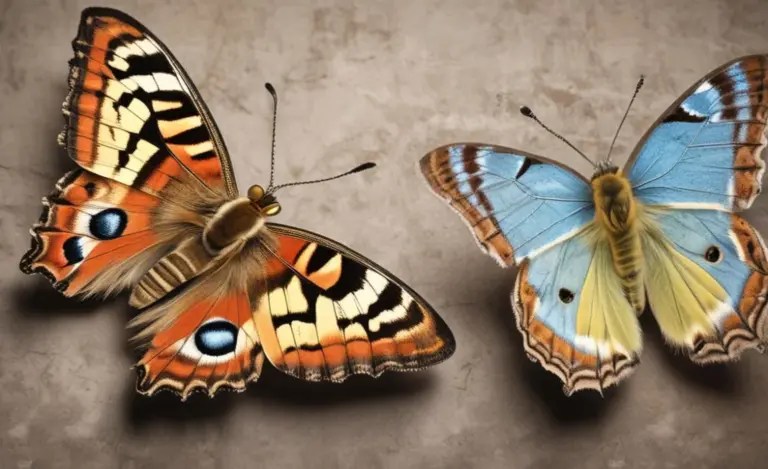
Lycaenidae Butterfly Guide: Your Free ID Toolkit

Quick Summary: Lycaenidae butterflies, also known as gossamer-winged butterflies, are a large and diverse family. This guide will help you identify them by their small size, bright colors, and unique wing patterns, often with metallic or iridescent scales. We’ll also explore their life cycle, habitat preferences, and how to attract them to your garden, supporting these beautiful pollinators.
Have you ever seen a tiny, brightly colored butterfly flitting around your garden and wondered what it was? Chances are, it might have been a Lycaenidae, or gossamer-winged butterfly! These little beauties are often overlooked, but they’re incredibly diverse and play a vital role in our ecosystems. Identifying them can be tricky, but don’t worry – this guide will walk you through everything you need to know to become a Lycaenidae expert. We’ll explore their fascinating characteristics, where to find them, and how to create a butterfly-friendly habitat in your own backyard. Get ready to discover the enchanting world of gossamer-winged butterflies!
What are Lycaenidae Butterflies?

Lycaenidae is one of the largest butterfly families, boasting over 5,000 species worldwide. These butterflies are often called gossamer-winged butterflies because of their delicate, shimmering wings. They are found on every continent except Antarctica, and they exhibit a wide range of colors, patterns, and behaviors.
Key Characteristics of Lycaenidae Butterflies
Identifying Lycaenidae butterflies involves looking for several key features:
- Size: Most Lycaenidae are small, with wingspans ranging from 0.75 to 2 inches (2 to 5 cm).
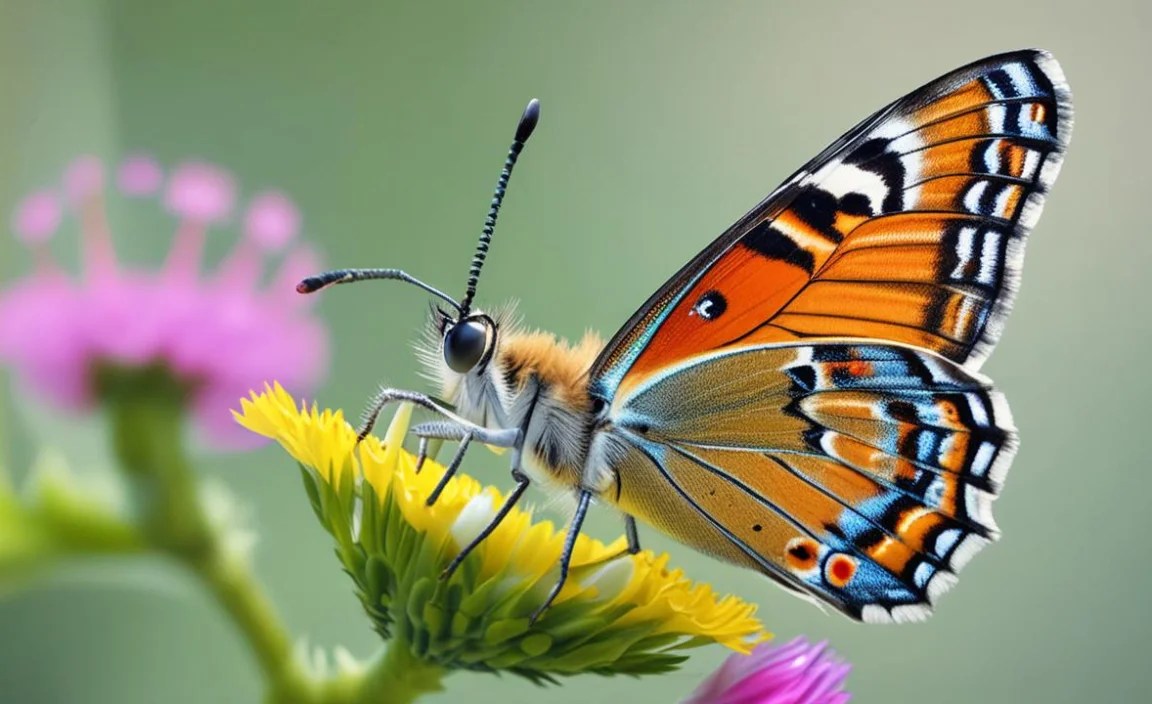
- Color: They come in a dazzling array of colors, including blues, coppers, greens, and oranges. Many species have metallic or iridescent scales that give their wings a shimmering appearance.
- Wing Shape: Their wings are typically rounded, and some species have small tails or hair-like projections on their hindwings.
- Eye Spots: Many Lycaenidae have eye spots near the tails of their hindwings. These spots can confuse predators, causing them to attack the wrong end of the butterfly and allowing it to escape.
- Antennae: They have clubbed antennae, a common feature of butterflies, which they use to sense their environment.
Common Types of Lycaenidae Butterflies
Here are a few examples of Lycaenidae butterflies you might encounter:
- Blues (Lycaeninae): These butterflies are often bright blue, especially the males. Examples include the Spring Azure (Celastrina ladon) and the Common Blue (Polyommatus icarus).
- Coppers (Lycaeninae): As the name suggests, these butterflies are copper or orange in color. The American Copper (Lycaena phlaeas) is a well-known example.
- Hairstreaks (Theclinae): Hairstreaks often have intricate patterns and small tails on their hindwings. The Gray Hairstreak (Strymon melinus) and the Juniper Hairstreak (Callophrys juniperi) are common species.
- Harvesters (Miletinae): These are unique among butterflies as their caterpillars are carnivorous, feeding on aphids.
Identifying Lycaenidae Butterflies: A Step-by-Step Guide
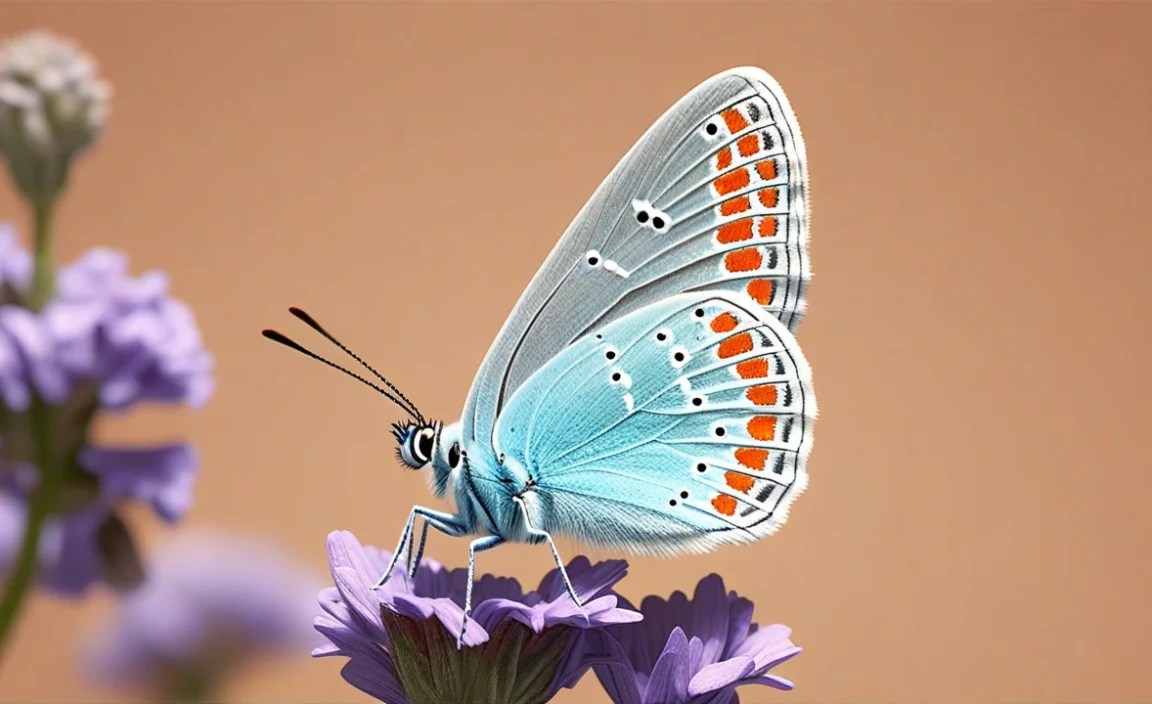
Identifying Lycaenidae butterflies can be fun and rewarding. Here’s a step-by-step guide to help you get started:
Step 1: Observe the Size and Shape
Start by noting the butterfly’s size and shape. Lycaenidae are generally small, so if you’re looking at a larger butterfly, it’s likely not in this family. Pay attention to the wing shape – are they rounded, or do they have tails or other projections?
Step 2: Note the Color and Patterns
The color and patterns on the wings are crucial for identification. Take detailed notes or, even better, take a photograph. Note whether the colors are metallic or iridescent. Look for any distinctive markings, such as spots, bands, or lines.
Step 3: Examine the Underside of the Wings
The underside of the wings often has different patterns than the upperside. These patterns can be very helpful in identifying the species. If possible, try to get a good look at the underside of the wings, either while the butterfly is resting or in a photograph.
Step 4: Consider the Location and Habitat
The geographic location and habitat can narrow down the possibilities. Different species are found in different regions and prefer specific habitats, such as meadows, forests, or gardens. Use online resources or field guides to see which species are common in your area.
Step 5: Use Field Guides and Online Resources
Field guides and online resources are invaluable tools for butterfly identification. Some popular field guides include:
- “Butterflies of North America” by Jim P. Brock and Kenn Kaufman
- “National Audubon Society Field Guide to North American Butterflies”
- Websites like BugGuide.net and Butterflies and Moths of North America (BAMONA)
These resources provide detailed descriptions, photographs, and range maps to help you identify the butterflies you see.
Step 6: Compare and Confirm
Once you’ve gathered all the information, compare your observations with the descriptions and images in your field guide or online resources. Pay close attention to the details and don’t be afraid to consult multiple sources. If you’re still unsure, you can post a photo on a butterfly identification forum or ask an expert for help.
The Life Cycle of Lycaenidae Butterflies

Like all butterflies, Lycaenidae undergo complete metamorphosis, which includes four stages: egg, larva (caterpillar), pupa (chrysalis), and adult. However, the life cycle of Lycaenidae butterflies often involves unique and fascinating interactions with other organisms, particularly ants.
Egg Stage
Lycaenidae eggs are typically small and laid singly on or near the host plant. The eggs can be various colors, depending on the species, and often have intricate patterns.
Larva (Caterpillar) Stage
The caterpillar stage is when the butterfly grows and develops. Lycaenidae caterpillars feed on a variety of plants, depending on the species. Some are very specific about their host plants, while others are more general feeders.
Many Lycaenidae caterpillars have a symbiotic relationship with ants. They possess special organs that secrete sugary substances and amino acids that ants crave. In return, the ants protect the caterpillars from predators and parasites. This relationship is known as myrmecophily.
Pupa (Chrysalis) Stage
The caterpillar transforms into a pupa, or chrysalis. The pupa can be camouflaged to blend in with its surroundings. In some species, the ants will even bury the pupa in their nest, continuing to protect it.
Adult Stage
The adult butterfly emerges from the pupa. Once its wings are dry and strong, it will fly off to feed on nectar, mate, and lay eggs, continuing the cycle.
Habitat and Distribution
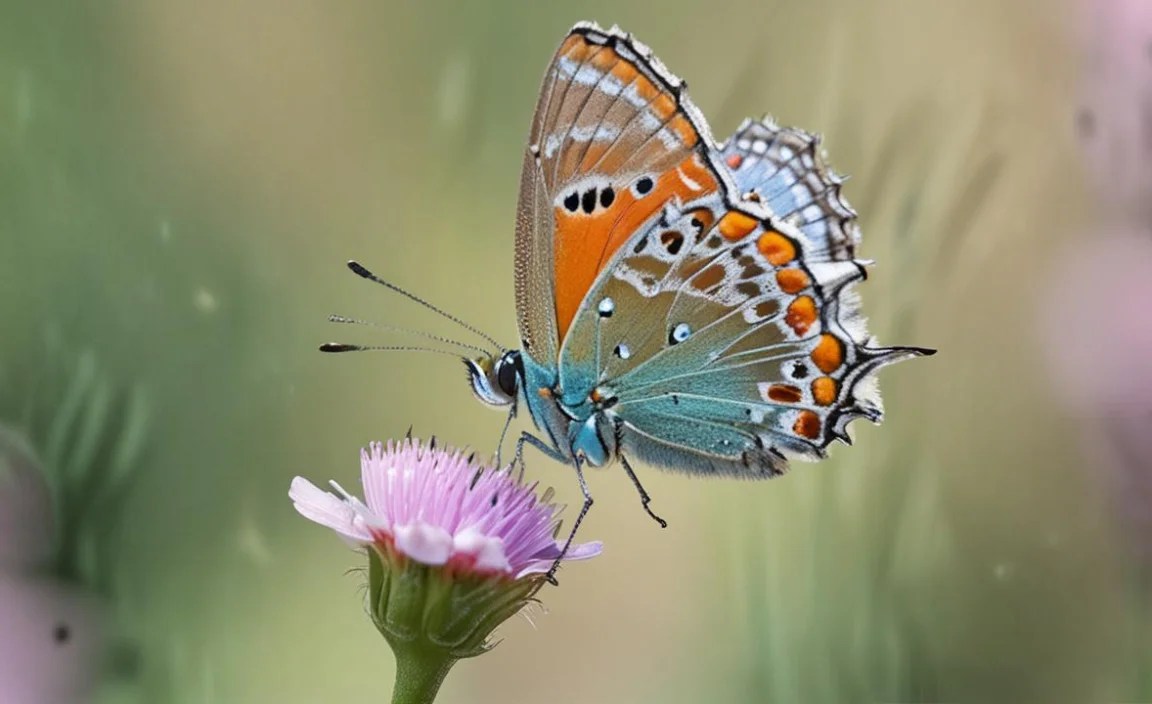
Lycaenidae butterflies are found in a wide variety of habitats, including meadows, forests, grasslands, and gardens. Their distribution depends on the specific species and the availability of their host plants.
- Meadows and Grasslands: Many Lycaenidae species thrive in open meadows and grasslands where their host plants are abundant.
- Forests: Some species prefer forested areas, especially those with diverse plant life.
- Gardens: Gardens can provide a haven for Lycaenidae butterflies, especially if they include native plants that serve as host plants and nectar sources.
Attracting Lycaenidae Butterflies to Your Garden

Attracting Lycaenidae butterflies to your garden is a great way to support these important pollinators and enjoy their beauty up close. Here are some tips to create a butterfly-friendly habitat:
Plant Host Plants
The most important thing you can do is plant the host plants that Lycaenidae caterpillars need to survive. Some popular host plants include:
- Clovers (Trifolium): Host plant for Eastern Tailed-Blue.
- Dogwoods (Cornus): Host plant for Spring Azure.
- Milkweeds (Asclepias): While primarily known for attracting Monarchs, some Lycaenidae will also use milkweeds.
- New Jersey Tea (Ceanothus americanus): Host plant for several Hairstreak species.
Provide Nectar Sources
Adult butterflies need nectar for energy. Plant a variety of nectar-rich flowers that bloom throughout the growing season. Some good choices include:
- Asters (Symphyotrichum)
- Black-Eyed Susans (Rudbeckia hirta)
- Butterfly Bush (Buddleja davidii)
- Coneflowers (Echinacea)
- Lantana (Lantana camara)
- Salvia (Salvia)
Avoid Pesticides
Pesticides can harm or kill butterflies and other beneficial insects. Avoid using pesticides in your garden, or choose organic and butterfly-friendly options.
Provide a Water Source
Butterflies need water to stay hydrated. You can provide a shallow dish of water with pebbles or marbles for them to land on.
Offer a Sunny Spot
Butterflies are cold-blooded and need sunlight to warm up. Provide a sunny spot in your garden where they can bask.
Create a Shelter
Butterflies need shelter from wind and rain. Plant shrubs and trees to provide a protected area in your garden.
Conservation Status and Threats
While many Lycaenidae species are common and widespread, some are threatened or endangered. Habitat loss, pesticide use, and climate change are major threats to these butterflies.
Habitat Loss
The destruction and fragmentation of natural habitats can reduce the availability of host plants and nectar sources, making it difficult for Lycaenidae butterflies to survive.
Pesticide Use
Pesticides can directly kill butterflies or harm their host plants, reducing their food supply.
Climate Change
Climate change can alter the timing of plant growth and butterfly emergence, disrupting their life cycles. It can also lead to changes in habitat suitability, forcing butterflies to move to new areas or face extinction.
How You Can Help
There are many things you can do to help protect Lycaenidae butterflies and other pollinators:
- Plant native host plants and nectar sources in your garden.
- Avoid using pesticides.
- Support organizations that are working to protect butterfly habitats.
- Educate others about the importance of butterflies and their conservation.
Lycaenidae Butterfly Table
| Common Name | Scientific Name | Distribution | Host Plants | Notes |
|---|---|---|---|---|
| Spring Azure | Celastrina ladon | North America | Dogwoods, Cherries | Early spring flyer |
| American Copper | Lycaena phlaeas | North America, Europe | Sheep Sorrel, Docks | Bright copper color |
| Gray Hairstreak | Strymon melinus | North America | Various shrubs and trees | Small tails on hindwings |
| Eastern Tailed-Blue | Cupido comyntas | North America | Clovers, Alfalfa | Tiny with a small tail |
| Acmon Blue | Plebejus acmon | Western North America | Buckwheats (Eriogonum) | Often found in dry, open areas |
Lycaenidae Butterfly Identification Chart
| Feature | Blues (Lycaeninae) | Coppers (Lycaeninae) | Hairstreaks (Theclinae) |
|---|---|---|---|
| Color | Often bright blue, especially males | Copper or orange | Variable, often with intricate patterns |
| Wing Shape | Rounded | Rounded | Rounded, often with tails |
| Size | Small | Small | Small |
| Distinctive Features | Bright blue color | Copper color | Tails on hindwings, intricate patterns |
FAQ About Lycaenidae Butterflies
What does Lycaenidae mean?
Lycaenidae refers to a large family of butterflies known as gossamer-winged butterflies. The name comes from Lycaeus, a figure in Greek mythology.
How can I attract Lycaenidae butterflies to my garden?
Planting host plants and nectar sources is the best way to attract them. Avoid pesticides and provide a water source.
Are Lycaenidae butterflies rare?
Some species are rare or threatened, but many are common and widespread. It varies by location and species.
What do Lycaenidae caterpillars eat?
Lycaenidae caterpillars eat a variety of plants, depending on the species. Some are very specific, while others are more general feeders.
Do Lycaenidae butterflies migrate?
Some Lycaenidae species migrate, but most do not. Migration is more common in other butterfly families like the Monarch.
Why are they called gossamer-winged butterflies?
They are called gossamer-winged butterflies because of their delicate, shimmering wings that look like gossamer fabric.
What is the relationship between Lycaenidae caterpillars and ants?
Many Lycaenidae caterpillars have a symbiotic relationship with ants. The caterpillars secrete sugary substances that ants crave, and in return, the ants protect the caterpillars from predators.
Conclusion
Lycaenidae butterflies are a fascinating and diverse group of insects that add beauty and ecological value to our world. By learning to identify them, understanding their life cycle, and creating butterfly-friendly habitats, we can help protect these delicate creatures for future generations. So, grab your field guide, head out to your garden or local park, and start exploring the enchanting world of gossamer-winged butterflies. You’ll be amazed at what you discover!