Common Blue Butterfly UK: Easy ID Guide

Quick Summary: The Common Blue butterfly (Polyommatus icarus) is one of the UK’s most widespread and easily recognizable blue butterflies. Look for males with bright blue wings and a brown border, while females are brown with varying degrees of blue. They thrive in grasslands and gardens, so plant wildflowers like bird’s-foot trefoil to attract them!
Have you ever strolled through a meadow in the UK and been captivated by a flash of blue? Chances are, you’ve spotted the Common Blue butterfly. These charming insects are a delightful sight, but identifying them can sometimes be tricky. Don’t worry! This guide will help you confidently identify the Common Blue, understand its life cycle, and even attract these beautiful creatures to your own garden. Get ready to discover the wonderful world of the Common Blue butterfly!
What is the Common Blue Butterfly?
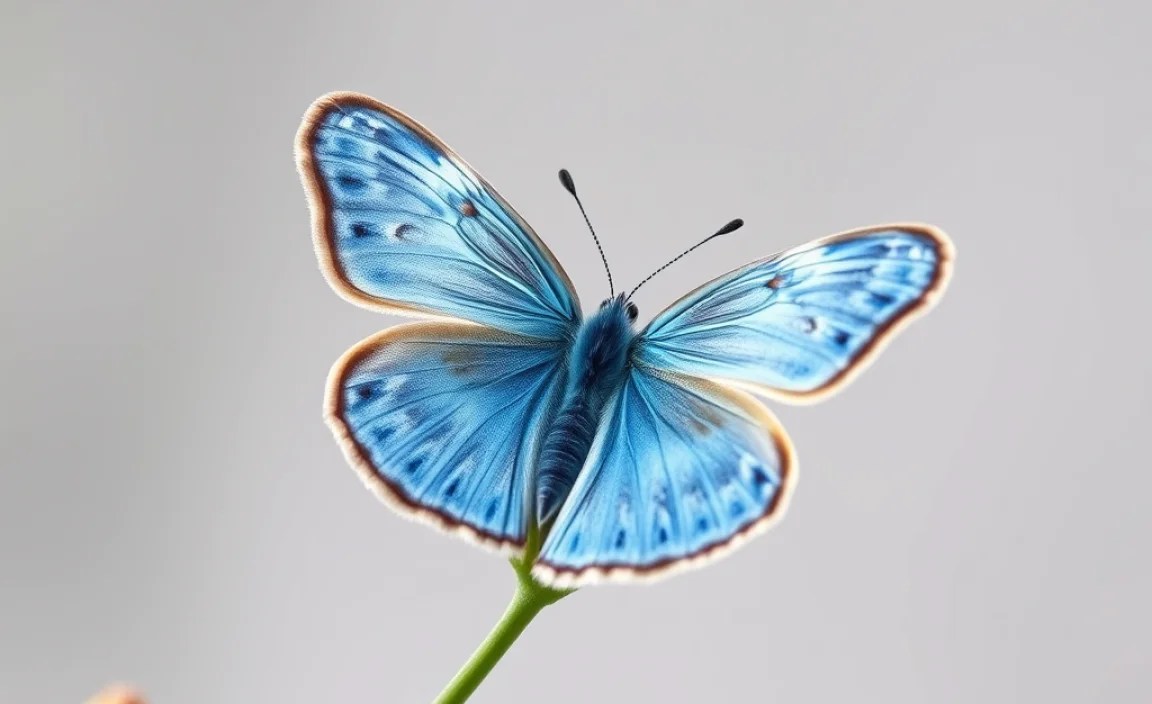
The Common Blue butterfly (Polyommatus icarus) is a member of the Lycaenidae family, often referred to as the gossamer-winged butterflies. It’s a familiar sight across the UK, fluttering through grasslands, meadows, and even suburban gardens.
Unlike some of its rarer cousins, the Common Blue is relatively abundant, making it a great starting point for butterfly enthusiasts of all ages. Its widespread distribution and charming appearance make it a favourite among nature lovers.
Identifying the Common Blue Butterfly
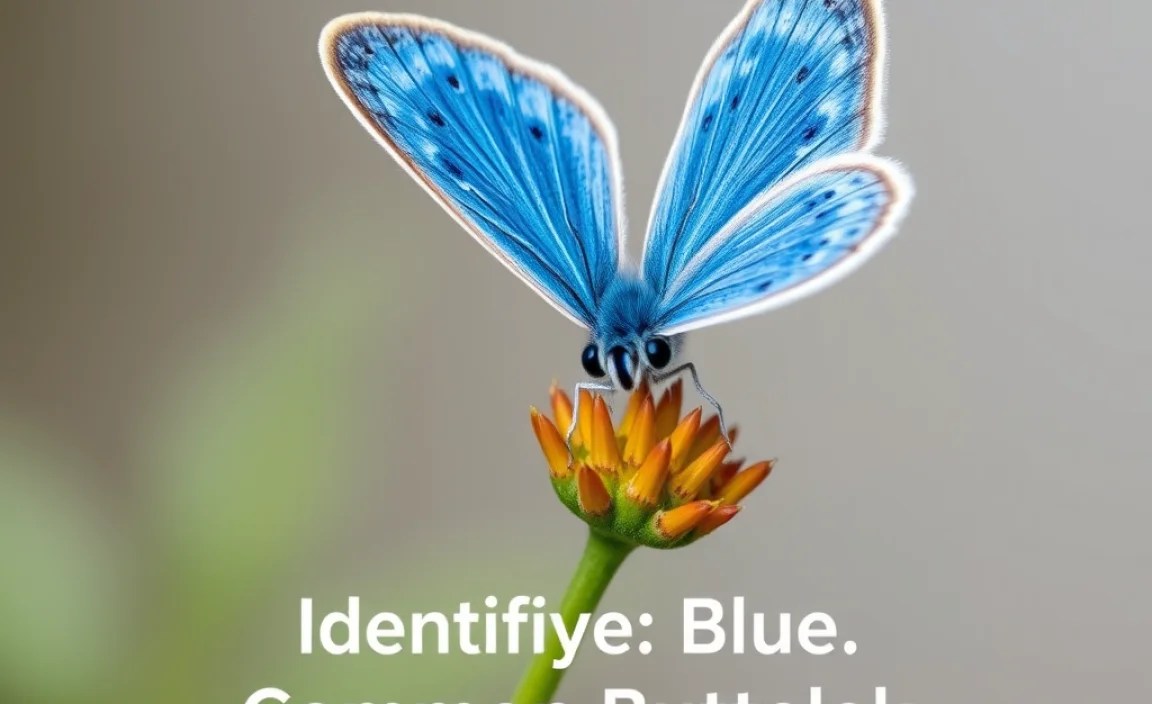
Distinguishing the Common Blue from other blue butterflies in the UK is key. Here’s what to look for:
Male vs. Female
One of the easiest ways to identify a Common Blue is by observing the differences between males and females:
- Males: Generally have bright, iridescent blue wings with a narrow brown border.
- Females: Show a greater variation in colour. They are typically brown with a varying amount of blue dusting on the upper wings. They also have more prominent orange spots along the edge of the hindwings.
Key Identification Features
Pay close attention to these features:
- Wing Colour: Males are bright blue; females are mostly brown.
- Wing Borders: Narrow brown border on male wings; more pronounced markings on female wings.
- Orange Spots: Look for a row of orange spots along the edge of the hindwings, especially on females.
- Size: They are relatively small, with a wingspan of about 3-4 cm (1.2-1.6 inches).
- Underside: Both males and females have greyish-brown undersides with black spots, and orange spots near the edges of the hindwings.
Distinguishing from Similar Species
The Common Blue can sometimes be confused with other blue butterflies. Here’s a quick guide to help you tell them apart:
- Adonis Blue (Lysandra bellargus): Males are a more vibrant, almost electric blue. The Adonis Blue is also more restricted to chalk downland habitats.
- Chalkhill Blue (Lysandra coridon): Males have a paler, chalky blue colour. Like the Adonis Blue, they are mainly found on chalky grasslands.
- Holly Blue (Celastrina argiolus): This butterfly has a distinctly different flight pattern, often flying around trees and shrubs. The underside of the wings is pale blue with black spots.
The Life Cycle of the Common Blue

Understanding the Common Blue’s life cycle is essential for appreciating its ecological role and how to support it.
Egg Stage
The life cycle begins with a small, greenish-white egg laid on or near the larval food plant, typically bird’s-foot trefoil (Lotus corniculatus). These eggs are tiny and can be difficult to spot.
Larval Stage (Caterpillar)
Once the egg hatches, a green caterpillar emerges. The caterpillar feeds on the leaves and flowers of its host plant, growing through several stages (instars). Common Blue caterpillars have a fascinating relationship with ants; they secrete a sugary substance that ants love, and in return, the ants protect the caterpillar from predators.
Pupal Stage (Chrysalis)
After reaching its full size, the caterpillar pupates, forming a chrysalis. The chrysalis is typically green or brown and blends in with its surroundings. This stage can last for a few weeks, depending on the weather conditions.
Adult Stage (Butterfly)
Finally, the adult butterfly emerges from the chrysalis. The adult Common Blue butterfly lives for only a few weeks, during which it feeds on nectar from various flowers and reproduces, continuing the cycle.
Here’s a table summarizing the life cycle stages:
| Stage | Description | Duration |
|---|---|---|
| Egg | Small, greenish-white eggs laid on host plant | Several days |
| Larva (Caterpillar) | Green caterpillar that feeds on leaves and flowers | Several weeks |
| Pupa (Chrysalis) | Green or brown chrysalis | Few weeks |
| Adult (Butterfly) | Blue (male) or brown (female) butterfly that feeds on nectar | Few weeks |
Habitat and Distribution
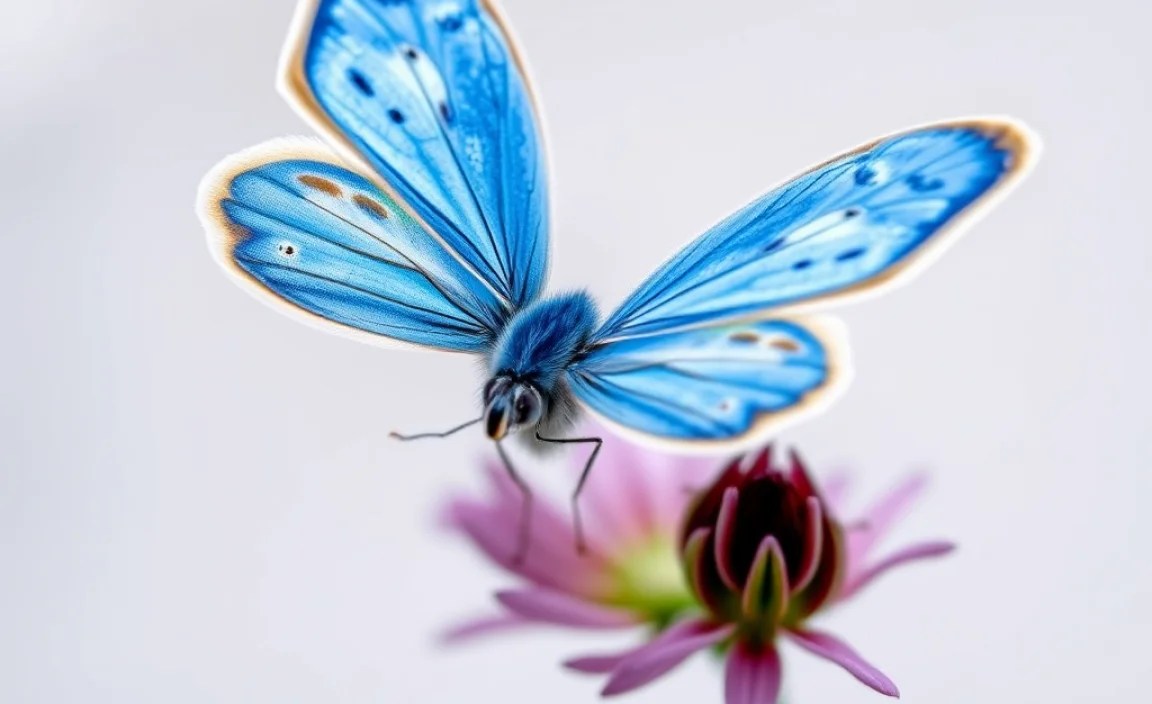
The Common Blue is widespread throughout the UK and can be found in a variety of habitats.
Preferred Habitats
Common Blues thrive in:
- Grasslands: Especially unimproved grasslands with plenty of wildflowers.
- Meadows: Traditional hay meadows provide ideal conditions.
- Gardens: They can be attracted to gardens with suitable nectar sources and larval food plants.
- Coastal Areas: Found in coastal grasslands and dunes.
- Heathland: Can also be found in heathland areas with the right vegetation.
Geographical Distribution in the UK
The Common Blue is one of the most common and widely distributed butterflies in the UK. It is found throughout England, Scotland, Wales, and Ireland. Its adaptability allows it to survive in diverse environments, from lowland meadows to upland moors.
Attracting Common Blue Butterflies to Your Garden

Want to see more Common Blues in your garden? Here’s how:
Planting the Right Flowers
To attract these butterflies, focus on planting nectar-rich flowers that provide food for the adults and host plants for the caterpillars.
Nectar Sources for Adult Butterflies:
- Bird’s-foot Trefoil (Lotus corniculatus): A favourite nectar source.
- Thistles (Cirsium spp.): Provide nectar and attract other pollinators.
- Knapweed (Centaurea nigra): A robust nectar source.
- Wild Marjoram (Origanum vulgare): Attracts many butterflies and bees.
- Lavender (Lavandula): A fragrant and attractive option.
Host Plants for Caterpillars:
- Bird’s-foot Trefoil (Lotus corniculatus): The primary food plant for Common Blue caterpillars.
- Other Legumes: Including other species of Lotus, Medicago, and Trifolium.
Creating a Butterfly-Friendly Habitat
Beyond planting the right flowers, consider these habitat enhancements:
- Leave Patches of Long Grass: This provides shelter and egg-laying sites.
- Avoid Pesticides: Pesticides can harm butterflies and other beneficial insects.
- Provide a Water Source: A shallow dish of water with pebbles for butterflies to land on can be helpful.
- Sunny Spots: Butterflies need sunny spots to bask and warm up.
- Shelter from Wind: Plant shrubs or create windbreaks to provide shelter.
Sustainable Gardening Practices
Embrace sustainable gardening practices to create a healthy environment for butterflies and other wildlife:
- Organic Gardening: Avoid synthetic pesticides and fertilizers.
- Composting: Use compost to enrich the soil.
- Water Conservation: Use water wisely and consider rainwater harvesting.
- Encourage Native Plants: Native plants are best adapted to the local environment and provide the most benefit to local wildlife.
Conservation Status and Threats
While the Common Blue is currently widespread, it still faces several threats.
Current Conservation Status
The Common Blue is not currently considered a threatened species in the UK. However, monitoring its population trends is important to ensure its continued survival.
Threats to Common Blue Populations
Several factors can impact Common Blue populations:
- Habitat Loss: Loss of grasslands and meadows due to development and agricultural intensification.
- Agricultural Practices: Use of pesticides and herbicides can harm or kill butterflies and their food plants.
- Climate Change: Changes in temperature and rainfall patterns can affect butterfly life cycles and habitat suitability.
- Overgrazing: Excessive grazing can reduce the availability of larval food plants.
Conservation Efforts
Various organizations and individuals are working to protect butterflies and their habitats. Some key conservation efforts include:
- Habitat Restoration: Restoring and managing grasslands and meadows to provide suitable habitat.
- Sustainable Agriculture: Promoting farming practices that are less harmful to butterflies and other wildlife.
- Monitoring Programs: Tracking butterfly populations to identify trends and potential threats.
- Public Education: Raising awareness about the importance of butterflies and their conservation.
Common Blue Butterfly and Climate Change
Climate change poses a significant threat to many butterfly species, including the Common Blue.
Impact of Changing Temperatures
Warmer temperatures can affect the timing of butterfly life cycle events, such as emergence and reproduction. This can lead to mismatches between butterflies and their food plants, impacting their survival and reproductive success. As Smithsonian Magazine reports, temperature changes are disrupting ecosystems worldwide.
Changes in Rainfall Patterns
Altered rainfall patterns, such as more frequent droughts or heavy rainfall events, can also impact butterfly habitats. Droughts can reduce the availability of nectar and larval food plants, while heavy rainfall can damage butterfly eggs and larvae.
Adaptation Strategies
To help Common Blue butterflies adapt to climate change, consider the following strategies:
- Create Diverse Habitats: Diverse habitats are more resilient to climate change impacts.
- Provide Shelter: Planting shrubs and trees can provide shelter from extreme weather events.
- Maintain Connectivity: Connecting fragmented habitats can allow butterflies to move to more suitable areas.
- Reduce Other Stressors: Reducing other stressors, such as pesticide use and habitat loss, can make butterflies more resilient to climate change impacts.
Fun Facts About the Common Blue Butterfly
Here are some interesting facts about the Common Blue butterfly:
- Ant Association: Common Blue caterpillars have a symbiotic relationship with ants, who protect them in exchange for a sugary secretion.
- Multiple Broods: In warmer areas, the Common Blue can have two or even three broods per year.
- Widespread Distribution: It is one of the most widespread butterflies in Europe.
- Variable Females: Female Common Blues can have varying amounts of blue on their wings, making identification challenging.
- Nectar Preferences: They are attracted to a wide range of nectar sources, making them relatively easy to attract to gardens.
Resources for Further Learning
Want to learn more about butterflies and their conservation? Here are some helpful resources:
- Butterfly Conservation: A UK-based charity dedicated to protecting butterflies and moths.
- The Xerces Society: An international organization focused on invertebrate conservation.
- Local Wildlife Trusts: Many local wildlife trusts offer resources and events related to butterfly conservation.
- National Geographic: Offers articles and documentaries on butterflies and other wildlife.
FAQ About Common Blue Butterflies
Here are some frequently asked questions about Common Blue butterflies:
What do Common Blue caterpillars eat?
Common Blue caterpillars primarily eat bird’s-foot trefoil (Lotus corniculatus). They may also feed on other legumes.
How can I tell the difference between a male and female Common Blue?
Males are typically bright blue with a narrow brown border. Females are usually brown with varying amounts of blue and more prominent orange spots on the hindwings.
Where can I find Common Blue butterflies?
Common Blue butterflies are found in grasslands, meadows, gardens, and coastal areas throughout the UK.
Are Common Blue butterflies endangered?
No, Common Blue butterflies are not currently considered endangered, but habitat loss and climate change pose potential threats.
What flowers attract Common Blue butterflies?
Bird’s-foot trefoil, thistles, knapweed, wild marjoram, and lavender are all attractive to Common Blue butterflies.
Do Common Blue butterflies migrate?
Common Blue butterflies do not typically migrate long distances, but they may move locally in search of suitable habitats.
How long do Common Blue butterflies live?
Adult Common Blue butterflies typically live for only a few weeks.
Conclusion
The Common Blue butterfly is a delightful and widespread species that adds beauty to the UK landscape. By understanding its identification, life cycle, and habitat needs, you can appreciate these charming creatures even more. Planting the right flowers, creating a butterfly-friendly habitat, and supporting conservation efforts are all ways you can help ensure the Common Blue continues to thrive for generations to come. So, get outside, explore your local meadows and gardens, and keep an eye out for the flash of blue that signals the presence of this wonderful butterfly!