
Asian Butterfly Sanctuaries: Discover Powerful Beauty

Have you ever seen a butterfly flutter by? They are so pretty and delicate! Butterflies fly all over the world. Some of the most amazing butterflies live in Asia. There are special places in Asia that protect these beautiful insects. These places are called Asian butterfly sanctuaries.
These sanctuaries help butterflies stay safe. They also let us learn more about them. Let’s explore these wonderful places together! We can discover why they are so important.
Butterflies are important for our world. They help flowers make seeds. This helps plants grow. Without butterflies, many plants would disappear. Asian butterfly sanctuaries play a big role in keeping butterflies safe.
Key Takeaways
- Asian butterfly sanctuaries protect many kinds of butterflies.
- These sanctuaries help butterflies live and have babies safely.
- You can visit these sanctuaries to see amazing butterflies.
- Butterflies help plants grow by moving pollen from flower to flower.
- Protecting butterflies helps our whole world stay healthy and beautiful.
Discovering Asian Butterfly Sanctuaries

Asian butterfly sanctuaries are special places. They are like safe homes for butterflies. These sanctuaries help butterflies live and grow. They also teach people about butterflies. Many different kinds of butterflies live in these sanctuaries. Some butterflies are big and colorful. Others are small and delicate. Each sanctuary is a unique place. They often have special plants that butterflies need. These plants give butterflies food and shelter. Some sanctuaries even have special butterfly gardens. These gardens attract butterflies from all around. People can visit these sanctuaries to see the butterflies. It is a great way to learn about nature. These sanctuaries are important for protecting butterflies. They help make sure that butterflies will be around for a long time.
- Sanctuaries protect butterflies from danger.
- They provide food and shelter for butterflies.
- Butterfly gardens attract different species.
- Visitors can learn about butterfly life cycles.
- Sanctuaries help butterflies reproduce safely.
Asian butterfly sanctuaries are not just for butterflies. They are also for people. People can visit these sanctuaries to learn about butterflies. They can see how butterflies live and grow. Sanctuaries often have special programs for kids. These programs teach kids about nature. Kids can learn how to protect butterflies. Sanctuaries also help scientists study butterflies. Scientists can learn about butterfly behavior. They can also learn about butterfly habitats. This information helps them protect butterflies even better. Asian butterfly sanctuaries are important places for everyone. They help us all learn to care for nature. They show us how important even small creatures can be.
Fun Fact or Stat: Did you know that some butterflies taste with their feet?
Why are butterflies important?
Have you ever wondered why butterflies matter? Butterflies are more than just pretty insects. They play a big role in our world. Butterflies help flowers make seeds. This is called pollination. When a butterfly lands on a flower, it picks up pollen. Then, it flies to another flower and drops off the pollen. This helps the flower make seeds. These seeds grow into new plants. Without butterflies, many plants would not be able to grow. This would affect the whole food chain. Animals that eat plants would have less food. Animals that eat those animals would also be affected. Butterflies also provide food for other animals. Birds, lizards, and other animals eat butterflies. So, butterflies are an important part of the ecosystem.
What can you learn at a sanctuary?
Imagine visiting an Asian butterfly sanctuary. What could you learn there? You could learn about the different kinds of butterflies. You could see how they live and grow. You could learn about the plants that butterflies need. Sanctuaries often have special exhibits. These exhibits teach about butterfly life cycles. You can see caterpillars turn into butterflies. It is amazing to watch! You can also learn about the dangers that butterflies face. Habitats are being destroyed. Pollution harms butterflies. Climate change also affects them. By visiting a sanctuary, you can learn how to help protect butterflies. You can learn how to create a butterfly garden at home. You can also learn how to support conservation efforts.
How do sanctuaries help butterflies?
Asian butterfly sanctuaries help butterflies in many ways. They provide a safe place for butterflies to live. Sanctuaries protect butterflies from predators. They also protect them from habitat loss. Sanctuaries often have special plants that butterflies need. These plants provide food for caterpillars and adult butterflies. Sanctuaries also help butterflies reproduce. They provide a place for butterflies to lay their eggs. The eggs hatch into caterpillars. The caterpillars eat and grow. Then, they turn into butterflies. Sanctuaries also help educate people about butterflies. They teach people about the importance of protecting butterflies. This helps to create a more butterfly-friendly world.
Fun Fact or Stat: Some butterflies migrate thousands of miles, just like birds!
Visiting Butterfly Sanctuaries in Asia

Visiting Asian butterfly sanctuaries can be a wonderful experience. You can see many different kinds of butterflies. You can learn about their life cycles. You can also enjoy the beauty of nature. When you visit a sanctuary, be sure to wear comfortable shoes. You will be doing a lot of walking. Bring a hat and sunscreen to protect yourself from the sun. You should also bring water to stay hydrated. Be respectful of the butterflies and their habitat. Do not touch the butterflies. Do not pick the flowers. Stay on the marked trails. Listen to the instructions of the sanctuary staff. They can tell you about the best places to see butterflies. They can also answer your questions about butterflies. Visiting a butterfly sanctuary is a great way to connect with nature.
- Wear comfortable shoes for walking.
- Bring water to stay hydrated.
- Do not touch the butterflies.
- Stay on the marked trails.
- Listen to the sanctuary staff.
- Enjoy the beauty of nature.
Many Asian butterfly sanctuaries offer special programs for kids. These programs can be very fun and educational. Kids can learn about butterfly life cycles. They can participate in butterfly releases. They can also create butterfly-themed crafts. Some sanctuaries even have butterfly gardens where kids can plant flowers. These programs help kids learn to appreciate nature. They also teach them how to protect butterflies. If you are planning a trip to an Asian butterfly sanctuary, be sure to check their website. See if they have any special programs for kids. These programs can make your visit even more memorable. They can also inspire a lifelong love of nature.
Fun Fact or Stat: The largest butterfly in the world, the Queen Alexandra’s birdwing, lives in Papua New Guinea!
What should you bring?
Planning a trip to an Asian butterfly sanctuary? Make sure you pack the right things! Comfortable shoes are a must. You’ll be walking a lot. A hat and sunscreen will protect you from the sun. Water is important to stay hydrated. A camera can help you capture beautiful moments. A notebook and pencil can be used to jot down your observations. A field guide to butterflies can help you identify different species. A small backpack is useful for carrying everything. And most importantly, bring your curiosity and a love for nature!
What should you wear?
What you wear to an Asian butterfly sanctuary matters! Choose light-colored clothing. Dark colors can attract unwanted attention from insects. Wear long sleeves and pants to protect yourself from the sun and bugs. Comfortable shoes are essential. You’ll be doing a lot of walking. A hat will shield your face from the sun. Sunglasses will protect your eyes. Avoid wearing strong perfumes or lotions. These can attract insects or scare away butterflies. Dress comfortably and respectfully. This will help you enjoy your visit to the fullest.
How can you be respectful?
Being respectful at an Asian butterfly sanctuary is important. Remember, you’re a guest in their home. Stay on the marked trails. This helps protect the plants and butterflies. Avoid touching the butterflies. Their wings are delicate. Do not pick the flowers. Butterflies need them for food. Keep your voice down. Loud noises can scare the butterflies. Do not litter. Keep the sanctuary clean and beautiful. Follow the rules and regulations of the sanctuary. Be mindful of other visitors. Share the space and enjoy the beauty of nature. Your respect will help ensure the sanctuary remains a safe haven for butterflies.
Fun Fact or Stat: Butterflies use their antennae to smell!
The Life Cycle of Butterflies

The life cycle of a butterfly is amazing. It starts with an egg. The egg is usually laid on a leaf. When the egg hatches, a caterpillar comes out. The caterpillar eats and grows. It sheds its skin several times. This is called molting. After a while, the caterpillar turns into a pupa. The pupa is also called a chrysalis. Inside the pupa, the caterpillar changes into a butterfly. This process is called metamorphosis. When the butterfly is ready, it comes out of the pupa. The butterfly’s wings are wet and crumpled. The butterfly pumps fluid into its wings. This makes them expand. Then, the butterfly flies away. The butterfly will then lay eggs and continue the life cycle.
- Butterflies start as tiny eggs.
- Caterpillars eat and grow quickly.
- They shed their skin as they grow.
- Pupa is also called a chrysalis.
- Metamorphosis happens inside the pupa.
- Butterflies emerge with wet wings.
- They pump fluid to expand their wings.
Understanding the butterfly life cycle is important for Asian butterfly sanctuaries. Sanctuaries need to provide the right plants for caterpillars to eat. They also need to provide a safe place for pupae to develop. By understanding the needs of each stage of the life cycle, sanctuaries can help butterflies thrive. They can also educate visitors about the amazing transformation that butterflies undergo. This can inspire people to protect butterflies and their habitats. Learning about the butterfly life cycle can also help you create a butterfly garden at home. You can plant the right plants to attract butterflies and support their growth.
Fun Fact or Stat: A butterfly’s wings are covered in tiny scales that give them their color!
What do caterpillars eat?
Have you ever wondered what caterpillars eat? Caterpillars are very hungry creatures. They need to eat a lot to grow. Different caterpillars eat different things. Some caterpillars eat leaves. Others eat flowers. Some even eat fruit. Monarch caterpillars only eat milkweed plants. Swallowtail caterpillars eat citrus leaves. Some caterpillars are very picky eaters. They will only eat one type of plant. Others are more flexible. They will eat a variety of plants. Asian butterfly sanctuaries provide a variety of plants for caterpillars to eat. This helps ensure that all the caterpillars have enough food. Providing the right food is essential for the survival of butterflies.
How long does it take to become a butterfly?
Ever wondered how long it takes for a caterpillar to transform into a butterfly? The time it takes varies. It depends on the type of butterfly. It also depends on the environment. Some butterflies complete their life cycle in a few weeks. Others take several months. The egg stage usually lasts a few days. The caterpillar stage can last from a few weeks to a few months. The pupa stage usually lasts a week or two. The adult butterfly stage can last from a few days to several months. Asian butterfly sanctuaries provide the ideal conditions. This helps butterflies complete their life cycle successfully. Factors like temperature and food availability play a big role.
What happens inside the pupa?
Imagine what happens inside the pupa! The pupa looks like it’s resting. But inside, amazing changes are happening. The caterpillar’s body is breaking down. It is being reorganized. Special cells called imaginal discs are developing. These cells will form the butterfly’s wings, legs, and other body parts. The process is called metamorphosis. It is one of the most amazing transformations in nature. When the butterfly is ready, it will break out of the pupa. It will emerge as a beautiful, winged creature. Asian butterfly sanctuaries provide a safe place for this transformation to occur.
Fun Fact or Stat: Some butterflies can fly up to 30 miles per hour!
Threats to Asian Butterflies

Asian butterfly sanctuaries are more important than ever. Butterflies face many threats today. One of the biggest threats is habitat loss. As forests and other natural areas are destroyed, butterflies lose their homes. They also lose their food sources. Another threat is pollution. Pesticides and other chemicals can harm butterflies. Climate change is also a threat. Changes in temperature and rainfall can affect butterfly habitats. Invasive species can also harm butterflies. These species can compete with butterflies for food. They can also prey on butterflies. All of these threats make it difficult for butterflies to survive. That’s why Asian butterfly sanctuaries are so important. They provide a safe haven for butterflies.
- Habitat loss is a major threat.
- Pollution harms butterfly populations.
- Climate change affects their habitats.
- Invasive species compete for resources.
- Pesticides can be very harmful.
- These threats reduce butterfly numbers.
Protecting butterflies is important for many reasons. Butterflies are important pollinators. They help flowers make seeds. This helps plants grow. Butterflies are also a food source for other animals. They are an important part of the ecosystem. When butterfly populations decline, it can have a ripple effect throughout the ecosystem. Asian butterfly sanctuaries play a vital role in protecting butterflies. They also help to educate people about the importance of butterflies. By supporting these sanctuaries, we can help ensure that butterflies will be around for generations to come. We can also help protect the health of our planet.
Fun Fact or Stat: Butterflies are cold-blooded, so they need the sun to warm up!
How does habitat loss affect butterflies?
Imagine your home disappearing. How would you survive? That’s what happens to butterflies when habitats are lost. Habitat loss is a major threat. It happens when forests are cut down. It also happens when wetlands are drained. These areas are important for butterflies. They provide food, shelter, and breeding grounds. When these areas are destroyed, butterflies have nowhere to go. They struggle to find food. They struggle to find mates. They struggle to survive. Asian butterfly sanctuaries protect habitats. They help butterflies survive. They also help educate people about the importance of protecting habitats.
What is the impact of pollution?
Pollution is a serious problem for butterflies. Pesticides are especially harmful. Farmers use pesticides to kill insects. But pesticides can also kill butterflies. Even small amounts of pesticides can be deadly. Air pollution can also harm butterflies. It can damage their wings. It can also make it difficult for them to find food. Water pollution can also be a problem. It can contaminate their drinking water. Asian butterfly sanctuaries work to protect butterflies from pollution. They promote sustainable farming practices. They also work to reduce air and water pollution. This helps to create a healthier environment for butterflies.
Can climate change hurt butterflies?
Climate change is changing the world. It can also hurt butterflies. Changes in temperature affect butterflies. Butterflies need certain temperatures to survive. Changes in rainfall affect butterflies. They need certain amounts of rain. Climate change can cause extreme weather. This includes droughts and floods. These events can destroy butterfly habitats. They can also kill butterflies. Asian butterfly sanctuaries are working to address climate change. They are planting trees. Trees help to absorb carbon dioxide. They are also educating people about climate change. This helps to create a more sustainable future for butterflies.
Fun Fact or Stat: Some butterflies can taste with sensors on their legs!
Creating Your Own Butterfly Garden
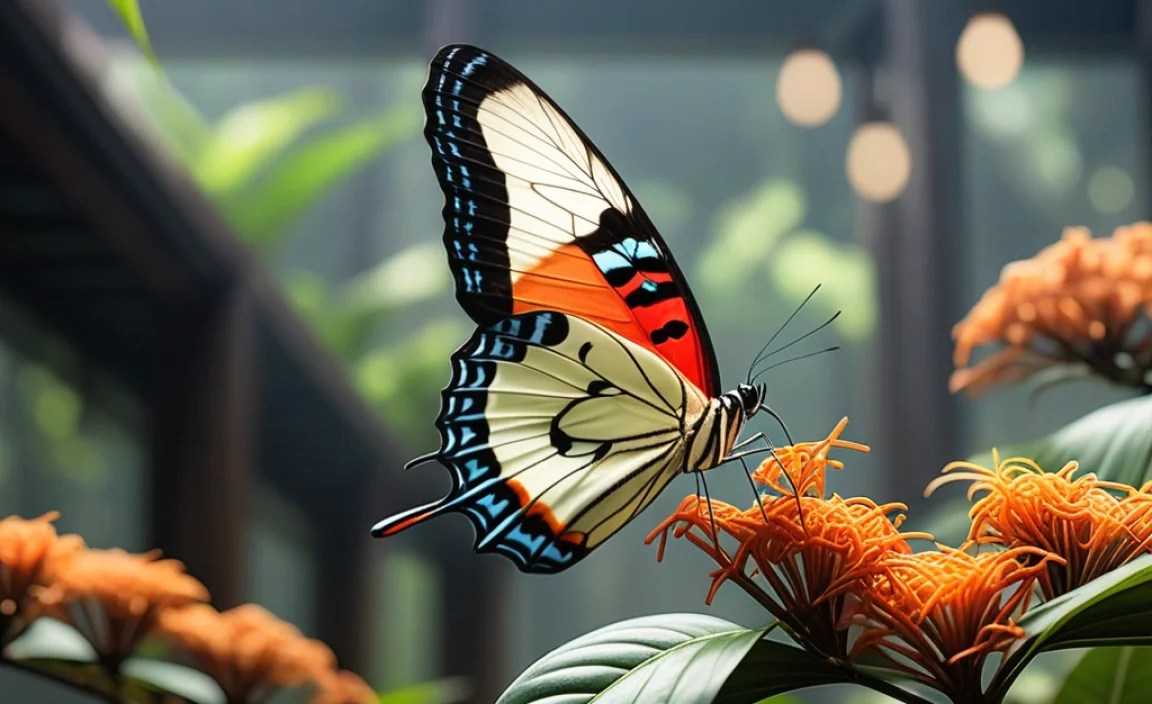
You can help butterflies by creating a butterfly garden. A butterfly garden is a garden that is designed to attract butterflies. It provides food and shelter for butterflies. To create a butterfly garden, you need to plant the right plants. Butterflies need nectar plants for food. They also need host plants for their caterpillars. Nectar plants provide nectar for adult butterflies. Host plants provide food for caterpillars. Some good nectar plants include milkweed, butterfly bush, and zinnias. Some good host plants include milkweed, parsley, and dill. You also need to provide water for butterflies. A shallow dish of water with some stones in it will work. Make sure to keep your butterfly garden free of pesticides.
| Plant Type | Plant Name | Benefits | Sun/Shade |
|---|---|---|---|
| Nectar Plant | Butterfly Bush | Attracts many butterflies | Full Sun |
| Nectar Plant | Zinnias | Colorful and easy to grow | Full Sun |
| Host Plant | Milkweed | Monarch caterpillars eat it | Full Sun |
| Host Plant | Parsley | Swallowtail caterpillars eat it | Partial Sun |
Creating a butterfly garden is a great way to help butterflies. It also provides a beautiful and relaxing space for you to enjoy. You can watch the butterflies as they flutter around your garden. You can also learn about the different kinds of butterflies that visit your garden. By creating a butterfly garden, you are making a difference in the lives of butterflies. You are also helping to create a healthier environment for everyone. Asian butterfly sanctuaries often provide resources and information. They can help you create your own butterfly garden.
Fun Fact or Stat: Butterflies can see ultraviolet light, which helps them find nectar!
What plants attract butterflies?
Want to attract butterflies to your garden? Plant the right flowers! Butterflies love nectar-rich flowers. Some favorites include butterfly bush, zinnias, and milkweed. These flowers provide food for adult butterflies. Caterpillars need host plants. Milkweed is a host plant for monarch butterflies. Parsley is a host plant for swallowtail butterflies. Plant a variety of flowers. This will attract different kinds of butterflies. Choose flowers with bright colors. Butterflies are attracted to bright colors. Plant flowers in sunny spots. Butterflies need sunshine to warm up. A butterfly garden is a beautiful and beneficial addition to any yard. Many Asian butterfly sanctuaries have lists of plants you can use.
How do you provide water for butterflies?
Butterflies need water just like any other living thing. But they can’t drink from a deep puddle. They need a shallow source of water. You can create a butterfly puddle. Use a shallow dish or saucer. Fill it with water. Add some stones or marbles. The butterflies can land on the stones. They can drink the water safely. Keep the water clean and fresh. Change it regularly. You can also create a mud puddle. Butterflies can get minerals from the mud. Put some mud in a shallow dish. Add water. Keep the mud moist. Butterflies will come to drink and get minerals. Asian butterfly sanctuaries often have butterfly puddles.
How can you protect butterflies from harm?
Protecting butterflies is important. Avoid using pesticides in your garden. Pesticides can kill butterflies. They can also harm other beneficial insects. Plant native plants. Native plants are adapted to your local climate. They provide the best food and shelter for butterflies. Provide shelter for butterflies. Plant trees and shrubs. Butterflies can use these for shelter. Keep your cat indoors. Cats can prey on butterflies. Educate your neighbors. Tell them about the importance of protecting butterflies. Encourage them to create butterfly-friendly gardens. By taking these steps, you can help protect butterflies from harm. The Asian butterfly sanctuaries need help from everyone to protect butterflies.
Fun Fact or Stat: Butterflies have taste receptors on their feet!
Supporting Butterfly Conservation Efforts
Supporting butterfly conservation is very important. Butterflies are facing many threats. Habitat loss, pollution, and climate change are all taking a toll. By supporting butterfly conservation efforts, you can help protect these beautiful creatures. There are many ways to support butterfly conservation. You can donate to butterfly conservation organizations. You can volunteer your time at Asian butterfly sanctuaries. You can create a butterfly garden in your yard. You can educate others about the importance of butterflies. Every little bit helps. By working together, we can make a difference in the lives of butterflies. We can also help protect the health of our planet.
- Donate to conservation organizations.
- Volunteer at butterfly sanctuaries.
- Create a butterfly garden at home.
- Educate others about butterflies.
- Support sustainable practices.
- Reduce your carbon footprint.
Asian butterfly sanctuaries need your help. They rely on donations and volunteers to continue their work. By supporting these sanctuaries, you are helping to protect butterflies and their habitats. You are also helping to educate people about the importance of butterflies. Consider making a donation to your local butterfly sanctuary. Or, volunteer your time to help with their conservation efforts. Even a small amount of time or money can make a big difference. Together, we can ensure that butterflies will be around for generations to come. We can also help protect the beauty and diversity of our planet.
Fun Fact or Stat: Butterflies are an important indicator species, meaning their health reflects the health of the environment!
How can you donate to help?
Want to help butterflies through donations? Many organizations need your support. Look for reputable butterfly conservation groups. Research their work. Make sure they are effective. Donate online. You can often donate through their website. Send a check. Some organizations accept donations by mail. Donate in honor of someone. This makes a great gift. Encourage others to donate. Spread the word about these organizations. Even a small donation can make a big difference. Asian butterfly sanctuaries need funding for their important work. Your generosity helps protect butterflies.
What does volunteering involve?
Volunteering is a great way to help butterflies. What can you do as a volunteer? You can help with habitat restoration. This includes planting trees and removing invasive species. You can help with butterfly monitoring. This involves counting butterflies and recording data. You can help with educational programs. This includes giving tours and leading workshops. You can help with administrative tasks. This includes answering phones and preparing mailings. Asian butterfly sanctuaries offer various volunteer opportunities. Find one that suits your interests and skills. Your time and effort can make a real difference.
Why is education important?
Education is key to butterfly conservation. When people learn about butterflies, they care more. They become more likely to protect them. Education can teach people about butterfly life cycles. It can teach people about the threats butterflies face. It can teach people how to create butterfly gardens. It can inspire people to take action. Asian butterfly sanctuaries use education to promote conservation. They offer tours, workshops, and educational materials. They reach out to schools and communities. By educating people, they create a more butterfly-friendly world.
Fun Fact or Stat: Butterflies have been around for at least 56 million years!
Summary
Asian butterfly sanctuaries are vital for protecting these delicate insects. These sanctuaries provide safe habitats where butterflies can thrive. They also educate people about the importance of butterfly conservation. Butterflies face many threats, including habitat loss, pollution, and climate change. These sanctuaries work to mitigate these threats. They also help to restore butterfly populations. By visiting or supporting these sanctuaries, you can make a difference. You can help ensure that butterflies will continue to grace our world with their beauty. Supporting these sanctuaries is an investment in the health of our planet.
Conclusion
Asian butterfly sanctuaries are important for protecting butterflies. They provide safe homes and food for these insects. You can help butterflies by visiting these sanctuaries. You can also donate to support their work. Creating a butterfly garden is another way to help. Every small action can make a big difference. Let’s all work together to protect these beautiful creatures. Butterflies are important for our planet’s health.
Frequently Asked Questions
Question No 1: What exactly are Asian butterfly sanctuaries?
Answer: Asian butterfly sanctuaries are protected areas. These areas are designed to provide a safe habitat for butterflies. They often include butterfly gardens. These gardens contain plants that butterflies need to survive. Sanctuaries also work to educate people about butterflies. They teach about butterfly life cycles. They also teach about the importance of conservation. These sanctuaries help to ensure that butterflies will be around for future generations. They play a vital role in protecting biodiversity. They also offer a beautiful place for people to connect with nature. Sanctuaries are essential for the health of our ecosystems.
Question No 2: Why are Asian butterfly sanctuaries important?
Answer: Asian butterfly sanctuaries are important for several reasons. First, they provide a safe haven for butterflies. Butterflies face many threats. These include habitat loss and pollution. Sanctuaries protect butterflies from these threats. Second, sanctuaries help to increase butterfly populations. They provide the resources that butterflies need to thrive. Third, sanctuaries educate people about butterflies. This helps to raise awareness about the importance of conservation. Finally, sanctuaries provide a beautiful place for people to enjoy nature. They offer a chance to see butterflies up close and learn about their lives. This can inspire a love of nature and a desire to protect it.
Question No 3: What kinds of butterflies can you see in Asian sanctuaries?
Answer: You can see many different kinds of butterflies. The specific types depend on the location of the sanctuary. Some common butterflies include swallowtails, monarchs, and brush-footed butterflies. You might also see some rarer species. These butterflies have unique colors and patterns. Sanctuaries often have guides. These guides can help you identify the different butterflies. They can also tell you about their life cycles and habits. Visiting a sanctuary is a great way to learn about the diversity of butterflies. You can also appreciate their beauty. It is an amazing experience for nature lovers.
Question No 4: How can I help support butterfly conservation?
Answer: There are many ways to help support butterfly conservation. One way is to donate to butterfly conservation organizations. These organizations use donations to protect butterfly habitats. They also use them to educate people about butterflies. Another way to help is to create a butterfly garden in your yard. This provides food and shelter for butterflies. You can also avoid using pesticides. Pesticides can harm butterflies. You can also educate others about the importance of butterfly conservation. Tell your friends and family about the threats that butterflies face. Encourage them to take action. Every little bit helps. Together, we can make a difference.
Question No 5: Are Asian butterfly sanctuaries open to the public?
Answer: Yes, many Asian butterfly sanctuaries are open to the public. They welcome visitors who want to learn about butterflies. Opening hours and admission fees vary. It is always a good idea to check the sanctuary’s website before you visit. Some sanctuaries offer guided tours. These tours can be a great way to learn about butterflies. Other sanctuaries have walking trails. You can explore these trails on your own. Remember to be respectful of the butterflies and their habitat. Do not touch the butterflies. Stay on the marked trails. Enjoy the beauty of nature.
Question No 6: What are some of the biggest threats to butterflies in Asia?
Answer: Butterflies in Asia face several significant threats. Habitat loss is a major concern. Forests and other natural areas are being destroyed. This leaves butterflies without food and shelter. Pollution is another threat. Pesticides and other chemicals can harm butterflies. Climate change is also affecting butterflies. Changes in temperature and rainfall can disrupt their life cycles. Invasive species can also compete with butterflies. These threats make it difficult for butterflies to survive. That’s why Asian butterfly sanctuaries are so important. They provide a safe haven for these beautiful creatures.


