
White Butterfly Types: A Simple ID Guide

Quick Summary:
White butterflies belong to several different families, including Pieridae and Nymphalidae. Key types include the Cabbage White (Pieris rapae), known for its appetite for garden vegetables; the Mustard White (Pieris napi), often found in damp woodlands; and the Checkered White (Pontia protodice), common across North America. Identifying them involves observing wing patterns, size, and habitat.
Have you ever been curious about the delicate white butterflies fluttering around your garden? It’s easy to think they’re all the same, but there’s actually a wonderful variety of white butterfly types, each with its own unique charm and story. Identifying them can sometimes feel tricky, but don’t worry!
In this guide, we’ll explore some of the most common and fascinating white butterfly species. We’ll look at what makes each one special, where they live, and how you can tell them apart. Get ready to discover the beautiful diversity within the world of white butterflies!
Frequently Asked Questions (FAQs)
What’s the most common white butterfly?
The Cabbage White (Pieris rapae) is one of the most common white butterflies found worldwide. You’ll often see it in gardens and fields.
Are white butterflies harmful to my garden?
The Cabbage White butterfly can be a pest because its caterpillars feed on cabbage, broccoli, and other leafy vegetables. Other white butterflies usually don’t cause significant harm.
How can I attract white butterflies to my garden?
Plant nectar-rich flowers like asters, zinnias, and butterfly bushes. These will provide food for adult butterflies.
What’s the difference between a butterfly and a moth?
Butterflies usually have brightly colored wings, thin antennae, and are active during the day. Moths often have duller colors, feathery antennae, and are mostly active at night.
Do white butterflies migrate?
Some white butterflies, like the Cabbage White, don’t migrate long distances. Others, like certain Pieris species, may move locally in search of food or better conditions.
What do white butterfly caterpillars eat?
Caterpillars of white butterflies feed on various plants. For example, Cabbage White caterpillars love cabbage and related crops, while others prefer wildflowers and shrubs.
How long do white butterflies live?
The lifespan of a white butterfly varies depending on the species and environmental conditions. Many live only a few weeks as adults.
Exploring the World of White Butterflies

As a naturalist, I’ve always been captivated by the seemingly simple elegance of white butterflies. These ethereal creatures, often overlooked, play a vital role in our ecosystems. Understanding the different types of white butterflies not only enriches our appreciation for nature but also helps us protect these delicate pollinators.
Common White Butterfly Types: A Detailed Guide
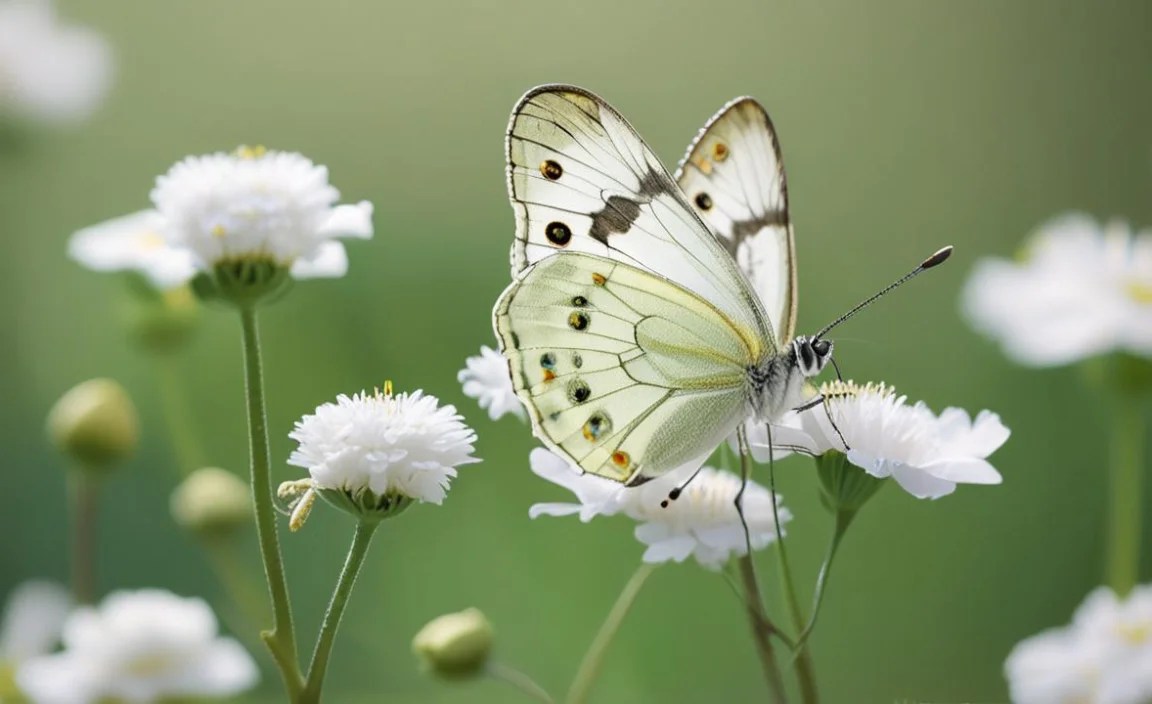
Let’s dive into some of the most common and interesting white butterfly types you might encounter:
1. Cabbage White (Pieris rapae)
The Cabbage White is perhaps the most well-known of the white butterflies. Originally from Europe, it has spread across the globe and is now found in North America, Australia, and many other regions.
Identifying Features:
- Wings: Predominantly white with a few black spots on the forewings. Females usually have two spots, while males have only one.
- Size: Small to medium, with a wingspan of about 1.5 to 2 inches (3.8 to 5 cm).
- Flight Pattern: Quick and erratic.
Habitat and Distribution:
Cabbage Whites thrive in gardens, fields, and urban areas. They are highly adaptable and can be found in a wide range of environments. They are especially common where cabbages and related crops are grown.
Life Cycle and Diet:
The Cabbage White lays its eggs on the underside of leaves, particularly those of cabbage, broccoli, and other cruciferous plants. The caterpillars are green and well-camouflaged, feeding voraciously on the leaves. This can make them a pest in vegetable gardens.
Ecological Role:
While they can be pests, Cabbage Whites also serve as a food source for birds and other insects. They also contribute to pollination, though they are not as efficient as some other butterfly species.
2. Mustard White (Pieris napi)
The Mustard White is another common species in the Pieris genus, often found in damper, more wooded habitats compared to the Cabbage White.
Identifying Features:
- Wings: Similar to the Cabbage White, but with more pronounced grayish or greenish veins on the underside of the hindwings.
- Size: Slightly smaller than the Cabbage White.
- Flight Pattern: More delicate and fluttering.
Habitat and Distribution:
Mustard Whites prefer damp woodlands, meadows, and stream sides. They are common in Europe and North America, particularly in cooler regions.
Life Cycle and Diet:
The Mustard White lays its eggs on various host plants, including mustards, watercress, and other members of the Brassicaceae family. The caterpillars are green and blend well with the foliage.
Ecological Role:
Like other butterflies, Mustard Whites contribute to pollination. Their presence also indicates a healthy, diverse ecosystem.
3. Checkered White (Pontia protodice)
The Checkered White is a widespread species in North America, known for its distinctive checkered wing pattern.
Identifying Features:
- Wings: White with a distinct checkered pattern of gray or black markings, especially along the edges of the wings.
- Size: Medium-sized, with a wingspan of about 1.5 to 2.5 inches (3.8 to 6.4 cm).
- Flight Pattern: Strong and direct.
Habitat and Distribution:
Checkered Whites are found in open habitats such as fields, roadsides, and disturbed areas. They are common throughout North America, from southern Canada to Mexico.
Life Cycle and Diet:
The Checkered White lays its eggs on various host plants, including mustards, peppergrass, and other weedy species. The caterpillars are green or grayish and feed on the leaves.
Ecological Role:
Checkered Whites are important pollinators in their habitats. They are also a food source for birds and other predators.
4. West Virginia White (Pieris virginiensis)
The West Virginia White is a more specialized species found in the eastern United States and Canada. It is known for its preference for specific woodland habitats.
Identifying Features:
- Wings: Pure white with delicate gray veins on the underside of the hindwings. Lacks the distinct spots found on other white butterflies.
- Size: Small to medium, with a wingspan of about 1.5 to 2 inches (3.8 to 5 cm).
- Flight Pattern: Gentle and fluttering.
Habitat and Distribution:
West Virginia Whites are found in rich, moist deciduous forests. They are particularly associated with areas where their host plant, toothwort (Cardamine diphylla), grows.
Life Cycle and Diet:
The West Virginia White is highly dependent on toothwort for its survival. The female lays her eggs on the leaves of this plant, and the caterpillars feed exclusively on it. This makes the butterfly vulnerable to habitat loss and degradation.
Ecological Role:
The West Virginia White plays a unique role in its forest ecosystem. Its dependence on toothwort makes it an indicator species, meaning its presence reflects the health of the forest. Conservation efforts often focus on protecting toothwort habitats to ensure the butterfly’s survival. You can learn more about habitat conservation from organizations like The Nature Conservancy.
5. Great Southern White (Ascia monuste)
The Great Southern White is a larger, more tropical species found in the southern United States, the Caribbean, and South America.
Identifying Features:
- Wings: Predominantly white, sometimes with a yellowish tint. Females may have more extensive dark markings on the forewings.
- Size: Large, with a wingspan of about 2 to 3 inches (5 to 7.6 cm).
- Flight Pattern: Strong and soaring.
Habitat and Distribution:
Great Southern Whites are found in coastal areas, gardens, and open fields. They are common in Florida, Texas, and other southern states.
Life Cycle and Diet:
The Great Southern White lays its eggs on various host plants, including cabbage, nasturtium, and other members of the Brassicaceae family. The caterpillars are green or yellowish and feed on the leaves.
Ecological Role:
Great Southern Whites are important pollinators in their habitats. They are also a food source for birds and other predators. Their presence adds to the biodiversity of tropical and subtropical ecosystems.
Distinguishing White Butterflies: A Quick Guide
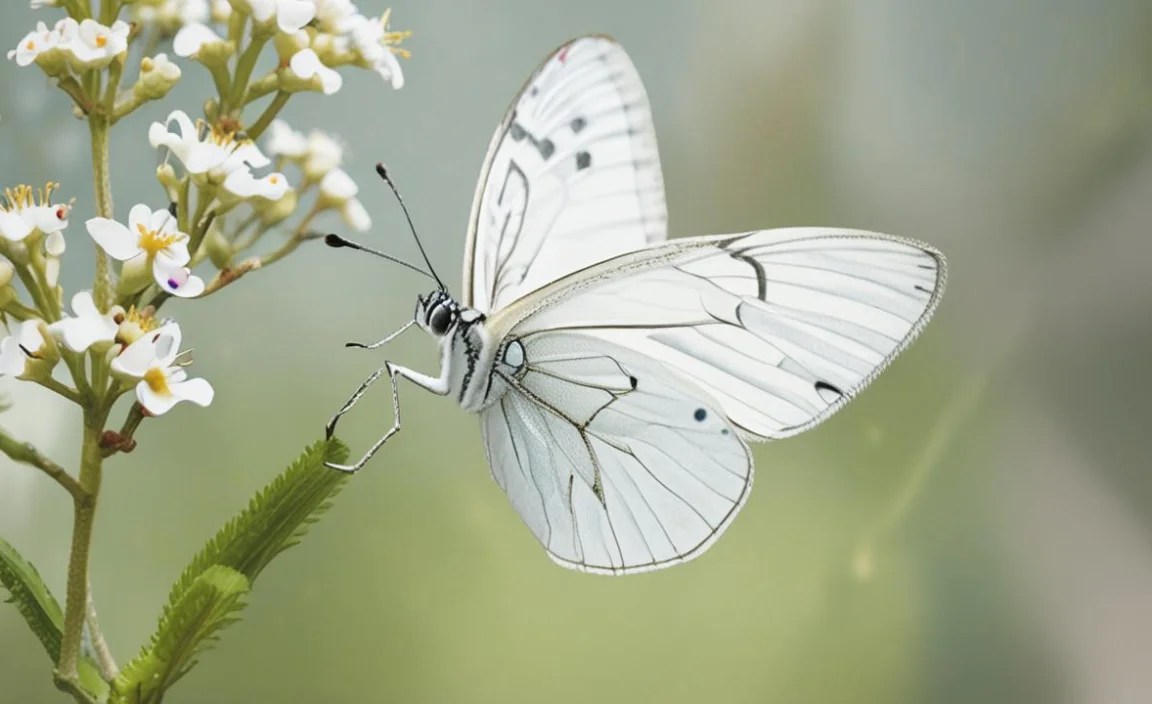
Identifying white butterflies can be tricky, as many species look similar. Here’s a table summarizing key features to help you tell them apart:
| Species | Key Features | Habitat | Host Plants |
|---|---|---|---|
| Cabbage White (Pieris rapae) | White with few black spots; females have two spots, males have one | Gardens, fields, urban areas | Cabbage, broccoli, cruciferous plants |
| Mustard White (Pieris napi) | Grayish-green veins on underside of hindwings | Damp woodlands, meadows | Mustards, watercress, Brassicaceae |
| Checkered White (Pontia protodice) | Checkered pattern of gray or black markings | Open fields, roadsides | Mustards, peppergrass, weedy species |
| West Virginia White (Pieris virginiensis) | Pure white with delicate gray veins; no distinct spots | Rich, moist deciduous forests | Toothwort (Cardamine diphylla) |
| Great Southern White (Ascia monuste) | Large size; sometimes yellowish tint; females may have dark markings | Coastal areas, gardens, open fields | Cabbage, nasturtium, Brassicaceae |
Attracting White Butterflies to Your Garden

Want to see more white butterflies in your garden? Here are some tips to create a butterfly-friendly habitat:
- Plant Nectar-Rich Flowers: Butterflies need nectar for energy. Choose flowers like asters, zinnias, butterfly bushes, and milkweed.
- Provide Host Plants: If you want butterflies to lay eggs in your garden, you need to provide the plants their caterpillars eat. Consider planting cabbage, mustards, or toothwort, depending on the species you want to attract.
- Offer a Water Source: Butterflies need water, but they can’t drink from deep puddles. Provide a shallow dish of water with pebbles or sand for them to land on.
- Avoid Pesticides: Pesticides can harm or kill butterflies and other beneficial insects. Use natural pest control methods instead. Learn more about protecting pollinators from the EPA.
- Provide Shelter: Butterflies need shelter from wind and rain. Plant shrubs and trees to create a protected environment.
The Symbolic Meaning of White Butterflies

Beyond their ecological importance, white butterflies also hold symbolic meaning in many cultures. They are often associated with:
- Purity and Innocence: The color white is often seen as a symbol of purity and innocence, making white butterflies a representation of these qualities.
- Transformation and Rebirth: Like all butterflies, white butterflies undergo a complete metamorphosis, transforming from a caterpillar to a beautiful winged creature. This symbolizes transformation and rebirth.
- Hope and New Beginnings: Seeing a white butterfly can be a sign of hope and new beginnings. It can represent a fresh start or a positive change in your life.
- Spirituality and the Soul: In some cultures, white butterflies are believed to be messengers from the spirit world. They can represent the presence of loved ones who have passed away or a connection to the divine.
Conservation Efforts and Protecting White Butterflies
Many butterfly species are facing threats due to habitat loss, climate change, and pesticide use. Here are some ways you can help protect white butterflies and other pollinators:
- Create Butterfly-Friendly Habitats: Plant native flowers and host plants in your garden or community.
- Reduce Pesticide Use: Avoid using pesticides in your garden and support farmers who use sustainable practices.
- Support Conservation Organizations: Donate to or volunteer with organizations that work to protect butterflies and their habitats, such as the Xerces Society.
- Educate Others: Share your knowledge about butterflies and their importance with friends, family, and your community.
- Participate in Citizen Science Projects: Contribute to butterfly monitoring programs to help scientists track populations and identify conservation needs.
White Butterfly Look-alikes: Moths and Other Insects
It’s easy to confuse white butterflies with other insects, especially moths. Here’s a quick guide to help you distinguish them:
| Feature | Butterflies | Moths |
|---|---|---|
| Antennae | Thin with a club at the end | Feathery or comb-like |
| Wings | Usually held upright when at rest | Usually held flat when at rest |
| Body | Slender and smooth | Stout and furry |
| Activity | Mostly active during the day | Mostly active at night |
| Color | Bright and colorful | Often dull or camouflaged |
Some common white moths that might be mistaken for butterflies include the White Ermine moth and the Satin moth. Pay attention to the antennae and wing position to tell them apart.
Conclusion
Exploring the different types of white butterflies reveals a fascinating world of ecological importance and delicate beauty. From the common Cabbage White to the specialized West Virginia White, each species plays a unique role in its ecosystem. By understanding their identifying features, habitats, and life cycles, we can better appreciate and protect these wonderful creatures.
Creating butterfly-friendly habitats, reducing pesticide use, and supporting conservation efforts are all ways we can help ensure the survival of white butterflies and other pollinators. So, next time you see a white butterfly fluttering by, take a moment to admire its elegance and remember the importance of these delicate creatures in our world.


