
Species Identification: Boost Conservation Priority Species

Did you know some animals need our help? These animals are called conservation priority species. We must learn how to find them. This is called species identification. It helps us protect them. Why is this important? Let’s find out!
Many animals and plants are in danger. Some might even disappear forever. We need to act fast. Species identification is the first step. It helps us know which ones need our help the most.
Imagine a world without bees. They help flowers grow. What if they vanished? We would miss them. Conservation priority species are like those bees. They are very important to our world.
Key Takeaways
- Species identification is vital for knowing which animals need help.
- Protecting conservation priority species keeps nature healthy.
- Knowing where these species live helps us protect their homes.
- We can all help by learning about local endangered animals.
- Species identification conservation priority species efforts save our planet.
Why Species Identification Matters
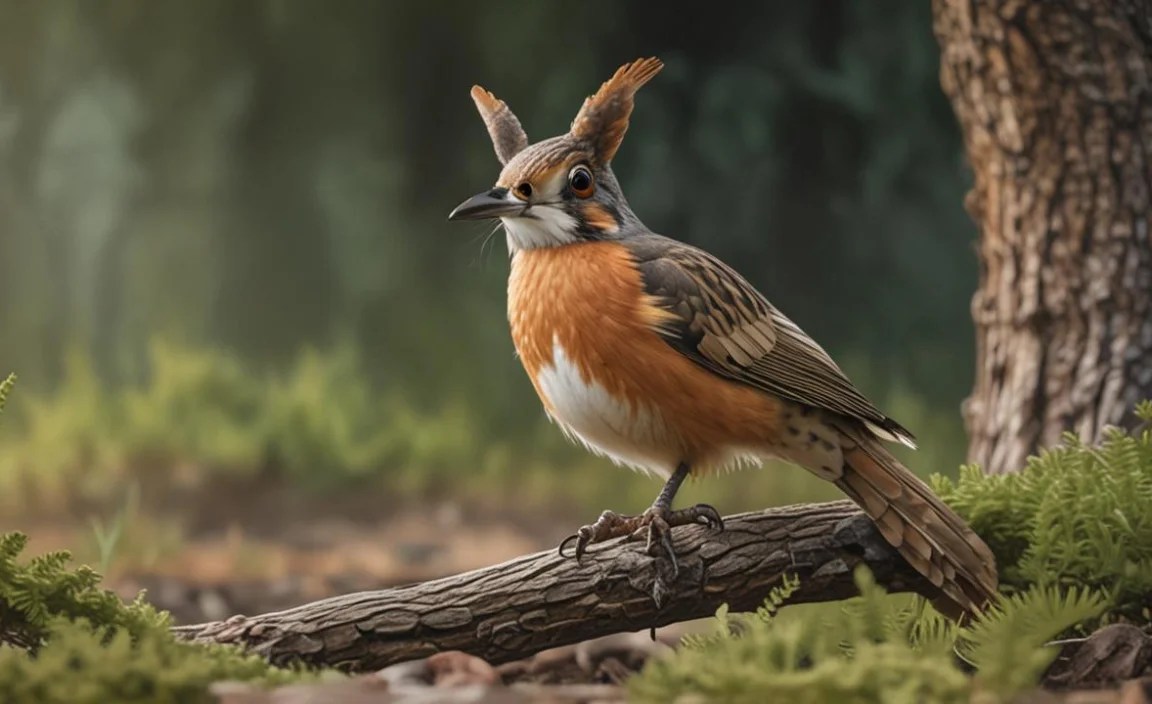
Species identification is like being a detective. Scientists look for clues. These clues help them know what animal or plant they see. They use things like color, size, and shape. Sometimes, they use special tools. These tools can look at tiny things. This helps them tell different species apart. Knowing what species are where is the first step to protect them. It helps us understand what animals are conservation priority species. Without this knowledge, we can’t help them. It’s like trying to find your friend in a big crowd without knowing what they look like.
- It helps us know what animals are in danger.
- Scientists can track where animals live.
- We learn about how animals live.
- It helps us protect their homes.
- Good species identification saves time and money.
Think about a puzzle. Each piece is a different species. If you don’t know what the pieces are, you can’t put the puzzle together. Species identification helps us see the whole picture. It shows us how all living things are connected. When we protect one species, we help many others. It is important for our world. It also helps us understand what animals are conservation priority species. By identifying and protecting them, we ensure a healthy planet for everyone.
How Do Scientists Identify Species?
Scientists use many ways to identify species. They look at the animal’s body. What color is it? How big is it? Does it have spots or stripes? They also listen to the sounds it makes. Birds have different songs. Frogs croak in unique ways. Scientists also look at where the animal lives. Some animals live in forests. Others live in deserts. Some animals need special food. All these clues help scientists figure out what species it is. It is like being a detective solving a mystery.
Why Is Accurate Identification Important?
Imagine you are sick. The doctor needs to know what is wrong. They ask questions and do tests. This helps them figure out what illness you have. If they guess wrong, you might not get the right medicine. The same is true for animals. If we don’t know what species it is, we can’t help it. We might not protect its home. We might not give it the right food. Accurate species identification is very important. It helps us give the right help to the right animals.
What Tools Do Scientists Use?
Scientists use many tools to identify species. They use binoculars to see animals from far away. They use cameras to take pictures. They use special nets to catch insects. They use microscopes to see tiny things. Scientists also use books and websites. These resources have information about different species. Some scientists even use DNA. DNA is like a secret code. It tells us exactly what species it is. These tools help scientists be sure they know what animal they are looking at.
Fun Fact or Stat: There are over 8.7 million species on Earth, but scientists have only identified about 1.2 million of them!
Understanding Conservation Priority
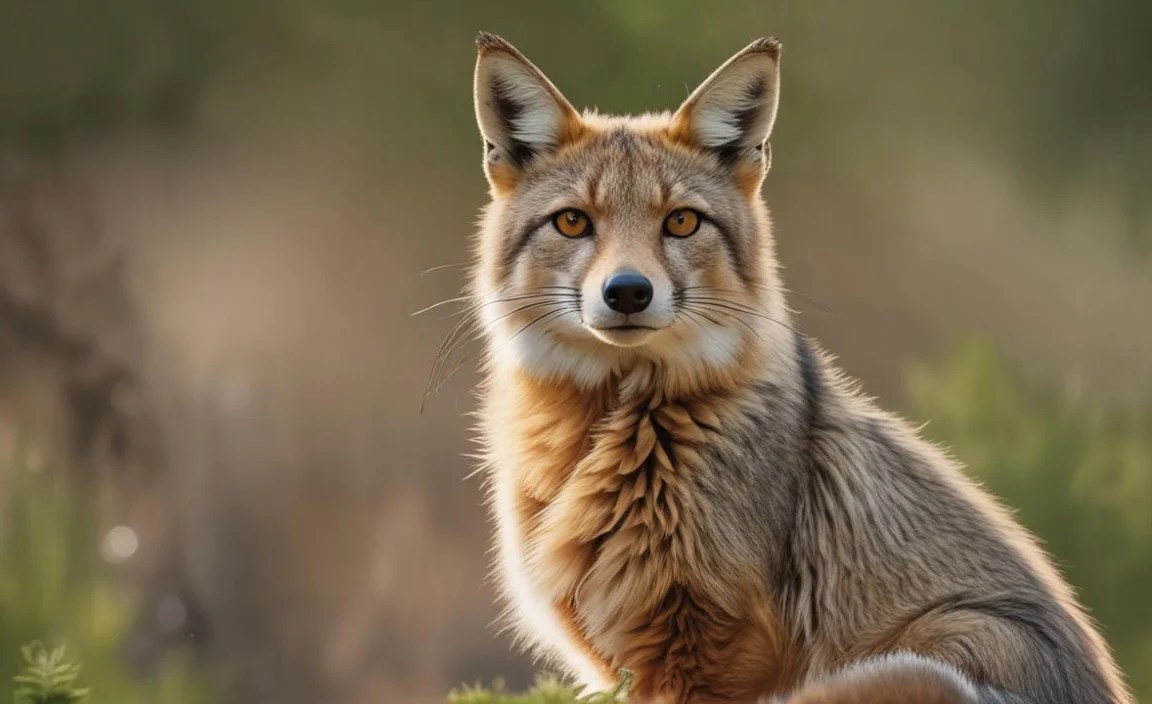
Some species need more help than others. These are conservation priority species. They are in danger of disappearing. This could be because they are losing their homes. It could be because people are hunting them. Sometimes, it’s because of pollution. We need to protect these species. If we don’t, they might vanish forever. Imagine if your favorite animal disappeared. That is why conservation priority is so important. It helps us focus our efforts. We can help the animals that need it most. Knowing species identification conservation priority species is crucial.
- Some animals are in more danger than others.
- Losing homes is a big threat.
- Hunting can hurt animal populations.
- Pollution makes it hard for animals to survive.
- Conservation priority helps us focus on the most at-risk species.
- Protecting these species keeps our world healthy.
Think of a hospital. Some patients are sicker than others. The doctors help the sickest patients first. Conservation priority is like that. Scientists look at which species are in the most danger. They then try to help those species first. This might mean protecting their homes. It might mean stopping people from hunting them. It might mean cleaning up pollution. By focusing on conservation priority species, we can make the biggest difference. This approach ensures that our efforts are effective and that we are saving the animals that need our help the most. Knowing how to do species identification conservation priority species is the beginning.
What Makes a Species a Priority?
Several things make a species a priority. How many are left? If there are only a few, they are a priority. Are they losing their home? If so, they are a priority. Are they important to the ecosystem? If they help other animals and plants, they are a priority. Scientists look at all these things. This helps them decide which species need the most help. It’s like a game of giving help to the most important players in nature.
How Do Scientists Decide Priorities?
Scientists use data to decide priorities. They count how many animals are left. They measure how much habitat they have lost. They study how the animals live. All this information helps them make a plan. The plan tells them what to do to help the species. It is like making a plan to win a game. You need to know the rules and the players. Scientists use the same approach to protect animals.
Why Is Prioritization Important?
We can’t help every species at once. There are too many. Prioritization helps us focus. It lets us help the species that need it most. It’s like being a superhero. You can’t save everyone at the same time. You have to choose who needs your help first. Prioritization helps scientists be superheroes for animals. It helps them make the biggest difference possible.
Fun Fact or Stat: The IUCN Red List is a global list that tells us which species are at risk of extinction!
Techniques for Species Identification
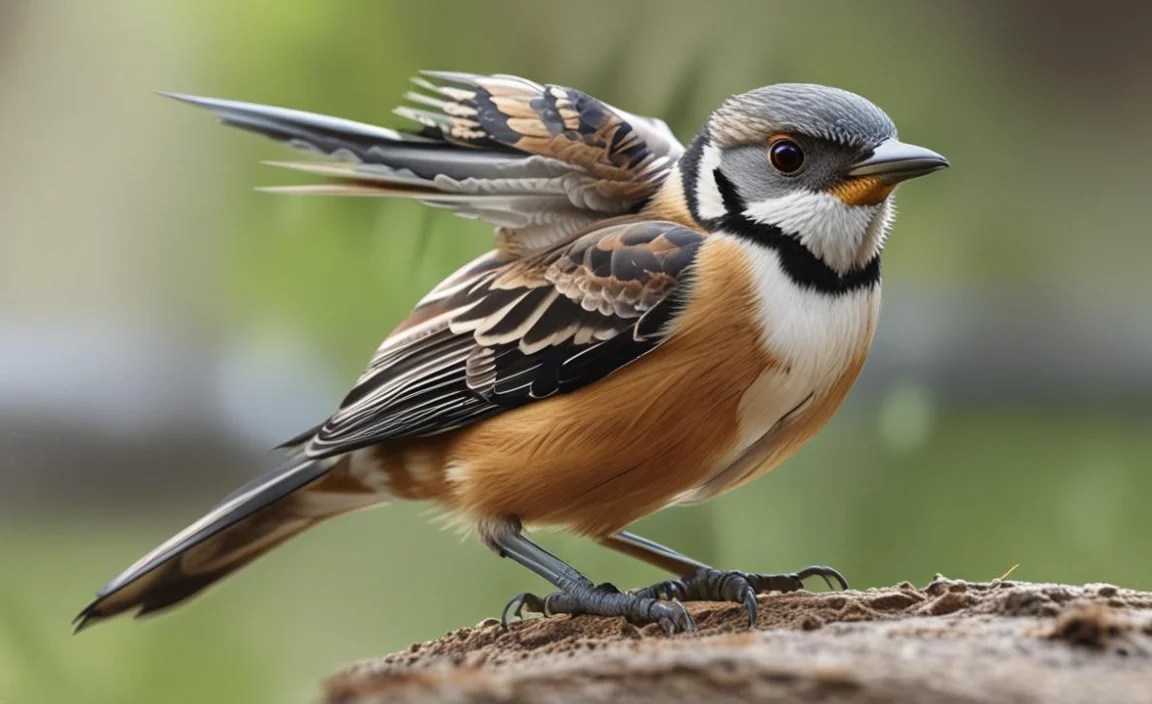
Scientists use many techniques for species identification. Some are simple, like looking at pictures. Some are complex, like studying DNA. The best technique depends on the animal. Birds are easy to see. Scientists can use binoculars. Insects are small. Scientists need microscopes. Some animals are shy. Scientists use cameras to track them. Knowing the right technique is important. It helps scientists identify species quickly and accurately. This allows them to protect conservation priority species more effectively.
- Looking at pictures helps identify common species.
- Using binoculars is good for bird watching.
- Microscopes help with tiny insects.
- Cameras can track shy animals.
- DNA analysis gives accurate identification.
- Knowing the right technique saves time.
Imagine you are trying to find a lost toy. If it’s big, you can just look around. If it’s small, you need to search carefully. Species identification is similar. For big animals, scientists can use simple techniques. For small animals, they need special tools. DNA analysis is like having a super-powered magnifying glass. It can tell you exactly what species it is. By using the right techniques, scientists can solve the mystery of species identification conservation priority species and protect our planet.
What Is Visual Identification?
Visual identification is using your eyes to identify species. You look at the animal’s color. You look at its shape. You look at its size. You look at its markings. This works well for common animals. Birds, butterflies, and flowers are easy to identify visually. It’s like recognizing your friends by their faces. With practice, you can become good at visual identification. It is a fun way to learn about nature.
How Does DNA Analysis Work?
DNA is like a secret code inside every living thing. It tells us exactly what species it is. Scientists can take a small sample of DNA. They can then read the code. This tells them the species. DNA analysis is very accurate. It can identify even very similar species. It’s like having a super-powered detective. DNA analysis helps us protect conservation priority species. It makes sure we know exactly what we are dealing with.
What Are Camera Traps?
Camera traps are cameras that take pictures when they sense movement. Scientists put them in the forest. When an animal walks by, the camera takes a picture. This helps scientists see shy animals. They can learn about their behavior. They can count how many there are. Camera traps are a great way to study conservation priority species. It is like having a hidden spy that helps us learn about animals.
Fun Fact or Stat: Some camera traps are so sensitive they can even capture pictures of tiny insects flying by!
The Role of Citizen Science

You can help scientists! Citizen science is when regular people help with scientific research. You can take pictures of animals and plants. You can share your observations online. Scientists use this information. It helps them track species. It helps them identify conservation priority species. Anyone can be a citizen scientist. It’s a great way to learn about nature. It’s also a great way to help protect it. Your observations can make a real difference. Understanding species identification conservation priority species becomes accessible to everyone through citizen science.
- Anyone can be a citizen scientist.
- Take pictures of animals and plants.
- Share your observations online.
- Scientists use this information.
- It helps track species.
- It helps identify conservation priority species.
- You can help protect nature.
Imagine you are walking in the park. You see a bird you don’t recognize. You take a picture and post it online. A scientist sees your picture. They identify the bird as a conservation priority species. They use this information to protect its habitat. You helped save a species! Citizen science makes a big difference. It shows that everyone can play a role in protecting our planet. Knowing about species identification conservation priority species empowers people to become involved in conservation efforts.
What Is iNaturalist?
iNaturalist is a website and app. You can use it to share your observations of nature. You take a picture of an animal or plant. You upload it to iNaturalist. Other people help identify it. Scientists use the data to track species. iNaturalist is a great tool for citizen science. It makes it easy to share your observations. It helps scientists learn about the world around us.
How Can Kids Get Involved?
Kids can get involved in citizen science in many ways. They can join nature clubs. They can participate in school projects. They can use iNaturalist with their parents. They can learn about local animals and plants. Kids can make a big difference. They can help scientists protect conservation priority species. It’s a fun way to learn and help the planet.
Why Is Citizen Science Important?
Scientists can’t be everywhere at once. Citizen science helps them collect more data. It helps them track species over a wider area. It helps them identify conservation priority species more quickly. Citizen science also educates people. It helps them learn about nature. It helps them care about protecting it. Citizen science is a powerful tool for conservation. It brings everyone together to help our planet.
Fun Fact or Stat: Over 1 million people use iNaturalist to share their observations of nature!
Challenges in Species Identification
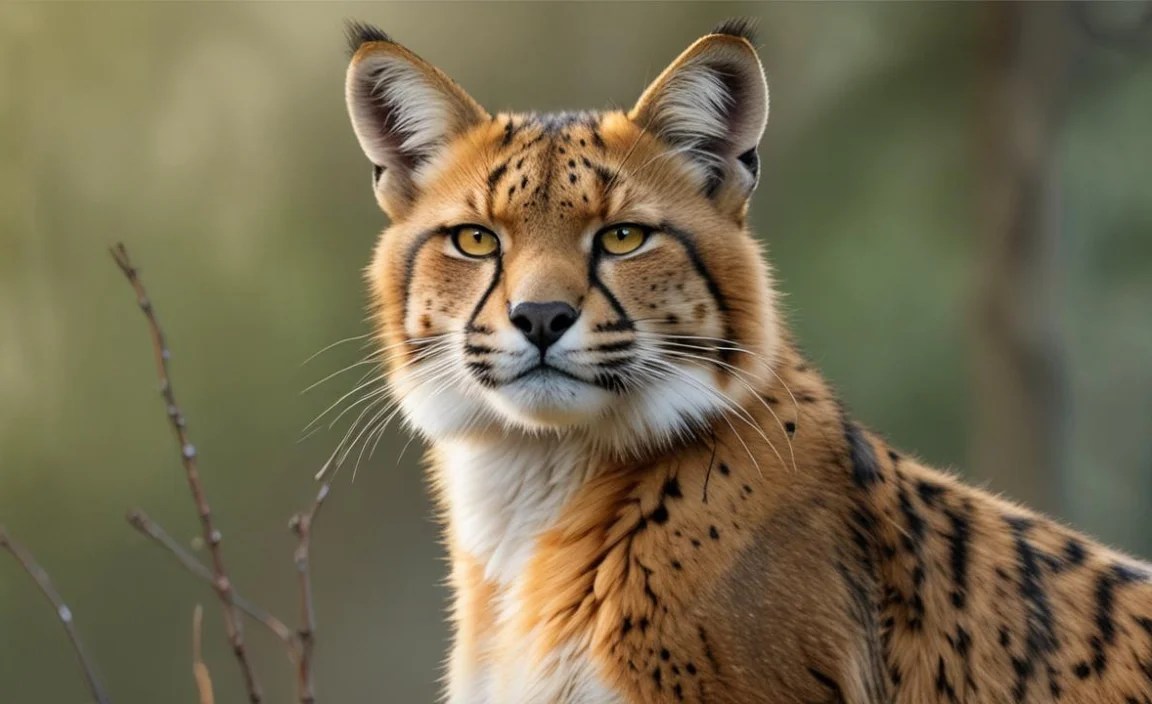
Species identification is not always easy. Some species look very similar. This can make it hard to tell them apart. Some animals are shy. They are hard to find. Sometimes, the information we need is missing. We might not know where a species lives. We might not know what it eats. These challenges make it harder to protect conservation priority species. Scientists are working to overcome these challenges. They are developing new techniques. They are gathering more data. They are working together to solve the puzzle of species identification conservation priority species.
- Some species look alike.
- Shy animals are hard to find.
- Information is sometimes missing.
- Climate change is making it harder.
- Pollution can affect species.
- Habitat loss can make species identification harder.
Imagine you are trying to find a friend. They have a twin who looks exactly like them. They are also hiding. It would be very hard to find them! Species identification can be like that. Some species are hard to tell apart. They are also hard to find. Scientists use all their skills to overcome these challenges. They use DNA analysis. They use camera traps. They work together to solve the mystery of species identification and protect our planet. Solving species identification conservation priority species issues is a challenge.
What Is Cryptic Speciation?
Cryptic speciation is when two species look very similar. They are actually different species. It can be hard to tell them apart. Scientists use DNA analysis to identify them. Cryptic speciation makes species identification harder. It means we need to be very careful. We need to use all the tools we have to identify species accurately. It is like having two identical twins who are actually different people.
How Does Habitat Loss Affect Identification?
Habitat loss makes it harder to find species. When their homes are destroyed, animals move. They might move to new areas. This can make it hard to know where they live. It can also make it hard to study them. Habitat loss is a big threat to conservation priority species. It also makes it harder to identify them. Protecting habitats is important for species identification and conservation.
Why Is Data Collection Important?
Data collection is gathering information. Scientists collect data about species. They collect data about their habitats. They collect data about their behavior. This data helps us understand species. It helps us identify conservation priority species. It helps us protect them. Data collection is the foundation of conservation. It is like gathering clues to solve a mystery. The more data we have, the better we can protect our planet.
Fun Fact or Stat: Some species are so rare they have only been seen a few times in history!
Conservation Strategies Based on Identification
Once we identify conservation priority species, we can protect them. There are many conservation strategies. We can protect their habitats. We can stop people from hunting them. We can clean up pollution. We can educate people about the importance of conservation. The best strategy depends on the species. It also depends on the threats they face. By using the right strategies, we can help conservation priority species survive. This knowledge stems directly from effective species identification efforts.
- Protect habitats from destruction.
- Stop illegal hunting and poaching.
- Clean up pollution in their environments.
- Educate people about conservation.
- Create protected areas.
- Restore damaged habitats.
Imagine you are building a house for a bird. You need to know what kind of bird it is. What does it eat? Where does it like to live? You need to know this to build the perfect house. Conservation is similar. We need to know what species we are trying to protect. We need to know what they need to survive. By using the right strategies, we can build a safe and healthy home for conservation priority species. Species identification conservation priority species is the key to success.
What Is Habitat Protection?
Habitat protection is protecting the homes of animals and plants. This can mean buying land. It can mean creating parks. It can mean working with landowners to protect their property. Habitat protection is essential for conservation priority species. It gives them a safe place to live. It gives them food and water. It helps them raise their young. Protecting habitats is like protecting your own home. It keeps you safe and healthy.
How Does Anti-Poaching Help?
Poaching is illegal hunting. It can hurt animal populations. Anti-poaching efforts help stop this. Rangers patrol protected areas. They look for poachers. They arrest them. They confiscate their weapons. Anti-poaching efforts help protect conservation priority species from being killed. It is like having police to protect animals from harm.
Why Is Education Important?
Education is teaching people about conservation. It helps them understand why it is important. It helps them learn how to help. Education can change people’s behavior. It can make them more likely to protect the environment. Education is a powerful tool for conservation. It empowers people to make a difference. It helps us create a world where humans and animals can live together in harmony. Knowing species identification conservation priority species is essential to this.
Fun Fact or Stat: Protected areas cover about 15% of the Earth’s land surface!
Case Studies of Successful Identification
There are many success stories of species identification leading to conservation. The California Condor was almost extinct. Scientists identified the main threats. They started a breeding program. They released the condors back into the wild. The population is now growing. The Black-Footed Ferret was also almost extinct. Scientists found a few remaining ferrets. They started a breeding program. They protected their habitat. The population is now growing. These stories show that species identification conservation priority species can work. It can bring species back from the brink of extinction.
| Species | Threats | Conservation Actions | Results |
|---|---|---|---|
| California Condor | Lead poisoning, habitat loss | Breeding program, habitat protection | Population is growing |
| Black-Footed Ferret | Habitat loss, disease | Breeding program, habitat protection | Population is growing |
| Whooping Crane | Hunting, habitat loss | Legal protection, habitat restoration | Population is increasing |
| Florida Panther | Habitat loss, road mortality | Habitat protection, wildlife crossings | Population is stabilizing |
- California Condor: Breeding program saved them.
- Black-Footed Ferret: Habitat protection helped.
- Whooping Crane: Legal protection worked.
- Florida Panther: Wildlife crossings helped.
- These stories show conservation can succeed.
Imagine you are a doctor. You have a patient who is very sick. You need to figure out what is wrong. You do tests. You give them medicine. They get better. It feels great to help someone! Conservation is like that. Scientists identify the threats to conservation priority species. They take action to protect them. When the species recovers, it feels amazing. These success stories show that we can make a difference. We can protect our planet. Species identification conservation priority species is the first step.
The California Condor Story
The California Condor is one of the largest birds in North America. It was almost extinct. There were only a few left. Scientists discovered that lead poisoning was a major threat. Condors were eating animals that had been shot with lead bullets. The lead was making them sick. Scientists started a breeding program. They also worked to reduce lead in the environment. The condor population is now growing. It is a great success story.
The Black-Footed Ferret Story
The Black-Footed Ferret is a small mammal. It lives in the Great Plains. It was almost extinct. The main threat was habitat loss. Farmers were turning grasslands into farms. This destroyed the ferret’s home. Scientists found a few remaining ferrets. They started a breeding program. They also worked to protect their habitat. The ferret population is now growing. It is another great success story.
What Can We Learn From These Successes?
These success stories teach us several things. Species identification is essential. We need to know what species are in trouble. We need to understand the threats they face. Conservation action can work. Breeding programs, habitat protection, and legal protection can all help. We can make a difference. We can protect our planet. By protecting conservation priority species, we ensure a healthier future for all living things. Species identification conservation priority species is the path to that goal.
Fun Fact or Stat: The California Condor population has grown from just 27 individuals in the 1980s to over 500 today!
Summary
Species identification is very important. It helps us know what animals and plants need our help. Some species are conservation priority species. This means they are in danger of disappearing. Scientists use different techniques to identify species. These techniques include visual identification and DNA analysis. Citizen science also helps. You can share your observations of nature. This helps scientists track species. Conservation strategies can protect conservation priority species. These strategies include habitat protection and anti-poaching efforts. Success stories show that conservation can work. By understanding species identification conservation priority species, we can help protect our planet.
Conclusion
Protecting our planet is up to us. We can start by learning about species identification conservation priority species. Every action counts. If we work together, we can protect the amazing animals and plants that share our planet. We can help create a world where all species thrive. We must continue to support conservation efforts. We can make a difference for generations to come. Every effort to improve species identification conservation priority species will ensure a better future.
Frequently Asked Questions
Question No 1: What does species identification mean?
Answer: Species identification means finding out exactly what kind of animal or plant something is. It’s like being a detective and using clues to figure out who someone is. Scientists use things like color, size, shape, and even DNA to identify species. Knowing how to do species identification conservation priority species is the first step in helping them.
Question No 2: Why is species identification important?
Answer: Species identification is important because it helps us understand the world around us. It helps us know what animals and plants live in different places. It also helps us protect them. If we don’t know what species are in danger, we can’t help them. Knowing how to do species identification conservation priority species is the first step in helping them. It’s like trying to find your friend in a crowd – you need to know what they look like first!
Question No 3: What is a conservation priority species?
Answer: A conservation priority species is an animal or plant that needs our help the most. These species are in danger of disappearing forever. This could be because they are losing their homes, being hunted, or because of pollution. We need to act quickly to protect these species. That’s why species identification conservation priority species is so important.
Question No 4: How can I help protect conservation priority species?
Answer: There are many ways you can help! You can learn about the animals and plants in your area. You can reduce pollution by recycling and using less plastic. You can support organizations that protect wildlife. You can also tell your friends and family about conservation priority species. Every little bit helps! Improving species identification conservation priority species efforts will greatly help too.
Question No 5: What tools do scientists use for species identification?
Answer: Scientists use many different tools. They use binoculars to see animals from far away. They use microscopes to see tiny things. They use cameras to take pictures. They even use DNA analysis to identify species. DNA is like a secret code that tells us exactly what species something is. If scientists know the best tool for species identification conservation priority species, then it improves the protection.
Question No 6: What is citizen science?
Answer: Citizen science is when regular people help scientists with their research. You can take pictures of animals and plants and share them online. You can collect data about the environment. This information helps scientists track species and understand how they are doing. Anyone can be a citizen scientist! It’s a great way to learn and help protect our planet. Citizen science helps expand species identification conservation priority species efforts.


