
Beautiful Rare Butterfly Species: See These Gems!

Have you ever seen a butterfly? They fly around in the warm sun. Some butterflies are very common. Others are beautiful rare butterfly species. These special butterflies are hard to find. Let’s learn about them!
Butterflies are insects. They start as caterpillars. Then they change into butterflies. This change is called metamorphosis. Some beautiful rare butterfly species are in danger. We must protect them!
These butterflies need our help. They are important for our world. They make our world more beautiful. Learning about them can help save them. Let’s explore their world together.
Key Takeaways
- Protecting beautiful rare butterfly species helps our planet stay healthy.
- Many rare butterflies face threats like habitat loss and climate change.
- The Bhutan Glory is known for its vibrant colors and unique wing shape.
- Conserving their habitats is key to ensuring these species survive.
- Learning about rare butterflies helps us appreciate nature’s beauty.
Discovering Beautiful Rare Butterfly Species

Imagine walking through a forest. Sunlight shines through the trees. Suddenly, you see a flash of color. It’s a beautiful rare butterfly species! These butterflies are not like the ones you see every day. They have amazing colors and patterns. Some look like jewels flying in the air. Others have wings that look like stained glass. These butterflies are special because they are hard to find. They live in specific places. They need special plants to eat. When their homes are destroyed, they struggle to survive. Climate change also affects them. Rising temperatures can change their habitats. This makes it harder for them to find food and shelter. We need to protect these butterflies.
- Rare butterflies have unique colors.
- They need specific plants.
- Habitat loss hurts them.
- Climate change threatens them.
- Protecting them is important.
Many things threaten these butterflies. Habitat loss is a big problem. When forests are cut down, the butterflies lose their homes. Pollution can also hurt them. Pesticides can poison the plants they eat. Climate change is another threat. Rising temperatures can change their habitats. This makes it harder for them to find food and shelter. We can help by protecting their habitats. We can also reduce pollution. Planting native plants can provide food for them. Even small actions can make a big difference. By working together, we can help these beautiful rare butterfly species survive.
Fun Fact or Stat: Some rare butterfly species are worth more than gold to collectors!
Why Are Rare Butterflies Important?
Have you ever wondered why butterflies matter? They are not just pretty insects. They play an important role in our ecosystem. Butterflies help pollinate plants. When they fly from flower to flower, they carry pollen. This helps plants make seeds and grow. Many plants depend on butterflies for pollination. If we lose butterflies, we could lose these plants too. Rare butterflies are even more important. They often pollinate rare plants. These plants may only grow in specific places. If the butterflies disappear, these plants could disappear too. This would affect the whole ecosystem. That’s why protecting beautiful rare butterfly species is so important.
What Makes a Butterfly Rare?
What makes a butterfly rare? It is a good question. Rarity can depend on many things. Some butterflies only live in small areas. If their habitat is destroyed, they can quickly become rare. Other butterflies need specific plants to survive. If those plants disappear, the butterflies will too. Sometimes, butterflies are rare because they are hard to find. They may live in remote areas. Or they may only fly at certain times of the year. Whatever the reason, rarity means they are vulnerable. They need our help to survive. Protecting them is crucial for maintaining biodiversity. We must act now to save these beautiful rare butterfly species.
How Can We Help?
We can all help protect rare butterflies. One way is to plant native plants. Native plants are the ones that naturally grow in your area. These plants provide food and shelter for butterflies. You can also avoid using pesticides. Pesticides can harm butterflies and other insects. Another way to help is to support conservation efforts. Many organizations are working to protect butterfly habitats. You can donate to these organizations or volunteer your time. Even small actions can make a big difference. By working together, we can help these beautiful rare butterfly species thrive. Every effort counts toward their survival. Let’s make a positive impact.
Exploring the Bhutan Glory Butterfly
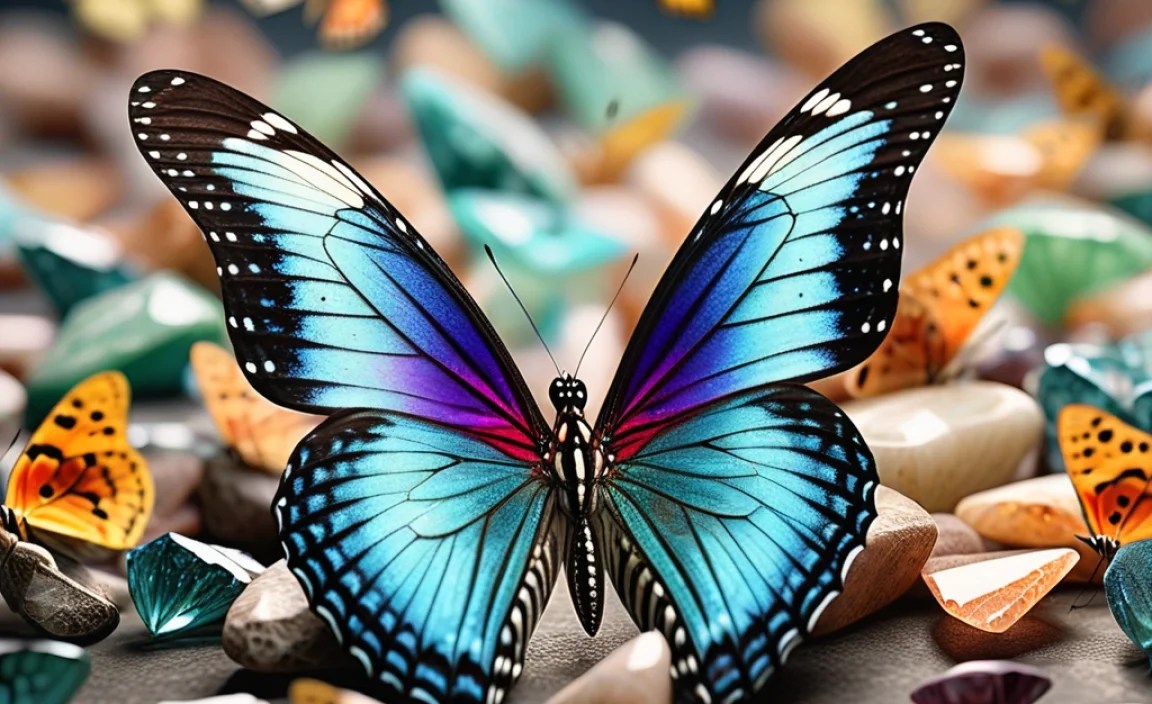
The Bhutan Glory is a truly stunning butterfly. It is one of the most beautiful rare butterfly species in the world. This butterfly lives in the mountains of Bhutan, India, and Myanmar. It has striking black wings with bright green and red markings. The Bhutan Glory is not only beautiful but also rare. Its habitat is threatened by deforestation and habitat loss. This makes it harder for the butterfly to survive. Conservation efforts are underway to protect this species. These efforts include protecting its habitat and educating local communities. By working together, we can help ensure that the Bhutan Glory continues to grace our world with its beauty. It is a true treasure of nature.
- It has black wings.
- It has green and red markings.
- It lives in the mountains.
- Deforestation threatens it.
- Conservation efforts help.
- It is a true treasure.
The Bhutan Glory faces several threats. Deforestation is a major problem. As forests are cut down, the butterfly loses its habitat. Climate change also poses a threat. Rising temperatures can alter its habitat. This makes it harder for the butterfly to find food and shelter. Illegal collecting is another threat. Some people collect butterflies for their beauty. This can further reduce the population of the Bhutan Glory. To protect this species, we need to address these threats. We can support sustainable forestry practices. We can also reduce our carbon footprint. By working together, we can help the Bhutan Glory survive.
Fun Fact or Stat: The Bhutan Glory was once featured on a Bhutanese postage stamp!
What Makes the Bhutan Glory Special?
What makes the Bhutan Glory so special? Its unique appearance is one reason. The combination of black, green, and red is striking. The butterfly also has a distinctive wing shape. Its wings have long tails that add to its elegance. But its beauty is not the only thing that makes it special. The Bhutan Glory is also important to the ecosystem. It helps pollinate plants in its mountain habitat. It is a symbol of the natural beauty of the Himalayas. Protecting this butterfly is important for preserving this beauty. We must act now to ensure its survival. It is a treasure worth saving.
Where Does the Bhutan Glory Live?
The Bhutan Glory lives in a specific area. It is found in the eastern Himalayas. This includes parts of Bhutan, India, and Myanmar. The butterfly prefers high-altitude forests. These forests are often misty and cool. The Bhutan Glory needs these forests to survive. It depends on specific plants for food. When these forests are destroyed, the butterfly loses its home. Protecting these forests is crucial for its survival. Conservation efforts are focused on preserving these habitats. By protecting its habitat, we can help ensure the Bhutan Glory thrives. It is a vital part of this unique ecosystem.
How Can We Protect the Bhutan Glory?
Protecting the Bhutan Glory requires a team effort. We can support organizations that work to protect its habitat. We can also educate others about the importance of conservation. If you travel to its habitat, be respectful. Avoid disturbing the butterflies or their environment. Support sustainable tourism practices. Reduce your carbon footprint to combat climate change. Every action counts. By working together, we can help ensure that the Bhutan Glory continues to fly. It is a symbol of hope for conservation. Let’s make a difference for this beautiful rare butterfly species.
The Kaiser-I-Hind: A Jewel of the Forest

The Kaiser-I-Hind is another stunning butterfly. Its name means “Emperor of India.” It is a fitting name for this majestic creature. This butterfly is found in the Himalayas. It has bright green wings with black and yellow markings. The Kaiser-I-Hind is not only beautiful but also rare. Its habitat is threatened by deforestation and illegal collecting. Conservation efforts are underway to protect this species. These efforts include protecting its habitat and enforcing laws against collecting. By working together, we can help ensure that the Kaiser-I-Hind continues to grace our world with its beauty. It is a true jewel of the forest. This beautiful rare butterfly species deserves our protection.
- It means “Emperor of India.”
- It has bright green wings.
- It has black and yellow markings.
- Deforestation threatens it.
- Illegal collecting hurts it.
- It is a jewel of the forest.
The Kaiser-I-Hind faces many challenges. Deforestation is a major threat. As forests are cut down, the butterfly loses its habitat. Illegal collecting is another problem. Some people collect butterflies for their beauty. This can reduce the population of the Kaiser-I-Hind. Climate change also poses a threat. Rising temperatures can alter its habitat. To protect this species, we need to address these challenges. We can support sustainable forestry practices. We can also enforce laws against collecting. By working together, we can help the Kaiser-I-Hind survive.
Fun Fact or Stat: The Kaiser-I-Hind is protected by law in India!
Why Is the Kaiser-I-Hind Called “Emperor”?
Why is the Kaiser-I-Hind called “Emperor of India?” The name reflects its majestic appearance. Its bright green wings and striking markings give it a regal look. The butterfly is also relatively large. This adds to its impressive presence. The name also reflects its historical significance. It was named during the British Raj in India. The title “Kaiser-I-Hind” was used to refer to the Emperor of India. Naming the butterfly after the Emperor highlighted its importance. It is a symbol of the natural beauty of India. Protecting this butterfly is important for preserving this heritage.
Where Can You Find the Kaiser-I-Hind?
The Kaiser-I-Hind lives in a specific region. It is found in the eastern Himalayas. This includes parts of India, Nepal, Bhutan, and Myanmar. The butterfly prefers dense forests. These forests provide shelter and food. The Kaiser-I-Hind needs these forests to survive. It depends on specific plants for its caterpillars to eat. When these forests are destroyed, the butterfly loses its home. Protecting these forests is crucial for its survival. Conservation efforts are focused on preserving these habitats. By protecting its habitat, we can help ensure the Kaiser-I-Hind thrives.
What Can We Do to Help the Kaiser-I-Hind?
Helping the Kaiser-I-Hind requires action. We can support organizations that protect its habitat. We can also educate others about the importance of conservation. If you visit its habitat, be respectful. Avoid disturbing the butterflies or their environment. Support sustainable tourism practices. Reduce your carbon footprint to combat climate change. Every action counts. By working together, we can help ensure that the Kaiser-I-Hind continues to fly. It is a symbol of hope for conservation. Let’s protect this beautiful rare butterfly species.
The Birdwing Butterfly: Giants of the Sky

Birdwing butterflies are some of the largest butterflies in the world. They are known for their impressive size and vibrant colors. These butterflies are found in Southeast Asia and Australia. They have wings that can span over 10 inches. Birdwing butterflies are not only large but also beautiful. They have striking patterns and colors. Some species have bright yellow and black wings. Others have iridescent green and blue markings. Birdwing butterflies are also rare. Their habitats are threatened by deforestation and habitat loss. Conservation efforts are underway to protect these species. These efforts include protecting their habitat and promoting sustainable agriculture. By working together, we can help ensure that birdwing butterflies continue to soar through the skies. They are true giants of the butterfly world, and some are beautiful rare butterfly species.
- They are very large.
- They have vibrant colors.
- They live in Southeast Asia.
- Their wings are over 10 inches.
- Deforestation threatens them.
- They are giants of the sky.
Birdwing butterflies face several threats. Deforestation is a major problem. As forests are cut down, the butterflies lose their habitat. Habitat loss is another concern. As land is converted for agriculture and development, the butterflies lose their food sources. Climate change also poses a threat. Rising temperatures can alter their habitats. To protect these species, we need to address these threats. We can support sustainable forestry practices. We can also promote sustainable agriculture. By working together, we can help birdwing butterflies survive.
Fun Fact or Stat: The Queen Alexandra’s Birdwing is the largest butterfly in the world!
What Makes Birdwing Butterflies So Big?
What makes birdwing butterflies so big? Their size is due to a combination of factors. They have a long lifespan as caterpillars. This allows them to grow larger before transforming into butterflies. They also feed on nutrient-rich plants. This provides them with the energy they need to grow. Their large size gives them an advantage. They can fly longer distances and avoid predators more easily. Birdwing butterflies are truly impressive creatures. Their size is a testament to their unique biology. Protecting them is important for preserving biodiversity. We must act now to save these beautiful rare butterfly species.
Where Do Birdwing Butterflies Live?
Birdwing butterflies live in a specific region. They are found in Southeast Asia and Australia. They prefer tropical rainforests. These forests provide shelter and food. Birdwing butterflies need these forests to survive. They depend on specific plants for their caterpillars to eat. When these forests are destroyed, the butterflies lose their home. Protecting these forests is crucial for their survival. Conservation efforts are focused on preserving these habitats. By protecting their habitat, we can help ensure the birdwing butterflies thrive.
How Can We Help Birdwing Butterflies?
Helping birdwing butterflies requires action. We can support organizations that protect their habitat. We can also educate others about the importance of conservation. If you visit their habitat, be respectful. Avoid disturbing the butterflies or their environment. Support sustainable tourism practices. Reduce your carbon footprint to combat climate change. Every action counts. By working together, we can help ensure that birdwing butterflies continue to fly. They are a symbol of hope for conservation. Let’s protect these amazing creatures, some of which are beautiful rare butterfly species.
Conserving the Apollo Butterfly
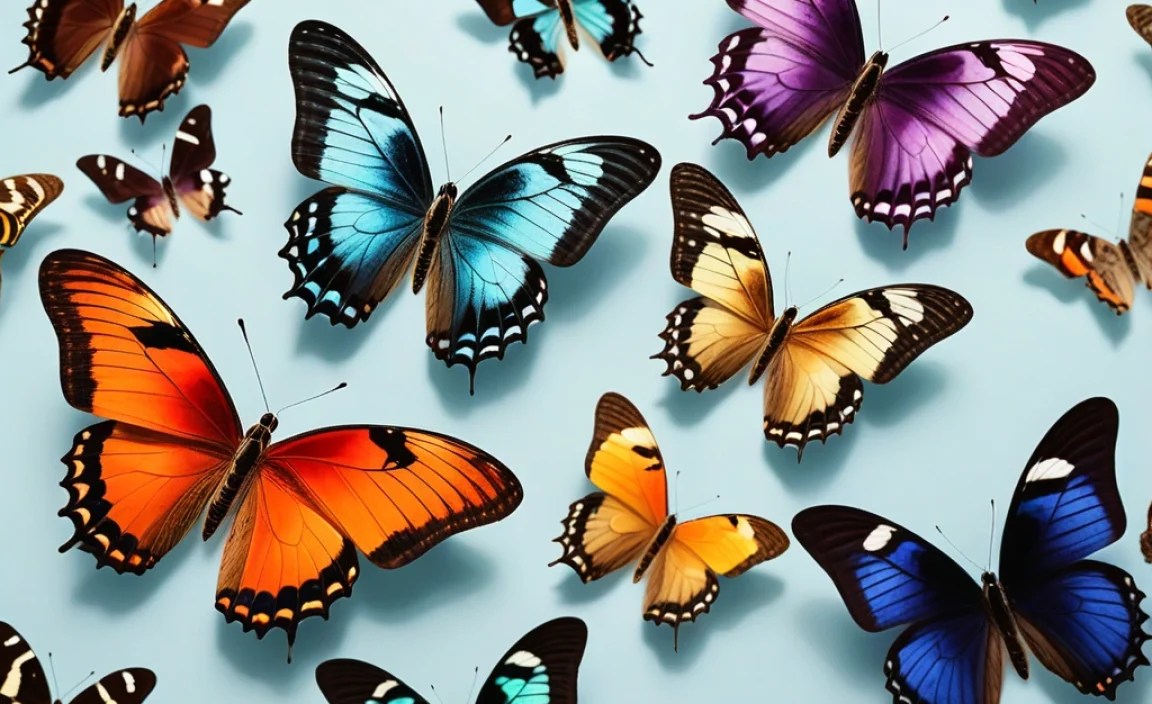
The Apollo butterfly is a beautiful and rare butterfly. It is found in Europe and Asia. This butterfly has white wings with black and red spots. The Apollo butterfly is not only beautiful but also endangered. Its habitat is threatened by habitat loss and climate change. Conservation efforts are underway to protect this species. These efforts include restoring its habitat and reintroducing butterflies. By working together, we can help ensure that the Apollo butterfly continues to grace our world with its beauty. It is a symbol of hope for conservation. This beautiful rare butterfly species needs our help.
- It has white wings.
- It has black and red spots.
- It lives in Europe and Asia.
- Habitat loss threatens it.
- Climate change hurts it.
- It is a symbol of hope.
The Apollo butterfly faces many threats. Habitat loss is a major problem. As grasslands and meadows are converted for agriculture, the butterfly loses its habitat. Climate change also poses a threat. Rising temperatures can alter its habitat. This makes it harder for the butterfly to find food and shelter. Over-collecting is another threat. Some people collect butterflies for their beauty. To protect this species, we need to address these threats. We can support sustainable land management practices. We can also reduce our carbon footprint. By working together, we can help the Apollo butterfly survive.
Fun Fact or Stat: The Apollo butterfly is named after the Greek god of light and beauty!
Why Is the Apollo Butterfly Endangered?
Why is the Apollo butterfly endangered? Several factors contribute to its decline. Habitat loss is a major reason. As its habitat is destroyed, the butterfly loses its food sources and breeding grounds. Climate change also plays a role. Rising temperatures can disrupt its life cycle. Pollution can also harm the butterfly. Pesticides and other chemicals can poison its food sources. Protecting the Apollo butterfly requires addressing these threats. We must work together to conserve its habitat and reduce pollution. This beautiful rare butterfly species deserves our help.
Where Does the Apollo Butterfly Live?
The Apollo butterfly lives in a specific region. It is found in Europe and Asia. It prefers mountainous areas with grasslands and meadows. The Apollo butterfly needs these habitats to survive. It depends on specific plants for its caterpillars to eat. When these habitats are destroyed, the butterfly loses its home. Protecting these habitats is crucial for its survival. Conservation efforts are focused on preserving these areas. By protecting its habitat, we can help ensure the Apollo butterfly thrives. It is a vital part of these mountain ecosystems.
How Can We Help the Apollo Butterfly?
Helping the Apollo butterfly requires action. We can support organizations that protect its habitat. We can also educate others about the importance of conservation. If you visit its habitat, be respectful. Avoid disturbing the butterflies or their environment. Support sustainable land management practices. Reduce your carbon footprint to combat climate change. Every action counts. By working together, we can help ensure that the Apollo butterfly continues to fly. It is a symbol of hope for conservation. Let’s protect this amazing butterfly.
Habitat Preservation for Rare Butterflies
Habitat preservation is key to protecting rare butterflies. These butterflies need specific habitats to survive. These habitats provide food, shelter, and breeding grounds. When these habitats are destroyed, the butterflies lose their homes. Habitat loss is a major threat to many rare butterfly species. Protecting these habitats is crucial for their survival. Conservation efforts focus on preserving and restoring butterfly habitats. These efforts include protecting forests, grasslands, and wetlands. By preserving these habitats, we can help ensure that rare butterflies continue to thrive. This is essential for these beautiful rare butterfly species.
- It provides food and shelter.
- It provides breeding grounds.
- Habitat loss is a threat.
- Conservation efforts are key.
- Protecting forests is important.
- Preserving wetlands helps.
Many factors threaten butterfly habitats. Deforestation is a major problem. As forests are cut down, the butterflies lose their homes. Agriculture can also destroy butterfly habitats. As land is converted for farming, the butterflies lose their food sources. Urban development is another threat. As cities and towns expand, the butterflies lose their habitat. Climate change also poses a threat. Rising temperatures can alter butterfly habitats. To protect butterfly habitats, we need to address these threats. We can support sustainable land management practices. We can also reduce our carbon footprint. By working together, we can help preserve butterfly habitats.
Fun Fact or Stat: Some butterfly species are so specific in their habitat needs that they only live in one small area!
What Are the Key Elements of Butterfly Habitats?
What are the key elements of butterfly habitats? Butterflies need specific plants for food. These plants provide nectar for adult butterflies and food for caterpillars. Butterflies also need shelter from the elements. Trees, shrubs, and tall grasses can provide shelter. Butterflies also need sunlight. They need sunlight to warm their bodies and fly. Butterfly habitats should also be free from pesticides and other pollutants. These chemicals can harm butterflies and other insects. Protecting these key elements is crucial for butterfly survival. We must work to preserve and restore these habitats for these beautiful rare butterfly species.
How Can We Restore Butterfly Habitats?
Restoring butterfly habitats involves several steps. First, we need to identify the specific needs of the butterfly species we want to protect. Then, we can plant native plants that provide food and shelter. We can also remove invasive species that compete with native plants. We can also create water sources for butterflies. A shallow dish of water with pebbles can provide a place for butterflies to drink. We can also reduce pesticide use in and around butterfly habitats. By taking these steps, we can help restore butterfly habitats.
What Role Do Local Communities Play?
Local communities play a vital role in habitat preservation. They can help protect butterfly habitats by supporting conservation efforts. They can also educate others about the importance of butterflies. Local communities can also participate in habitat restoration projects. They can plant native plants, remove invasive species, and create water sources. By working together, local communities can make a big difference in butterfly conservation. Their involvement is crucial for the long-term survival of these beautiful rare butterfly species.
Climate Change and Butterfly Conservation
Climate change is a major threat to butterfly conservation. Rising temperatures can alter butterfly habitats. This makes it harder for butterflies to find food and shelter. Climate change can also disrupt butterfly life cycles. Butterflies may emerge earlier or later than usual. This can affect their ability to find mates and reproduce. Climate change is already affecting many butterfly species. Some species are shifting their ranges to cooler areas. Others are declining in population. To protect butterflies from climate change, we need to reduce our carbon footprint. We can also support conservation efforts that help butterflies adapt to climate change. It is essential to protect these beautiful rare butterfly species.
- It alters butterfly habitats.
- It disrupts life cycles.
- Butterflies shift their ranges.
- Populations are declining.
- Reduce your carbon footprint.
- Support conservation efforts.
Climate change affects butterflies in many ways. Rising temperatures can cause changes in plant communities. This can affect the availability of food for caterpillars. Climate change can also increase the frequency and intensity of extreme weather events. Droughts, floods, and heat waves can all harm butterflies. Climate change can also increase the spread of invasive species. These species can compete with native butterflies for resources. To protect butterflies from climate change, we need to take action. We can reduce our greenhouse gas emissions. We can also support conservation efforts that help butterflies adapt to climate change.
Fun Fact or Stat: Some butterfly species are shifting their ranges northwards to escape rising temperatures!
How Does Climate Change Affect Butterfly Habitats?
Climate change affects butterfly habitats in several ways. Rising temperatures can cause changes in plant communities. This can affect the availability of food for caterpillars. Climate change can also alter the timing of plant flowering. This can disrupt butterfly life cycles. Climate change can also increase the frequency and intensity of wildfires. Wildfires can destroy butterfly habitats. Protecting butterfly habitats from climate change requires action. We must reduce our carbon footprint and support conservation efforts. This is crucial for these beautiful rare butterfly species.
What Can Butterflies Do to Adapt to Climate Change?
Butterflies can adapt to climate change in several ways. Some butterflies can shift their ranges to cooler areas. Others can alter their life cycles to match changes in plant flowering. Some butterflies can evolve to tolerate higher temperatures. However, not all butterflies can adapt to climate change. Some species are simply too specialized to survive in a changing environment. Protecting these vulnerable species requires action. We must reduce our carbon footprint and support conservation efforts. We must act now to help these beautiful rare butterfly species.
What Conservation Strategies Can Help?
Several conservation strategies can help butterflies adapt to climate change. One strategy is to protect and restore butterfly habitats. This can provide butterflies with refuge from extreme weather events. Another strategy is to help butterflies shift their ranges. This can involve creating corridors of habitat that connect different areas. A third strategy is to breed butterflies in captivity and release them into the wild. This can help boost populations of declining species. These strategies can help protect butterflies from the impacts of climate change. They are vital for ensuring the survival of these beautiful rare butterfly species.
| Butterfly Species | Habitat | Threats | Conservation Status |
|---|---|---|---|
| Bhutan Glory | Eastern Himalayas | Deforestation, climate change | Vulnerable |
| Kaiser-I-Hind | Eastern Himalayas | Deforestation, illegal collecting | Near Threatened |
| Queen Alexandra’s Birdwing | Papua New Guinea | Habitat loss | Endangered |
| Apollo Butterfly | Europe and Asia | Habitat loss, climate change | Near Threatened |
Summary
Beautiful rare butterfly species face many threats. Habitat loss, climate change, and pollution are major concerns. These threats can destroy their homes and disrupt their life cycles. Protecting these butterflies is crucial for maintaining biodiversity. Butterflies play an important role in our ecosystem. They help pollinate plants and provide food for other animals. By protecting rare butterflies, we can help ensure the health of our planet. We can also help protect these stunning insects for future generations to enjoy.
There are many ways to help rare butterflies. We can support conservation organizations. We can also plant native plants in our gardens. We can reduce our carbon footprint to combat climate change. Even small actions can make a big difference. By working together, we can help ensure that these beautiful rare butterfly species continue to thrive. They are a vital part of our natural world, and we must do everything we can to protect them.
Conclusion
Beautiful rare butterfly species are a treasure. They add beauty to our world. They play a vital role in our ecosystem. These butterflies face many threats. We must take action to protect them. We can support conservation efforts. We can reduce our impact on the environment. By working together, we can help ensure that these amazing creatures survive. Let’s protect these butterflies for future generations.
Frequently Asked Questions
Question No 1: What makes a butterfly rare?
Answer: A butterfly is rare for many reasons. It might only live in a small area. Habitat loss can also make a butterfly rare. If the plants it needs to survive disappear, the butterfly will too. Sometimes, butterflies are rare because they are hard to find. They may live in remote areas or only fly at certain times. Climate change can also affect the populations of beautiful rare butterfly species.
Question No 2: Why is it important to protect rare butterflies?
Answer: Protecting rare butterflies is important for several reasons. Butterflies help pollinate plants. This helps plants make seeds and grow. Many plants depend on butterflies for pollination. Rare butterflies often pollinate rare plants. These plants may only grow in specific places. If the butterflies disappear, these plants could disappear too. This would affect the whole ecosystem. Also, some beautiful rare butterfly species have unique genetic traits that could be important for future research.
Question No 3: What are some of the biggest threats to rare butterflies?
Answer: The biggest threats to rare butterflies include habitat loss. When forests are cut down or wetlands are drained, butterflies lose their homes. Pollution can also harm butterflies. Pesticides can poison the plants they eat. Climate change is another threat. Rising temperatures can change their habitats, making it harder for them to find food and shelter. These threats can have devastating effects on populations of beautiful rare butterfly species.
Question No 4: How can I help protect rare butterflies in my own backyard?
Answer: You can help protect rare butterflies in your backyard by planting native plants. Native plants are the ones that naturally grow in your area. These plants provide food and shelter for butterflies. You can also avoid using pesticides. Pesticides can harm butterflies and other insects. Another way to help is to create a butterfly garden. A butterfly garden is a garden that is specifically designed to attract butterflies. Even small actions can make a big difference for even the most beautiful rare butterfly species.
Question No 5: What is being done to protect rare butterflies around the world?
Answer: Many organizations are working to protect rare butterflies. These organizations are protecting butterfly habitats, restoring butterfly habitats, and educating people about the importance of butterflies. Some organizations are also breeding butterflies in captivity and releasing them into the wild. Governments are also taking steps to protect rare butterflies. They are passing laws to protect butterfly habitats and regulate the collection of butterflies. These efforts are essential for saving these beautiful rare butterfly species.
Question No 6: What is the role of climate change in the decline of butterfly populations?
Answer: Climate change plays a significant role in the decline of butterfly populations. Rising temperatures can alter butterfly habitats, making it harder for them to find food and shelter. Climate change can also disrupt butterfly life cycles. Butterflies may emerge earlier or later than usual, which can affect their ability to find mates and reproduce. Extreme weather events, such as droughts and floods, can also harm butterfly populations. Protecting butterfly populations from climate change requires reducing our carbon footprint.


