
Classroom Butterfly Release: The Ultimate Guide!

A classroom butterfly release is a wonderful way to teach kids about the butterfly life cycle and nature. Make sure you order from a reputable source that provides native species and follows ethical practices. Keep the butterflies safe and cool until release day, and choose a calm, wind-free day to set them free!
Have you ever wanted to witness the magic of butterflies with your students? Releasing butterflies you’ve raised in the classroom is an unforgettable experience. But it’s important to do it right! A successful release teaches kids about nature while ensuring the butterflies’ safety.
Many teachers find it tricky to source healthy butterflies and create the right conditions for release. Don’t worry, I’m here to guide you through each step. We’ll cover everything from choosing a reputable supplier to preparing your students for this special day. Get ready to make lasting memories and foster a love for nature!
Frequently Asked Questions
What is the best time of year for a classroom butterfly release?
Late spring to early fall is generally best, when temperatures are warm enough for butterflies to thrive. Avoid releasing during cold or rainy weather.
Are classroom butterfly releases harmful to the environment?
When done responsibly with native species from reputable sources, releases can be educational and not harmful. Avoid releasing non-native species, as they can disrupt local ecosystems.
How do I care for the butterflies before the release?
Keep them in a cool, dark, and safe place. Don’t feed them. Handle them gently and as little as possible.
What if it rains on the scheduled release day?
Postpone the release until the weather clears. Butterflies need sunshine to dry their wings and fly.
Can I release butterflies that I found in my yard?
It’s best to release only butterflies that you have raised from caterpillars to ensure they are healthy and haven’t been exposed to diseases.
How can I make the release more educational?
Incorporate lessons about the butterfly life cycle, native plants, and the importance of conservation into the release event.
What species of butterfly is best for release?
Monarchs, Painted Ladies, Black Swallowtails, and other species native to your region are suitable choices if sourced ethically.
The Magic of a Classroom Butterfly Release

As a lifelong naturalist, I’ve always been captivated by the delicate beauty and ecological importance of butterflies. There’s something truly magical about watching these creatures flutter and dance through the air. Sharing this experience with students can spark a lifelong love for nature and conservation.
A classroom butterfly release is more than just a fun activity. It’s a hands-on lesson in biology, ecology, and environmental responsibility. It teaches children about the life cycle of a butterfly, the importance of native plants, and the role they can play in protecting these amazing insects.
But to make it a truly positive experience, it’s crucial to do it right. That means choosing a reputable supplier, caring for the butterflies properly, and ensuring the release is safe and ethical. Let’s explore how to make your butterfly release a resounding success!
Step-by-Step Guide to a Successful Classroom Butterfly Release

Ready to plan your butterfly release? Here’s a step-by-step guide to ensure it’s educational, ethical, and unforgettable:
Step 1: Research and Choose a Reputable Supplier
The first step is to find a supplier that provides healthy, native butterflies and follows ethical practices. Here’s what to look for:
- Native Species: Ensure the supplier only offers species native to your region. Releasing non-native butterflies can harm local ecosystems.
- Ethical Practices: Look for suppliers who raise butterflies in a humane and sustainable way. Avoid those who collect butterflies from the wild.
- Health Guarantee: A reputable supplier will guarantee the butterflies arrive healthy and in good condition.
- Customer Reviews: Check online reviews to see what other teachers and customers have to say about the supplier’s quality and service.
Some reputable suppliers include:
Step 2: Order Your Butterflies
Once you’ve chosen a supplier, it’s time to place your order. Here are a few things to keep in mind:
- Timing: Order your butterflies well in advance of your planned release date. Suppliers often need time to prepare the butterflies and ship them to you.
- Quantity: Consider the size of your class and the impact you want to make. A few butterflies per student is a good rule of thumb.
- Shipping: Choose a shipping option that ensures the butterflies arrive quickly and safely. Overnight or express shipping is often best.
- Cost: Butterfly kits can range from $20 to $100+, depending on the number of butterflies and the supplier. Check with your school or PTA for funding options.
Step 3: Prepare the Classroom
While you’re waiting for your butterflies to arrive, prepare your classroom for the big event. Here are some ideas:
- Butterfly Education: Teach your students about the butterfly life cycle, anatomy, and habitat. Use books, videos, and interactive activities to engage them.
- Native Plants: Discuss the importance of native plants for butterflies. Consider planting a butterfly garden at your school to provide food and shelter for these insects.
- Conservation: Talk about the threats facing butterflies, such as habitat loss and pesticide use. Encourage your students to take action to protect butterflies and their environment.
- Artwork: Have students create butterfly-themed artwork to decorate the classroom. This will help build excitement and anticipation for the release.
Step 4: Receive and Care for Your Butterflies
When your butterflies arrive, it’s important to handle them with care. Here’s how:
- Inspect the Package: Check the package for any damage and make sure the butterflies are alive and healthy. Contact the supplier immediately if you have any concerns.
- Keep Them Cool: Butterflies are shipped in a dormant state to reduce stress. Keep them in a cool, dark, and quiet place until the release. A refrigerator (not the freezer!) is ideal, but make sure the temperature is above freezing (around 40-50°F or 4-10°C).
- Avoid Handling: Handle the butterflies as little as possible. Excessive handling can damage their delicate wings.
- No Food Needed: Butterflies in this state do not need to be fed. They are relying on energy reserves stored from their caterpillar stage.
Step 5: Choose the Perfect Release Day
The day of the release is a special occasion. Choose a day that is:
- Warm and Sunny: Butterflies need sunshine to warm their wings and fly.
- Calm: Avoid releasing butterflies on windy days. The wind can make it difficult for them to fly and disorient them.
- Safe: Choose a location that is free from hazards, such as busy roads or construction sites.
Ideally, you should plan the release for late morning or early afternoon when the sun is at its warmest.
Step 6: Prepare for the Release
Before you release the butterflies, prepare your students for the experience. Here are some tips:
- Explain the Process: Remind students about the butterfly life cycle and the importance of releasing the butterflies in a safe and respectful way.
- Gentle Handling: Emphasize the importance of handling the butterflies gently. Show them how to hold a butterfly without squeezing it.
- Respectful Observation: Encourage students to observe the butterflies closely and appreciate their beauty. Remind them not to chase or disturb the butterflies after they are released.
- Question and Answer: Take some time to answer any questions the students may have about the butterflies or the release process.
Step 7: Release the Butterflies!
Now for the moment you’ve all been waiting for! Here’s how to release the butterflies:
- Gather the Students: Bring the students to the release location and have them form a circle.
- Open the Container: Carefully open the container holding the butterflies.
- Gentle Encouragement: Gently encourage the butterflies to come out of the container. You can do this by tilting the container or placing it in a sunny spot.
- Observe and Enjoy: Watch as the butterflies emerge and take flight. Encourage the students to observe their behavior and appreciate their beauty.
- Say Goodbye: Have the students say goodbye to the butterflies and wish them well on their journey.
Remember to take photos and videos of the release to capture the special moment!
Step 8: Post-Release Activities
The learning doesn’t have to end with the release. Here are some post-release activities to reinforce what your students have learned:
- Journaling: Have students write about their experience releasing the butterflies. What did they see? How did they feel?
- Artwork: Encourage students to create artwork inspired by the butterflies they released.
- Research: Assign students to research different species of butterflies and present their findings to the class.
- Conservation Projects: Get involved in local conservation projects to protect butterfly habitats.
Ethical Considerations for Classroom Butterfly Releases

While a classroom butterfly release can be a wonderful educational experience, it’s important to consider the ethical implications. Here are some guidelines to ensure your release is responsible and sustainable:
| Consideration | Guideline |
|---|---|
| Species Selection | Only release species that are native to your region. Non-native species can disrupt local ecosystems and harm native butterfly populations. |
| Source | Choose a reputable supplier that raises butterflies in a humane and sustainable way. Avoid suppliers who collect butterflies from the wild. |
| Timing | Release butterflies during the appropriate time of year, when they have the best chance of survival. Avoid releasing butterflies during cold or rainy weather. |
| Habitat | Release butterflies in an area with suitable habitat, including native plants that provide food and shelter. |
| Education | Educate your students about the importance of butterfly conservation and the ethical considerations of releasing butterflies. |
By following these guidelines, you can ensure that your classroom butterfly release is a positive experience for both your students and the environment.
Extending the Learning Beyond the Release
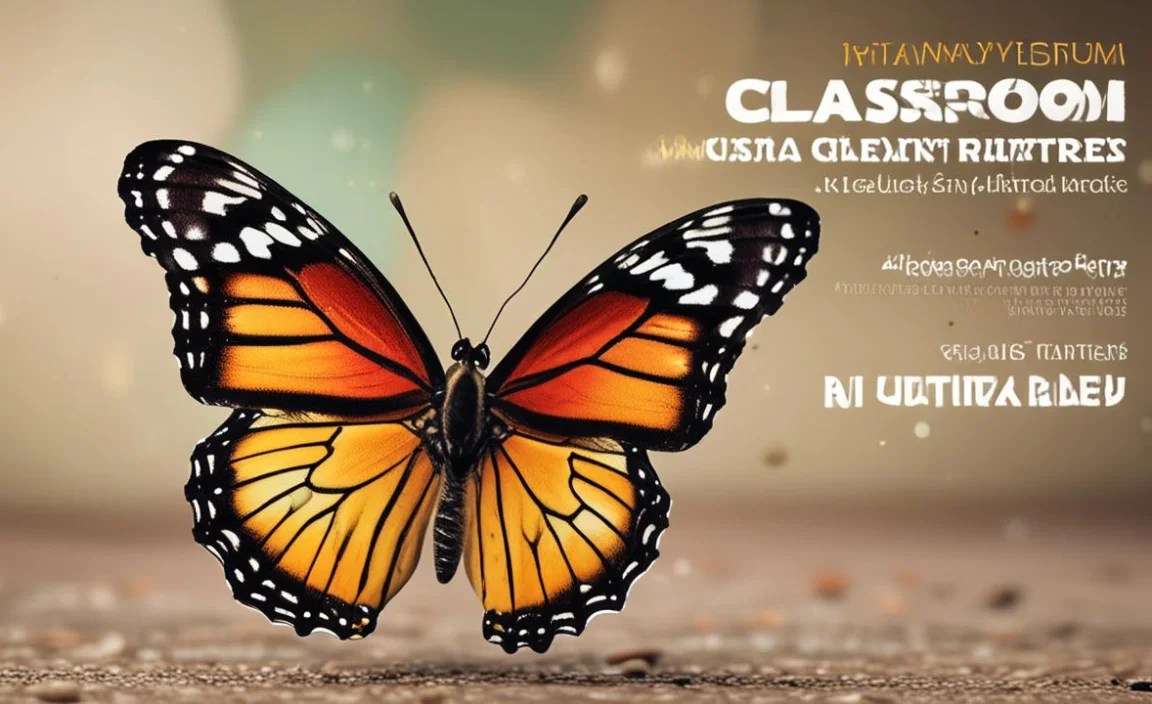
A butterfly release can be the starting point for deeper exploration of science, nature, and environmental stewardship. Here are some ideas to extend the learning:
- Create a Butterfly Garden: Involve students in planning and planting a butterfly garden at your school or in their own backyards. This provides a habitat for butterflies and other pollinators.
- Study Butterfly Migration: Track the migration patterns of monarch butterflies and learn about the challenges they face. You can even tag monarch butterflies to help scientists gather data.
- Investigate Butterfly Camouflage: Explore how butterflies use camouflage to protect themselves from predators. Have students design their own camouflaged butterflies.
- Explore Butterfly Symbolism: Research the cultural and spiritual significance of butterflies in different cultures. Discuss how butterflies symbolize transformation, hope, and new beginnings.
Benefits of a Classroom Butterfly Release

A classroom butterfly release offers numerous benefits for students, teachers, and the environment. Here are just a few:
- Educational Value: Provides a hands-on learning experience about the butterfly life cycle, ecology, and conservation.
- Emotional Connection: Fosters a sense of wonder and appreciation for nature.
- Environmental Awareness: Raises awareness about the importance of protecting butterflies and their habitats.
- Community Building: Creates a shared experience that brings students, teachers, and families together.
- Lasting Memories: Provides a memorable experience that students will cherish for years to come.
Troubleshooting Common Issues
Even with careful planning, things don’t always go as expected. Here are some common issues and how to handle them:
| Issue | Solution |
|---|---|
| Butterflies Arrive Dead | Contact the supplier immediately. Reputable suppliers will usually offer a replacement or refund. |
| Butterflies Won’t Fly | Make sure the butterflies are warm enough. Gently place them in a sunny spot to warm their wings. If they still won’t fly, they may be injured or sick. |
| Rainy Weather | Postpone the release until the weather clears. Keep the butterflies cool and dark until the release day. |
| Students are Afraid | Reassure students that the butterflies are harmless. Show them how to handle the butterflies gently and respectfully. |
Conclusion
A classroom butterfly release is a truly remarkable experience that can leave a lasting impression on your students. By following these steps, you can ensure a safe, ethical, and educational event that fosters a love for nature and promotes environmental stewardship. Remember to choose a reputable supplier, care for the butterflies properly, and involve your students in every step of the process. As you watch those beautiful creatures take flight, you’ll know you’ve created a moment that your students will cherish for years to come. So, go ahead, plan your butterfly release and let the magic unfold!


