
Climate Change Impact on Butterflies: The Secret?

The changing climate is disrupting butterfly habitats, life cycles, and food sources. Warmer temperatures and altered rainfall patterns can cause butterflies to emerge too early, miss crucial nectar sources, and struggle to adapt to new environments. Protecting butterfly habitats and reducing our carbon footprint are essential to help these beautiful creatures survive.
Have you noticed fewer butterflies fluttering around your garden lately? It’s not just your imagination. Butterflies, those delicate jewels of our ecosystem, are facing unprecedented challenges due to climate change. These changes are impacting their habitats, food sources, and even their ability to reproduce. It can feel overwhelming, but understanding the specific impacts is the first step towards helping them.
This article will explore exactly how climate change affects butterflies, from shifting habitats to disrupted life cycles. I’ll walk you through the specific threats butterflies face and provide practical steps you can take to protect them. Together, we can make a difference for these essential pollinators.
Understanding the Climate Change Impact on Butterflies

Butterflies are incredibly sensitive to environmental changes, making them excellent indicators of ecosystem health. As a naturalist, I’ve observed firsthand how climate change is altering their world. Let’s explore the specific ways these changes are impacting butterflies.
Habitat Loss and Alteration
One of the most significant threats to butterflies is the loss and alteration of their habitats. Climate change exacerbates this issue through:
- Rising Temperatures: Warmer temperatures can make habitats unsuitable for certain butterfly species. Butterflies adapted to cooler climates may struggle to survive in increasingly hot environments.
- Changes in Rainfall Patterns: Altered rainfall patterns, including droughts and floods, can devastate butterfly habitats. Droughts can kill off host plants and nectar sources, while floods can destroy breeding grounds.
- Sea Level Rise: Coastal habitats, which are crucial for many butterfly species, are threatened by sea level rise. As sea levels rise, these habitats are inundated, leading to habitat loss.
- Increased Frequency of Extreme Weather Events: More frequent and intense storms, heat waves, and wildfires can wipe out butterfly populations and destroy their habitats.
Disruption of Life Cycles
Butterflies have intricate life cycles that are closely tied to seasonal changes. Climate change is disrupting these cycles in several ways:
- Phenological Mismatches: Butterflies rely on specific cues, such as temperature and day length, to time their emergence, breeding, and migration. Climate change can throw off these cues, leading to mismatches between butterfly life cycles and the availability of resources. For example, butterflies may emerge too early in the spring, before their host plants are available.
- Altered Migration Patterns: Many butterfly species migrate long distances to find suitable breeding grounds and food sources. Climate change can disrupt these migration patterns, causing butterflies to arrive at their destinations too early or too late.
- Changes in Development Rates: Warmer temperatures can speed up butterfly development rates. While this may seem beneficial, it can lead to smaller adult butterflies with reduced reproductive success.
Impacts on Food Sources
Butterflies depend on specific host plants for their larvae and nectar sources for adults. Climate change is affecting these food sources in several ways:
- Changes in Plant Distribution: As temperatures and rainfall patterns change, the distribution of host plants and nectar sources may shift. This can leave butterflies without access to the food they need to survive.
- Reduced Nectar Availability: Droughts and heat waves can reduce nectar production in flowers, leaving adult butterflies without a crucial food source.
- Increased Competition: As habitats shrink and resources become scarcer, butterflies may face increased competition for food with other insects and animals.
Increased Predation and Disease
Climate change can also indirectly affect butterflies by increasing their vulnerability to predators and diseases:
- Increased Predator Activity: Warmer temperatures can increase the activity of butterfly predators, such as birds and spiders, leading to higher predation rates.
- Spread of Diseases: Climate change can create conditions that favor the spread of butterfly diseases. For example, warmer, wetter conditions can promote the growth of fungal pathogens that infect butterfly larvae.
- Weakened Immune Systems: Stress from climate change can weaken butterfly immune systems, making them more susceptible to diseases and parasites.
Specific Butterfly Species at Risk

While all butterflies are affected by climate change, some species are particularly vulnerable due to their limited ranges, specialized diets, or other factors. Here are a few examples:
- Monarch Butterfly (Danaus plexippus): The Monarch butterfly is famous for its long-distance migration from Canada and the United States to Mexico. Climate change is threatening Monarchs by disrupting their migration patterns, reducing the availability of milkweed (their host plant), and increasing the frequency of extreme weather events in their overwintering grounds.
- Quino Checkerspot Butterfly (Euphydryas quino): This endangered butterfly is found in Southern California and Baja California. It depends on specific host plants that are threatened by drought and habitat loss.
- Karner Blue Butterfly (Lycaeides melissa samuelis): The Karner Blue butterfly is found in the northeastern United States and depends on wild lupine as its host plant. Habitat loss and fragmentation, exacerbated by climate change, are major threats to this species.
- Miami Blue Butterfly (Cyclargus thomasi bethune-bakeri): The Miami Blue butterfly is one of the rarest butterflies in the United States, found only in a few isolated populations in South Florida. Sea level rise and habitat loss are major threats to this species.
How Climate Change Affects Butterfly Habitats: A Detailed Look

To truly understand the climate change impact on butterflies, it’s essential to delve deeper into how their habitats are changing. Butterflies are highly dependent on specific environmental conditions, and even slight alterations can have significant consequences.
Forests
Forests provide crucial habitats for many butterfly species. Climate change is impacting forests through:
- Increased Wildfires: Drier conditions and higher temperatures are increasing the frequency and intensity of wildfires, which can destroy butterfly habitats and kill off butterfly populations.
- Changes in Tree Species Composition: As temperatures and rainfall patterns change, the composition of tree species in forests may shift. This can affect butterfly populations by altering the availability of host plants and nectar sources.
- Increased Pest Outbreaks: Climate change can create conditions that favor the spread of forest pests, such as bark beetles, which can weaken or kill trees and reduce the availability of butterfly habitats.
Grasslands
Grasslands are important habitats for many butterfly species, providing open areas for breeding, feeding, and basking. Climate change is impacting grasslands through:
- Drought: Drier conditions can lead to reduced plant growth and increased fire risk, which can destroy butterfly habitats and reduce the availability of food sources.
- Invasive Species: Climate change can create conditions that favor the spread of invasive plant species, which can outcompete native plants and reduce the quality of butterfly habitats.
- Changes in Grazing Patterns: Altered rainfall patterns can affect grazing patterns, which can impact butterfly habitats by changing the structure and composition of grasslands.
Wetlands
Wetlands, such as marshes and swamps, provide important habitats for many butterfly species, particularly those that depend on aquatic or semi-aquatic plants. Climate change is impacting wetlands through:
- Sea Level Rise: Rising sea levels are inundating coastal wetlands, leading to habitat loss and increased salinity.
- Changes in Water Availability: Altered rainfall patterns can affect water levels in wetlands, leading to either flooding or drying out.
- Increased Nutrient Pollution: Climate change can exacerbate nutrient pollution in wetlands, which can harm butterfly populations by altering the composition of plant communities.
| Habitat Type | Climate Change Impact | Consequences for Butterflies |
|---|---|---|
| Forests | Increased wildfires, changes in tree species, pest outbreaks | Habitat destruction, loss of host plants, reduced nectar sources |
| Grasslands | Drought, invasive species, altered grazing patterns | Reduced plant growth, loss of breeding grounds, decreased food availability |
| Wetlands | Sea level rise, changes in water availability, nutrient pollution | Habitat loss, altered plant communities, reduced food sources |
What Can Be Done to Help Butterflies?

While the challenges facing butterflies are significant, there are many things we can do to help them adapt to climate change and thrive. Here are some practical steps you can take:
Create Butterfly-Friendly Habitats
One of the most effective ways to help butterflies is to create butterfly-friendly habitats in your own backyard or community. Here are some tips:
- Plant Native Host Plants: Provide food for butterfly larvae by planting native host plants that they depend on. For example, Monarch butterflies require milkweed, while Black Swallowtail butterflies need plants in the carrot family.
- Provide Nectar Sources: Plant a variety of nectar-rich flowers that bloom throughout the growing season to provide food for adult butterflies. Choose native plants whenever possible, as they are often better suited to local conditions and provide more nectar.
- Avoid Pesticides: Pesticides can harm or kill butterflies and other beneficial insects. Avoid using pesticides in your garden, and choose organic gardening methods instead.
- Provide Water: Butterflies need water to drink and stay hydrated. Provide a shallow dish of water with pebbles or stones for them to land on.
- Provide Shelter: Butterflies need shelter from wind, rain, and predators. Plant shrubs and trees to provide cover.
Support Conservation Efforts
Many organizations are working to protect butterflies and their habitats. Support their efforts by:
- Donating to Conservation Organizations: Donate to organizations that are working to protect butterfly habitats and promote butterfly conservation.
- Volunteering Your Time: Volunteer your time to help with butterfly surveys, habitat restoration projects, and other conservation activities.
- Advocating for Butterfly Conservation: Contact your elected officials and urge them to support policies that protect butterflies and their habitats.
Reduce Your Carbon Footprint
Climate change is a global problem that requires global solutions. Reduce your carbon footprint by:
- Conserving Energy: Use energy-efficient appliances, turn off lights when you leave a room, and reduce your use of air conditioning and heating.
- Reducing Waste: Reduce, reuse, and recycle to minimize waste and conserve resources.
- Eating Locally and Sustainably: Support local farmers and choose foods that are produced sustainably.
- Using Public Transportation: Use public transportation, bike, or walk instead of driving whenever possible.
Educate Others
Raise awareness about the challenges facing butterflies and inspire others to take action by:
- Sharing Information: Share information about butterflies and climate change with your friends, family, and community.
- Leading Butterfly Walks: Organize butterfly walks and educational events to teach others about butterflies and their importance.
- Supporting Butterfly Education Programs: Support butterfly education programs in schools and communities.
Practical Steps to Create a Butterfly Garden
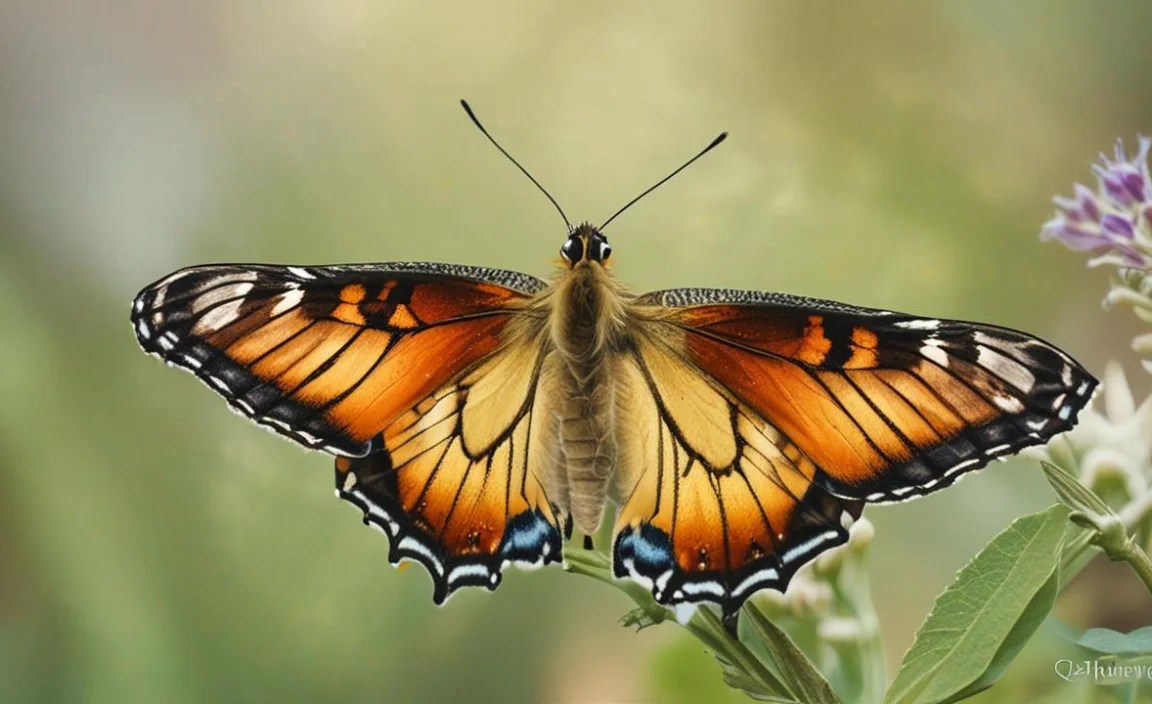
Creating a butterfly garden is a rewarding way to help butterflies and enjoy their beauty up close. Here’s a step-by-step guide to get you started:
- Choose a Sunny Location: Butterflies need sunlight to warm their bodies and fuel their flight. Choose a location that receives at least six hours of sunlight per day.
- Select Native Host Plants: Research which butterfly species are native to your area and select host plants that their larvae depend on. Plant these plants in your garden to provide food for caterpillars.
- Plant Nectar-Rich Flowers: Choose a variety of nectar-rich flowers that bloom throughout the growing season. Plant these flowers in your garden to provide food for adult butterflies.
- Provide Water: Provide a shallow dish of water with pebbles or stones for butterflies to land on. This will help them stay hydrated.
- Avoid Pesticides: Avoid using pesticides in your garden, as they can harm or kill butterflies and other beneficial insects. Choose organic gardening methods instead.
- Provide Shelter: Plant shrubs and trees to provide shelter from wind, rain, and predators.
- Maintain Your Garden: Regularly water and weed your garden to keep it healthy and attractive to butterflies.
The Role of Citizen Science
Citizen science plays a crucial role in monitoring butterfly populations and tracking the impacts of climate change. By participating in citizen science projects, you can contribute valuable data that helps scientists understand and protect butterflies.
Butterfly Surveys
Butterfly surveys involve counting butterflies in specific areas and recording data on their species, abundance, and behavior. This data can be used to track changes in butterfly populations over time and assess the impacts of climate change and other threats. The Butterflies and Moths of North America (BAMONA) project is a great resource.
Habitat Monitoring
Habitat monitoring involves assessing the condition of butterfly habitats and tracking changes in vegetation, water availability, and other factors. This data can be used to identify areas that are most vulnerable to climate change and prioritize conservation efforts.
Reporting Sightings
Reporting butterfly sightings can help scientists track the distribution of butterfly species and identify new or expanding populations. Use online platforms like iNaturalist to submit your observations.
FAQ: Climate Change and Butterflies
Here are some frequently asked questions about the climate change impact on butterflies:
1. How does climate change affect butterfly migration?
Climate change can disrupt butterfly migration patterns by altering the timing of their migrations, causing them to arrive at their destinations too early or too late. It can also affect the availability of food sources along their migration routes.
2. What are phenological mismatches?
Phenological mismatches occur when the timing of biological events, such as butterfly emergence and plant flowering, becomes out of sync due to climate change. This can lead to butterflies emerging before their host plants are available, resulting in starvation and reduced reproductive success.
3. How can I help butterflies in my garden?
You can help butterflies in your garden by planting native host plants and nectar-rich flowers, avoiding pesticides, providing water, and providing shelter.
4. What is the role of milkweed in Monarch butterfly conservation?
Milkweed is the only host plant for Monarch butterfly larvae. Monarchs lay their eggs exclusively on milkweed plants, and the caterpillars feed on the leaves. Without milkweed, Monarch butterflies cannot reproduce.
5. How does habitat loss affect butterfly populations?
Habitat loss reduces the availability of food sources, breeding grounds, and shelter for butterflies. This can lead to declines in butterfly populations and increased vulnerability to other threats, such as climate change and pesticides.
6. What is citizen science, and how can I participate?
Citizen science involves members of the public participating in scientific research. You can participate in citizen science projects by conducting butterfly surveys, monitoring habitats, and reporting butterfly sightings.
7. Are all butterfly species equally affected by climate change?
No, some butterfly species are more vulnerable to climate change than others due to their limited ranges, specialized diets, or other factors. Species with narrow habitat requirements or limited dispersal abilities are particularly at risk.
Conclusion
The climate change impact on butterflies is a serious concern, but it’s not too late to take action. By understanding the challenges butterflies face and implementing practical solutions, we can help these beautiful creatures adapt and thrive. From creating butterfly-friendly habitats in our own backyards to supporting conservation efforts and reducing our carbon footprint, every action counts. As a lifelong butterfly enthusiast, I encourage you to join me in protecting these essential pollinators for future generations. Let’s work together to ensure that butterflies continue to flutter and inspire us with their beauty and grace.


