
Fun Butterfly Trivia: Test Your Knowledge!

Fun Butterfly Trivia: Unveiling Nature’s Winged Wonders

Butterflies are fascinating! Did you know some butterflies taste with their feet? Or that they can fly thousands of miles? These delicate creatures are full of surprises. Join us as we explore the wonderful world of butterflies, sharing fun facts and amazing insights into their lives. You’ll discover their secret talents, incredible journeys, and the important roles they play in our world.
Get ready to be amazed by the beauty and complexity of these winged wonders. We’re about to dive into some truly captivating butterfly trivia!
The Amazing World of Butterfly Trivia

Butterflies are more than just pretty insects flitting around our gardens. They are complex creatures with fascinating life cycles, unique behaviors, and important ecological roles. Let’s explore some fun butterfly trivia that will deepen your appreciation for these winged wonders.
Butterfly Biology: More Than Meets the Eye
Butterflies possess some truly remarkable biological features. Here are a few that might surprise you:
- Taste Buds in Their Feet: Butterflies taste with sensors on their feet. This helps them find the right plants to lay their eggs on and ensures their caterpillars have the best food source.
- A Butterfly’s proboscis is like a straw: A butterfly’s proboscis is a long, straw-like tongue that they use to sip nectar from flowers. When they’re not feeding, they roll it up into a spiral.
- Two Pairs of Wings: Butterflies have two pairs of wings covered in tiny scales. These scales give butterflies their vibrant colors and patterns.
- Cold-Blooded Creatures: Butterflies are cold-blooded, meaning they rely on external sources of heat to regulate their body temperature. That’s why you often see them basking in the sun.
- Compound Eyes: Butterflies have compound eyes made up of thousands of individual lenses. This gives them a wide field of vision and helps them detect movement.
Butterfly Behavior: Secrets of the Winged World
Butterfly behavior is just as fascinating as their biology. Let’s uncover some interesting facts about how they live and interact with their environment:
- Migration Marvels: Some butterfly species, like the Monarch, undertake incredible migrations spanning thousands of miles. They travel to warmer climates for the winter, returning in the spring.
- Camouflage Experts: Many butterflies use camouflage to blend in with their surroundings. Their wing patterns mimic leaves, bark, or even bird droppings to avoid predators.
- Sun Bathers: Butterflies often bask in the sun to warm up their flight muscles. This behavior is called thermoregulation and is essential for their survival.
- Puddling Parties: Male butterflies sometimes gather in groups around puddles or damp soil to drink. They’re not just quenching their thirst; they’re also extracting essential minerals from the water.
- Courtship Dances: Butterflies engage in elaborate courtship rituals to attract mates. These dances involve intricate flight patterns and the release of pheromones.
Butterfly Life Cycle: From Egg to Winged Beauty
The butterfly life cycle, or metamorphosis, is one of nature’s most amazing transformations. It involves four distinct stages:
- Egg: Butterflies lay their eggs on specific host plants that will serve as food for the caterpillars.
- Larva (Caterpillar): The caterpillar hatches from the egg and spends its time eating and growing. It molts its skin several times as it grows larger.
- Pupa (Chrysalis): The caterpillar transforms into a pupa, or chrysalis. Inside the chrysalis, the caterpillar’s body undergoes a complete reorganization.
- Adult Butterfly: The adult butterfly emerges from the chrysalis with its wings crumpled. It pumps fluid into its wings to expand them and then flies off to reproduce.
Butterfly Habitats: Where Butterflies Thrive
Butterflies can be found in a wide range of habitats, from tropical rainforests to alpine meadows. Here are some of the key elements that make a habitat suitable for butterflies:
- Host Plants: Butterflies need specific host plants for their caterpillars to feed on.
- Nectar Sources: Adult butterflies need nectar-rich flowers to provide them with energy.
- Sunlight: Butterflies need sunlight to warm their bodies and power their flight muscles.
- Shelter: Butterflies need shelter from wind and rain, such as trees, shrubs, and tall grasses.
- Water: Butterflies need access to water, either from puddles or damp soil.
Butterfly Conservation: Protecting Our Winged Friends
Many butterfly species are threatened by habitat loss, climate change, and pesticide use. Here are some things you can do to help protect butterflies:
- Plant a Butterfly Garden: Plant native host plants and nectar-rich flowers to provide food and shelter for butterflies.
- Avoid Pesticides: Pesticides can harm or kill butterflies and other beneficial insects.
- Support Conservation Organizations: Donate to or volunteer with organizations that are working to protect butterfly habitats.
- Educate Others: Share your knowledge of butterflies with friends, family, and neighbors to raise awareness about their importance.
- Create a Water Source: Put out a shallow dish of water with pebbles or sand for butterflies to drink from.
Butterfly Trivia: Quick Fire Facts
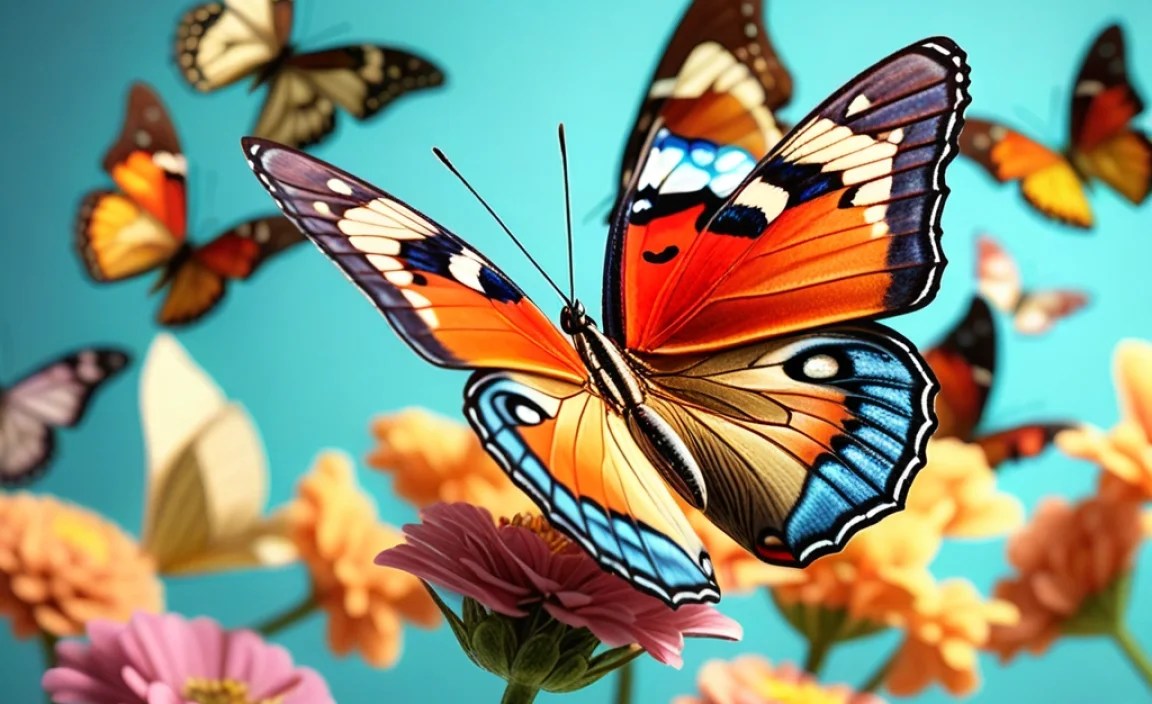
Ready for some quick-fire butterfly trivia? Test your knowledge with these fun facts:
- Largest Butterfly: The Queen Alexandra’s Birdwing is the largest butterfly in the world, with a wingspan of up to 12 inches.
- Smallest Butterfly: The Western Pygmy Blue is the smallest butterfly, with a wingspan of only about 0.5 inches.
- Fastest Butterfly: The Skipper butterflies are the fastest fliers, reaching speeds of up to 37 miles per hour.
- Longest Migration: Monarch butterflies can travel up to 3,000 miles during their annual migration.
- Butterfly Lifespan: The lifespan of a butterfly varies depending on the species, but most live for only a few weeks to a few months.
Butterfly FAQs: Your Burning Questions Answered
Do you have more questions about butterflies? Here are some frequently asked questions and their answers:
What is the difference between a butterfly and a moth?
Butterflies and moths are both members of the order Lepidoptera, but they have several key differences. Butterflies are typically active during the day, have brightly colored wings, and hold their wings upright when at rest. Moths are typically active at night, have duller-colored wings, and hold their wings flat when at rest. Butterflies also have clubbed antennae, while moths have feathery or comb-like antennae.
What do butterflies eat?
Adult butterflies primarily feed on nectar from flowers. They use their long, straw-like proboscis to sip nectar. Some butterflies also feed on tree sap, rotting fruit, or even dung. Caterpillars, on the other hand, feed on the leaves of their host plants.
How do butterflies get their colors?
Butterfly wings are covered in tiny scales that give them their color. These scales contain pigments that absorb certain wavelengths of light and reflect others. Some butterfly wings also have structural colors, which are created by the way light interacts with the microscopic structures on the scales.
Why are butterflies important?
Butterflies are important pollinators, helping to transfer pollen from one flower to another. They also serve as a food source for birds, bats, and other animals. In addition, butterflies are sensitive to changes in their environment, making them valuable indicators of ecosystem health.
How can I attract butterflies to my garden?
To attract butterflies to your garden, plant a variety of native host plants and nectar-rich flowers. Provide a source of water, such as a shallow dish with pebbles. Avoid using pesticides, which can harm or kill butterflies. Also, provide some shelter from wind and rain.
Do butterflies sleep?
Butterflies don’t sleep in the same way that humans do, but they do rest. They typically find a sheltered spot to perch and remain still for extended periods, often with their wings closed. This allows them to conserve energy and avoid predators.
Are butterflies endangered?
Some butterfly species are endangered due to habitat loss, climate change, and pesticide use. The Monarch butterfly, for example, has experienced a significant decline in population in recent years. It’s important to support conservation efforts to protect these vulnerable creatures.
Butterfly Table: A Quick Comparison

Here’s a quick table summarizing some key butterfly facts:
| Feature | Description |
|---|---|
| Diet | Nectar, tree sap, rotting fruit |
| Wings | Two pairs of colorful, scaled wings |
| Habitat | Gardens, meadows, forests, tropical rainforests |
| Lifespan | Few weeks to several months |
| Role in Ecosystem | Pollinator, food source |
Deeper Dive: More Butterfly Facts
Want to delve even deeper into the world of butterflies? Here are some more interesting facts to ponder:
- Butterfly Wing Patterns Are Unique: Just like human fingerprints, each butterfly has a unique wing pattern. This helps scientists identify individual butterflies and track their movements.
- Butterflies Can See More Colors Than Humans: Butterflies can see ultraviolet light, which is invisible to the human eye. This allows them to see patterns on flowers that guide them to nectar.
- Butterflies Use Chemical Signals: Butterflies communicate with each other using chemical signals called pheromones. These pheromones can attract mates, warn of danger, or mark territory.
- Butterflies Can Fly in the Rain: While they prefer sunny weather, some butterflies can fly in the rain. They have special scales on their wings that help to repel water.
- Butterflies Are Important Indicators of Climate Change: Because butterflies are sensitive to changes in temperature and habitat, they can be used as indicators of climate change. Scientists monitor butterfly populations to track the effects of climate change on ecosystems.
Butterfly Symbolism: More Than Just Beauty
Butterflies have long been symbols of transformation, hope, and new beginnings in many cultures. Their metamorphosis from caterpillar to winged beauty represents the journey of personal growth and spiritual awakening. Here are some of the symbolic meanings associated with butterflies:
- Transformation: The butterfly’s life cycle symbolizes the process of transformation and change.
- Hope: Butterflies are often seen as symbols of hope and optimism.
- New Beginnings: Butterflies represent new beginnings and fresh starts.
- Freedom: Butterflies symbolize freedom and the ability to soar above challenges.
- Beauty: Butterflies are admired for their beauty and grace.
In some cultures, butterflies are also associated with the souls of the departed. They are seen as messengers from the spirit world, bringing comfort and guidance to those who are grieving.
Butterfly Resources: Learn More
Want to learn more about butterflies? Here are some useful resources:
- USDA Forest Service – Butterfly Gardening
- National Wildlife Federation – Monarch Butterfly
- The Xerces Society for Invertebrate Conservation
Conclusion: Appreciating Nature’s Winged Gems
From their incredible life cycles to their stunning beauty and important ecological roles, butterflies truly are nature’s winged gems. By learning more about these fascinating creatures and taking steps to protect them, we can help ensure that they continue to grace our gardens and meadows for generations to come. So, the next time you see a butterfly flitting by, take a moment to appreciate its beauty and the important role it plays in our world.


