
Butterfly Monitoring Programs: Your FREE Guide

Quick Summary: Butterfly monitoring programs are citizen science initiatives that track butterfly populations. By regularly counting butterflies in specific areas, volunteers provide valuable data on species distribution, abundance, and habitat health. This information helps scientists and conservationists understand environmental changes and implement effective conservation strategies to protect these vital pollinators.
Butterflies are more than just beautiful insects fluttering through our gardens. They’re important indicators of environmental health. Declining butterfly populations can signal broader ecological problems, like habitat loss or climate change. Fortunately, you can help! Butterfly monitoring programs offer a fun and easy way to contribute to vital scientific research. You don’t need to be an expert – just an enthusiast with a keen eye and a little bit of time. Ready to make a difference? This guide will walk you through everything you need to know to get started.
Why Monitor Butterflies?

As a lifelong naturalist, I’ve seen firsthand the power of collective observation. Butterfly monitoring isn’t just about counting pretty wings; it’s about gathering crucial data that informs conservation efforts. Here’s why it’s so important:
- Indicators of Environmental Health: Butterflies are sensitive to changes in their environment, making them excellent indicators of habitat quality and climate change impacts.
- Tracking Population Trends: Monitoring programs help us understand whether butterfly populations are increasing, decreasing, or remaining stable. This information is essential for identifying species at risk.
- Informing Conservation Strategies: Data from monitoring programs can guide conservation efforts, such as habitat restoration and protection.
- Raising Awareness: Participating in monitoring programs increases public awareness of butterfly conservation and the importance of biodiversity.
- Contributing to Scientific Research: Citizen science data provides valuable insights for researchers studying butterfly ecology and conservation. The Xerces Society is one of the leading organizations that uses such data for conservation research.
Getting Started with Butterfly Monitoring

Joining a butterfly monitoring program is easier than you might think! Here’s a step-by-step guide to get you started:
Step 1: Find a Program Near You
The first step is to locate a butterfly monitoring program in your area. Here are a few resources to help you find one:
- The Xerces Society: The Xerces Society for Invertebrate Conservation offers a wealth of information on butterfly monitoring and may have local chapters or affiliated programs.
- North American Butterfly Association (NABA): NABA coordinates butterfly counts and monitoring efforts across North America. Check their website for local chapters and events.
- State and Local Conservation Organizations: Many state and local conservation organizations conduct butterfly monitoring programs. Search online for organizations in your area.
- University Extension Programs: Some university extension programs offer citizen science opportunities, including butterfly monitoring.
Step 2: Learn About Butterfly Identification
Accurate butterfly identification is crucial for effective monitoring. Don’t worry if you’re not an expert – there are plenty of resources to help you learn:
- Field Guides: Invest in a good field guide specific to your region. Peterson Field Guides and Kaufman Field Guides are excellent choices.
- Online Resources: Websites like BugGuide.net and iNaturalist offer photos and information to help you identify butterflies.
- Workshops and Training Sessions: Many monitoring programs offer workshops and training sessions to teach volunteers how to identify butterflies.
- Butterfly Gardens: Visiting butterfly gardens can help you familiarize yourself with different species.
Step 3: Choose a Monitoring Site
Many monitoring programs assign specific sites to volunteers. If you have the option to choose your own site, consider the following factors:
- Accessibility: Choose a site that is easy to access and where you feel safe.
- Habitat Quality: Look for sites with diverse habitats, such as meadows, woodlands, and wetlands. These areas are more likely to support a variety of butterfly species.
- Permission: Obtain permission from landowners before monitoring on private property.
Step 4: Gather Your Equipment
You don’t need a lot of fancy equipment to monitor butterflies. Here’s a basic list:
- Field Guide: Essential for identifying butterflies.
- Binoculars: Helpful for observing butterflies from a distance.
- Notebook and Pencil: For recording your observations.
- Camera: To photograph butterflies for identification purposes.
- GPS Device or Smartphone: To record the location of your monitoring site.
- Comfortable Clothing and Shoes: Be prepared for spending time outdoors in various weather conditions.
Step 5: Follow the Monitoring Protocol
Each monitoring program has its own specific protocol. Be sure to follow the instructions carefully to ensure accurate data collection. Here are some common elements of butterfly monitoring protocols:
- Transect Walks: Walk a predetermined route (transect) through your monitoring site, counting all the butterflies you see within a certain distance.
- Timed Counts: Spend a specific amount of time (e.g., 15 minutes) counting butterflies in a defined area.
- Data Recording: Record the species, number of individuals, and any other relevant information (e.g., behavior, habitat) for each butterfly you observe.
- Regular Visits: Monitor your site regularly, typically once a week or once a month, during the butterfly season.
Step 6: Submit Your Data
Once you’ve collected your data, submit it to the monitoring program coordinator. Your data will be combined with data from other volunteers to provide a comprehensive picture of butterfly populations in your region.
Tips for Successful Butterfly Monitoring

Here are some tips to help you make the most of your butterfly monitoring experience:
- Practice Your Identification Skills: The more familiar you are with local butterfly species, the more accurate your data will be.
- Be Patient and Observant: Butterfly monitoring requires patience and a keen eye. Take your time and pay attention to the details.
- Monitor During Optimal Weather Conditions: Butterflies are most active on warm, sunny days with little or no wind.
- Respect the Environment: Avoid disturbing butterfly habitats or trampling vegetation.
- Have Fun! Butterfly monitoring is a rewarding experience that allows you to connect with nature and contribute to conservation.
Understanding Butterfly Habitats
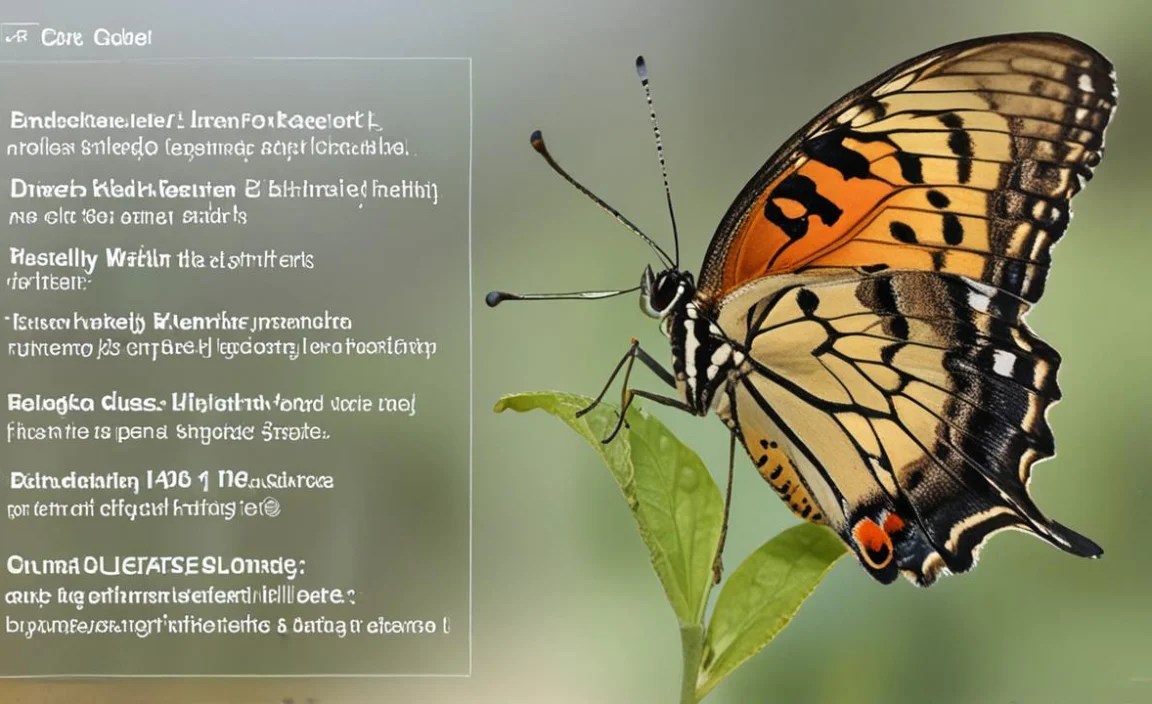
Butterflies are closely tied to their habitats, and understanding these connections is essential for effective monitoring. Here’s a brief overview of common butterfly habitats:
- Meadows and Grasslands: These open habitats provide nectar sources for adult butterflies and host plants for caterpillars.
- Woodlands and Forests: Woodlands offer shelter, breeding sites, and food sources for many butterfly species. Forest edges are particularly important, as they provide a mix of sun and shade.
- Wetlands and Marshes: These habitats support a variety of specialized butterfly species that rely on aquatic or semi-aquatic plants.
- Gardens and Urban Areas: Gardens can provide valuable habitat for butterflies, especially if they include nectar-rich flowers and host plants. Even small urban green spaces can support butterfly populations.
The Importance of Host Plants

Butterflies have a unique relationship with specific plants, known as host plants. These are the plants that caterpillars feed on. Without the right host plants, butterflies cannot complete their life cycle. Here are some examples of common butterfly host plants:
- Monarch Butterfly: Milkweed (Asclepias spp.)
- Black Swallowtail: Parsley, dill, fennel (Apiaceae family)
- Spicebush Swallowtail: Spicebush (Lindera benzoin) and sassafras (Sassafras albidum)
- Painted Lady: Thistles (Cirsium spp.) and other plants in the Asteraceae family
- Spring Azure: Flowering dogwood (Cornus florida)
When creating a butterfly garden or monitoring butterfly habitats, it’s important to include a variety of host plants to support different butterfly species. The U.S. Forest Service provides useful information on butterfly gardening and host plants.
Challenges in Butterfly Monitoring
While butterfly monitoring is a valuable tool for conservation, it also faces some challenges:
- Identification Difficulties: Identifying some butterfly species can be challenging, especially for beginners.
- Weather Dependence: Butterfly activity is highly dependent on weather conditions, which can make it difficult to obtain consistent data.
- Habitat Variability: Changes in habitat can affect butterfly populations, making it important to consider habitat factors when interpreting monitoring data.
- Volunteer Turnover: Maintaining a consistent group of volunteers can be challenging, which can affect the continuity of monitoring programs.
- Funding Limitations: Many monitoring programs rely on grants and donations, which can be subject to funding fluctuations.
Data Analysis and Interpretation
The data collected through butterfly monitoring programs is used to analyze population trends, assess habitat quality, and inform conservation strategies. Here are some common data analysis techniques:
- Population Indices: Calculating population indices, such as the number of butterflies per unit area or per unit time, can help track changes in butterfly abundance over time.
- Species Richness: Measuring the number of different butterfly species in a given area can provide insights into habitat diversity and quality.
- Community Composition: Analyzing the relative abundance of different butterfly species can reveal changes in community structure and identify species that are particularly vulnerable.
- Statistical Modeling: Statistical models can be used to identify factors that influence butterfly populations, such as habitat variables, climate variables, and management practices.
The results of these analyses can be used to inform conservation decisions, such as habitat restoration, invasive species control, and climate change adaptation.
Case Studies: Successful Butterfly Monitoring Programs
Here are a few examples of successful butterfly monitoring programs that have made a significant contribution to butterfly conservation:
- UK Butterfly Monitoring Scheme: This long-running program has been monitoring butterfly populations in the United Kingdom since 1976. The data collected by the scheme has been used to track population trends, assess the impacts of climate change, and inform conservation policies.
- Illinois Butterfly Monitoring Network: This program engages citizen scientists in monitoring butterfly populations across Illinois. The data collected by the network has been used to assess the effectiveness of habitat restoration projects and identify priority areas for conservation.
- North American Butterfly Association Butterfly Counts: NABA organizes annual butterfly counts across North America. These counts provide valuable data on butterfly distribution and abundance, and they help raise awareness of butterfly conservation.
Table: Butterfly Monitoring Program Comparison
| Program Name | Geographic Scope | Data Collection Method | Focus |
|---|---|---|---|
| UK Butterfly Monitoring Scheme | United Kingdom | Transect walks | Long-term population trends |
| Illinois Butterfly Monitoring Network | Illinois, USA | Transect walks | Habitat restoration effectiveness |
| North American Butterfly Association Butterfly Counts | North America | Area counts | Distribution and abundance |
| eButterfly | North America | Opportunistic sightings | Real-time distribution maps |
Table: Butterfly Identification Resources
| Resource Type | Examples | Description |
|---|---|---|
| Field Guides | Peterson Field Guides, Kaufman Field Guides | Illustrated guides with descriptions and identification tips |
| Online Resources | BugGuide.net, iNaturalist | Websites with photos, information, and identification tools |
| Workshops & Training | Local conservation organizations, NABA chapters | Hands-on training sessions with experts |
| Butterfly Gardens | Public gardens, nature centers | Opportunities to observe and learn about different species |
The Future of Butterfly Monitoring
Butterfly monitoring is becoming increasingly important as we face the challenges of climate change, habitat loss, and other environmental threats. Here are some emerging trends in butterfly monitoring:
- Technology Advancements: New technologies, such as automated image recognition and acoustic monitoring, are being developed to improve the efficiency and accuracy of butterfly monitoring.
- Citizen Science Expansion: Citizen science is playing an increasingly important role in butterfly monitoring, as more and more people become involved in data collection and analysis.
- Data Integration: Efforts are underway to integrate butterfly monitoring data with other environmental datasets, such as climate data and land use data, to provide a more comprehensive understanding of ecological changes.
- Conservation Action: Butterfly monitoring is being used to inform conservation action, such as habitat restoration, invasive species control, and climate change adaptation.
FAQ About Butterfly Monitoring Programs
What is a butterfly monitoring program?
A butterfly monitoring program is a citizen science project where volunteers regularly count butterflies in specific areas to track population changes and environmental health.
Why is butterfly monitoring important?
Butterflies are sensitive to environmental changes, making them excellent indicators of habitat quality and climate change impacts. Monitoring programs help us understand population trends and inform conservation efforts.
Do I need to be a butterfly expert to participate?
No! Most programs provide training and resources to help you identify butterflies. A keen eye and a willingness to learn are all you need.
What equipment do I need?
A field guide, notebook, pencil, and comfortable clothing are the basics. Binoculars and a camera can also be helpful.
How much time does it take?
The time commitment varies depending on the program, but typically involves visiting your monitoring site once a week or once a month during the butterfly season.
Where can I find a butterfly monitoring program near me?
Check the Xerces Society, North American Butterfly Association (NABA), or your state’s conservation agency for local programs.
What if I can’t identify a butterfly?
Take a photo and try to identify it later using online resources or field guides. Many programs also have experts who can help with identification.
Conclusion
Butterfly monitoring programs offer a wonderful opportunity to connect with nature, learn about these fascinating creatures, and contribute to vital conservation efforts. By participating in a monitoring program, you can help us understand the challenges facing butterfly populations and develop effective strategies to protect them. So, grab your field guide, head outdoors, and start counting – you might be surprised at what you discover! Every flutter counts, and your contribution can make a real difference in the world of butterfly conservation.


