
Painted Lady UK Butterfly: Spotting Guide

The Painted Lady is a common migratory butterfly found throughout the UK. With its distinctive orange, brown, and white patterned wings, it’s easy to identify. They arrive in the UK in the spring and summer, travelling all the way from North Africa, the Middle East, and even Central Asia. You can attract them to your garden with nectar-rich flowers like Buddleja and thistles!
Have you ever spotted a beautiful orange butterfly flitting through your garden and wondered what it was? Chances are, it might have been a Painted Lady! These lovely butterflies are frequent visitors to the UK, but their appearance can be a bit of a mystery. Where do they come from? What do they eat? And how can you help them thrive? Don’t worry, we’ll explore everything you need to know to identify, attract, and support these amazing migratory butterflies. Let’s uncover the secrets of the Painted Lady!
Identifying the Painted Lady Butterfly
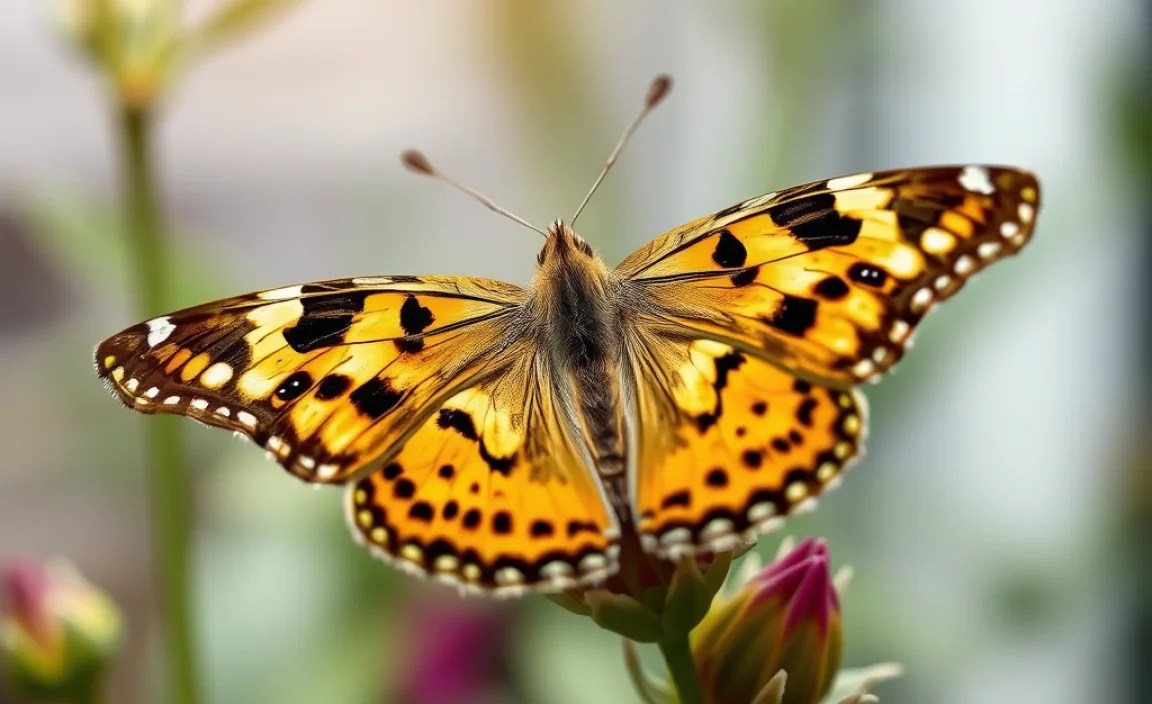
The Painted Lady (Vanessa cardui) is a widely distributed butterfly, and it’s one of the most recognisable butterflies you’ll see in the UK. Knowing how to identify it is the first step to appreciating these incredible insects.
Key Features to Look For
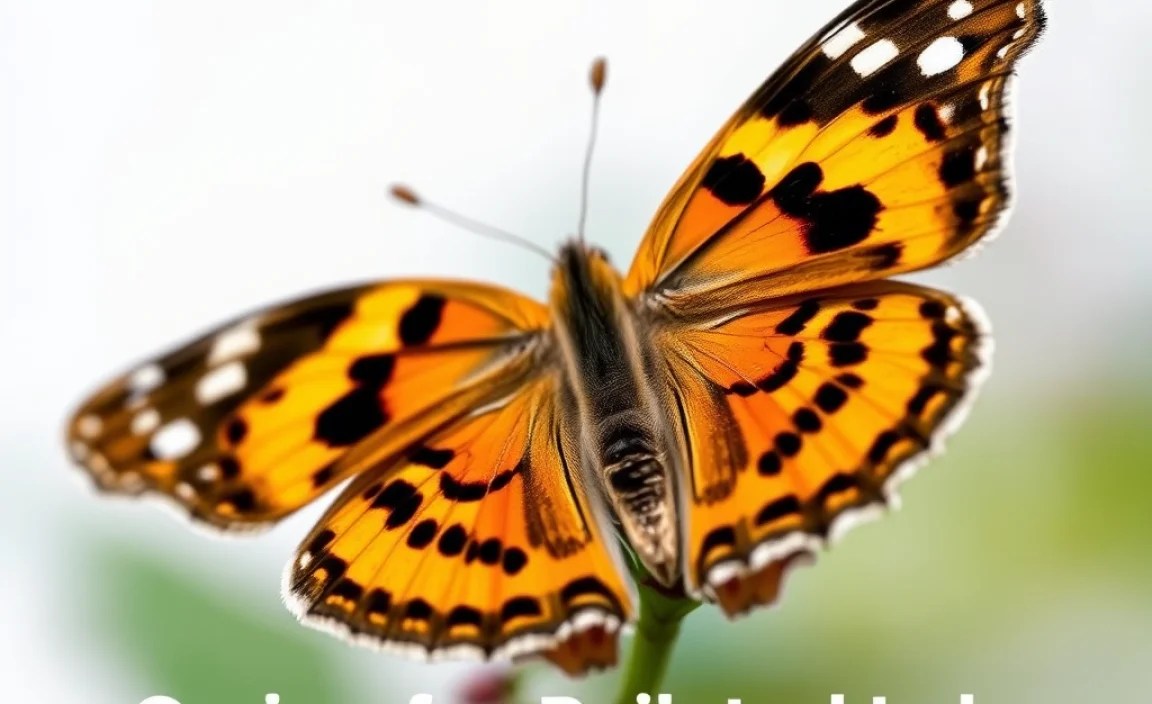
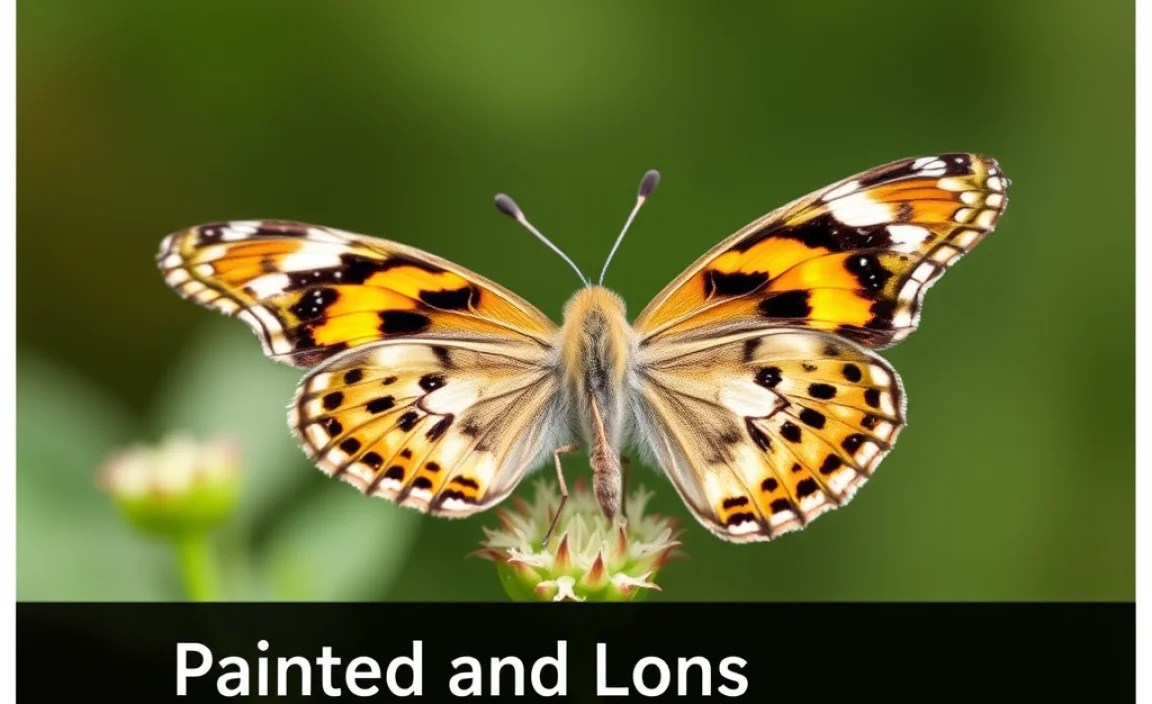
- Wing Pattern: The Painted Lady has a distinctive orange and brown pattern on its wings, with black spots and white markings. The forewings have a characteristic black tip with white spots.
- Size: They are medium-sized butterflies, with a wingspan of about 5-7 cm (2-2.8 inches).
- Underside: The underside of the wings is a mottled brown with subtle patterns, providing excellent camouflage.
Distinguishing from Similar Butterflies
Sometimes, the Painted Lady can be confused with other orange butterflies. Here’s how to tell them apart:
- Comma Butterfly: The Comma has a more ragged wing edge and a small white “comma” marking on the underside of its wings.
- Small Tortoiseshell: This butterfly has blue spots along the edge of its wings, which the Painted Lady lacks.
- Red Admiral: The Red Admiral has prominent red bands on its wings and is generally darker in colour.
Life Cycle Stages
Understanding the life cycle of the Painted Lady can help you identify them at different stages:
- Eggs: Tiny, greenish eggs laid singly on host plants like thistles.
- Caterpillar: The caterpillar is spiky and varies in colour from dark brown to black, often with yellow stripes.
- Pupa (Chrysalis): The pupa is usually mottled brown or grey and hangs upside down from a plant stem.
- Adult Butterfly: The fully formed butterfly emerges from the pupa, ready to fly and reproduce.
The Amazing Migration of Painted Ladies

One of the most fascinating aspects of the Painted Lady is its incredible migratory behaviour. These butterflies undertake long journeys to reach the UK each year.
Where Do They Come From?
Painted Ladies migrate to the UK from North Africa, the Middle East, and even Central Asia. They travel thousands of miles to reach our shores.
Migration Patterns and Timing
- Spring Arrival: The first Painted Ladies usually arrive in the UK in late spring or early summer (May-June).
- Breeding: Once here, they breed and lay eggs on host plants.
- Subsequent Generations: The offspring of these migrants then continue the cycle, with multiple generations emerging throughout the summer.
- Return Journey: While some Painted Ladies attempt to migrate south in the autumn, most do not survive the winter in the UK’s cold climate.
Factors Influencing Migration
Several factors influence the success of Painted Lady migrations:
- Weather Conditions: Favourable winds and warm temperatures aid their journey.
- Food Availability: An abundance of nectar sources and host plants is crucial for their survival and breeding.
- Climate Change: Changing climate patterns can affect their migration routes and timing.
Attracting Painted Ladies to Your Garden

Want to see more Painted Ladies in your garden? Here’s how to create a butterfly-friendly habitat:
Planting the Right Flowers
Nectar-rich flowers are essential for feeding adult Painted Ladies. Some excellent choices include:
- Buddleja (Butterfly Bush): A classic choice that attracts many butterflies.
- Thistles: A favourite nectar source for Painted Ladies.
- Lavender: Provides nectar and a lovely fragrance.
- Sedum (Stonecrop): Late-blooming flowers that offer nectar in the autumn.
- Echinacea (Coneflower): A beautiful and beneficial addition to any garden.
- Marigolds: Cheerful and easy-to-grow nectar source.
Providing Host Plants for Caterpillars
To support the entire life cycle of the Painted Lady, provide host plants for their caterpillars:
- Thistles: A primary food source for Painted Lady caterpillars.
- Mallows: Another excellent host plant.
- Nettles: Although often seen as weeds, nettles are great for many butterfly species.
Creating a Butterfly-Friendly Environment
Here are some additional tips for making your garden attractive to Painted Ladies:
- Sunny Spots: Butterflies need sunlight to warm their bodies.
- Shelter: Provide shelter from wind and rain with shrubs and trees.
- Water Source: A shallow dish of water with pebbles for butterflies to land on.
- Avoid Pesticides: Pesticides can harm or kill butterflies and other beneficial insects.
Caring for Painted Lady Caterpillars
If you find Painted Lady caterpillars in your garden, here’s how to care for them:
Identifying Painted Lady Caterpillars
Painted Lady caterpillars are spiky and vary in colour from dark brown to black, often with yellow stripes. They are usually found on their host plants, such as thistles.
Providing Food and Shelter
- Leave Them on Host Plants: The best thing to do is to leave the caterpillars on their host plants, ensuring they have a continuous food supply.
- Protect from Predators: If necessary, you can protect the caterpillars from predators by covering the host plant with netting.
- Avoid Handling: Handle caterpillars as little as possible to avoid causing them stress or harm.
Observing the Chrysalis Stage
Once the caterpillar is ready to pupate, it will form a chrysalis (pupa). The chrysalis is usually mottled brown or grey and hangs upside down from a plant stem.
- Leave the Chrysalis Undisturbed: Do not move or disturb the chrysalis, as this can damage the developing butterfly.
- Monitor for Emergence: Keep an eye on the chrysalis, and you may be lucky enough to witness the butterfly emerging.
Threats and Conservation
Like many butterfly species, Painted Ladies face several threats. Understanding these challenges can help us take action to protect them.
Habitat Loss
The loss of suitable habitats, such as wildflower meadows and grasslands, reduces the availability of food and breeding sites for Painted Ladies.
Pesticide Use
Pesticides can directly harm or kill butterflies and caterpillars, as well as reduce the availability of host plants and nectar sources.
Climate Change
Changing climate patterns can disrupt migration routes, alter the timing of breeding cycles, and increase the frequency of extreme weather events, all of which can negatively impact Painted Lady populations.
Conservation Efforts
Here are some ways you can help conserve Painted Ladies:
- Create Butterfly-Friendly Habitats: Plant nectar-rich flowers and host plants in your garden.
- Avoid Pesticides: Use organic gardening methods to protect butterflies and other beneficial insects.
- Support Conservation Organisations: Donate to or volunteer with organisations that work to protect butterfly habitats.
- Raise Awareness: Educate others about the importance of butterfly conservation.
Painted Lady in Culture and Symbolism
Butterflies, including the Painted Lady, have long held cultural and symbolic significance.
Symbolism of Transformation
Butterflies are often seen as symbols of transformation, change, and rebirth, reflecting their incredible metamorphosis from caterpillar to butterfly.
Cultural Significance
In many cultures, butterflies are associated with the soul, spirit, and afterlife. They are often seen as messengers or symbols of hope and renewal.
Art and Literature
Butterflies have inspired countless works of art, literature, and music, representing beauty, fragility, and the fleeting nature of life.
Observing and Recording Painted Lady Sightings
Contributing to citizen science projects can help monitor Painted Lady populations and track their migration patterns.
Citizen Science Projects
There are many citizen science projects that you can participate in to help monitor Painted Lady populations:
- Butterfly Conservation: Record your butterfly sightings and contribute to national monitoring schemes.
- iNaturalist: Share your photos and observations of Painted Ladies and other wildlife.
- Local Wildlife Trusts: Get involved in local conservation projects and surveys.
How to Record Sightings
When recording your sightings, be sure to note the following information:
- Date and Time: When you saw the butterfly.
- Location: Where you saw the butterfly (be as specific as possible).
- Number of Butterflies: How many Painted Ladies you observed.
- Behaviour: What the butterflies were doing (e.g., feeding, flying, mating).
- Habitat: The type of habitat where you saw the butterflies (e.g., garden, meadow, woodland).
Tools for Identification and Recording
Use these tools to help you identify and record your sightings:
- Butterfly Identification Guides: Field guides and online resources can help you identify different butterfly species.
- Smartphone Apps: Apps like iNaturalist and Butterfly ID can assist with identification and recording.
- Notebook and Pen: A simple way to record your observations in the field.
Frequently Asked Questions (FAQ)
What do Painted Lady caterpillars eat?
Painted Lady caterpillars primarily eat the leaves of thistles, but they also feed on mallows and nettles.
How long do Painted Lady butterflies live?
The lifespan of a Painted Lady butterfly is relatively short, typically only a few weeks as adults.
Are Painted Lady butterflies native to the UK?
Painted Lady butterflies are not native to the UK but are migratory visitors, arriving each year from North Africa, the Middle East, and Central Asia.
How can I tell the difference between a male and female Painted Lady?
It can be difficult to distinguish between male and female Painted Ladies. Generally, females tend to be slightly larger and have rounder abdomens.
When is the best time to see Painted Lady butterflies in the UK?
The best time to see Painted Lady butterflies in the UK is usually from late spring to late summer (May to September), when they are most active.
Do Painted Lady butterflies hibernate?
Painted Lady butterflies do not hibernate in the UK. They migrate to warmer climates or die off in the winter.
Why are Painted Lady butterflies important?
Painted Lady butterflies play an important role in the ecosystem as pollinators, helping to fertilise plants. They are also a food source for birds and other animals.
Resources for Further Learning
Want to delve deeper into the world of Painted Lady butterflies? Here are some resources for further learning:
| Resource Type | Description | Link |
|---|---|---|
| Butterfly Conservation Website | Information on butterfly identification, conservation, and recording sightings. | Butterfly Conservation |
| RSPB Website | Details on attracting butterflies to your garden. | RSPB |
| Books on Butterflies | Field guides and comprehensive books on butterfly biology and identification. | Search online bookstores or libraries. |
| Local Wildlife Trusts | Information on local butterfly habitats and conservation projects. | Search online for your local Wildlife Trust. |
Conclusion
The Painted Lady butterfly is a remarkable insect, captivating us with its beauty and inspiring us with its incredible migratory journey. By understanding its life cycle, providing suitable habitats, and supporting conservation efforts, we can help ensure that these lovely butterflies continue to grace our gardens and landscapes for generations to come. So, get outside, explore your local environment, and keep an eye out for these amazing travellers. Every small action counts towards protecting these delicate creatures and the ecosystems they inhabit. Happy butterfly watching!


