
Painted Lady Butterfly Population Trends: Secret Revealed

Have you ever seen a flash of orange in your garden? It might be a painted lady butterfly! These butterflies are all over the world. But do you know if there are more or fewer of them now than before? Understanding painted lady butterfly population trends can help us protect them.
These butterflies travel very far. They go from place to place to find food. Sometimes, many of them are in one spot. Other times, they are harder to find. So, how do scientists keep track of them? What makes their numbers go up and down? Let’s find out about these amazing insects!
Key Takeaways
- Painted lady butterfly population trends change a lot from year to year.
- Weather and food are very important for these butterflies.
- Scientists use surveys to count how many they see.
- These butterflies can fly thousands of miles.
- We can help them by planting flowers they like.
Understanding Painted Lady Butterfly Population Trends

Have you ever wondered why some years you see lots of butterflies and other years you don’t? It’s not just your imagination! The numbers of painted lady butterflies can change a lot. Scientists call these changes population trends. They study these trends to learn about the butterflies. They want to know what helps them thrive. They also want to know what hurts them. Many things can affect how many butterflies there are. Weather is a big one. If it’s too hot or too cold, butterflies might not do well. Food is also important. Butterflies need certain plants to eat. If those plants are not around, the butterflies will struggle. Painted lady butterfly population trends also depend on where the butterflies are. These butterflies move around a lot. They might be in one place one year and somewhere else the next!
- Weather affects butterfly numbers.
- Food is very important for them.
- Scientists study these trends.
- Butterflies move to find food.
- Some years have more butterflies.
It’s important to understand painted lady butterfly population trends. This helps us protect them. If we know what they need, we can help them. We can plant the right kinds of flowers. We can also protect their habitats. Habitats are the places where they live. By understanding these trends, we can make sure painted lady butterflies are around for a long time. These butterflies are a beautiful part of nature. We want to keep them around for everyone to enjoy. They also help our gardens by pollinating flowers. So, helping them helps us too!
Fun Fact or Stat: Painted lady butterflies can fly up to 100 miles in a single day during migration!
How Weather Impacts Butterfly Numbers
Imagine you are a tiny butterfly. The sun is very hot. It’s hard to find water. This is what it can be like for painted lady butterflies in a drought. Weather plays a huge role in their lives. Warm weather helps them grow and move around. But too much heat can be bad. Cold weather can also hurt them. Butterflies can’t fly if it’s too cold. Rain is important too. They need water to survive. But too much rain can wash away their eggs. So, the painted lady butterfly population trends often reflect the weather patterns of a region. Scientists watch the weather to understand why there are more or fewer butterflies in a year. They look at temperature, rain, and even wind. All of these things can affect the butterflies.
The Role of Food Sources
Have you ever been really hungry? Butterflies get hungry too! They need food to fly and lay eggs. Painted lady butterflies eat nectar from flowers. They like thistles and other wildflowers. If there are not enough flowers, they can’t survive. The availability of food directly impacts painted lady butterfly population trends. Farmers sometimes spray pesticides on their crops. These pesticides can kill the flowers that butterflies need. This can make it hard for them to find food. That’s why it is important to protect wildflowers and plant butterfly-friendly gardens. By providing them with enough food, we can help these beautiful creatures thrive.
Tracking Butterfly Migrations
Painted lady butterflies are amazing travelers. They can fly thousands of miles! They move from place to place to find food and good weather. This journey is called migration. Scientists use different ways to track them. They put tiny tags on their wings. They also use radar to see where they are flying. Tracking these migrations helps us understand painted lady butterfly population trends. If we know where they go, we can protect those areas. We can make sure they have food and safe places to rest along the way. It’s like giving them a helping hand on their long trip!
Factors Affecting Painted Lady Butterfly Trends
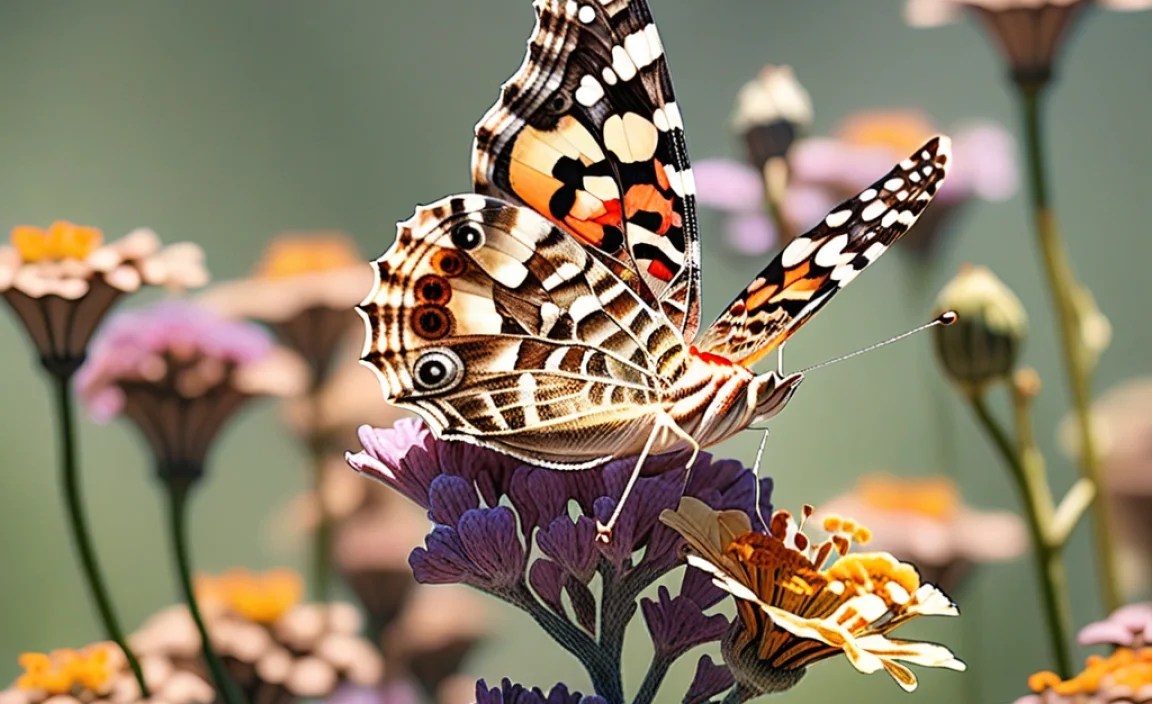
Many things affect painted lady butterfly population trends. Some of these things are natural. Others are caused by humans. Natural factors include weather, disease, and predators. Weather can be a big problem, as discussed earlier. Diseases can also spread quickly among butterflies. Predators like birds and spiders eat butterflies. Human activities can also have a big impact. Pesticides can kill butterflies and their food. Habitat loss is another problem. When we cut down forests or build houses, we take away the places where butterflies live. Pollution can also hurt them. By understanding all these factors, we can better protect painted lady butterfly populations.
- Weather can affect butterflies.
- Diseases can spread quickly.
- Predators eat butterflies.
- Pesticides can kill them.
- Habitat loss is a big problem.
- Pollution can also hurt them.
It’s not just about knowing the problems. It’s also about finding solutions. We can use fewer pesticides. We can protect natural habitats. We can also plant more flowers that butterflies like. Even small actions can make a big difference. Imagine if everyone planted just one butterfly-friendly plant. That would create a lot of food for them! By working together, we can help painted lady butterflies thrive. These beautiful insects are important for our environment. They help pollinate flowers and keep our ecosystems healthy. Let’s do our part to protect them.
Fun Fact or Stat: A female painted lady butterfly can lay up to 500 eggs in her lifetime!
The Impact of Habitat Loss
Imagine your home is gone. You have nowhere to sleep or eat. This is what happens to butterflies when their habitat is lost. Habitat loss is a big threat to painted lady butterfly population trends. When forests are cut down or fields are paved over, butterflies lose their homes. They also lose their food sources. Habitat loss can happen for many reasons. Sometimes it’s for farming. Other times it’s for building houses or roads. It’s important to protect the places where butterflies live. We can do this by creating parks and nature reserves. We can also encourage people to plant butterfly-friendly gardens in their own yards. Every little bit helps!
Pesticide Use and Butterfly Health
Pesticides are chemicals used to kill bugs. But they can also harm butterflies. When butterflies eat plants that have been sprayed with pesticides, they can get sick or die. This is a big problem for painted lady butterfly population trends. Even if the pesticides don’t kill them right away, they can weaken them. This makes them more likely to get sick or be eaten by predators. We can help by using fewer pesticides. There are other ways to control pests. We can also buy food from farmers who don’t use pesticides. This helps protect butterflies and other important insects.
Natural Predators and Disease
Butterflies have natural enemies. Birds, spiders, and other insects eat them. This is part of the natural food chain. But sometimes, too many predators can hurt painted lady butterfly population trends. Diseases can also spread quickly among butterflies. These diseases can weaken them or kill them. Just like people, butterflies can get sick. Scientists study these diseases to understand how they affect butterfly populations. They also look for ways to help butterflies stay healthy. By understanding these natural challenges, we can better protect these beautiful creatures.
Studying Painted Lady Butterfly Migrations

Painted lady butterflies are famous for their long journeys. They migrate thousands of miles each year. Scientists study these migrations to learn more about them. They want to know where they go, why they go there, and how they get there. Understanding migration patterns helps us understand painted lady butterfly population trends. Scientists use different tools to track the butterflies. They put tiny tags on their wings. They also use radar to follow them. This helps them see where the butterflies are flying. They also study the weather patterns. This helps them understand why the butterflies are moving.
- Butterflies migrate long distances.
- Scientists track their movements.
- Tags help track individual butterflies.
- Radar helps follow large groups.
- Weather affects their migrations.
Learning about butterfly migrations is important for protecting them. If we know where they go, we can protect those areas. We can make sure they have food and safe places to rest. We can also work to reduce threats along their migration routes. This could include reducing pesticide use or protecting habitats. By understanding their migrations, we can help ensure that painted lady butterflies continue to thrive. These amazing journeys are a testament to their resilience. Let’s do our part to help them continue their travels.
Fun Fact or Stat: Painted lady butterflies migrate across multiple generations, meaning the butterflies that start the journey are not the same ones that finish it!
Tagging and Tracking Butterflies
Have you ever seen a butterfly with a tiny sticker on its wing? That’s a tag! Scientists use tags to track butterflies. The tags are very light. They don’t hurt the butterflies. Each tag has a number on it. This number helps scientists identify the butterfly. When someone sees a tagged butterfly, they can report it. This helps scientists learn where the butterfly has been. Tagging is a useful way to study painted lady butterfly population trends and migration patterns. It helps us understand where they go and how they get there. It’s like giving each butterfly its own little passport!
Using Radar to Monitor Butterfly Flights
Radar is a tool that uses radio waves to detect objects. Scientists use radar to track large groups of butterflies. Radar can see butterflies even when it’s cloudy or dark. This is very helpful for studying their migrations. Radar helps us understand how many butterflies are flying at once. It also helps us see where they are going. This information is important for understanding painted lady butterfly population trends. By using radar, scientists can get a big picture of butterfly movements.
Analyzing Weather Patterns and Migration
Weather plays a big role in butterfly migrations. Wind, temperature, and rain can all affect where butterflies fly. Scientists study weather patterns to understand why butterflies migrate. They look at the wind direction. They also look at the temperature. They want to see if there is a connection between the weather and butterfly movements. Understanding this connection helps us predict painted lady butterfly population trends. If we know what kind of weather butterflies like, we can better protect them. It’s like being a butterfly weather forecaster!
The Role of Citizen Science in Butterfly Monitoring

You can be a scientist too! Citizen science involves regular people helping scientists with their research. There are many ways you can help monitor painted lady butterfly population trends. You can count butterflies in your backyard. You can report your sightings to online databases. You can also take pictures of butterflies and share them with scientists. This information helps scientists track butterfly populations. It also helps them understand how these populations are changing over time. Citizen science is a great way to get involved and make a difference. Anyone can participate, no matter their age or background. By working together, we can learn a lot about these amazing creatures.
| Citizen Science Activity | Description | Benefits |
|---|---|---|
| Butterfly Counts | Counting butterflies in a specific area. | Provides data on population size. |
| Reporting Sightings | Sharing butterfly sightings online. | Helps track migration patterns. |
| Photography | Taking pictures of butterflies. | Aids in identification and documentation. |
| Habitat Monitoring | Observing and recording habitat conditions. | Helps assess habitat quality. |
Citizen science not only helps scientists, but it also helps the people involved. It’s a fun way to learn about nature. It also helps people feel connected to their environment. By participating in citizen science projects, you can make a real difference in protecting painted lady butterflies. These butterflies are important for our ecosystems. They help pollinate flowers and provide food for other animals. Let’s all do our part to protect them. Together, we can make a big impact on the future of these beautiful insects.
Fun Fact or Stat: Citizen scientists contribute millions of hours of data collection each year, making a huge impact on scientific research!
How to Participate in Butterfly Counts
Butterfly counts are a great way to help scientists. You can count butterflies in your backyard, at a park, or anywhere else you see them. To participate, you’ll need a notebook and a pencil. You’ll also need a butterfly identification guide. This will help you identify the different kinds of butterflies you see. When you see a butterfly, write down what kind it is and how many you see. Then, report your findings to a citizen science organization. Your data will help scientists understand painted lady butterfly population trends. It’s a fun and easy way to make a difference!
Reporting Butterfly Sightings Online
Have you seen a painted lady butterfly lately? You can report your sighting online! There are many websites and apps that allow you to report butterfly sightings. These reports help scientists track butterfly populations. They also help them understand where butterflies are migrating. To report a sighting, you’ll need to know the date, time, and location where you saw the butterfly. You’ll also need to identify the butterfly. If you can, take a picture of the butterfly. This will help experts confirm your identification. Reporting your sightings is a simple way to contribute to painted lady butterfly research.
Sharing Butterfly Photos with Scientists
Do you love taking pictures of butterflies? You can share your photos with scientists! Many scientists use photos to study butterflies. Photos help them identify different species. They also help them track changes in butterfly populations. To share your photos, you can upload them to online databases. You can also share them on social media using a specific hashtag. Make sure to include the date, time, and location where you took the photo. Your photos could help scientists learn more about painted lady butterfly population trends. It’s a great way to combine your love of photography with your interest in science!
Conservation Efforts for Painted Lady Butterflies
Many people are working hard to protect painted lady butterflies. These butterflies face many threats, including habitat loss and pesticide use. Conservation efforts focus on addressing these threats. Some organizations work to protect butterfly habitats. They create parks and nature reserves where butterflies can thrive. Others work to reduce pesticide use. They promote organic farming and other sustainable practices. Individual actions can also make a big difference. Planting butterfly-friendly gardens is a great way to help. Educating others about the importance of butterflies is also important. By working together, we can help ensure that painted lady butterfly population trends remain healthy.
- Protect butterfly habitats.
- Reduce pesticide use.
- Plant butterfly-friendly gardens.
- Educate others about butterflies.
- Support conservation organizations.
Conserving painted lady butterflies is important for many reasons. These butterflies are a beautiful part of our natural world. They also play an important role in our ecosystems. They help pollinate flowers and provide food for other animals. By protecting them, we are also protecting the health of our planet. Every action, no matter how small, can make a difference. Let’s all do our part to help these amazing creatures thrive. They bring joy and beauty to our lives. Let’s ensure they continue to do so for generations to come.
Fun Fact or Stat: Many butterfly gardens are designed to provide food and shelter for butterflies throughout their entire life cycle!
Creating Butterfly-Friendly Gardens
Do you want to help painted lady butterflies? Plant a butterfly-friendly garden! This is a great way to provide them with food and shelter. To create a butterfly garden, you’ll need to choose the right plants. Butterflies like flowers that are bright and colorful. They also like flowers that have a lot of nectar. Some good choices include thistles, milkweed, and zinnias. You’ll also need to provide a water source for the butterflies. A shallow dish of water with some pebbles in it will work well. Avoid using pesticides in your garden. These can harm butterflies and other beneficial insects. A butterfly garden is a beautiful and rewarding way to help these amazing creatures.
Supporting Sustainable Farming Practices
Farming practices can have a big impact on painted lady butterfly population trends. Sustainable farming practices are better for butterflies and other wildlife. These practices include using fewer pesticides and protecting natural habitats. You can support sustainable farming by buying food from local farmers who use these practices. Look for organic produce and products that are labeled as butterfly-friendly. By supporting sustainable farming, you are helping to protect butterflies and the environment.
Educating Others About Butterfly Conservation
One of the best ways to help painted lady butterflies is to educate others about them. Tell your friends and family about the importance of butterflies. Share information about butterfly conservation on social media. You can also volunteer at a nature center or museum. These organizations often have programs about butterflies. By educating others, you can raise awareness about the threats that butterflies face. You can also inspire them to take action to protect these amazing creatures. Together, we can make a big difference for painted lady butterflies.
Future Outlook for Painted Lady Butterfly Populations
What does the future hold for painted lady butterfly population trends? Scientists are working hard to understand the factors that affect these populations. They are also developing strategies to protect them. The future outlook depends on many things. Climate change is a major concern. Changes in temperature and rainfall could affect butterfly habitats and food sources. Habitat loss and pesticide use also remain significant threats. However, there is also reason for hope. Conservation efforts are making a difference. More and more people are becoming aware of the importance of butterflies. By continuing to work together, we can help ensure a bright future for painted lady butterflies.
- Climate change is a concern.
- Habitat loss remains a threat.
- Pesticide use is still a problem.
- Conservation efforts are helping.
- Awareness is growing.
It’s important to remember that every action counts. Even small actions can make a big difference for painted lady butterflies. Plant a butterfly-friendly garden. Reduce your use of pesticides. Support sustainable farming practices. Educate others about the importance of butterflies. By working together, we can create a world where these amazing creatures thrive. The future of painted lady butterfly population trends is in our hands. Let’s choose to protect them for generations to come. They are a valuable part of our natural heritage. Let’s ensure they continue to bring joy and beauty to our world.
Fun Fact or Stat: Butterfly populations can be indicators of overall ecosystem health, making their conservation crucial for a healthy planet!
Addressing Climate Change Impacts
Climate change is a big challenge for painted lady butterflies. Changes in temperature and rainfall can affect their habitats and food sources. To address these impacts, we need to reduce our carbon footprint. This means using less energy and reducing pollution. We can do this by driving less, using public transportation, and conserving energy at home. We can also support policies that promote clean energy and reduce greenhouse gas emissions. By addressing climate change, we can help protect painted lady butterflies and other wildlife.
Mitigating Habitat Loss and Fragmentation
Habitat loss is a major threat to painted lady butterfly population trends. To mitigate this threat, we need to protect and restore butterfly habitats. This means creating parks and nature reserves. It also means connecting fragmented habitats. We can do this by planting corridors of vegetation that allow butterflies to move between different areas. We can also encourage landowners to manage their properties in a way that benefits butterflies. By mitigating habitat loss, we can help ensure that painted lady butterflies have the resources they need to survive.
Promoting Sustainable Practices
Sustainable practices are essential for protecting painted lady butterflies. This includes using fewer pesticides and supporting sustainable farming practices. It also includes reducing our consumption of resources and minimizing our impact on the environment. We can promote sustainable practices by making informed choices about the products we buy and the way we live our lives. We can also support businesses and organizations that are committed to sustainability. By promoting sustainable practices, we can help create a world where painted lady butterflies and other wildlife can thrive.
Summary
Painted lady butterfly population trends are influenced by many factors. Weather, food availability, habitat loss, and pesticide use all play a role. Scientists use various methods to study these trends. These include tagging, radar, and citizen science. Understanding these trends is essential for protecting these beautiful insects. Conservation efforts focus on protecting habitats, reducing pesticide use, and educating the public. Climate change also poses a threat to butterfly populations. Addressing this challenge requires reducing our carbon footprint and promoting sustainable practices.
Citizen scientists play a vital role in monitoring butterfly populations. By participating in butterfly counts and reporting sightings, they provide valuable data to scientists. Every action, no matter how small, can make a difference. Planting butterfly-friendly gardens and supporting sustainable farming are great ways to help. By working together, we can ensure that painted lady butterflies continue to thrive for generations to come. These amazing creatures are an important part of our natural heritage. Let’s protect them.
Conclusion
Painted lady butterflies are beautiful and important insects. They face many challenges, but we can help them. By understanding painted lady butterfly population trends, we can take action. We can protect their habitats and reduce threats. We can also educate others about their importance. Every effort counts. Let’s work together to ensure a bright future for these amazing creatures. They deserve our help and protection.
Frequently Asked Questions
Question No 1: What are painted lady butterflies?
Answer: Painted lady butterflies are a common type of butterfly. You can find them all over the world. They are known for their orange and brown wings with white spots. These butterflies are migratory. This means they travel long distances. They move to find food and good weather. They are also important pollinators. They help flowers make seeds. They do this by carrying pollen from one flower to another. So, they play a big role in our ecosystems. They are also beautiful to watch as they fly around our gardens and fields.
Question No 2: What affects painted lady butterfly population trends?
Answer: Many things affect how many painted lady butterflies there are. Weather is a big one. If it’s too hot, cold, or dry, butterflies can struggle. Food is also important. They need flowers to eat nectar. If there aren’t enough flowers, they won’t do well. Habitat loss is another problem. When we destroy their homes, they have nowhere to live. Pesticides can also hurt them. These chemicals can kill butterflies and their food. So, protecting their habitats and reducing pesticide use is important for keeping their populations healthy. Also, monitoring painted lady butterfly population trends helps scientists understand what is happening with these butterflies and how to help them.
Question No 3: How do scientists study butterfly populations?
Answer: Scientists use different ways to study butterfly populations. They count butterflies in certain areas. This helps them see if the numbers are going up or down. They also tag butterflies with tiny stickers. This helps them track where they go. They also use radar to follow large groups of butterflies. This helps them understand their migrations. Citizen scientists also help by reporting butterfly sightings. This gives scientists more data to work with. All of this information helps them understand painted lady butterfly population trends and how to protect them.
Question No 4: What can I do to help painted lady butterflies?
Answer: You can do many things to help painted lady butterflies! Plant butterfly-friendly flowers in your garden. This gives them food to eat. Avoid using pesticides. These chemicals can harm butterflies. Protect butterfly habitats. This means not destroying their homes. Educate others about butterflies. Tell your friends and family why they are important. Support organizations that protect butterflies. Even small actions can make a big difference. By working together, we can help ensure that painted lady butterfly population trends remain healthy and strong. We can all do our part to protect these amazing creatures.
Question No 5: Why are painted lady butterflies important?
Answer: Painted lady butterflies are important for several reasons. They are pollinators. This means they help flowers make seeds. They do this by carrying pollen from one flower to another. They are also part of the food chain. Birds and other animals eat them. They also add beauty to our world. Their colorful wings brighten up our gardens and fields. By protecting painted lady butterfly population trends, we are also protecting our environment. These butterflies are an important part of our ecosystem.
Question No 6: What is migration and how does it affect butterflies?
Answer: Migration is when animals move from one place to another. They do this to find food, better weather, or a place to breed. Painted lady butterflies are migratory. They travel long distances each year. This migration affects their populations. It can be hard for them to find food and safe places to rest along the way. Weather can also make their journey difficult. Understanding their migration patterns is important for protecting them. If we know where they go, we can protect those areas. We can also reduce threats along their migration routes. Studying migration is key to understanding painted lady butterfly population trends.


