
Crimson Rose Butterfly: Spotting Guide!

The Crimson Rose butterfly (Atrophaneura hector) is a striking butterfly with vibrant red markings on its hindwings, found in India and Sri Lanka. To attract them, cultivate host plants like Aristolochia vines. Protect them by supporting habitat preservation and avoiding pesticide use. Enjoy their beauty while contributing to their conservation!
Have you ever been captivated by a butterfly with wings that seem to hold the sunset? The Crimson Rose butterfly, with its bold red splashes against a velvety black backdrop, is a sight that truly takes your breath away. But these beauties are facing increasing threats, and understanding their needs is the first step to ensuring their survival.
This guide will walk you through everything you need to know about the Crimson Rose. We’ll explore their habitat, diet, and life cycle, and uncover what you can do to help protect these magnificent creatures. Get ready to embark on a journey into the world of the Crimson Rose!
What is the Crimson Rose Butterfly?

The Crimson Rose (Atrophaneura hector) is a swallowtail butterfly belonging to the Papilionidae family. Known for its striking appearance and intriguing life cycle, it’s a true jewel of the insect world. Let’s take a closer look at its characteristics:
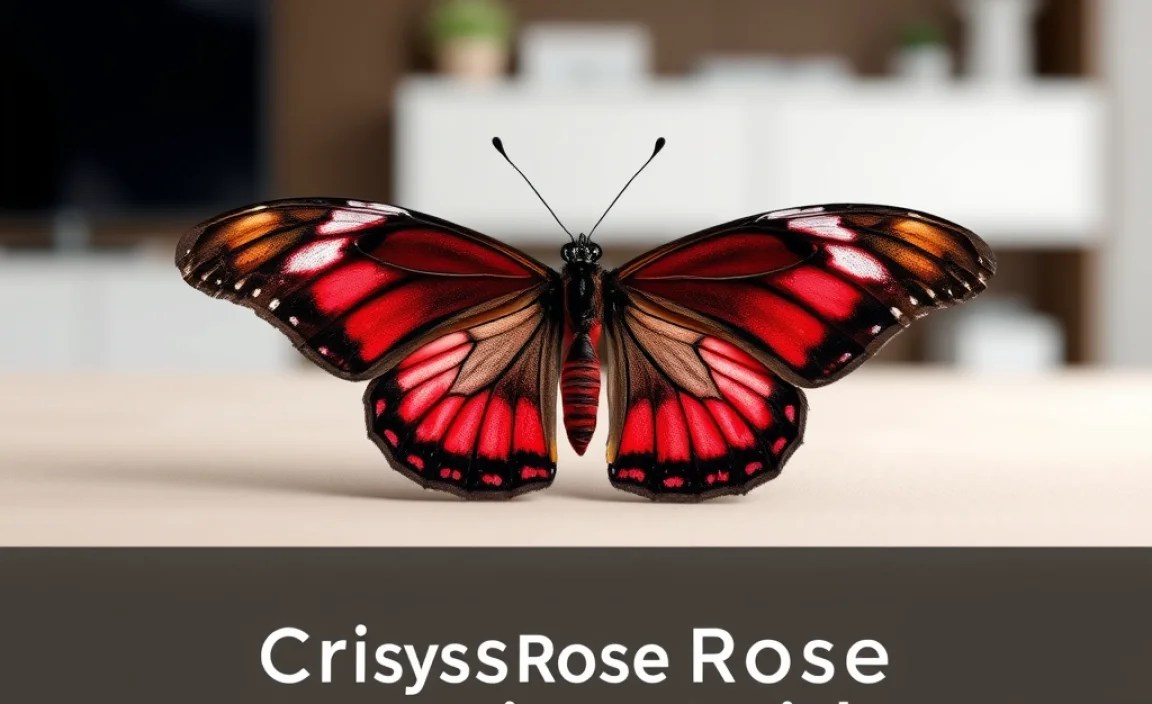
- Appearance: The Crimson Rose has black wings with prominent crimson-red markings on the hindwings. These red patches are a warning signal to potential predators.
- Size: It typically has a wingspan of 8 to 12 centimeters (3 to 5 inches).
- Habitat: These butterflies are commonly found in tropical and subtropical regions of India and Sri Lanka.
- Diet: As caterpillars, they feed on Aristolochia vines, which contain toxins that make them unpalatable to predators. Adult butterflies primarily feed on nectar from various flowering plants.
Identifying the Crimson Rose
Distinguishing the Crimson Rose from other butterflies can be easy if you know what to look for. Here are some key features:
- Wing Pattern: The combination of black wings with bright red patches on the hindwings is a distinctive trait.
- Body: The body is mostly black with red markings, matching the wings.
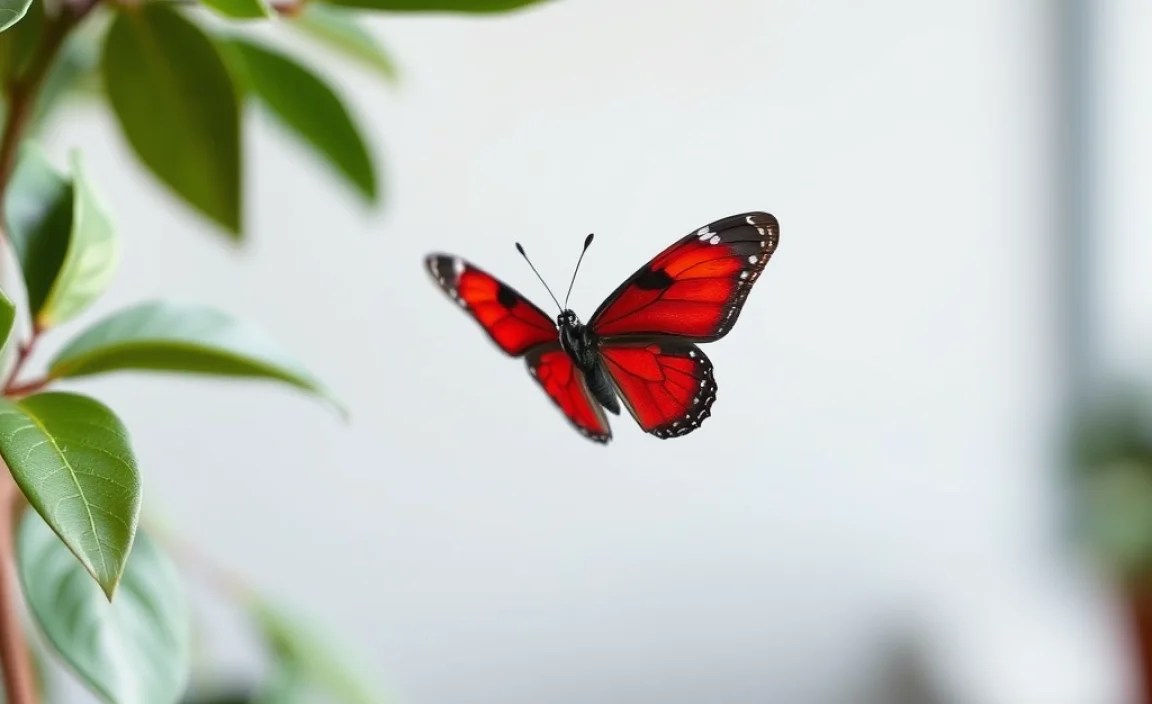
- Flight: They have a graceful, gliding flight pattern, making them a joy to watch in gardens and natural habitats.
Similar Species
While the Crimson Rose has a unique appearance, it’s helpful to know some similar species to avoid confusion:
- Common Rose (Pachliopta aristolochiae): This butterfly also has red markings but differs in the shape and distribution of the red patches. The Common Rose has more extensive red markings.
- Malabar Rose (Pachliopta pandiyana): Found in the Western Ghats of India, this species has similar coloration but with slightly different patterns and a more restricted range.
Life Cycle of the Crimson Rose

The life cycle of the Crimson Rose is a fascinating process, transforming from a tiny egg to a magnificent butterfly. Here’s a step-by-step look:
- Egg: The female Crimson Rose lays her eggs on Aristolochia vines, the host plant for the caterpillars. The eggs are small and round, often laid in clusters.
- Larva (Caterpillar): Once hatched, the caterpillar feeds voraciously on the Aristolochia leaves. The caterpillar is dark in color with fleshy protrusions. It sequesters toxins from the plant, making it unpalatable to predators.
- Pupa (Chrysalis): After several molts, the caterpillar transforms into a pupa or chrysalis. This stage lasts about two to three weeks, during which significant changes occur inside the pupal casing.
- Adult Butterfly: Finally, the adult butterfly emerges from the pupa. The wings are initially crumpled but soon expand and dry. The adult Crimson Rose is now ready to reproduce and continue the cycle.
Habitat and Distribution
Understanding where the Crimson Rose lives can help you appreciate its ecological role and conservation needs. They are primarily found in:
- Geographic Range: India and Sri Lanka, particularly in areas with tropical and subtropical climates.
- Preferred Habitats: Gardens, forests, and open woodlands where Aristolochia vines are abundant. They thrive in areas with plenty of flowering plants for nectar.
Habitat Table
| Region | Habitat Type | Key Characteristics |
|---|---|---|
| India | Tropical Forests | Warm climate, high humidity, abundance of Aristolochia plants. |
| Sri Lanka | Subtropical Woodlands | Moderate climate, varied vegetation, presence of flowering plants. |
| Gardens | Urban and Rural Areas | Cultivated areas with host plants and nectar sources. |
Diet and Host Plants
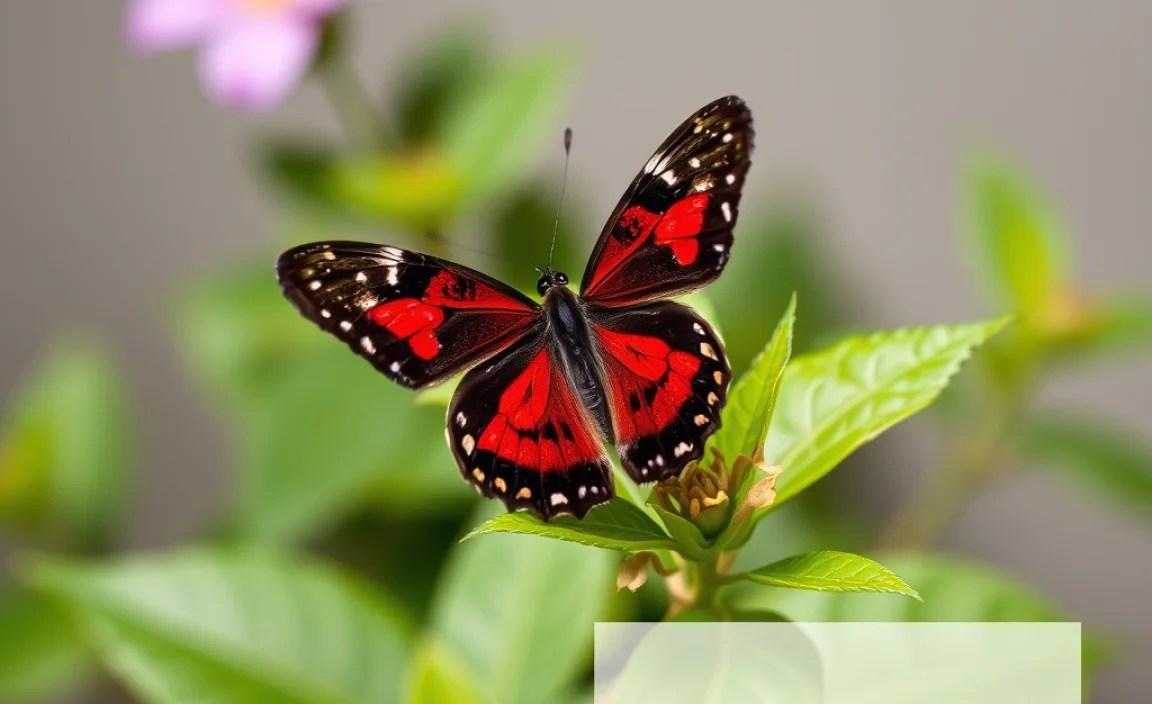
The Crimson Rose has specific dietary needs at different stages of its life. Caterpillars rely on Aristolochia vines, while adult butterflies feed on nectar.
Host Plants for Caterpillars
- Aristolochia Species: The primary host plants are various species of Aristolochia, also known as birthworts. These plants contain toxins that the caterpillars sequester for protection. Some common species include:
- Aristolochia indica
- Aristolochia bracteolata
Nectar Sources for Adult Butterflies
Adult Crimson Rose butterflies feed on nectar from a variety of flowering plants. Some favorites include:
- Lantana: Provides a rich source of nectar and attracts many butterfly species.
- Hibiscus: Offers large, colorful flowers with plenty of nectar.
- Ixora: A popular garden plant with clusters of small, nectar-rich flowers.
Attracting Crimson Rose Butterflies to Your Garden
If you’re passionate about butterflies, creating a garden that attracts Crimson Roses can be a rewarding experience. Here’s how to do it:
- Plant Host Plants: Include Aristolochia vines in your garden. Ensure they are well-supported and have room to grow.
- Provide Nectar Sources: Plant a variety of flowering plants that bloom at different times of the year to provide a continuous supply of nectar.
- Avoid Pesticides: Pesticides can harm or kill butterflies and caterpillars. Opt for organic gardening methods to protect them.
- Offer Water: Provide a shallow dish of water with pebbles or stones for butterflies to land on and drink.
- Provide Shelter: Plant shrubs and trees to offer shelter from wind and predators.
Conservation Status and Threats
The Crimson Rose, like many butterfly species, faces several threats that impact its population. Understanding these challenges is crucial for effective conservation efforts.
Conservation Status
The Crimson Rose is not currently listed as endangered, but its populations are vulnerable due to habitat loss and other factors. Continuous monitoring and conservation efforts are essential to ensure its survival.
Threats to the Crimson Rose
- Habitat Loss: Deforestation and urbanization reduce the availability of host plants and nectar sources.
- Pesticide Use: Pesticides can directly kill butterflies and caterpillars or contaminate their food sources.
- Climate Change: Changes in temperature and rainfall patterns can disrupt butterfly life cycles and alter their habitats.
- Collection: Over-collection for commercial purposes can impact local populations.
How to Help Protect Crimson Rose Butterflies
Everyone can play a role in protecting the Crimson Rose and other butterfly species. Here are some practical steps you can take:
- Create Butterfly-Friendly Gardens: Plant host plants and nectar sources in your garden.
- Support Habitat Conservation: Donate to organizations that protect and restore butterfly habitats.
- Educate Others: Share your knowledge and passion for butterflies with friends, family, and your community.
- Reduce Pesticide Use: Opt for organic gardening methods and avoid using pesticides in your garden and community.
- Advocate for Conservation Policies: Support policies that protect butterfly habitats and promote sustainable land use.
The Crimson Rose in Culture and Symbolism
Butterflies often hold symbolic meanings in various cultures, and the Crimson Rose is no exception. The striking color and graceful flight contribute to its cultural significance.
Symbolism
- Transformation: Like all butterflies, the Crimson Rose symbolizes transformation and rebirth. Its life cycle from egg to caterpillar to pupa to butterfly represents personal growth and change.
- Beauty: The vibrant red markings and elegant flight evoke beauty and grace. It serves as a reminder of the beauty in nature and the importance of preserving it.
- Warning: The red color also serves as a warning signal, representing protection and resilience.
Cultural Significance
In some cultures, butterflies are seen as messengers from the spirit world or symbols of good luck. The Crimson Rose, with its unique appearance, may hold special significance in local traditions and folklore.
Interesting Facts About the Crimson Rose
Delving into the unique aspects of the Crimson Rose can deepen your appreciation for this remarkable butterfly.
- Toxicity: As caterpillars, they ingest toxins from Aristolochia vines, making them unpalatable to predators. This is a form of self-defense.
- Warning Coloration: The bright red markings serve as a warning to potential predators, signaling that the butterfly is toxic and not safe to eat. This is known as aposematism.
- Flight Pattern: The Crimson Rose has a distinctive gliding flight pattern, which helps it conserve energy as it searches for nectar and mates.
Resources for Further Learning
To expand your knowledge about the Crimson Rose and butterfly conservation, here are some valuable resources:
- Books: “Butterflies of India” by Isaac Kehimkar provides detailed information and photographs of various butterfly species, including the Crimson Rose.
- Websites:
- The Xerces Society: Offers resources on butterfly conservation and habitat restoration.
- National Geographic: Features articles and documentaries on butterflies and other wildlife.
- Organizations:
- Butterfly Conservation Society: Works to protect butterflies and their habitats through research, advocacy, and education.
FAQ About Crimson Rose Butterflies
What do Crimson Rose caterpillars eat?
Crimson Rose caterpillars primarily feed on Aristolochia vines, also known as birthworts. These plants contain toxins that the caterpillars sequester for protection against predators.
Where can I find Crimson Rose butterflies?
Crimson Rose butterflies are commonly found in India and Sri Lanka, particularly in tropical and subtropical regions with abundant Aristolochia vines and flowering plants.
How can I attract Crimson Rose butterflies to my garden?
To attract Crimson Rose butterflies, plant Aristolochia vines for the caterpillars and a variety of nectar-rich flowering plants for the adults. Avoid using pesticides and provide a shallow dish of water.
Are Crimson Rose butterflies endangered?
While not currently listed as endangered, Crimson Rose populations are vulnerable due to habitat loss, pesticide use, and climate change. Conservation efforts are essential to protect them.
What is the significance of the red markings on the Crimson Rose?
The bright red markings serve as a warning signal to potential predators, indicating that the butterfly is toxic and not safe to eat. This is a form of aposematism.
How long does the Crimson Rose life cycle take?
The Crimson Rose life cycle, from egg to adult butterfly, typically takes about four to six weeks, depending on environmental conditions.
What role do Crimson Rose butterflies play in the ecosystem?
Crimson Rose butterflies play an important role as pollinators, helping to fertilize plants as they feed on nectar. They also serve as a food source for birds and other predators.
Conclusion
The Crimson Rose butterfly is more than just a beautiful insect; it’s a symbol of transformation, resilience, and the delicate balance of nature. By understanding its life cycle, habitat, and threats, we can all contribute to its conservation. Whether you’re planting Aristolochia vines in your garden, supporting conservation organizations, or simply spreading awareness, every action counts.
As you continue your journey exploring the natural world, remember the Crimson Rose and its vibrant message: protect our planet’s biodiversity, and let the beauty of nature inspire us to make a difference. Together, we can ensure that future generations will also be captivated by the sight of this magnificent butterfly.


