Comma Butterfly UK: Spotting Guide + Secret Habitats

Quick Summary: The Comma butterfly (Polygonia c-album) is a fascinating UK species known for its ragged wing edges and a distinctive white comma mark on the underside of its wings. These butterflies are widespread across England and Wales, favouring woodland edges and gardens. They have two or more broods per year and are known for their overwintering habits as adults. Attract them to your garden with nettles, elms, and sunny, sheltered spots!
Have you ever spotted a butterfly with uniquely jagged wings flitting through your garden? It might just be the Comma butterfly, a common sight in the UK. But identifying butterflies can sometimes feel like a puzzle. Don’t worry, you’re not alone! Many people find it tricky to tell different species apart. This guide will walk you through everything you need to know about the Comma butterfly, from its key features to how you can attract it to your own backyard. Let’s explore the world of this fascinating insect together!
What is a Comma Butterfly?
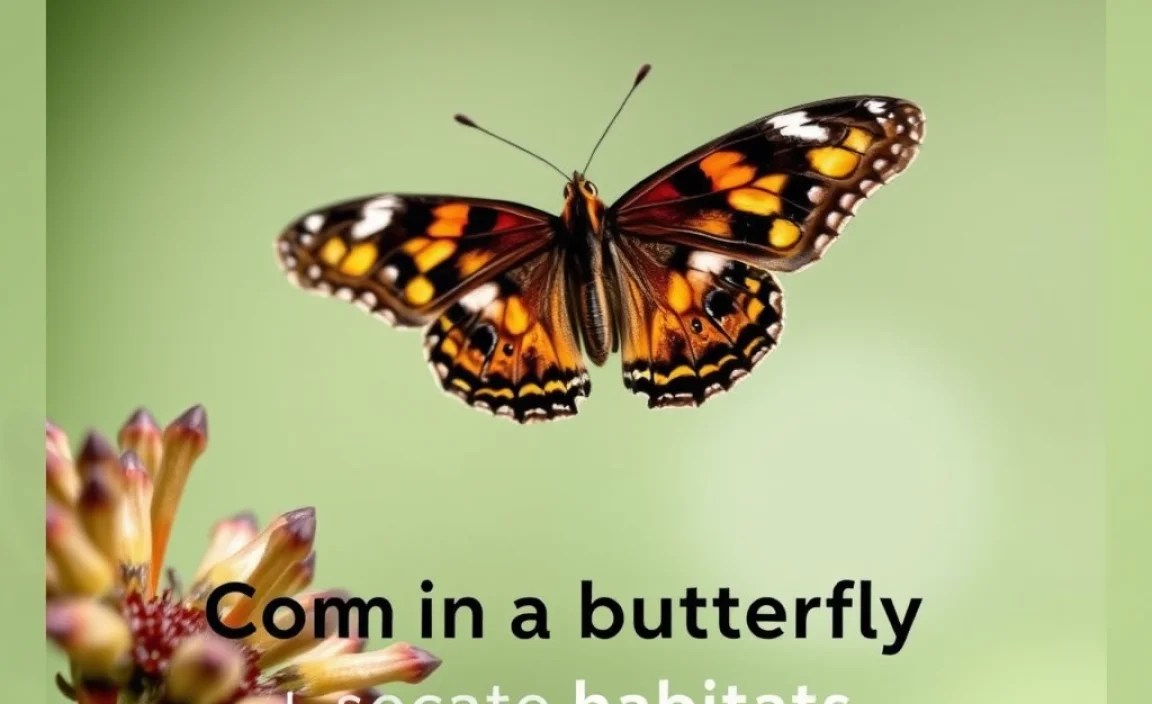
The Comma butterfly (Polygonia c-album) is a medium-sized butterfly belonging to the Nymphalidae family, also known as the brush-footed butterflies. It’s easily recognizable thanks to the distinct comma-shaped white mark on the underside of its hindwing. The Comma butterfly is a familiar sight across much of England and Wales and has been expanding its range in recent years.
Comma Butterfly Identification
Identifying the Comma butterfly is relatively straightforward thanks to its unique features. Here’s what to look for:
- Wing Shape: The wings have a very distinctive ragged or scalloped edge.
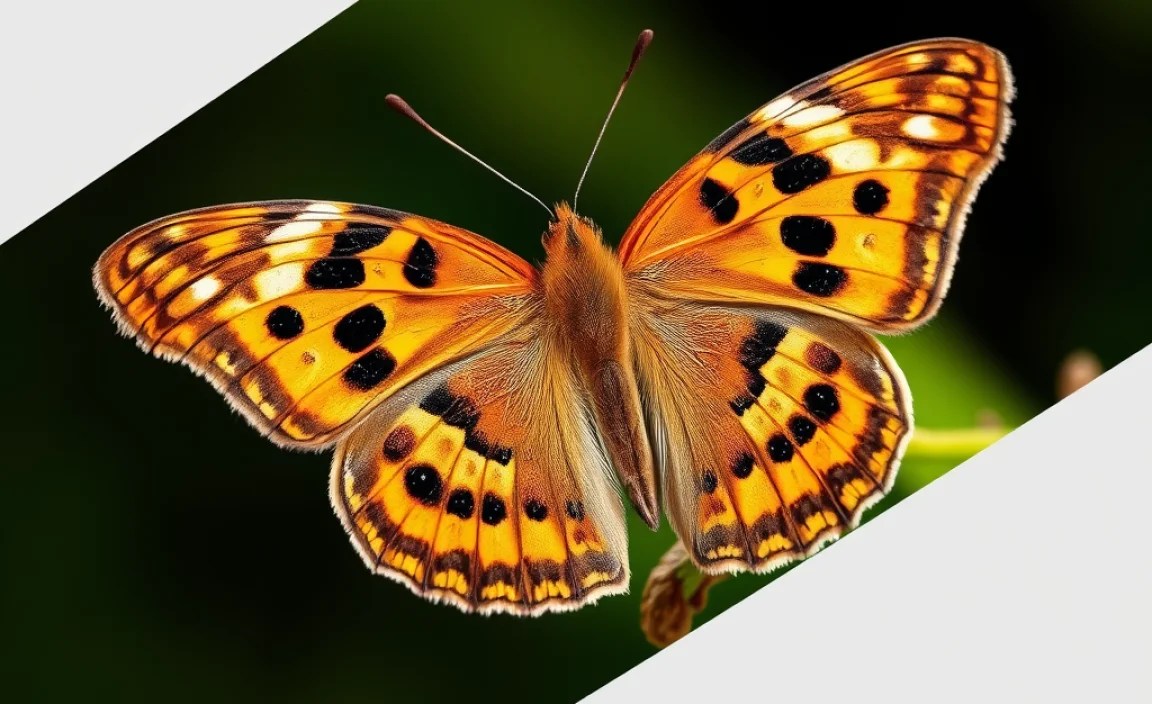
- Upperwing Colour: A bright orange-brown with dark brown or black markings.
- Underwing Pattern: Mottled brown, providing excellent camouflage when the butterfly is at rest.
- Comma Mark: A small, white, comma-shaped mark located in the center of the underside of the hindwing. This is the defining characteristic.
- Size: Wingspan typically ranges from 50 to 56mm.
Comma Butterfly Habitat
Comma butterflies prefer habitats with a mix of sunlight and shade, often found near:
- Woodland edges and clearings
- Hedgerows
- Gardens with suitable host plants
- Orchards
They need access to nectar sources and suitable host plants for their caterpillars, like nettles, elms, and hop. They are often seen basking in sunny spots, especially on tree trunks and leaves.
Comma Butterfly Life Cycle
Understanding the life cycle of the Comma butterfly can help you appreciate its presence in your garden and support its conservation.
- Eggs: The female Comma lays single, barrel-shaped, pale green eggs on the leaves of host plants.
- Caterpillars: The caterpillars are quite variable in appearance, often mimicking bird droppings for camouflage. They feed on the leaves of host plants. They can be brown, black, or even whitish.
- Pupa (Chrysalis): The chrysalis is angular and brownish, resembling a dead leaf. It hangs from the host plant.
- Adult Butterfly: The adult butterfly emerges from the chrysalis. They typically have two or more broods per year, with adults overwintering to start the cycle again in spring.
Attracting Comma Butterflies to Your Garden

Want to see more Comma butterflies in your garden? Here’s how you can create a butterfly-friendly habitat:
Plant Host Plants
Providing the right host plants is essential for Comma butterflies to breed. Here are some excellent choices:
- Nettles (Urtica dioica): A favorite of Comma caterpillars. Don’t worry, you don’t need to let nettles take over your entire garden. A small patch in a sunny, sheltered corner will do.
- Elms (Ulmus species): Especially wych elm.
- Hop (Humulus lupulus): A climbing plant that provides food for the caterpillars.
Provide Nectar Sources
Adult butterflies need nectar for energy. Plant a variety of nectar-rich flowers that bloom throughout the butterfly season:
- Buddlejas (Butterfly Bush): A classic butterfly magnet.
- Lavender (Lavandula): Provides nectar and a lovely fragrance.
- Sedum (Stonecrop): Late-blooming flowers that are great for autumn butterflies.
- Thistles (Cirsium and Carduus species): A valuable nectar source.
- Verbena (Verbena bonariensis): Tall and elegant, attracting many pollinators.
Create a Sunny, Sheltered Spot
Butterflies need warmth and shelter to thrive. Here’s how to create the perfect environment:
- Basking Spots: Place flat stones in sunny areas where butterflies can bask and warm up.
- Shelter: Plant shrubs and trees to provide shelter from wind and rain.
Avoid Pesticides
Pesticides can be harmful to butterflies and other beneficial insects. Choose organic gardening methods to protect your garden’s ecosystem.
Provide a Water Source
Butterflies also need water. A shallow dish with water and some pebbles for them to land on can be very helpful.
Comma Butterfly Distribution and Conservation
The Comma butterfly has an interesting distribution history in the UK. Understanding its current status and the factors affecting it can help us better support its conservation.
Historical Distribution
In the past, the Comma butterfly was mainly found in southern and central England. However, it has expanded its range significantly in recent decades and is now common in many parts of England and Wales. Its range is still expanding northwards into Scotland.
Factors Affecting Distribution
Several factors have contributed to the Comma butterfly’s changing distribution:
- Climate Change: Warmer temperatures have allowed the Comma butterfly to expand its range northward.
- Availability of Host Plants: The presence of suitable host plants, like nettles and elms, is crucial for the butterfly’s survival.
- Habitat Management: Conservation efforts aimed at creating and maintaining suitable habitats have helped the Comma butterfly thrive.
Conservation Status
The Comma butterfly is not currently considered a threatened species in the UK. However, it’s important to continue monitoring its population and protecting its habitat. Butterfly Conservation is one of the organizations that carries out this task (Butterfly Conservation).
How You Can Help
Here are some ways you can contribute to the conservation of Comma butterflies:
- Plant Host Plants: As mentioned earlier, providing host plants in your garden is one of the best ways to support Comma butterflies.
- Create a Butterfly-Friendly Garden: Follow the tips in the “Attracting Comma Butterflies to Your Garden” section to create a welcoming habitat.
- Support Conservation Organizations: Donate to or volunteer with organizations like Butterfly Conservation.
- Record Your Sightings: Report your Comma butterfly sightings to local butterfly recording schemes. This helps scientists monitor population trends and distribution.
Comma Butterfly Look-alikes
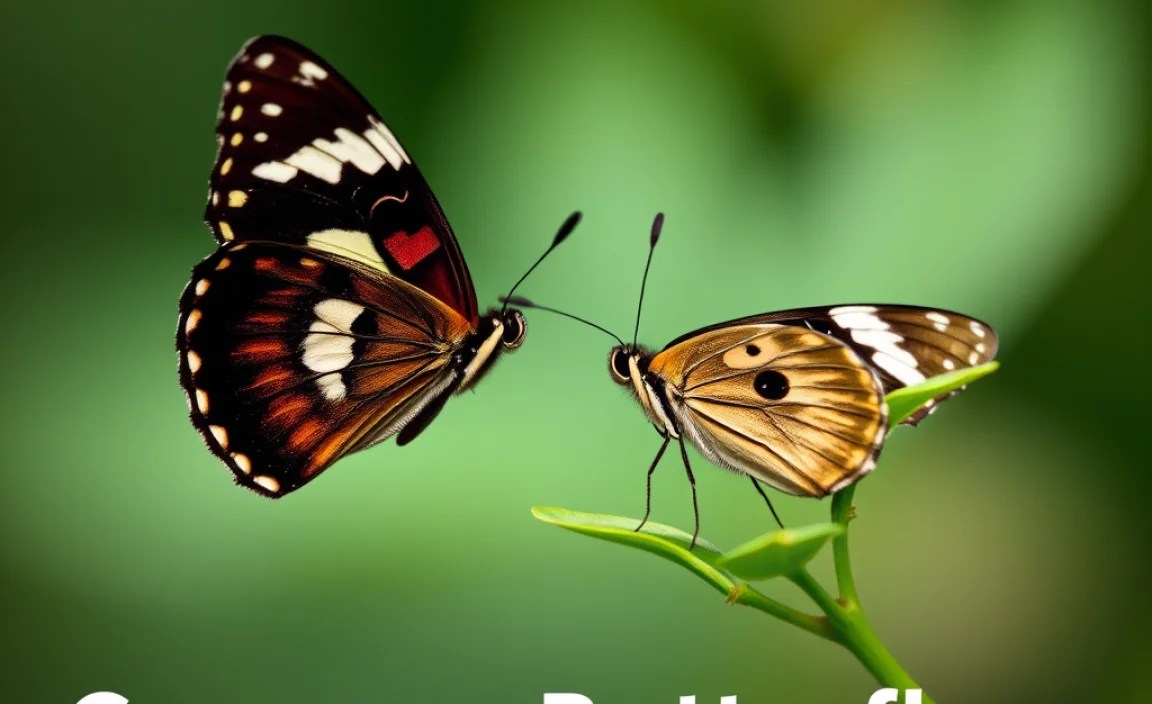
When trying to identify butterflies, it’s always a good idea to be aware of species that might look similar. Here are a couple of Comma butterfly look-alikes:
Comma vs. Small Tortoiseshell
While both butterflies are orange and black, there are some key differences:
| Feature | Comma Butterfly | Small Tortoiseshell |
|---|---|---|
| Wing Shape | Ragged edges | More rounded edges |
| Underwing | Mottled brown with a white comma | Darker with bright blue spots near the edges |
| Size | Slightly larger | Slightly smaller |
Comma vs. Painted Lady
The Painted Lady is another orange butterfly that you might encounter, but:
| Feature | Comma Butterfly | Painted Lady |
|---|---|---|
| Wing Shape | Ragged edges | More rounded edges |
| Upperwing Pattern | Bold dark markings | More intricate patterns with white spots |
| Underwing | Mottled brown with a white comma | Mottled brown, pink, and white with small eyespots |
Comma Butterfly: Symbolism and Cultural Significance

Butterflies, in general, hold significant symbolic meaning across many cultures. The Comma butterfly, with its unique appearance, is no exception.
Transformation and Change
Like all butterflies, the Comma butterfly symbolizes transformation and change, reflecting its remarkable metamorphosis from caterpillar to pupa to winged adult. This represents personal growth, renewal, and the ability to adapt to new circumstances.
Resilience
The Comma butterfly’s ability to overwinter as an adult demonstrates resilience and adaptability. It signifies the ability to endure hardship and emerge stronger.
Individuality
The unique comma-shaped mark on its wings can be seen as a symbol of individuality and standing out from the crowd. It encourages embracing one’s uniqueness and celebrating differences.
Camouflage and Deception
The Comma butterfly’s excellent camouflage, resembling a dead leaf when its wings are closed, can symbolize the power of illusion and the ability to blend in when necessary. This can represent adaptability and resourcefulness in challenging situations.
Frequently Asked Questions (FAQs)
What do Comma butterfly caterpillars eat?
Comma butterfly caterpillars primarily eat the leaves of nettles, elms (especially wych elm), and hop.
How can I tell a Comma butterfly from a Small Tortoiseshell?
Look at the wing edges. Commas have ragged edges, while Small Tortoiseshells have more rounded ones. Also, check the underwing pattern: Comma butterflies have a white comma mark, while Small Tortoiseshells have blue spots near the edges.
Where can I find Comma butterflies in the UK?
Comma butterflies are commonly found in England and Wales, especially in woodland edges, gardens, and hedgerows. Their range is expanding northward.
Do Comma butterflies migrate?
Comma butterflies are not known for long-distance migration like some other species. However, they do move locally to find suitable habitats and host plants.
How long do Comma butterflies live?
The lifespan of a Comma butterfly varies depending on the time of year. Adults that emerge in the summer may live for a few weeks, while those that overwinter can live for several months.
What is the white mark on the Comma butterfly’s wing?
The white mark is a distinctive comma-shaped marking on the underside of the hindwing. This feature gives the butterfly its name and makes it easy to identify.
Are Comma butterflies endangered in the UK?
No, Comma butterflies are not currently endangered in the UK. In fact, their population has been increasing and their range has been expanding in recent years.
Conclusion
The Comma butterfly is a delightful and easily recognizable species that adds beauty and interest to our gardens and woodlands. By understanding its key features, habitat preferences, and life cycle, you can not only identify it with confidence but also create a welcoming environment for it in your own backyard. Remember to plant host plants like nettles and elms, provide nectar sources, and avoid pesticides. With a little effort, you can contribute to the conservation of this fascinating butterfly and enjoy its presence for years to come. So, keep an eye out for those ragged wings and that distinctive white comma – you’ve now got the knowledge to appreciate this unique butterfly!