
Painted Lady Butterfly Emergence Process: Witness NOW

Have you ever seen a butterfly flutter by? It’s like magic! These colorful insects start as tiny eggs. They grow into caterpillars that munch on leaves. Then, something amazing happens! The caterpillar turns into a chrysalis. Inside, it changes into a beautiful butterfly. This change is called the {painted lady butterfly emergence process}.
The {painted lady butterfly emergence process} is truly special. It’s a journey of transformation. The butterfly waits patiently inside its shell. It needs just the right time to come out. When it does, it’s a brand new creature. Are you ready to learn more about this amazing transformation?
Imagine a caterpillar building a cozy home. But instead of a house, it makes a chrysalis. This hard shell protects the caterpillar inside. The {painted lady butterfly emergence process} begins. It is one of nature’s greatest wonders. Soon, a butterfly will emerge!
Butterflies are important for our world. They help flowers make seeds. This helps new plants grow. The {painted lady butterfly emergence process} ensures these butterflies keep coming. Let’s dive into the fascinating world of how a painted lady butterfly comes to life.
Key Takeaways
- The {painted lady butterfly emergence process} involves a complete change from caterpillar to butterfly.
- Painted lady butterflies start as eggs, then become caterpillars, and then pupae.
- The chrysalis protects the butterfly as it transforms inside.
- Temperature and humidity affect how quickly a butterfly emerges.
- Once emerged, butterflies need time to dry their wings before flying.
Understanding the Painted Lady Life Cycle
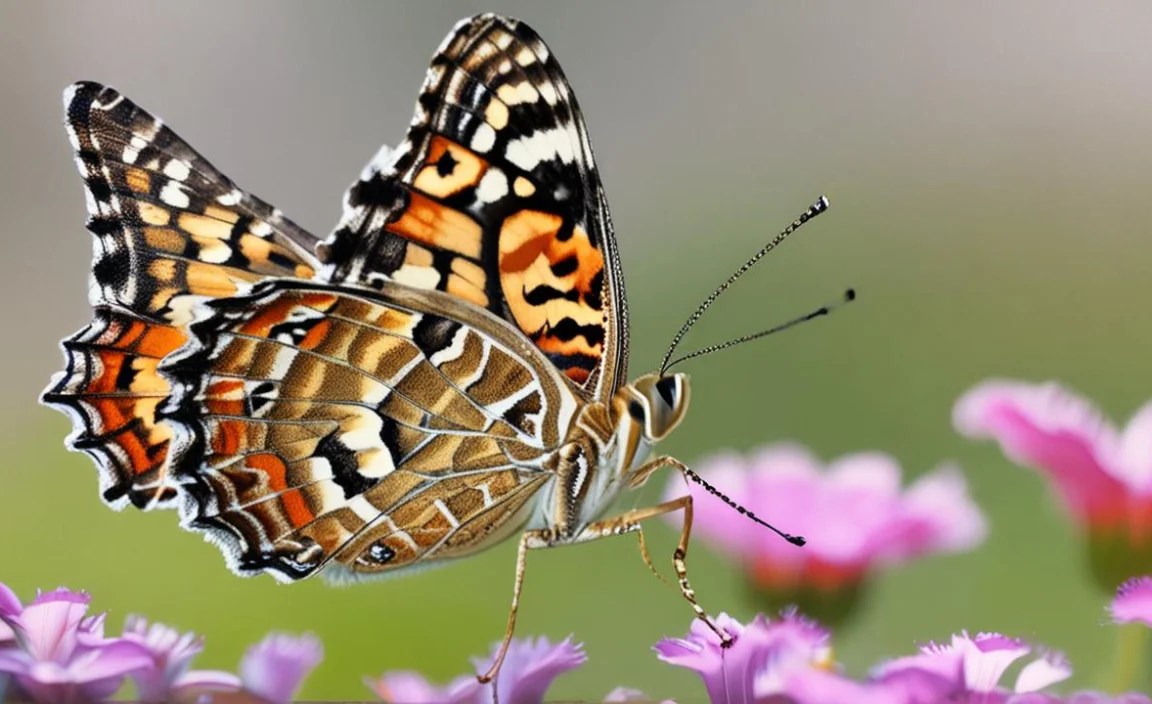
The painted lady butterfly life cycle is a wonder of nature. It all starts with a tiny egg. The mother butterfly lays her eggs on plants. These eggs hatch into larvae, also known as caterpillars. The caterpillar eats and grows. It sheds its skin several times as it gets bigger. After growing, the caterpillar forms a chrysalis. This is where the magic happens. Inside, the caterpillar transforms into a butterfly. This incredible change is the {painted lady butterfly emergence process}. It’s like a secret world inside the shell. Finally, the butterfly emerges, ready to fly and start the cycle again.
- Eggs are laid on host plants.
- Caterpillars eat and grow rapidly.
- The caterpillar sheds its skin multiple times.
- A chrysalis forms around the caterpillar.
- The butterfly emerges from the chrysalis.
The painted lady butterfly goes through four stages. These stages are egg, larva (caterpillar), pupa (chrysalis), and adult. Each stage is important for the butterfly’s survival. The caterpillar eats a lot to store energy. This energy is used during the {painted lady butterfly emergence process}. The chrysalis is a safe place for the butterfly to develop. When the time is right, the butterfly emerges. It flies off to find food and lay eggs. The cycle starts all over again. It is a beautiful process to observe.
What Do Painted Lady Caterpillars Eat?
Have you ever wondered what painted lady caterpillars eat? These little critters are very hungry. They munch on many different plants. Their favorite foods include thistles and mallows. They also like sunflowers and soybeans. Caterpillars need to eat a lot to grow. They store energy for their transformation. The food they eat helps them change into butterflies. Without enough food, they cannot complete the {painted lady butterfly emergence process}. So, these caterpillars are very important for the future butterflies.
How Long Does Each Stage Last?
The length of each stage varies. It depends on temperature and food. The egg stage lasts about a week. The caterpillar stage lasts for a few weeks. The chrysalis stage is also about a week or two. The adult butterfly lives for about two to four weeks. Warmer temperatures can speed up the process. Plenty of food helps the caterpillars grow faster. The {painted lady butterfly emergence process} is quicker in warmer conditions. It’s amazing how nature adapts to different environments.
What Happens Inside the Chrysalis?
Inside the chrysalis, a big change is happening. The caterpillar’s body breaks down. It turns into a soup of cells. These cells then rebuild into a butterfly. This is the most amazing part of the {painted lady butterfly emergence process}. New wings, legs, and eyes form. The butterfly is taking shape inside its shell. It’s like a magical transformation. When it’s ready, the butterfly will emerge. It will spread its wings and fly away.
Fun Fact or Stat: A painted lady butterfly can fly up to 100 miles in a single day during migration!
The Chrysalis Stage: A Time of Transformation

The chrysalis stage is very important. This is where the {painted lady butterfly emergence process} really takes place. The caterpillar forms a hard shell around itself. This shell is called a chrysalis. Inside, the caterpillar’s body changes completely. It breaks down and rebuilds. New structures form, like wings and antennae. This transformation takes about one to two weeks. The chrysalis protects the developing butterfly. It keeps it safe from harm. When the butterfly is ready, it emerges. It breaks free from the chrysalis. This stage is a crucial part of the butterfly’s life.
- The chrysalis provides protection.
- The caterpillar’s body breaks down.
- New structures like wings form.
- The process takes about one to two weeks.
- The butterfly emerges when ready.
Imagine the chrysalis as a tiny laboratory. Inside, amazing changes are happening. The {painted lady butterfly emergence process} is in full swing. The caterpillar’s old body is gone. New tissues and organs develop. This is like building a brand-new creature. The butterfly’s wings are folded up inside. Its legs and antennae are forming. All this happens inside the chrysalis. It’s a safe and protected environment. The butterfly needs this time to develop properly. Without it, it cannot survive. This stage is truly remarkable.
How Does the Chrysalis Form?
The chrysalis forms when the caterpillar is ready. It hangs upside down from a plant. It spins a silk pad to attach itself. Then, it sheds its skin one last time. This time, the skin hardens into a chrysalis. The {painted lady butterfly emergence process} is about to begin. The chrysalis can be green or brown. It blends in with the surroundings. This helps protect it from predators. The formation of the chrysalis is a sign of change.
What Does the Chrysalis Look Like?
The chrysalis of a painted lady butterfly is interesting. It is usually brown or gray. It has small bumps and ridges on the surface. These help it blend in with leaves and stems. The chrysalis is shaped like a teardrop. It hangs upside down from a silk thread. Inside, the {painted lady butterfly emergence process} is happening. You might see hints of the butterfly’s wings through the shell. It’s a beautiful and delicate structure.
Can the Chrysalis Move?
Yes, the chrysalis can move a little. It might wiggle or shake if disturbed. This movement is a defense mechanism. It can scare away predators. The {painted lady butterfly emergence process} is delicate. The movement helps protect the butterfly inside. The wiggling is not the butterfly moving. It’s the chrysalis itself reacting to touch or vibrations. This small movement can make a big difference.
Fun Fact or Stat: The chrysalis of a painted lady butterfly is usually less than an inch long!
Emergence: Breaking Free From the Chrysalis

The moment of emergence is exciting. The butterfly is ready to leave its chrysalis. It starts by cracking the shell open. This can take a while. The butterfly uses its legs and body to push. The {painted lady butterfly emergence process} is complete. But the butterfly is not quite ready to fly. Its wings are wet and crumpled. It needs to pump fluids into its wings. This makes them expand and dry. Once the wings are dry, the butterfly can fly. It takes to the air, ready to explore the world.
- The butterfly cracks open the chrysalis.
- It pushes its way out slowly.
- Wings are wet and crumpled at first.
- The butterfly pumps fluids into its wings.
- Wings expand and dry before flight.
Imagine the effort it takes for the butterfly to emerge. The {painted lady butterfly emergence process} is not easy. The chrysalis is like a tight container. The butterfly must break free on its own. It uses its legs to grip the shell. It wiggles and pushes until it cracks. Then, it slowly pulls itself out. This requires a lot of energy. The butterfly is exhausted after emerging. It needs time to rest and recover. Soon, it will be ready to fly.
How Long Does Emergence Take?
Emergence can take about an hour or two. It depends on the butterfly and the conditions. The {painted lady butterfly emergence process} requires patience. The butterfly needs time to break free. Rushing it can hurt the butterfly. It’s important to let nature take its course. Once out, the butterfly needs more time. It needs to dry its wings before flying. This can take another few hours.
What Do the Wings Look Like at First?
The wings look very different at first. They are small and crumpled. They are also wet and shiny. The butterfly pumps fluid into them. This fluid is called hemolymph. It makes the wings expand. The {painted lady butterfly emergence process} includes this wing expansion. The butterfly needs to stretch its wings fully. This allows them to dry properly. Only then can the butterfly fly.
What Happens if the Butterfly Can’t Emerge?
Sometimes, the butterfly cannot emerge properly. This can happen for several reasons. The chrysalis might be too dry. The butterfly might be weak or deformed. If the butterfly cannot emerge, it will die. The {painted lady butterfly emergence process} is delicate. It requires the right conditions. It is sad when a butterfly cannot complete its transformation. But it is a part of nature.
Fun Fact or Stat: A butterfly’s wings are covered in tiny scales that give them their color!
Wing Drying: Preparing for Flight
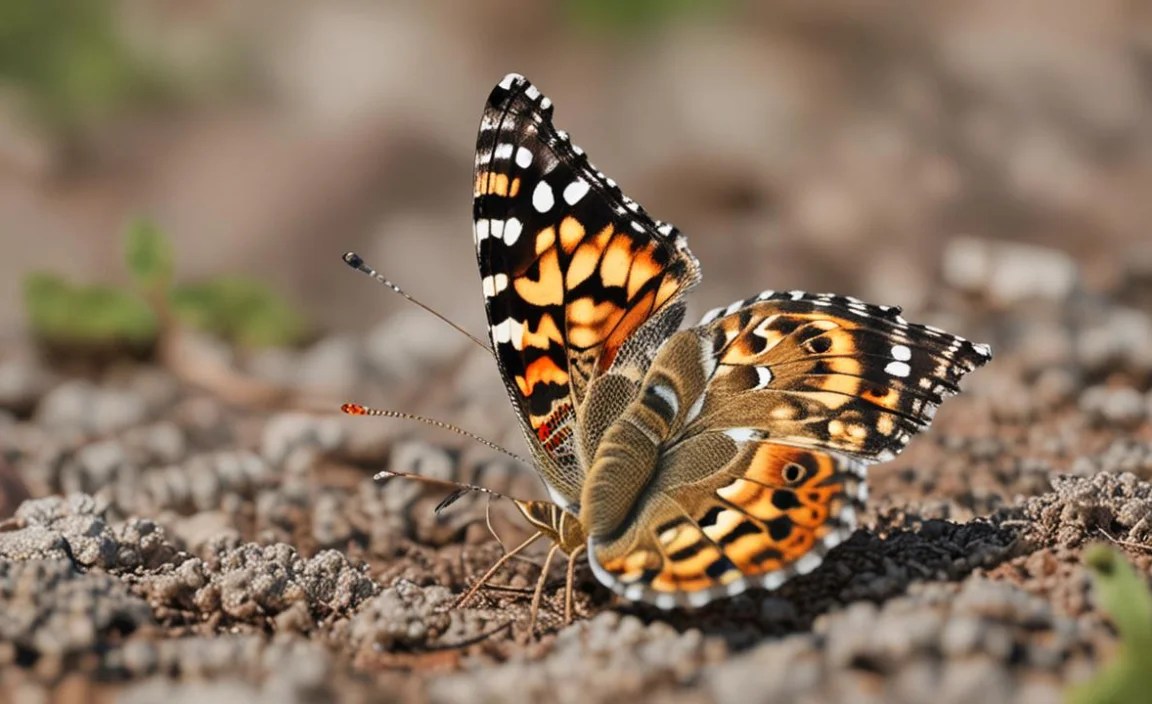
After emerging, the butterfly needs to dry its wings. This is a critical step. The wings are soft and crumpled at first. The butterfly pumps fluid into them. This makes them expand. It hangs upside down to let gravity help. The {painted lady butterfly emergence process} is almost complete. The wings must dry completely before flight. This can take several hours. The butterfly sits still and waits. Once the wings are dry, it can fly away.
- Wings are soft and crumpled after emergence.
- The butterfly pumps fluid into its wings.
- It hangs upside down to dry its wings.
- Drying can take several hours.
- Dry wings are needed for flight.
Imagine the butterfly waiting patiently. It cannot fly yet. Its wings are still wet and delicate. The {painted lady butterfly emergence process} requires time. The butterfly knows it must be patient. It hangs upside down, letting gravity help. The fluid spreads through its wings. They slowly expand and flatten out. The sun helps to dry them. The butterfly waits for the perfect moment. When its wings are dry, it will take its first flight.
Why Do Butterflies Need to Dry Their Wings?
Butterflies need to dry their wings for a good reason. Wet wings are too heavy to fly. They are also fragile and can tear easily. The {painted lady butterfly emergence process} includes this drying stage. Drying makes the wings strong and light. This allows the butterfly to fly easily. Without dry wings, the butterfly cannot survive. It cannot escape predators or find food.
How Long Does Wing Drying Take?
Wing drying can take a few hours. It depends on the weather and the butterfly. On a sunny day, it might take less time. On a cloudy day, it might take longer. The {painted lady butterfly emergence process} is affected by the environment. The butterfly needs warmth and air to dry its wings. It will wait patiently until it is ready to fly.
What Happens if the Wings Don’t Dry Properly?
If the wings don’t dry properly, the butterfly is in trouble. It might not be able to fly at all. Or it might fly poorly. The {painted lady butterfly emergence process} is crucial. Damaged wings can shorten the butterfly’s life. It will be more vulnerable to predators. It might not be able to find food or a mate. Proper wing drying is essential for survival.
Fun Fact or Stat: A butterfly flaps its wings about 5 to 20 times per second!
Environmental Factors Affecting Emergence
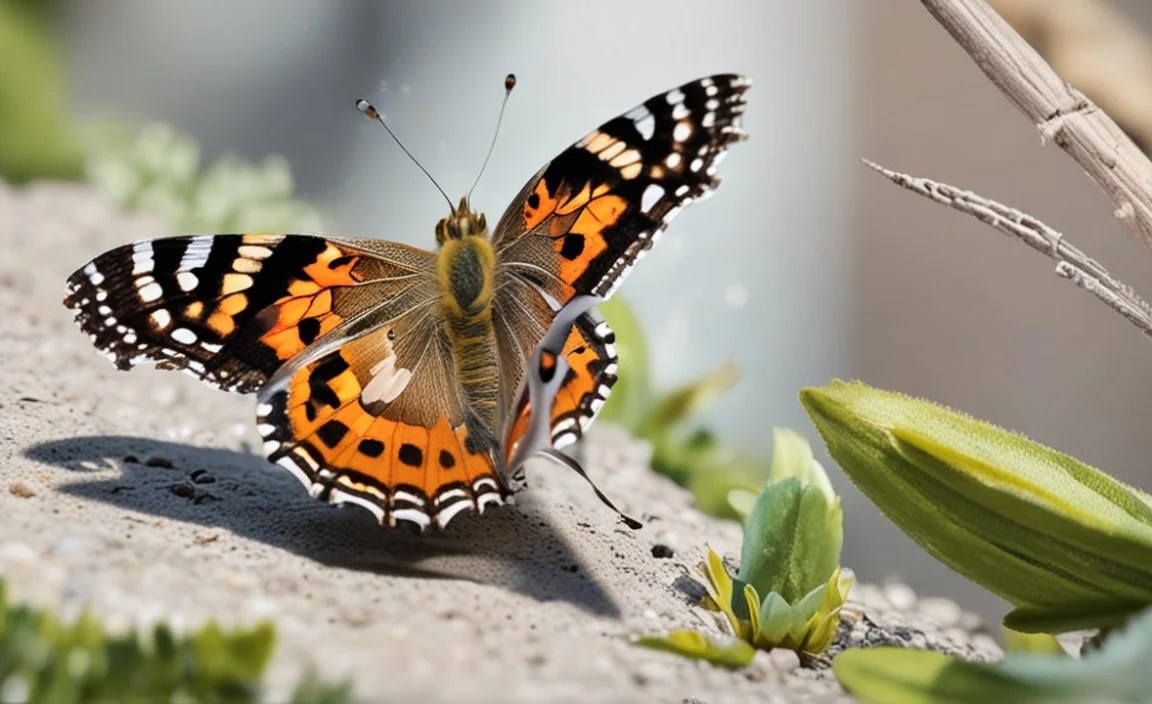
The environment plays a big role. Temperature, humidity, and light all matter. Warm temperatures speed up the process. Cold temperatures slow it down. High humidity can make it harder for wings to dry. The {painted lady butterfly emergence process} is sensitive to these factors. Sunlight provides warmth and helps dry the wings. The right conditions are important for a successful emergence. Butterflies need a balanced environment to thrive.
- Temperature affects the speed of development.
- Humidity impacts wing drying.
- Light provides warmth and energy.
- Proper ventilation is also important.
- Extreme weather can be harmful.
Imagine a butterfly trying to emerge on a cold day. The {painted lady butterfly emergence process} will be much slower. The butterfly might struggle to break free. Its wings might take longer to dry. On a warm, sunny day, the process is easier. The butterfly emerges quickly and dries its wings faster. The environment can make a big difference. It can determine whether the butterfly survives or not.
How Does Temperature Affect Emergence?
Temperature is very important. Warm temperatures speed up development. The {painted lady butterfly emergence process} is faster in warmer conditions. Cold temperatures slow it down. If it’s too cold, the butterfly might not emerge at all. The ideal temperature is around 70-80 degrees Fahrenheit. This allows the butterfly to develop properly. Temperature is a key factor in butterfly survival.
How Does Humidity Affect Wing Drying?
Humidity affects wing drying. High humidity makes it harder for wings to dry. The {painted lady butterfly emergence process} can be delayed. The butterfly needs dry air to evaporate the moisture. Low humidity is better for wing drying. If the humidity is too high, the wings might become deformed. Proper ventilation can help with drying. Humidity is an important environmental factor.
How Does Light Affect Emergence?
Light also plays a role. Sunlight provides warmth and energy. This helps the butterfly develop. The {painted lady butterfly emergence process} benefits from sunlight. Light also helps dry the wings. Butterflies are often more active during the day. They need sunlight to fly and find food. Light is essential for their survival.
Fun Fact or Stat: Some butterflies can sense changes in air pressure to avoid bad weather!
Helping Butterflies Emerge Successfully
Sometimes, butterflies need a little help. If you are raising butterflies, be careful. Provide the right environment. Keep the temperature and humidity balanced. Make sure there is good ventilation. Do not touch the chrysalis or the butterfly. Let the {painted lady butterfly emergence process} happen naturally. If a butterfly is struggling, you can offer a little sugar water. But mostly, just observe and let nature take its course.
- Maintain proper temperature and humidity.
- Ensure good ventilation.
- Avoid touching the chrysalis or butterfly.
- Offer sugar water if needed.
- Observe and let nature take its course.
Imagine you are a butterfly caretaker. You have chrysalises hanging in a safe place. You watch them every day, waiting for the butterflies to emerge. The {painted lady butterfly emergence process} is exciting to witness. You make sure the environment is perfect. You keep the temperature warm and the humidity low. You provide fresh air and sunlight. If a butterfly needs help, you are there to assist. But mostly, you let nature do its thing. You are a guardian of these beautiful creatures.
What is the Ideal Environment for Emergence?
The ideal environment is warm and slightly humid. The temperature should be around 70-80 degrees Fahrenheit. The humidity should be moderate. Good ventilation is also important. The {painted lady butterfly emergence process} thrives in these conditions. Avoid extreme temperatures or humidity levels. Provide a safe and protected space for the butterflies.
How Can You Tell if a Butterfly Needs Help?
Sometimes, it’s hard to tell if a butterfly needs help. Look for signs of struggle. If the butterfly is stuck in the chrysalis, it might need assistance. If its wings are deformed, it might need help drying them. The {painted lady butterfly emergence process} can be challenging. Offer sugar water if the butterfly seems weak. But be careful not to damage its wings.
What Should You Do if a Butterfly is Struggling?
If a butterfly is struggling, be gentle. You can try to help it out of the chrysalis. Use a small, soft brush to gently remove any stuck pieces. Be very careful not to damage the wings. The {painted lady butterfly emergence process} is delicate. Offer sugar water to give the butterfly energy. Then, let it dry its wings in a safe place. Monitor the butterfly to make sure it recovers.
Fun Fact or Stat: Butterflies taste with their feet!
Observing the Butterfly After Emergence
After the butterfly emerges, observe it closely. Watch it dry its wings. See how it moves and flies. Note its colors and patterns. The {painted lady butterfly emergence process} is complete. The butterfly is now ready to explore the world. It will fly off to find food and a mate. Observing the butterfly is a rewarding experience. It’s a chance to appreciate the beauty of nature.
- Watch the butterfly dry its wings.
- Observe its movements and flight.
- Note its colors and patterns.
- See it find food and a mate.
- Appreciate the beauty of nature.
Imagine you are a nature photographer. You want to capture the beauty of the butterfly. You watch it closely after it emerges. The {painted lady butterfly emergence process} is complete. The butterfly is a perfect subject. You take photos of it drying its wings. You capture its colorful patterns. You document its first flight. You share your photos with the world. You help others appreciate the wonder of nature.
What Does the Butterfly Do After Drying Its Wings?
After drying its wings, the butterfly takes its first flight. It explores its surroundings. It looks for food, such as nectar from flowers. The {painted lady butterfly emergence process} has prepared it for this moment. It also looks for a mate. Butterflies need to reproduce to continue the cycle. They play an important role in the ecosystem.
How Long Do Painted Lady Butterflies Live?
Painted lady butterflies live for about two to four weeks. Their lifespan depends on the environment. They need to find food and avoid predators. The {painted lady butterfly emergence process} ensures new butterflies are born. This helps maintain the population. Butterflies are a beautiful and important part of our world.
What Do Butterflies Eat?
Butterflies eat nectar from flowers. They use their long tongues to suck up the nectar. The nectar provides energy for flight and reproduction. The {painted lady butterfly emergence process} prepares them for this task. Butterflies also drink water and other fluids. They need these resources to survive. Butterflies are important pollinators. They help plants reproduce.
Fun Fact or Stat: Butterflies can see red, green, and yellow!
| Stage | Duration | Key Events | Environmental Factors |
|---|---|---|---|
| Egg | 3-7 days | Laid on host plants | Temperature, humidity |
| Larva (Caterpillar) | 2-4 weeks | Eating, growing, shedding skin | Food availability, temperature |
| Pupa (Chrysalis) | 1-2 weeks | Transformation into butterfly | Temperature, humidity |
| Adult (Butterfly) | 2-4 weeks | Flying, feeding, reproducing | Food availability, weather |
Summary
The {painted lady butterfly emergence process} is a fascinating transformation. It starts with a tiny egg and ends with a beautiful butterfly. The caterpillar eats and grows, then forms a chrysalis. Inside the chrysalis, the caterpillar changes completely. It breaks down and rebuilds into a butterfly. This process takes about one to two weeks. The butterfly emerges from the chrysalis. It dries its wings and takes its first flight. The environment plays a crucial role in this process. Temperature, humidity, and light all affect the butterfly’s development. Observing the {painted lady butterfly emergence process} is a rewarding experience.
Conclusion
The painted lady butterfly is a symbol of change and beauty. The {painted lady butterfly emergence process} is a remarkable journey. It shows the power of nature. From a simple egg to a flying insect, the transformation is amazing. We can learn a lot from observing these creatures. Let’s protect their habitats and ensure they continue to thrive. The painted lady butterfly will continue to inspire us with its beauty.
Frequently Asked Questions
Question No 1: What is the first stage of the painted lady butterfly life cycle?
Answer: The first stage is the egg. The female butterfly lays her eggs on host plants. These plants are usually thistles or mallows. The eggs are very small. They are often laid in clusters. The egg stage lasts for about a week. Then, the eggs hatch into caterpillars. These caterpillars are very hungry. They start eating the leaves of the host plant. This is the beginning of the {painted lady butterfly emergence process}.
Question No 2: How long does it take for a painted lady butterfly to emerge from its chrysalis?
Answer: It typically takes about one to two weeks for a painted lady butterfly to emerge. This stage is called the pupa or chrysalis stage. During this time, the caterpillar transforms inside the shell. The {painted lady butterfly emergence process} happens in the pupal stage. The caterpillar’s body breaks down and rebuilds. New structures like wings and antennae form. When the butterfly is ready, it breaks free from the chrysalis.
Question No 3: What do painted lady caterpillars eat?
Answer: Painted lady caterpillars are big eaters. They primarily feed on thistles. They also enjoy mallows and other leafy plants. Caterpillars need to eat a lot to grow. They store energy for the transformation. The food they eat helps them change into butterflies. Without enough food, they cannot complete the {painted lady butterfly emergence process}. So, providing them with plenty of food is important. This ensures they have enough energy to change into butterflies.
Question No 4: How can I help a butterfly that is struggling to emerge?
Answer: If you see a butterfly struggling, be very gentle. Do not pull it out of the chrysalis. You can try to moisten the chrysalis with a damp cloth. This can make it easier for the butterfly to emerge. Ensure that the environment is humid. You can also offer sugar water to give it energy. The {painted lady butterfly emergence process} is delicate. Be patient and let nature take its course. Avoid touching the butterfly’s wings.
Question No 5: What happens if a butterfly’s wings are crumpled after emergence?
Answer: Crumpled wings can be a problem. The butterfly needs to pump fluid into its wings. This helps them expand and dry. If the wings are still crumpled, the butterfly might not be able to fly. You can try to help by gently supporting the wings. Make sure the environment is humid. The {painted lady butterfly emergence process} requires proper wing drying. If the wings don’t dry properly, the butterfly may not survive.
Question No 6: Why is the chrysalis stage important for the painted lady butterfly?
Answer: The chrysalis stage is very important. It is a safe and protected environment. The {painted lady butterfly emergence process} happens inside. The caterpillar’s body breaks down and rebuilds. New structures like wings and antennae form. This transformation takes about one to two weeks. Without the chrysalis, the butterfly cannot develop properly. The chrysalis protects the developing butterfly from harm. It is a crucial part of the butterfly’s life cycle.


