
Painted Lady Butterfly Breeding In Captivity: Easy Guide

Have you ever seen a butterfly flutter by? They are so pretty. Did you know you can raise your own butterflies? It’s true! Painted lady butterfly breeding in captivity is a fun project. You can watch them grow and change. It is like having a tiny, colorful pet.
Key Takeaways
- Painted lady butterfly breeding in captivity lets you watch their amazing life cycle.
- Caterpillars need special food to grow big and strong before changing.
- Keep their home clean and safe from dangers like pets or sprays.
- After turning into a butterfly, give them fruit to eat and drink.
- Releasing your butterflies into a safe area helps nature.
Understanding Painted Lady Butterfly Breeding in Captivity

Painted lady butterfly breeding in captivity is a great way to learn about nature. You get to see how a tiny egg becomes a beautiful butterfly. First, you need to get some caterpillars. These little guys are very hungry. They eat a special food that you can buy. Make sure their home is clean. Change the food every day. Watch them grow bigger and bigger. Soon, they will make a chrysalis. This is like a little sleeping bag. Inside, they change into a butterfly. It’s like magic! After a few weeks, the butterfly will come out. It will be wet and wrinkly. But soon, it will dry its wings. Then, it will fly away. You helped it become a butterfly!
- Caterpillars eat a lot.
- They need fresh food.
- Keep their home clean.
- Watch them change.
- Butterflies need to dry.
Watching painted lady butterfly breeding in captivity is like having a science lesson at home. You can learn about the life cycle of a butterfly. The life cycle has four parts: egg, larva (caterpillar), pupa (chrysalis), and adult butterfly. Each part is important. The egg is tiny and round. The larva eats and grows. The pupa changes inside. The adult butterfly flies and lays eggs. You can draw pictures of each part. You can write down what you see. This helps you learn even more. It’s a fun way to study science. You can share what you learn with your friends and family. They will be amazed at what you know.
Fun Fact or Stat: A painted lady butterfly can fly up to 100 miles in a single day!
What Do Painted Lady Caterpillars Eat?
Have you ever wondered what caterpillars eat? Painted lady caterpillars are very picky eaters. They only eat certain kinds of leaves. Usually, you can buy a special food for them. This food is made just for caterpillars. It has all the things they need to grow big and strong. You have to make sure they always have enough food. They eat a lot! If they run out of food, they might not grow very well. So, check their food every day. Give them fresh food when they need it. This will help them become beautiful butterflies. Caterpillars need food to grow. Just like you need food to grow!
How Long Does it Take for a Caterpillar to Change?
Imagine you are waiting for a surprise. That’s how it feels waiting for a caterpillar to change. It takes about two weeks for a painted lady caterpillar to become a chrysalis. During this time, the caterpillar eats and grows. It sheds its skin several times. Then, it hangs upside down. It makes a hard shell around itself. This shell is called a chrysalis. Inside the chrysalis, something amazing is happening. The caterpillar is changing into a butterfly! This takes about another week or two. So, it takes about a month from caterpillar to butterfly. Be patient and watch closely. You don’t want to miss it!
What Does a Chrysalis Look Like?
Have you ever seen a sleeping bag for a butterfly? A chrysalis is like a sleeping bag. It’s a hard shell that protects the caterpillar while it changes. The painted lady chrysalis is usually brown or green. It might have shiny spots on it. It hangs upside down from a leaf or branch. It doesn’t move much. But inside, there’s a lot of action! The caterpillar is turning into a butterfly. It’s like a secret world inside the chrysalis. You can’t see what’s happening. But you know something amazing is going on. Be careful not to touch the chrysalis. It’s very delicate. Just watch and wait.
Setting Up a Habitat for Breeding Painted Lady Butterflies in Captivity

To start painted lady butterfly breeding in captivity, you need a good home for them. A butterfly habitat can be a net or a plastic container. Make sure it has air holes. This lets the butterflies breathe. Put some paper towels on the bottom. This makes it easy to clean. You will also need a small dish for their food. Butterflies like to eat sweet things. You can give them fruit. Or you can make a sugar water solution. Mix sugar and water together. Put it in the dish. Keep the habitat in a safe place. Away from direct sunlight and pets. Make sure it’s not too hot or too cold. The right home will help your butterflies grow and thrive.
- Get a net or container.
- Make sure it has air holes.
- Add paper towels to the bottom.
- Use a small dish for food.
- Keep it in a safe place.
Keeping your butterfly habitat clean is very important for painted lady butterfly breeding in captivity. Dirty habitats can make your caterpillars sick. Change the paper towels every day. This helps keep the habitat clean. Remove any uneaten food. Old food can get moldy. Mold can hurt your caterpillars. Wash the food dish regularly. Use warm water and soap. Rinse it well. Make sure there is no soap left. Soap can be harmful. Check the habitat for any signs of pests. Pests are small bugs that can hurt your caterpillars. If you see any pests, remove them right away. A clean habitat helps your caterpillars stay healthy and happy. They will grow into beautiful butterflies.
Fun Fact or Stat: Butterflies taste with their feet!
What Size Habitat Do I Need?
Imagine you’re inviting friends over for a party. You need enough space for everyone to be comfortable. The same is true for your butterflies! When painted lady butterfly breeding in captivity, the size of the habitat matters. If you have just a few caterpillars, a small container will work. But if you have many caterpillars, you need a bigger habitat. They need enough room to move around. A good rule is to have at least three times as much space as the caterpillars need. This gives them room to eat, grow, and change. A bigger habitat also helps keep it clean. It’s easier to clean a big space than a small space. So, think about how many caterpillars you have. Then, choose the right size habitat.
How Do I Keep the Habitat Clean?
Think of your butterfly habitat as your own room. You want to keep it clean and tidy, right? Keeping the habitat clean is important for painted lady butterfly breeding in captivity. A clean habitat helps your caterpillars stay healthy. It prevents them from getting sick. Here are some tips for keeping it clean. Change the paper towels every day. Remove any uneaten food. Wash the food dish regularly. Check for pests. If you see any, remove them right away. A clean habitat makes your caterpillars happy. They will grow into beautiful butterflies. So, make cleaning a part of your daily routine.
Where Should I Place the Habitat?
Imagine you are a butterfly. Where would you want to live? When painted lady butterfly breeding in captivity, the location of the habitat is important. You want to put it in a place that is safe and comfortable. Avoid direct sunlight. Too much sun can make the habitat too hot. Keep it away from drafts. Drafts can make it too cold. Choose a spot that is quiet and peaceful. Loud noises can stress the caterpillars. Make sure it’s out of reach of pets. Pets might try to eat the caterpillars. A good location helps your caterpillars thrive. They will grow into beautiful butterflies.
Feeding Painted Lady Caterpillars and Butterflies in Captivity

Feeding your painted lady caterpillars is a very important part of painted lady butterfly breeding in captivity. Caterpillars eat a lot. They need special food to grow. You can buy this food at a store. It looks like a green paste. Put the food in their habitat. Make sure they always have enough to eat. Watch them munch on it. They will grow bigger and bigger. When they become butterflies, they eat different things. Butterflies like sweet liquids. You can give them fruit. Or you can make sugar water. Put the fruit or sugar water in a shallow dish. The butterflies will drink it. This gives them energy to fly.
- Caterpillars need special food.
- Give them enough food.
- Butterflies like sweet liquids.
- Offer them fruit.
- Make sugar water.
Making sugar water for your butterflies is easy when painted lady butterfly breeding in captivity. All you need is sugar and water. Mix one part sugar with four parts water. For example, you can mix one teaspoon of sugar with four teaspoons of water. Stir it until the sugar dissolves. Make sure there are no sugar crystals left. Put the sugar water in a shallow dish. You can also put it on a sponge. The butterflies will drink from the dish or sponge. Change the sugar water every day. This keeps it fresh. Fresh sugar water is better for the butterflies. They will love it! Sugar water gives them energy. They need energy to fly and lay eggs.
| Food | Caterpillars | Butterflies |
|---|---|---|
| Special Food | Yes | No |
| Fruit | No | Yes |
| Sugar Water | No | Yes |
| Leaves | Sometimes | No |
| Nectar | No | Yes |
Fun Fact or Stat: Butterflies can only see red, green, and yellow!
How Often Should I Feed the Caterpillars?
Imagine you have a puppy. You need to feed it every day, right? Caterpillars are the same way. They need to eat every day. When painted lady butterfly breeding in captivity, you should check their food at least once a day. If they have eaten all the food, give them more. They eat a lot! If the food is dry or moldy, replace it with fresh food. Fresh food is important for their health. Caterpillars need food to grow big and strong. So, make sure they always have enough to eat. This will help them become beautiful butterflies.
What Kind of Fruit Do Butterflies Like?
Have you ever wondered what kind of fruit butterflies like? Butterflies have a sweet tooth! When painted lady butterfly breeding in captivity, they like to eat sweet fruits. Some of their favorites include oranges, watermelon, and bananas. Cut the fruit into small pieces. Put the pieces in a shallow dish. Make sure the fruit is ripe. Ripe fruit is easier for them to eat. You can also put the fruit on a sponge. The butterflies will drink the juice from the fruit. Change the fruit every day. This keeps it fresh. Fresh fruit is better for the butterflies. They will love it!
Can I Give Butterflies Honey?
Imagine you are a butterfly. Would you like to eat honey? When painted lady butterfly breeding in captivity, honey can be a good treat for butterflies. But you have to be careful. Honey is very sticky. It can get stuck on their wings. This can make it hard for them to fly. So, you need to mix the honey with water. Make a honey water solution. Use one part honey and four parts water. Stir it until the honey dissolves. Put the honey water in a shallow dish. The butterflies will drink from the dish. Honey gives them energy. They need energy to fly and lay eggs.
Observing the Butterfly Life Cycle During Captivity
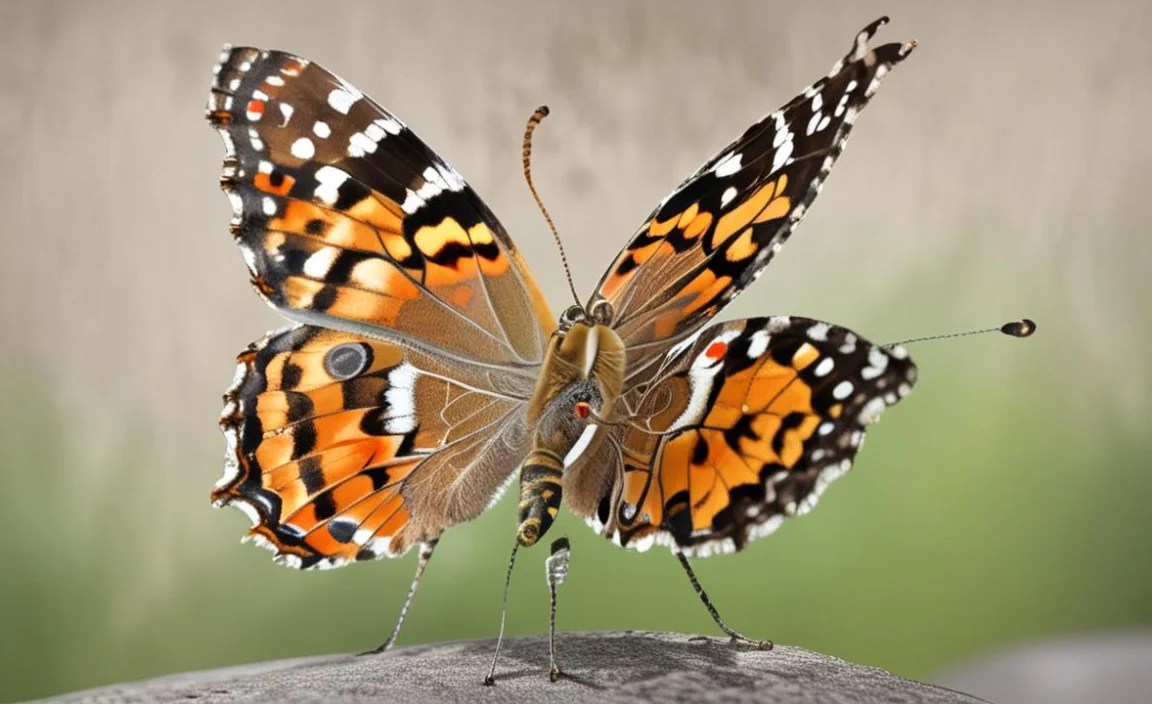
Watching the painted lady butterfly breeding in captivity is like seeing a miracle happen. First, you see tiny eggs. These eggs are laid on leaves. Then, the eggs hatch into caterpillars. The caterpillars eat and grow. They shed their skin several times. After a while, the caterpillar turns into a chrysalis. The chrysalis is green or brown. It hangs upside down. Inside, the caterpillar changes into a butterfly. This takes about two weeks. Finally, the butterfly comes out. It dries its wings. Then, it flies away. The whole process is amazing to watch. You can learn so much about nature.
- Eggs hatch into caterpillars.
- Caterpillars eat and grow.
- They turn into a chrysalis.
- The butterfly emerges.
- It dries its wings.
Keeping a journal is a great way to learn when painted lady butterfly breeding in captivity. Write down what you see each day. Draw pictures of the caterpillars and butterflies. Note the date when the eggs hatch. Note when the caterpillars turn into chrysalises. Write down when the butterflies emerge. This helps you keep track of the life cycle. You can also write down any questions you have. Then, you can look up the answers. A journal is a great way to learn and remember what you see. You can share your journal with your friends and family. They will be impressed with your knowledge.
Fun Fact or Stat: Butterflies have about 12,000 eyes!
How Can I Tell When the Butterfly Will Emerge?
Imagine you are waiting for a special package to arrive. You keep checking the tracking number. You want to know when it will get here. It’s the same when you are waiting for a butterfly to emerge. When painted lady butterfly breeding in captivity, there are clues. You can tell when the butterfly is almost ready. The chrysalis will become clear. You can see the butterfly’s wings inside. The chrysalis might also start to shake. This means the butterfly is trying to get out. Be patient. It will take some time. But soon, the butterfly will emerge. It’s an exciting moment!
What Should I Do When the Butterfly Emerges?
Have you ever seen a baby bird hatch from its egg? It’s a special moment. When painted lady butterfly breeding in captivity, it’s also special. When the butterfly emerges, be patient. Do not touch it. Let it dry its wings. This can take a few hours. Once its wings are dry, it will fly. Make sure there is food and water in the habitat. The butterfly will need to eat and drink. You can offer it fruit or sugar water. Watch the butterfly. Enjoy its beauty. You helped it become a butterfly!
What Happens After the Butterfly Emerges?
Imagine you just finished a big project. You are proud of what you did. But what happens next? After the butterfly emerges when painted lady butterfly breeding in captivity, it has a new life. It will fly around. It will look for food. It might lay eggs. If you have a safe place, you can let it go outside. Make sure there are flowers nearby. Butterflies like to drink nectar from flowers. They also need a place to lay their eggs. The butterfly will live its life. You can be proud that you helped it get started.
Releasing Painted Lady Butterflies Back into Nature

Releasing your painted lady butterflies is a great way to help nature when painted lady butterfly breeding in captivity. Before you release them, make sure the weather is good. It should be warm and sunny. Butterflies need sunshine to fly. Choose a place with lots of flowers. Butterflies like to drink nectar from flowers. Nectar gives them energy. Open the habitat carefully. Let the butterflies fly out. Watch them flutter away. They will find their own way. You helped them get a good start in life. You made a difference in the world.
- Choose a warm, sunny day.
- Find a place with flowers.
- Open the habitat carefully.
- Let the butterflies fly out.
- Watch them flutter away.
Before you release your butterflies, you can tag them when painted lady butterfly breeding in captivity. Tagging helps scientists learn more about butterflies. You can buy butterfly tags online. The tags are small and lightweight. They won’t hurt the butterflies. Put the tag on the butterfly’s wing. Write down the tag number. Also write down the date and location where you released the butterfly. If someone finds your butterfly, they can report it. This helps scientists track the butterfly’s movements. Tagging is a fun way to contribute to science. You can help us learn more about these amazing creatures.
Fun Fact or Stat: Some butterflies migrate thousands of miles!
When Is the Best Time to Release the Butterflies?
Imagine you are planning a picnic. You want to pick a day that is sunny and warm. The same is true for releasing butterflies. When painted lady butterfly breeding in captivity, the best time to release them is on a warm, sunny day. Butterflies need sunshine to fly. If it is too cold or cloudy, they won’t be able to fly well. They might get cold and tired. So, wait for a good day. Check the weather forecast. Choose a day that is warm and sunny. This will give your butterflies the best chance to thrive.
Where Is the Best Place to Release the Butterflies?
Think about where you would want to live if you were a butterfly. You would want a place with lots of flowers, right? When painted lady butterfly breeding in captivity, the best place to release them is in a garden. A garden has lots of flowers. Flowers provide nectar for the butterflies to eat. They also provide a place for them to lay their eggs. Choose a garden that is safe from pesticides. Pesticides can harm butterflies. Make sure the garden has plants that caterpillars can eat. This will help the next generation of butterflies. A good location will help your butterflies thrive.
Can I Release the Butterflies in My Backyard?
Imagine you have a beautiful backyard. You would love to share it with butterflies, right? When painted lady butterfly breeding in captivity, you can release them in your backyard. But first, make sure your backyard is safe for butterflies. Avoid using pesticides. Pesticides can harm butterflies. Plant flowers that provide nectar. These flowers will attract butterflies to your yard. Make sure there are plants that caterpillars can eat. This will help the next generation of butterflies. If your backyard is safe and welcoming, it’s a great place to release your butterflies.
Troubleshooting Common Issues in Painted Lady Butterfly Breeding in Captivity
Sometimes, things don’t go as planned when painted lady butterfly breeding in captivity. Your caterpillars might not grow very fast. They might get sick. Or the butterflies might not emerge from their chrysalises. Don’t worry. These things can happen. The most important thing is to stay calm and try to figure out what’s wrong. Check the food. Make sure it’s fresh. Check the habitat. Make sure it’s clean. Check the temperature. Make sure it’s not too hot or too cold. If you can find the problem, you can fix it. And you can still raise beautiful butterflies.
- Caterpillars might not grow fast.
- They might get sick.
- Butterflies might not emerge.
- Check the food and habitat.
- Check the temperature.
If your caterpillars are not eating, there could be a few reasons when painted lady butterfly breeding in captivity. The food might be old or dry. Replace it with fresh food. The habitat might be too hot or too cold. Move it to a more comfortable location. The caterpillars might be sick. Look for signs of illness. If you see anything unusual, contact a butterfly expert. They can give you advice. Sometimes, caterpillars just need time. Be patient. Keep providing them with fresh food and a clean habitat. They will eventually start eating.
Fun Fact or Stat: Butterflies are important pollinators!
Why Are My Caterpillars Not Eating?
Imagine you are not feeling well. You don’t want to eat anything, right? Caterpillars can feel the same way. When painted lady butterfly breeding in captivity, if your caterpillars are not eating, something might be wrong. The food might be old or dry. Replace it with fresh food. The habitat might be too hot or too cold. Move it to a more comfortable location. The caterpillars might be sick. Look for signs of illness. If you see anything unusual, contact a butterfly expert. They can give you advice. Sometimes, caterpillars just need time. Be patient.
What Should I Do If My Caterpillar Gets Sick?
Have you ever had a cold? You didn’t feel very good, right? Caterpillars can get sick too. When painted lady butterfly breeding in captivity, if your caterpillar gets sick, you need to take action. First, separate the sick caterpillar from the others. This will prevent the illness from spreading. Clean the habitat thoroughly. Remove any uneaten food. Replace the paper towels. Contact a butterfly expert. They can give you advice on how to treat the sick caterpillar. With proper care, your caterpillar might recover.
Why Didn’t My Butterfly Emerge from the Chrysalis?
Imagine you are waiting for a friend to come out of their house. But they never come out. That can be frustrating. When painted lady butterfly breeding in captivity, sometimes butterflies don’t emerge from their chrysalises. This can be disappointing. There could be several reasons why. The chrysalis might be too dry. Mist it with water. The temperature might be too cold. Move it to a warmer location. The butterfly might be deformed. Sometimes, there is nothing you can do. But don’t give up. Keep trying. You will eventually see a butterfly emerge.
Summary
Painted lady butterfly breeding in captivity is a fun and educational activity. You get to watch the amazing life cycle of a butterfly. It starts with a tiny egg. The egg hatches into a caterpillar. The caterpillar eats and grows. It turns into a chrysalis. Inside the chrysalis, the caterpillar changes into a butterfly. The butterfly emerges and flies away. You can learn a lot about nature by raising butterflies. It’s a great way to connect with the natural world. Remember to keep their habitat clean and provide them with fresh food. It’s a rewarding experience for kids and adults.
Conclusion
Raising butterflies is a great project. You can learn about nature. You can also help the environment. Painted lady butterfly breeding in captivity is fun for everyone. Remember to take care of your caterpillars. Watch them change into butterflies. Then, let them fly away. You will feel good about helping them.
Frequently Asked Questions
Question No 1: What do I need to start painted lady butterfly breeding in captivity?
Answer: To start, you’ll need a butterfly habitat, which can be a mesh cage or a plastic container with air holes. You’ll also need painted lady caterpillars, which you can buy online or at a local science store. Don’t forget the caterpillar food, which is specially formulated for their nutritional needs. Paper towels for the bottom of the habitat will help keep it clean, and a shallow dish for butterfly food later on is also essential. A small spray bottle for misting the habitat to maintain humidity is a good idea, too. Make sure to choose a safe location away from direct sunlight and extreme temperatures.
Question No 2: How often should I clean the butterfly habitat?
Answer: Cleaning the butterfly habitat regularly is important to prevent the growth of mold and bacteria that can harm the caterpillars and butterflies. You should change the paper towels at the bottom of the habitat every day or every other day, depending on how dirty they get. Remove any uneaten caterpillar food daily to prevent mold. The shallow dish used for butterfly food should be washed with warm, soapy water every few days. By maintaining a clean environment, you’ll ensure the health and well-being of your painted lady butterflies during breeding in captivity.
Question No 3: What do butterflies eat after they emerge from their chrysalises?
Answer: Once the butterflies emerge from their chrysalises, their diet changes from the caterpillar food they consumed earlier. Butterflies primarily feed on nectar from flowers, which provides them with the energy they need to fly and reproduce. You can offer them a substitute for nectar by making a sugar water solution (mix one part sugar with four parts water). Place the sugar water in a shallow dish or soak a sponge in it and place it in the habitat. You can also offer them slices of ripe fruit, like oranges, watermelon, or bananas. Ensure the food source is easily accessible to the butterflies within their habitat.
Question No 4: How long does it take for a caterpillar to turn into a butterfly?
Answer: The entire process, from caterpillar to butterfly, takes approximately three to four weeks. The caterpillar stage lasts about two weeks, during which the caterpillar eats and grows rapidly. After that, the caterpillar enters the pupa stage, forming a chrysalis. Inside the chrysalis, the caterpillar undergoes metamorphosis, transforming into a butterfly. This stage typically lasts about one to two weeks. The exact duration can vary depending on environmental factors such as temperature and humidity. Observing this incredible transformation is one of the most rewarding aspects of painted lady butterfly breeding in captivity.
Question No 5: How do I know when it’s time to release the butterflies?
Answer: Knowing when to release your painted lady butterflies is crucial for their survival. The best time to release them is on a warm, sunny day, ideally when the temperature is above 60°F (15°C). Butterflies need sunshine to warm their wings and provide them with energy for flight. Avoid releasing them on windy or rainy days, as these conditions can make it difficult for them to fly and find food. Before releasing them, ensure there are plenty of nectar-rich flowers in the area to provide them with a food source. If you’re considering painted lady butterfly breeding in captivity, make sure to plan for their eventual release.
Question No 6: Can I handle the butterflies after they emerge?
Answer: While it’s tempting to handle the butterflies after they emerge, it’s best to avoid touching them unless absolutely necessary. Butterflies are delicate creatures, and their wings are covered in tiny scales that can be easily damaged. Damaged wings can impair their ability to fly and find food. If you need to move a butterfly, gently coax it onto your finger or a leaf. Always handle them with extreme care and avoid squeezing or pulling on their wings. The goal of painted lady butterfly breeding in captivity is to observe and appreciate these beautiful creatures without causing them harm.


