Monarch Butterfly Metamorphosis: Amazing Stages!

The monarch butterfly metamorphosis is a truly amazing transformation! It’s the process where a tiny egg turns into a beautiful butterfly through four distinct stages: egg, larva (caterpillar), pupa (chrysalis), and adult. This incredible journey takes about a month, and each stage plays a vital role in the monarch’s survival.
Have you ever watched a caterpillar munching on a leaf and wondered how it becomes a graceful butterfly? The journey from a tiny egg to a soaring monarch is one of nature’s most incredible transformations. It can seem mysterious, but understanding the process of metamorphosis unlocks a deeper appreciation for these amazing creatures. Don’t worry; you don’t need to be a scientist to follow along! We’ll break down each stage of the monarch butterfly metamorphosis, so you can witness this wonder for yourself. Get ready to discover the secrets of the monarch’s magical transformation!
Frequently Asked Questions About Monarch Metamorphosis
- How long does the monarch metamorphosis take?
- The entire process, from egg to adult butterfly, takes about 3 to 4 weeks, depending on temperature and other environmental factors.
- What does a monarch caterpillar eat?
- Monarch caterpillars exclusively eat milkweed leaves. Milkweed is essential for their survival.
- What does the chrysalis look like?
- The monarch chrysalis is a beautiful, translucent green color with tiny gold dots. It hangs upside down from a stem or leaf.
- How can I help monarch butterflies?
- You can help monarchs by planting milkweed and nectar-rich flowers in your garden, avoiding pesticide use, and supporting conservation efforts.
- What happens inside the chrysalis?
- Inside the chrysalis, the caterpillar’s body breaks down and reorganizes into the body of a butterfly. It’s a complete transformation!
- When do monarch butterflies emerge from their chrysalis?
- Monarch butterflies typically emerge in the morning, allowing their wings to dry and harden throughout the day.
- Do monarch butterflies remember being caterpillars?
- Scientists aren’t sure if butterflies “remember” their caterpillar stage, but they do retain some learned behaviors, like knowing which plants are safe to eat.
The Four Stages of Monarch Butterfly Metamorphosis

Monarch butterfly metamorphosis is divided into four distinct stages. Each stage has a specific purpose in the butterfly’s life cycle.
- Egg
- Larva (Caterpillar)
- Pupa (Chrysalis)
- Adult
Let’s explore each of these stages in detail.
Stage 1: The Egg
The monarch butterfly life cycle begins with a tiny egg. Female monarchs lay their eggs exclusively on milkweed plants. Milkweed is crucial because it serves as the sole food source for monarch caterpillars.
Laying the Eggs
The female monarch carefully selects milkweed plants, often choosing those with fresh, new growth. She lays a single egg on the underside of a milkweed leaf. These eggs are small, round, and usually a pale green or creamy white color. The eggs are about the size of a pinhead, making them easy to miss.
Egg Development
Inside the egg, the tiny caterpillar begins to develop. The egg stage typically lasts about 3 to 5 days, depending on the temperature. Warmer temperatures can speed up the development process. During this time, the caterpillar grows and prepares to hatch.
What to Look For
If you’re searching for monarch eggs, inspect the underside of milkweed leaves carefully. Use a magnifying glass for a closer look. You might also see small holes in the leaves, indicating that a caterpillar has already hatched and started feeding.
Stage 2: The Larva (Caterpillar)

Once the egg hatches, the larva, or caterpillar, emerges. This is the feeding and growing stage of the monarch’s life cycle. The caterpillar’s primary job is to eat and grow as quickly as possible.
The Eating Machine
Monarch caterpillars are voracious eaters, consuming large quantities of milkweed leaves. They need this nourishment to fuel their rapid growth. As they eat, they store energy for the next stage of metamorphosis.
Instars: Caterpillar Growth
As the caterpillar grows, it sheds its skin several times. These stages between molts are called instars. Monarch caterpillars go through five instars. Each time they molt, they reveal a new, larger exoskeleton. The caterpillar’s appearance changes slightly with each instar.
Here’s a quick breakdown of the five instars:
- First Instar: The caterpillar is small, usually less than ¼ inch long, and pale in color.
- Second Instar: The caterpillar grows larger and develops more distinct black, white, and yellow stripes.
- Third Instar: The stripes become more prominent, and the caterpillar’s body becomes more defined.
- Fourth Instar: The caterpillar continues to grow, and its antennae become more noticeable.
- Fifth Instar: The caterpillar is now fully grown, reaching about 2 inches in length. It’s ready to pupate.
Caterpillar Defenses
Monarch caterpillars have several defense mechanisms to protect themselves from predators. Their bright colors serve as a warning to potential predators, indicating that they are poisonous. This toxicity comes from the milkweed they eat, which contains cardiac glycosides. These chemicals are harmless to the monarch but toxic to many animals.
Spotting Caterpillars
Look for caterpillars on milkweed plants, especially during the day when they are actively feeding. You can also find them resting on the undersides of leaves or on nearby plants. Be careful not to disturb them, as they are delicate creatures.
Stage 3: The Pupa (Chrysalis)

Once the caterpillar reaches its full size, it enters the pupa stage. The pupa is also known as the chrysalis. This is a period of transformation where the caterpillar’s body undergoes a complete reorganization.
Forming the Chrysalis
The caterpillar finds a safe place, usually on a stem or leaf, and hangs upside down in a “J” shape. It then sheds its skin one last time, revealing a bright green chrysalis. The chrysalis is soft at first but hardens over time.
Inside the Chrysalis
Inside the chrysalis, the caterpillar’s tissues break down and reorganize into the body of a butterfly. This process is called histolysis and histogenesis. During histolysis, the caterpillar’s cells break down. During histogenesis, new cells form and create the butterfly’s wings, legs, and other body parts. The USDA Forest Service provides further details on monarch butterfly biology.
The Transformation
The chrysalis stage lasts about 10 to 14 days. During this time, the chrysalis becomes transparent, and you can see the developing butterfly inside. The orange and black wings become visible just before the butterfly emerges.
Protecting the Chrysalis
The chrysalis is vulnerable to predators and environmental factors. It’s important to protect it from harm. Avoid touching or moving the chrysalis unless absolutely necessary. If you find a chrysalis that has fallen, you can carefully reattach it to a stem using a piece of thread or glue.
Stage 4: The Adult Butterfly

The final stage of metamorphosis is the emergence of the adult butterfly. This is a moment of great beauty and wonder.
Emerging from the Chrysalis
When the time is right, the chrysalis splits open, and the butterfly slowly emerges. Its wings are crumpled and wet at first. The butterfly pumps fluid into its wings to expand them. This process takes several hours.
Drying and Hardening
The butterfly needs time to dry and harden its wings before it can fly. It typically hangs upside down from the empty chrysalis while its wings dry. Once the wings are fully expanded and hardened, the butterfly is ready to take its first flight.
The Adult Monarch
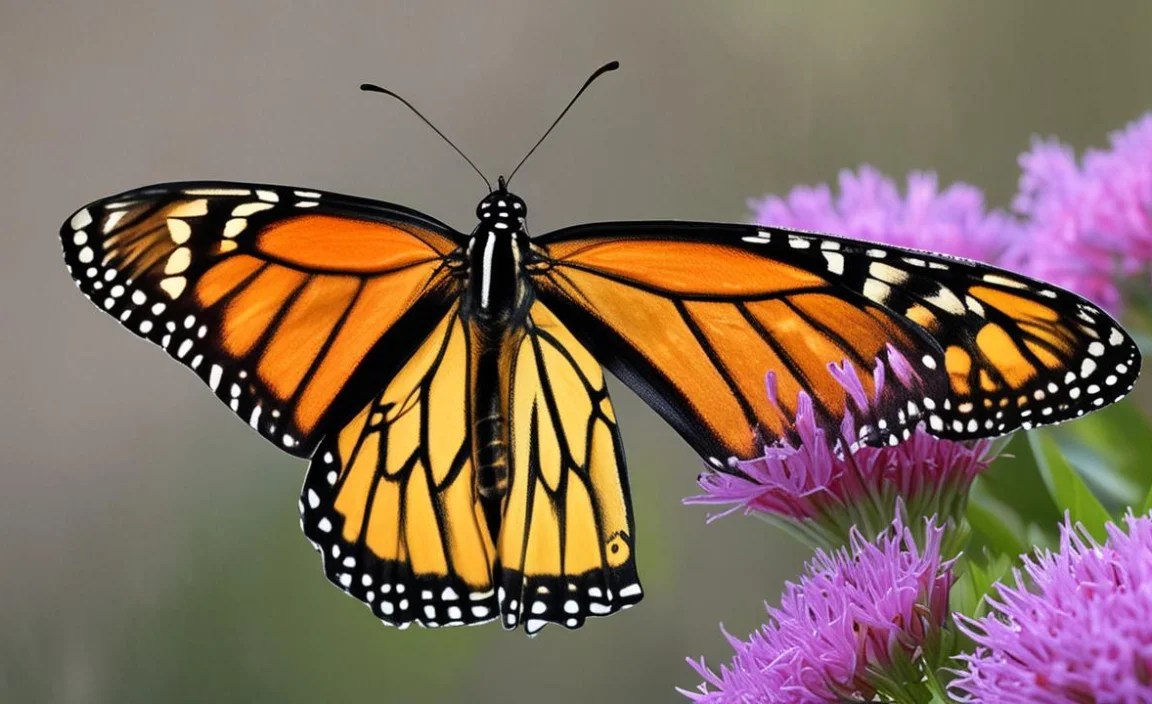
Adult monarch butterflies have bright orange wings with black veins and a black border. They also have white spots along the edges of their wings. Male monarchs have thinner veins and a spot on each hind wing that is not present on females. Adult monarchs feed on nectar from flowers, using their long proboscis to sip the sweet liquid.
Reproduction and Migration
Adult monarchs have two main goals: to reproduce and to migrate. Monarchs that emerge in the spring and summer reproduce, laying eggs on milkweed plants. The next generation continues the cycle. Monarchs that emerge in the late summer and fall migrate to warmer climates, such as Mexico and California, to overwinter. The World Wildlife Fund offers insights into monarch butterfly migration patterns.
Supporting Adult Monarchs
You can support adult monarchs by planting nectar-rich flowers in your garden. Choose flowers that bloom at different times of the year to provide a continuous food source. Avoid using pesticides, as they can harm butterflies and other pollinators.
A Closer Look at Monarch Anatomy During Metamorphosis
The transformation from caterpillar to butterfly is nothing short of a biological marvel. Here’s a table highlighting the key anatomical changes that occur during each stage of the monarch’s metamorphosis:
| Stage | Key Anatomical Features | Changes During Metamorphosis |
|---|---|---|
| Egg | Chorion (outer shell), developing embryo | Embryo develops into a larva within the egg. |
| Larva (Caterpillar) | Mandibles (for chewing), prolegs (for gripping), silk glands | Growth through molting, development of imaginal discs (precursors to adult structures). |
| Pupa (Chrysalis) | Hardened cuticle, developing wings, legs, and antennae | Histolysis (breakdown of larval tissues) and histogenesis (formation of adult tissues). |
| Adult Butterfly | Wings, antennae, proboscis (for feeding), legs | Fully developed wings for flight, reproductive organs mature, sensory organs refined. |
How to Create a Butterfly Garden to Support Monarch Metamorphosis
Creating a butterfly garden is a wonderful way to support monarch butterflies and witness their metamorphosis firsthand. Here’s how to get started:
1. Plant Milkweed
Milkweed is essential for monarch caterpillars. Plant several different varieties of milkweed to ensure a continuous food source. Some popular choices include common milkweed, swamp milkweed, and butterfly weed.
2. Provide Nectar Sources
Adult butterflies need nectar for energy. Plant a variety of nectar-rich flowers that bloom at different times of the year. Some good options include:
- Zinnia
- Butterfly Bush
- Purple Coneflower
- Salvia
- Lantana
3. Offer a Water Source
Butterflies need water to stay hydrated. Provide a shallow dish of water with pebbles or marbles for them to land on. This will prevent them from drowning.
4. Provide Shelter
Butterflies need shelter from wind and rain. Plant shrubs and trees to provide a safe haven.
5. Avoid Pesticides
Pesticides can harm butterflies and other pollinators. Avoid using pesticides in your garden. Instead, use natural methods to control pests.
6. Observe and Enjoy
Once your butterfly garden is established, take time to observe and enjoy the beauty of the monarch metamorphosis. Watch the caterpillars feed, the chrysalis transform, and the butterflies emerge. It’s a truly rewarding experience.
The Symbolic Significance of Monarch Metamorphosis
Beyond the scientific marvel, the monarch butterfly’s metamorphosis holds deep symbolic meaning for many cultures and individuals. The transformation from a humble caterpillar to a magnificent butterfly often represents:
- Transformation and Change: The most obvious symbol, metamorphosis embodies personal growth, change, and overcoming challenges.
- Resurrection and Rebirth: The seemingly dormant chrysalis and subsequent emergence of a butterfly symbolize rebirth and new beginnings.
- Hope and Resilience: The monarch’s incredible journey, including its long migration, signifies resilience, perseverance, and the enduring power of hope.
- Beauty and Grace: The butterfly’s delicate beauty and graceful flight represent the aesthetic qualities of nature and the power of transformation to create something beautiful.
- The Soul: In some cultures, butterflies are seen as symbols of the human soul, representing its journey through life and beyond.
The Future of Monarch Butterflies: Conservation Efforts
Monarch butterfly populations have declined significantly in recent years due to habitat loss, pesticide use, and climate change. It’s important to take action to protect these amazing creatures.
What You Can Do
Here are some ways you can help conserve monarch butterflies:
- Plant Milkweed: Plant milkweed in your garden or community.
- Provide Nectar Sources: Plant nectar-rich flowers.
- Avoid Pesticides: Avoid using pesticides in your garden.
- Support Conservation Organizations: Donate to organizations that are working to protect monarch butterflies. One such organization is The Xerces Society, which offers resources and information on pollinator conservation.
- Educate Others: Share your knowledge about monarch butterflies with others.
By taking these steps, you can help ensure that monarch butterflies continue to thrive for generations to come. Every effort, no matter how small, contributes to a larger conservation effort.
Conclusion
The monarch butterfly metamorphosis is a captivating process, showcasing nature’s incredible ability to transform and adapt. From the tiny egg to the soaring butterfly, each stage is a vital part of the monarch’s life cycle. By understanding and appreciating this metamorphosis, we can better support and protect these amazing creatures. Whether you’re planting milkweed, creating a butterfly garden, or simply spreading awareness, your efforts can make a real difference. So, go out and witness the wonder of monarch metamorphosis for yourself. It’s an experience that will inspire and connect you to the beauty of the natural world.