
Lookalike Butterflies Identification: Easy Guide!

Do you love butterflies? They flutter around with bright colors. Some butterflies look very similar. It can be tricky to tell them apart. This article will help with lookalike butterflies identification.
Key Takeaways
- Learning lookalike butterflies identification helps protect butterfly habitats and their populations.
- Pay close attention to wing patterns, size, and color to identify similar butterflies.
- Using field guides and online resources makes butterfly identification easier and fun.
- Observe butterfly behavior, like flight patterns and preferred plants for accurate identification.
- Key characteristics include spot patterns, wing shape, and regional variations.
Understanding Butterfly Identification
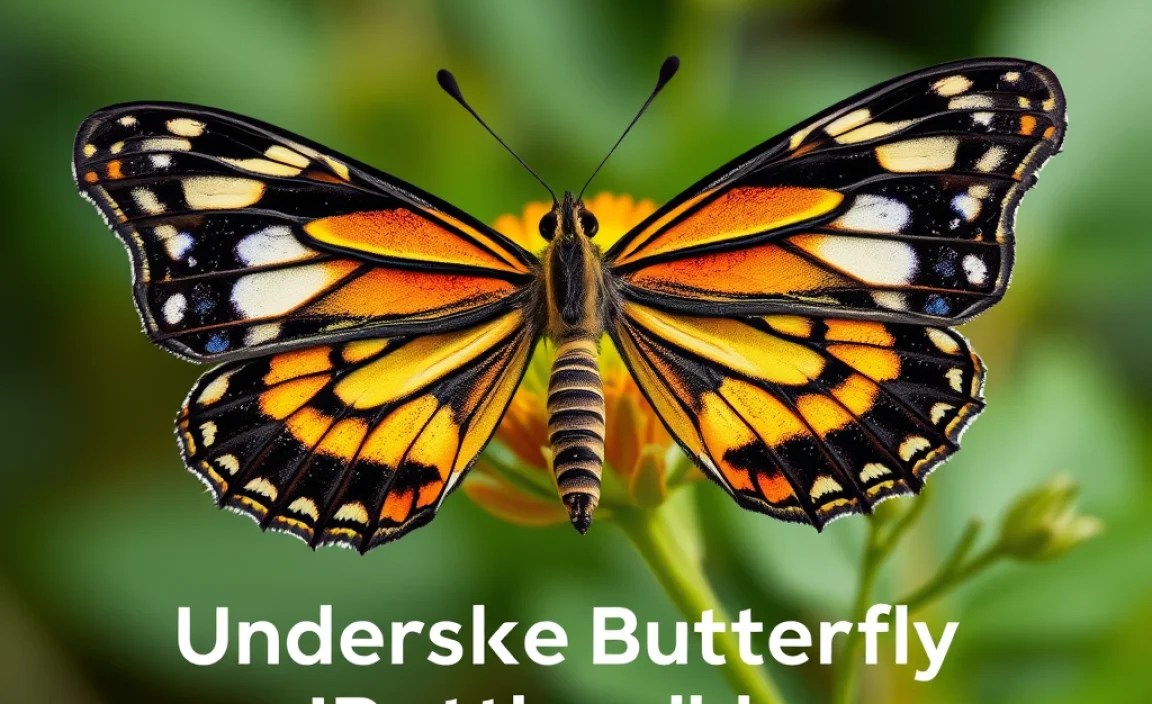
Butterflies are beautiful insects. Many species exist all over the world. Lookalike butterflies identification can be difficult. Some butterflies share similar colors and patterns. This makes it hard to know which is which. But, with careful observation, you can learn. Start by noticing the size of the butterfly. Then, look closely at the colors on its wings. What shapes do you see? Are there spots, lines, or bands? These details are important. Also, consider where you see the butterfly. Some species live only in certain areas. Knowing the region helps narrow down the possibilities. With practice, you will become better at identifying butterflies.
- Size matters when identifying butterflies.
- Color patterns are unique clues.
- Location can help identify butterflies.
- Observe wing shapes closely.
- Use a magnifying glass for details.
Butterfly identification is a fun and rewarding hobby. It connects you with nature. You start to notice the small details around you. The more you learn, the more you appreciate butterflies. Each species has its own story. Learning to identify them opens a new world. You can share your knowledge with friends. You can also help protect butterflies. By knowing which species are in your area, you can help conserve their habitats. Lookalike butterflies identification is a useful skill. It brings joy and helps the environment.
Fun Fact or Stat: There are over 20,000 butterfly species in the world!
Why Is Identification Important?
Have you ever wondered why we need to identify butterflies? It is important for many reasons. First, it helps us understand nature. Knowing what butterflies live in an area tells us about the health of the environment. Butterflies are sensitive to changes in their habitats. If we see fewer butterflies, it could mean something is wrong. Also, lookalike butterflies identification helps scientists study butterfly populations. They can track how butterflies move and change over time. This information is important for conservation. By knowing which butterflies are at risk, we can take steps to protect them.
Tools for Butterfly Identification
What tools can you use to identify butterflies? There are many helpful resources available. One of the best tools is a field guide. Field guides have pictures and descriptions of different butterfly species. They often include information about their habitats and behaviors. Another useful tool is a butterfly net. You can gently catch a butterfly to get a closer look. Be sure to release it carefully afterward. A magnifying glass can help you see small details on the wings. There are also many websites and apps that can help you identify butterflies. These resources often have photos and information that can help you compare different species. Using these tools makes lookalike butterflies identification easier and more fun.
Challenges in Identification
Identifying butterflies isn’t always easy. Many species look very similar. This can make it hard to tell them apart. For example, the Viceroy and Monarch butterflies look alike. This is because the Viceroy mimics the Monarch to avoid predators. Also, some butterflies have different forms depending on the season. These seasonal forms can have different colors and patterns. This can make identification even more challenging. Weather conditions can also affect butterfly appearance. Rain or sun can fade the colors on their wings. Despite these challenges, learning to identify butterflies is a rewarding experience. With practice and patience, you can become an expert.
Key Features for Identification
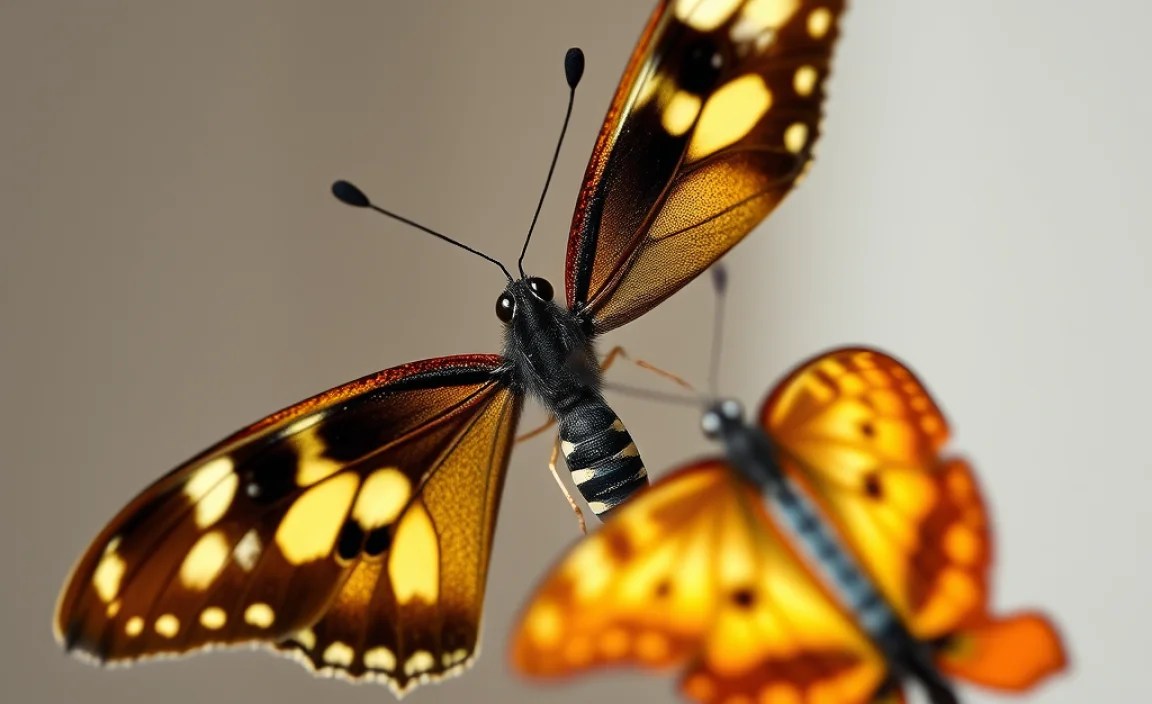
When identifying butterflies, focusing on key features is essential. These features help distinguish between similar species. The wing patterns are very important. Look at the spots, lines, and bands on the wings. Note their colors and shapes. The size of the butterfly is another key feature. Some species are much larger or smaller than others. The shape of the wings can also be helpful. Some butterflies have rounded wings, while others have pointed wings. Also, observe the butterfly’s body. Note the colors and patterns on its head, thorax, and abdomen. Finally, consider the butterfly’s behavior. How does it fly? What plants does it visit? All these clues will assist with lookalike butterflies identification.
- Wing patterns are important for identification.
- Size is a distinguishing feature.
- Wing shape varies among species.
- Body colors and patterns matter.
- Behavior provides additional clues.
- Consider the habitat.
Learning these key features takes time and practice. Start by focusing on a few common species in your area. Use a field guide to compare your observations with the descriptions. Pay attention to the details. The more you practice, the better you will become at identifying butterflies. Don’t be afraid to make mistakes. Everyone starts somewhere. The most important thing is to keep learning and exploring. Lookalike butterflies identification becomes easier with knowledge. You’ll be able to tell one butterfly from another.
Fun Fact or Stat: Some butterflies can taste with their feet!
Wing Patterns and Markings
Have you ever noticed how different butterflies have different wing patterns? These patterns are like fingerprints. They help us tell one species from another. Look closely at the colors and shapes. Some butterflies have spots, while others have stripes. Some have intricate patterns that look like lace. The position of these markings is also important. Are the spots near the edge of the wing? Are the stripes horizontal or vertical? These details can help you narrow down your options. Also, pay attention to the underside of the wings. Sometimes the patterns on the underside are different from those on the top.
Size and Shape Variations
Did you know that butterflies come in all shapes and sizes? Some are tiny, like the Western Pygmy Blue. Others are huge, like the Queen Alexandra’s Birdwing. The size of a butterfly can be a helpful clue. But, it’s important to consider the overall shape as well. Some butterflies have long, narrow wings. Others have broad, rounded wings. The shape of the wings can also vary between males and females. For example, the female swallowtail butterfly often has a different wing shape than the male. By paying attention to both size and shape, you can improve your lookalike butterflies identification.
Body Characteristics
Don’t forget to look at the butterfly’s body. The body can provide important clues. Notice the color of the body. Is it black, brown, yellow, or something else? Look at the antennae. Are they long and thin, or short and clubbed? The shape of the eyes can also be helpful. Some butterflies have large, round eyes. Others have smaller, more oval-shaped eyes. Also, look at the legs. How many legs does the butterfly have? Butterflies have six legs, but some may be hidden. By examining the body closely, you can gather valuable information.
Common Butterfly Lookalikes
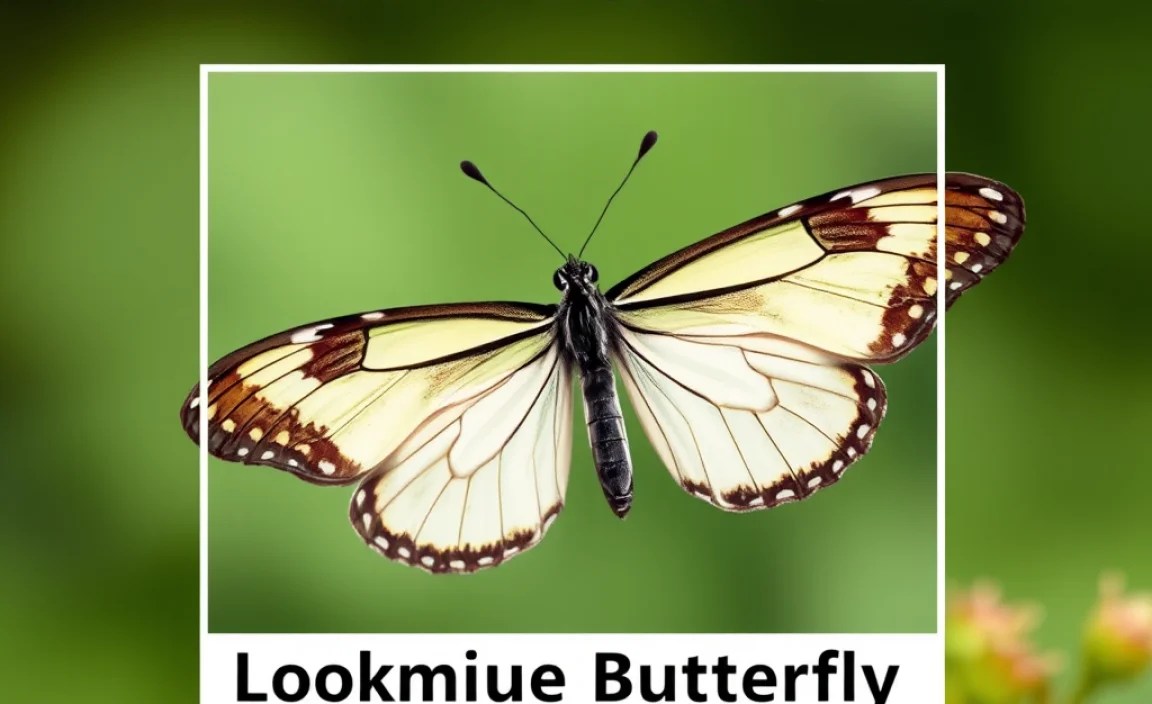
Many butterflies look alike. This can make identification difficult. The Monarch and Viceroy are a classic example. They both have orange wings with black lines. The Viceroy mimics the Monarch to avoid predators. Another example is the Pipevine Swallowtail and the Black Swallowtail. These butterflies are both dark-colored with similar wing shapes. The Question Mark and Eastern Comma butterflies also look similar. They both have orange and brown wings with a small white mark. Learning to tell these lookalike butterflies identification apart requires careful observation. Pay attention to the small details. Look for subtle differences in color and pattern.
| Butterfly | Color | Wing Markings | Size |
|---|---|---|---|
| Monarch | Orange with black lines | Distinct black veins | Large |
| Viceroy | Orange with black lines | Black line across hindwing | Medium |
| Pipevine Swallowtail | Black with iridescent blue | Rows of white spots | Large |
| Black Swallowtail | Black with yellow spots | Bright yellow spots | Large |
- Monarch and Viceroy are well-known mimics.
- Pipevine and Black Swallowtails are dark-colored.
- Question Mark and Eastern Comma have similar patterns.
- Red-spotted Purple and Viceroy share similar markings.
- Tiger Swallowtail and Spicebush Swallowtail have yellow wings.
Understanding the differences between these lookalike butterflies can be fun. It’s like solving a puzzle. The more you learn, the easier it becomes. Use field guides and online resources to help you. Compare the photos and descriptions carefully. Practice identifying butterflies in your backyard or local park. With time and effort, you will become an expert. You’ll be able to impress your friends and family with your knowledge. You’ll contribute to butterfly conservation efforts. Lookalike butterflies identification is a skill that benefits both you and the environment.
Fun Fact or Stat: The Viceroy butterfly tastes bad, just like the Monarch!
Monarch vs. Viceroy
Can you tell the difference between a Monarch and a Viceroy? These two butterflies look very similar. The Monarch is a bright orange butterfly with black lines. The Viceroy is also orange with black lines. But, there is one key difference. The Viceroy has a black line across its hindwing. The Monarch does not have this line. Also, the Monarch is slightly larger than the Viceroy. The Monarch is poisonous to predators. The Viceroy mimics the Monarch to protect itself. Birds avoid eating both butterflies because they look alike. This is a clever survival strategy.
Swallowtail Variations
Swallowtail butterflies are beautiful and diverse. But, some species can be hard to tell apart. The Pipevine Swallowtail and the Black Swallowtail are two examples. Both are dark-colored with similar wing shapes. The Pipevine Swallowtail has iridescent blue on its wings. The Black Swallowtail has yellow spots. Another pair of lookalikes are the Eastern Tiger Swallowtail and the Spicebush Swallowtail. Both have yellow wings with black stripes. The Eastern Tiger Swallowtail is larger and has more distinct stripes. The Spicebush Swallowtail has blue spots on its hindwings.
Comma and Question Mark
The Question Mark and Eastern Comma butterflies are often confused. They both have orange and brown wings. They also have a small white mark on their hindwings. The Question Mark has a curved white mark that looks like a question mark. The Eastern Comma has a straight or slightly curved white mark. The Question Mark also has more jagged wing edges. The Eastern Comma has smoother wing edges. These subtle differences can help you identify these butterflies. Look closely at the white mark and the wing edges.
Using Field Guides and Resources
Field guides are essential tools for butterfly identification. They provide pictures and descriptions of different species. They also include information about habitats and behaviors. When using a field guide, start by looking at the pictures. Find the butterflies that look most similar to the one you saw. Then, read the descriptions carefully. Pay attention to the key features. Note the size, color, and wing patterns. Also, consider the location where you saw the butterfly. Some species only live in certain areas. Online resources can also be helpful. Many websites and apps have photos and information. These resources can help you compare different species. They can also provide updated information on butterfly distributions. Combining field guides and online resources can make lookalike butterflies identification easier.
- Field guides offer pictures and descriptions.
- Online resources provide updated information.
- Compare photos carefully.
- Read descriptions thoroughly.
- Consider the location.
- Use multiple resources.
Remember that butterfly identification takes practice. Don’t be discouraged if you make mistakes. The more you use field guides and resources, the better you will become. Join a local butterfly club or nature group. These groups often organize field trips and workshops. You can learn from experienced butterfly watchers. You can also share your own observations and discoveries. Lookalike butterflies identification becomes a fun, social activity. You’ll learn more about butterflies and connect with other nature lovers.
Fun Fact or Stat: Butterflies are cold-blooded and need the sun to warm up!
Choosing the Right Field Guide
How do you choose the right field guide? There are many different options available. Consider the region where you live. Choose a field guide that covers the butterflies in your area. Look for a field guide with clear, accurate pictures. The pictures should show the butterflies from different angles. They should also show the key features that are important for identification. Read reviews of different field guides. See what other butterfly watchers recommend. A good field guide will be a valuable tool in your butterfly identification journey. It will help you learn more about these amazing insects.
Online Databases and Apps
The internet is a treasure trove of information. There are many online databases and apps that can help you identify butterflies. These resources often have photos, descriptions, and distribution maps. Some apps even allow you to upload a photo of a butterfly. The app will then suggest possible identifications. Be sure to use reliable sources. Look for websites and apps that are created by experts. Also, remember that online resources are not always perfect. Always double-check your identifications with a field guide or expert. But, these resources can be a great way to learn more about butterflies.
Tips for Using Resources Effectively
To use field guides and online resources effectively, start by familiarizing yourself with the basic butterfly anatomy. Learn the names of the different parts of the wing. Understand the terms used to describe wing patterns and markings. When comparing photos, pay attention to the details. Look for subtle differences in color, size, and shape. Read the descriptions carefully. Note the key features that are mentioned. Also, consider the habitat and behavior of the butterfly. Where did you see it? What was it doing? By combining all this information, you can make accurate identifications.
Observing Butterfly Behavior
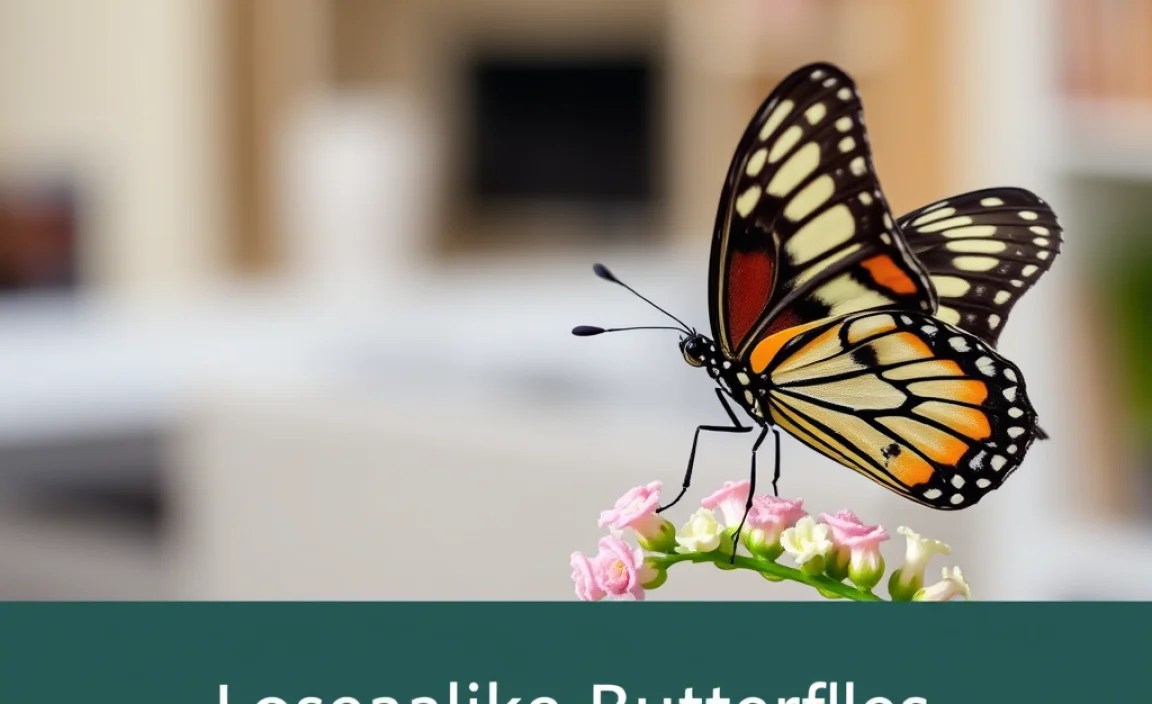
Butterfly behavior can provide important clues for identification. How does the butterfly fly? Some butterflies have a fast, erratic flight. Others have a slow, graceful flight. What plants does the butterfly visit? Some species prefer certain host plants for laying their eggs. Others feed on nectar from specific flowers. When is the butterfly active? Some species are active during the day. Others are active at dawn or dusk. Where does the butterfly rest? Some butterflies perch on leaves. Others rest on the ground. By observing these behaviors, you can gather valuable information. This information can help you narrow down the possibilities. It enhances lookalike butterflies identification.
- Flight patterns vary among species.
- Host plants offer clues.
- Activity times differ.
- Resting habits are unique.
- Territorial behavior matters.
- Mating rituals are distinctive.
Learning to observe butterfly behavior takes practice. Spend time in your backyard or local park. Watch the butterflies carefully. Take notes on their flight patterns, feeding habits, and resting behaviors. Use a field guide to learn about the specific behaviors of different species. Join a butterfly walk or nature tour. An expert can point out interesting behaviors. Lookalike butterflies identification becomes more than just recognizing appearance. You learn about their world.
Fun Fact or Stat: Some butterflies migrate thousands of miles each year!
Flight Patterns and Styles
Have you ever watched a butterfly fly and wondered why it moves that way? Butterflies have different flight patterns. These patterns can help with identification. Some butterflies, like skippers, have a fast, jerky flight. Others, like swallowtails, have a more graceful, gliding flight. Monarchs are known for their strong, steady flight. They migrate long distances. The way a butterfly flies depends on its wing shape and size. It also depends on the butterfly’s purpose. Is it searching for food? Is it trying to attract a mate? Is it escaping from a predator?
Feeding Habits and Nectar Sources
Butterflies need nectar to survive. They visit flowers to drink the nectar. Different butterflies prefer different flowers. This can be a helpful clue for identification. Some butterflies, like Monarchs, prefer milkweed flowers. Others, like swallowtails, prefer butterfly bush flowers. Some butterflies are generalists. They will feed on a variety of flowers. Others are specialists. They will only feed on a few specific types of flowers. Observing which flowers a butterfly visits can help you narrow down the possibilities. It can also help you understand the butterfly’s habitat.
Resting and Basking Behaviors
Butterflies are cold-blooded. They need to warm up in the sun. They often bask in the sun to raise their body temperature. Basking behavior can vary among species. Some butterflies spread their wings wide open to absorb the sun’s rays. Others hold their wings closed. They turn their bodies to face the sun. The way a butterfly rests can also be a clue. Some butterflies perch on leaves. Others rest on the ground. Some butterflies prefer to rest in shady areas. Others prefer sunny spots.
Regional Variations in Species
Butterfly species can vary from region to region. This is because of differences in climate, habitat, and food sources. A butterfly that looks one way in California may look slightly different in Florida. These regional variations can make identification challenging. It’s important to consider the location. Use field guides and resources that are specific to your region. Also, be aware that some species have subspecies. Subspecies are distinct populations. They have unique characteristics. These characteristics are specific to a certain area. Learning about regional variations can improve your lookalike butterflies identification skills.
- Climate affects butterfly appearance.
- Habitat influences species distribution.
- Food sources vary by region.
- Subspecies have unique traits.
- Hybrids can complicate identification.
- Migration patterns shift.
Studying regional variations can be fascinating. It shows how butterflies adapt to different environments. It also highlights the importance of conservation. Protecting butterfly habitats in different regions is crucial. It ensures that these beautiful insects continue to thrive. Lookalike butterflies identification becomes more complex. It also becomes more rewarding. You can appreciate the diversity of butterflies and the role they play in the ecosystem.
Fun Fact or Stat: Some butterflies hibernate during the winter!
Climate and Habitat Influence
How does climate affect butterflies? Climate plays a big role in butterfly distribution. Some butterflies can only survive in warm climates. Others can tolerate colder temperatures. Climate also affects the timing of butterfly activity. In warmer regions, butterflies may be active year-round. In colder regions, they may only be active during the summer. Habitat is also important. Different butterflies prefer different habitats. Some prefer forests, while others prefer meadows. The type of plants in an area can also affect butterfly distribution.
Subspecies and Hybrids
What are subspecies and hybrids? A subspecies is a distinct population of a species. It has unique characteristics. These characteristics are specific to a certain area. A hybrid is a cross between two different species. Hybrids can occur when two closely related species live in the same area. Subspecies and hybrids can complicate butterfly identification. They may have a combination of traits. These traits make it difficult to assign them to a specific species. It’s important to be aware of these possibilities.
Migration and Range Expansion
Some butterflies migrate long distances. The Monarch butterfly is famous for its migration. It travels thousands of miles each year. Other butterflies may migrate shorter distances. They may expand their range into new areas. Migration and range expansion can affect butterfly distribution. They can also introduce new species to an area. This can make identification more challenging. It’s important to stay up-to-date on the latest information. Pay attention to reports of new butterfly sightings.
Photographing Butterflies for Identification
Taking good photos of butterflies can greatly help with identification. A clear, close-up photo can capture important details. These details include wing patterns, colors, and shapes. When photographing butterflies, try to get as close as possible. Use a macro lens if you have one. This will allow you to capture fine details. Make sure the butterfly is in focus. A blurry photo is not helpful. Take photos from different angles. Capture both the top and underside of the wings. Also, try to photograph the butterfly’s body. Note the colors and patterns on its head, thorax, and abdomen. These photos will assist with lookalike butterflies identification.
- Use a macro lens for close-ups.
- Focus carefully on the butterfly.
- Capture different angles.
- Photograph both sides of the wings.
- Note the body characteristics.
- Take multiple shots.
After you have taken your photos, review them carefully. Look for the key features that are important for identification. Compare your photos with those in a field guide or online resource. If you are unsure of the identification, ask an expert. Share your photos with a local butterfly club or nature group. They can help you identify the butterfly. Lookalike butterflies identification becomes easier with practice. Also, it becomes more fun.
Fun Fact or Stat: Butterflies can see ultraviolet light!
Equipment and Settings
What equipment do you need to photograph butterflies? A good camera is essential. A macro lens is helpful for close-up shots. A tripod can help you keep the camera steady. This is especially important in low light. As for camera settings, use a small aperture. This will give you a greater depth of field. Use a fast shutter speed to freeze the butterfly’s motion. Use a low ISO to reduce noise. Experiment with different settings. See what works best for you.
Composition and Lighting
Composition and lighting are important for creating beautiful butterfly photos. When composing your shot, try to fill the frame with the butterfly. Avoid clutter in the background. Use natural light whenever possible. Avoid harsh shadows. If you are shooting in bright sunlight, try to diffuse the light. You can use a diffuser or find a shady spot. Pay attention to the background. A blurred background can help to isolate the butterfly.
Tips for Approaching Butterflies
Butterflies are easily startled. It can be tricky to get close enough to photograph them. Approach butterflies slowly and quietly. Avoid sudden movements. Try to approach them from the side or behind. If a butterfly flies away, don’t chase it. Wait for it to land again. Be patient. Eventually, you will get the shot you want. Remember to respect the butterfly and its habitat. Do not disturb the butterfly or its surroundings.
Summary
Lookalike butterflies identification can be challenging, but it’s also a rewarding hobby. By focusing on key features like wing patterns, size, and shape, you can learn to distinguish between similar species. Field guides and online resources are valuable tools. Observing butterfly behavior provides additional clues. Regional variations can complicate identification. Taking good photos can help you capture important details. Remember that practice makes perfect. The more you observe and learn, the better you will become at identifying butterflies.
Understanding why identification is important helps us to conserve butterflies and their habitat. It also help scientists to study their populations and learn their behavior.
Conclusion
Learning to identify butterflies is a fun way to connect with nature. It requires patience and attention to detail. But, the rewards are great. You’ll gain a deeper appreciation for these beautiful insects. You’ll also contribute to conservation efforts. By mastering lookalike butterflies identification, you can share your knowledge with others.
Frequently Asked Questions
Question No 1: What is the hardest part about identifying butterflies?
Answer: The hardest part is that some butterflies look very similar! They might have the same colors or patterns. This is called being a “lookalike.” For example, the Monarch and Viceroy butterflies are both orange with black lines. It takes a good look to see the differences. This is why using field guides and paying attention to details is very important when doing lookalike butterflies identification. With practice, it gets easier to spot the small things that make each butterfly unique.
Question No 2: What tools do I need to start identifying butterflies?
Answer: You don’t need a lot of fancy tools! A good field guide is the most important thing. This book will have pictures and descriptions of different butterflies. A magnifying glass can help you see small details on their wings. A notebook and pencil are useful for writing down what you see. If you want to take pictures, a camera is great. But, you can also draw the butterflies you find. These tools will help you with lookalike butterflies identification.
Question No 3: How can I attract more butterflies to my yard?
Answer: You can make your yard a butterfly paradise! Plant flowers that butterflies love. Milkweed, butterfly bush, and zinnias are great choices. Avoid using pesticides, which can harm butterflies. Provide a water source, like a shallow dish of water with pebbles. Leave out some ripe fruit for them to snack on. These things will attract more butterflies to your yard. You will have more chances to practice your lookalike butterflies identification skills.
Question No 4: What do butterflies eat?
Answer: Butterflies mainly eat nectar from flowers. Nectar is a sugary liquid that gives them energy. Some butterflies also eat tree sap, rotting fruit, or even mud. Mud provides them with important minerals. Caterpillars, which are baby butterflies, eat leaves. Different caterpillars eat different kinds of leaves. This is why it’s important to have a variety of plants in your yard. Make sure the plants are safe and will help you with lookalike butterflies identification.
Question No 5: How long do butterflies live?
Answer: Butterfly lifespans vary a lot! Some butterflies only live for a few weeks. Others, like Monarchs, can live for several months. The lifespan depends on the species and the environment. Some butterflies migrate long distances. This takes a lot of energy and can shorten their lives. Other butterflies hibernate during the winter. They then emerge in the spring to reproduce. Consider the life cycle of butterflies as you continue with lookalike butterflies identification.
Question No 6: Are butterflies important to the environment?
Answer: Yes, butterflies are very important! They are pollinators. This means they help plants make seeds. As they fly from flower to flower, they carry pollen. Pollen helps the plants reproduce. Butterflies are also a food source for birds and other animals. They are part of the food chain. By identifying and protecting butterflies, we can help keep our environment healthy. Studying the butterflies can help you with lookalike butterflies identification.


