
Butterfly Species Guide by Region: Find Yours!

Have you ever seen a butterfly? They flutter around like colorful flowers. Butterflies are insects. There are many kinds of butterflies. This butterfly species guide by region will help you learn about them.
Butterflies live all over the world. Some like hot places. Others like cold places. Each region has its own special butterflies. Let’s explore the world of butterflies!
Did you know butterflies taste with their feet? It’s true! They also have beautiful wings. These wings help them fly and find food. This butterfly species guide by region will show you their cool habitats.
Key Takeaways
- A butterfly species guide by region is helpful for identification and conservation.
- Different regions support unique butterfly species due to varying climates.
- Butterflies play a vital role in pollination, benefiting ecosystems.
- Understanding butterfly habitats aids in protecting these beautiful creatures.
- Many resources exist to learn more about local butterfly populations.
Butterfly Identification by Region
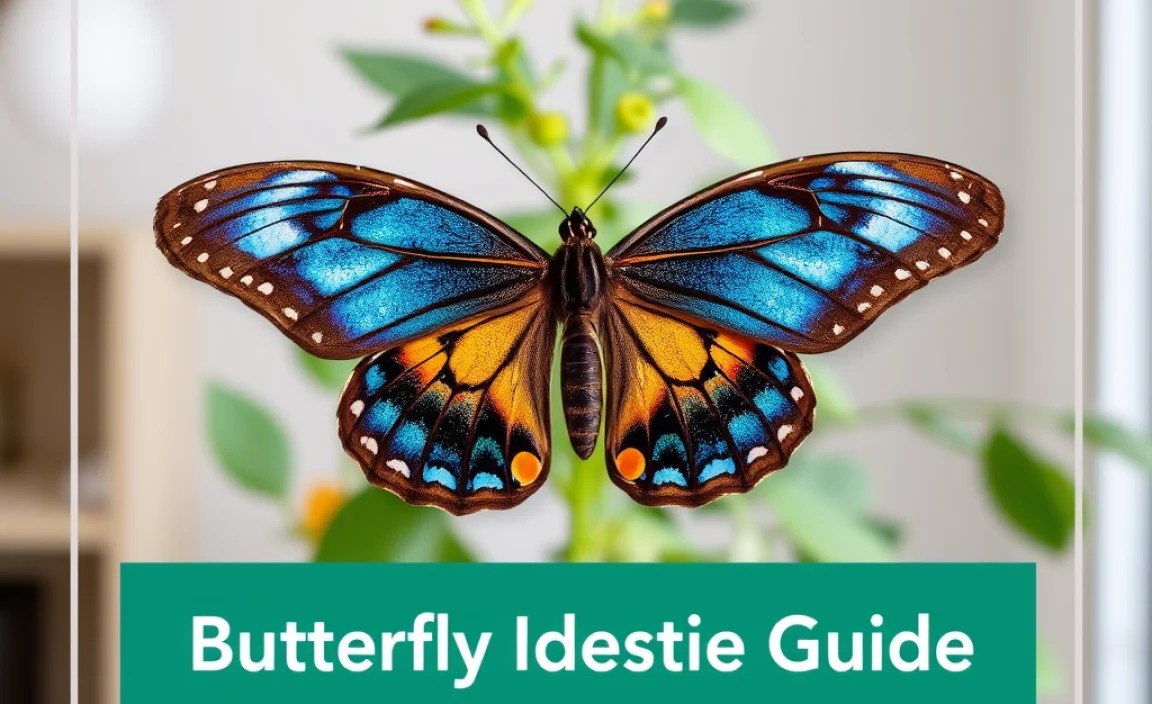
Identifying butterflies can be super fun. Butterflies in different regions look different. They have different colors and patterns. This helps them survive in their homes. A butterfly species guide by region can help you learn about these differences. The guide tells you what to look for. It shows you pictures of each butterfly. It also tells you where they live. When you use a guide, you can identify butterflies like a pro! Imagine you are walking in a park. You see a bright yellow butterfly. You can use your guide to find out its name. Knowing about butterflies makes exploring nature even more exciting!
- Color patterns help identify butterflies.
- Size varies among different species.
- Wing shape is another key feature.
- Habitat can give clues about the species.
- Caterpillars look different from butterflies.
Butterfly species guide by region are useful for many reasons. They help scientists study butterflies. They help people learn about nature. They also help protect butterflies. When we know what butterflies live where, we can protect their homes. We can plant the right flowers for them to eat. We can stop using harmful chemicals. By using a guide, we can help butterflies survive. It’s like being a butterfly superhero! Every little bit helps. Learning about butterflies is a great way to care for our planet.
Fun Fact or Stat: The Monarch butterfly migrates thousands of miles each year!
How to Spot a Butterfly?
Do you want to see more butterflies? It’s easier than you think! First, go to a sunny place. Butterflies love the sunshine. Look for flowers. Butterflies like to drink nectar from flowers. Move slowly and quietly. Butterflies can be easily scared. Bring a butterfly species guide by region book. This will help you identify the butterflies you see. Watch carefully. You might see a butterfly laying eggs on a leaf. You could see a caterpillar munching on a plant. Observing butterflies is a fun way to spend time outdoors. It’s also a great way to learn about nature. So grab your guide and head outside!
Why Are Butterfly Guides Important?
Have you ever wondered why we need butterfly guides? They are very important! Butterfly guides help us learn about different kinds of butterflies. They show us where butterflies live. They also tell us what butterflies eat. This information helps us protect butterflies. Some butterflies are in danger. Their homes are being destroyed. People are using harmful chemicals. By learning about butterflies, we can help them. We can protect their homes. We can stop using chemicals that hurt them. A butterfly species guide by region is a tool for conservation. It helps us be good stewards of our planet. So, let’s use these guides to help butterflies thrive!
Regional Differences Among Butterflies
Butterflies are not the same everywhere you go. Different regions have different butterflies. Some butterflies like warm places. Others like cold places. The food they eat also changes. A butterfly species guide by region shows these differences. For example, the Monarch butterfly lives in North America. The Queen Alexandra’s Birdwing lives in Papua New Guinea. They look very different! They also live in very different places. Learning about these differences is fascinating. It teaches us about the world’s amazing biodiversity. It also shows us how butterflies adapt to their environments. So, explore the world through butterflies!
Common Butterfly Habitats by Region

Butterflies live in many different places. These places are called habitats. Some butterflies live in forests. Others live in meadows. Some even live in deserts! The habitat a butterfly lives in depends on what it needs. It needs food, water, and shelter. A butterfly species guide by region tells you about these habitats. For example, the Spicebush Swallowtail lives in forests with spicebush plants. The plants are food for the caterpillars. The Monarch butterfly lives in fields with milkweed plants. The milkweed is food for its caterpillars. Understanding butterfly habitats helps us protect them. We can make sure they have the right places to live.
- Forests provide shelter and food.
- Meadows offer nectar-rich flowers.
- Deserts have specific adaptations for butterflies.
- Gardens can be butterfly-friendly habitats.
- Wetlands support unique butterfly species.
Knowing about common butterfly habitats is very useful. It helps us understand why butterflies live where they do. It also helps us protect their homes. When we build houses or roads, we need to be careful. We don’t want to destroy butterfly habitats. We can create butterfly gardens. We can plant flowers that butterflies like. We can avoid using harmful chemicals. By protecting butterfly habitats, we can help butterflies survive. A butterfly species guide by region will give a lot of information. Every small action can make a big difference. Let’s work together to protect these beautiful creatures and their homes.
Fun Fact or Stat: Some butterfly species migrate over 3,000 miles to find suitable habitats!
What Is a Butterfly Habitat?
Have you ever thought about where butterflies live? They need a place with the right food and shelter. This place is called a habitat. A butterfly habitat has flowers for nectar. It also has plants for caterpillars to eat. The habitat should be safe from predators. It should also have the right amount of sunlight and water. Different butterflies need different habitats. Some like forests, others like meadows. Learning about butterfly habitats is important. A butterfly species guide by region will show you the most likely places. We can protect their homes. We can make sure they have what they need to survive. So, let’s learn about butterfly habitats!
Different Regions, Different Habitats
The world is full of different regions. Each region has its own special habitats. Some regions are hot and dry. Others are cold and wet. Butterflies have adapted to these different habitats. In a desert, you might find butterflies that can survive with little water. In a rainforest, you might find butterflies that love the humidity. A butterfly species guide by region can help you understand these differences. It can show you which butterflies live where. It can also explain how they survive in their habitats. Learning about regional differences is fascinating. It shows how nature is diverse and amazing!
Protecting Butterfly Habitats
Butterflies are in trouble. Many butterfly habitats are being destroyed. This is because of human activities. We are building houses, roads, and farms. We are also using harmful chemicals. These things destroy butterfly habitats. We need to protect butterfly habitats. We can do this by planting native plants. These plants provide food and shelter for butterflies. We can also avoid using harmful chemicals. We can support organizations that protect butterfly habitats. Every little bit helps. By protecting butterfly habitats, we can help butterflies survive. A butterfly species guide by region can help you find local conservation groups. Let’s be good stewards of our planet!
Endangered Butterfly Species by Location

Some butterflies are in danger. They are called endangered species. This means there are not many of them left. They are at risk of disappearing forever. Many things can cause a butterfly to become endangered. Habitat loss is a big one. Pollution is another. Climate change also affects butterflies. A butterfly species guide by region can tell you which butterflies are endangered. It can also tell you why they are endangered. For example, the Karner Blue butterfly is endangered. It lives in the eastern United States. Its habitat is being destroyed by development. The Miami Blue butterfly is also endangered. It lives in Florida. Its habitat is threatened by rising sea levels.
- Habitat loss is a major threat.
- Pollution harms butterfly populations.
- Climate change affects butterfly habitats.
- Pesticide use can kill butterflies.
- Invasive species compete with butterflies.
Knowing about endangered butterflies is important. It helps us understand the challenges they face. It also inspires us to take action. We can help protect endangered butterflies. We can support organizations that work to conserve them. We can plant native plants in our gardens. We can avoid using harmful chemicals. We can educate others about the importance of butterflies. A butterfly species guide by region will show the most vulnerable ones. Every action, no matter how small, can make a difference. Let’s work together to protect these beautiful and important creatures.
Fun Fact or Stat: Some endangered butterfly species have fewer than 100 individuals left in the wild!
What Makes a Butterfly Endangered?
Have you ever wondered why some butterflies are endangered? It’s a serious problem. Many things can cause a butterfly to become endangered. One big reason is habitat loss. When we destroy forests and meadows, butterflies lose their homes. Another reason is pollution. Chemicals can harm butterflies and their food. Climate change is also a threat. It can change the weather patterns that butterflies rely on. A butterfly species guide by region can help you understand these threats. It can also inspire you to take action. We can all do our part to protect butterflies!
Examples of Endangered Butterflies
There are many endangered butterflies around the world. The Karner Blue butterfly is one example. It lives in the eastern United States. It depends on wild lupine plants for food. The Miami Blue butterfly is another example. It lives in Florida. It is threatened by habitat loss and rising sea levels. The Lange’s Metalmark butterfly lives in California. It is threatened by habitat destruction and invasive plants. These are just a few examples. A butterfly species guide by region can show you many more. By learning about these butterflies, we can help protect them.
How Can We Help Endangered Butterflies?
Endangered butterflies need our help. There are many things we can do to protect them. We can protect their habitats. We can support organizations that conserve butterflies. We can plant native plants in our gardens. These plants provide food and shelter for butterflies. We can avoid using harmful chemicals. We can educate others about the importance of butterflies. Even small actions can make a big difference. A butterfly species guide by region might provide contact information to local conservation groups. Let’s work together to help endangered butterflies thrive!
Butterfly Life Cycle Variations by Climate
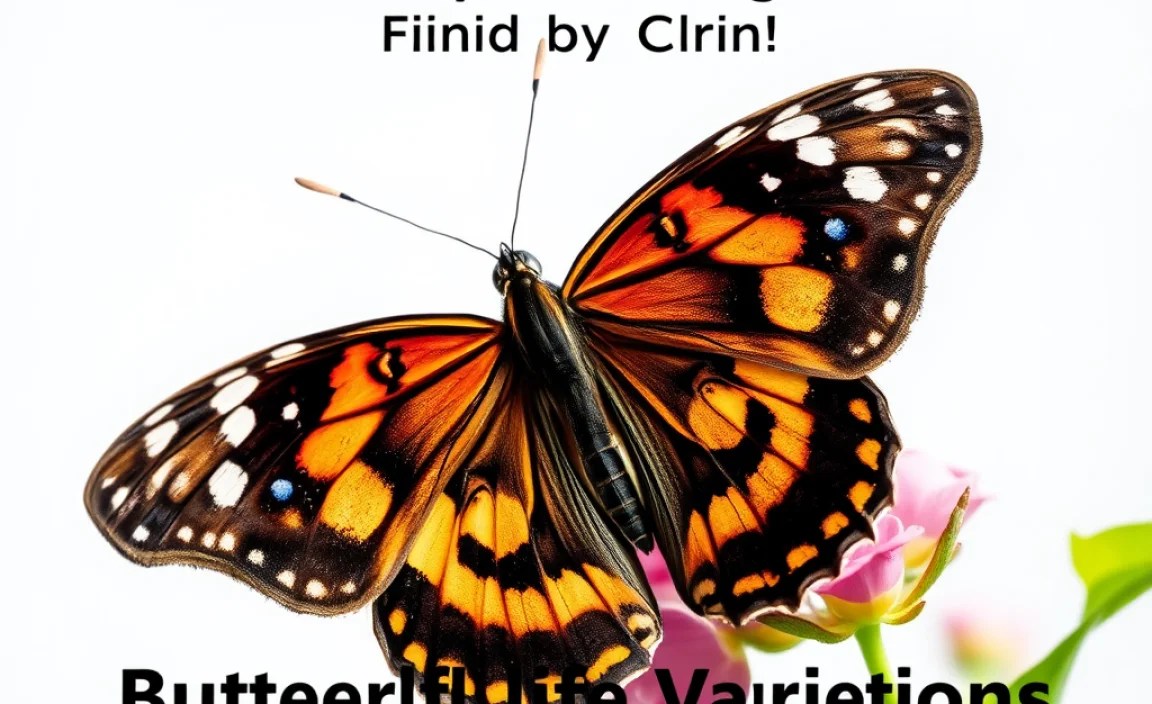
Butterflies have an amazing life cycle. They start as tiny eggs. Then they become caterpillars. Next, they turn into pupae. Finally, they emerge as beautiful butterflies. This life cycle can vary depending on the climate. In warm climates, butterflies might have several generations in a year. In cold climates, they might only have one. The butterfly species guide by region can explain these variations. For example, the Monarch butterfly migrates to warmer climates in the winter. This allows it to survive the cold. Other butterflies stay in the same place all year round. They adapt to the changing seasons.
| Climate | Life Cycle Speed | Number of Generations | Adaptations |
|---|---|---|---|
| Warm | Faster | Multiple | Continuous breeding |
| Temperate | Moderate | One to Two | Seasonal migration or hibernation |
| Cold | Slower | One | Dormancy during winter |
| Tropical | Fastest | Many | Year-round activity |
Understanding how climate affects butterfly life cycles is important. It helps us predict how butterflies might respond to climate change. It also helps us protect them. We can create habitats that are suitable for butterflies in different climates. We can also help them adapt to changing conditions. A butterfly species guide by region can provide specific information about local butterfly populations. Every action we take can make a difference. Let’s work together to ensure that butterflies thrive in all climates.
Fun Fact or Stat: Some butterfly species can spend up to 9 months as a pupa to survive harsh winters!
How Does Climate Affect Butterfly Eggs?
Butterfly eggs are very delicate. Climate can have a big impact on them. In warm climates, eggs hatch quickly. In cold climates, eggs might take longer to hatch. Some eggs might even die if it gets too cold. The butterfly species guide by region can tell you about the climate in your region. It also tells you what to expect. Some butterflies lay their eggs in sheltered places. This protects them from the weather. Other butterflies lay their eggs on specific plants. These plants provide food for the caterpillars when they hatch. Learning about butterfly eggs is fascinating. It helps us understand how butterflies survive.
The Caterpillar Stage and Climate
Caterpillars are the eating machines of the butterfly world. They need to eat a lot to grow. Climate affects how much food is available. In warm climates, plants grow quickly. This means caterpillars have plenty to eat. In cold climates, plants grow slowly. This means caterpillars might have less to eat. Some caterpillars even hibernate during the winter. They wait until spring to start eating again. A butterfly species guide by region can show you the caterpillar food sources. Understanding how climate affects caterpillars is important. It helps us protect them.
Butterfly Migration and Climate
Some butterflies migrate to warmer climates in the winter. The Monarch butterfly is a famous example. It flies thousands of miles to Mexico. Other butterflies stay in the same place all year round. They adapt to the changing seasons. Climate change is affecting butterfly migration patterns. Some butterflies are migrating earlier or later than usual. This can cause problems for them. They might miss the flowers they need for food. We need to understand how climate change is affecting butterflies. A butterfly species guide by region may contain recent observations. We can help them adapt to these changes.
Attracting Butterflies to Your Garden by Area

Do you want to see more butterflies in your garden? It’s easier than you think! You can create a butterfly-friendly garden. First, plant flowers that butterflies like. Butterflies love nectar-rich flowers. Some good choices include milkweed, butterfly bush, and zinnias. Make sure to plant a variety of flowers. This will attract different kinds of butterflies. Also, provide a water source. Butterflies need water to drink. You can put out a shallow dish of water with some pebbles. The pebbles will give the butterflies a place to land. A butterfly species guide by region can help you select the right plants. Avoid using harmful chemicals. These can kill butterflies and their caterpillars.
- Plant nectar-rich flowers.
- Provide a water source.
- Avoid using pesticides.
- Offer host plants for caterpillars.
- Create a sunny and sheltered spot.
Attracting butterflies to your garden is a rewarding experience. You can watch them flutter around your flowers. You can also help them survive. Butterflies are important pollinators. They help plants reproduce. By creating a butterfly-friendly garden, you are helping the environment. It’s also a great way to connect with nature. A butterfly species guide by region might have a section on garden design. You can learn about the specific needs of local butterflies. Plant native plants. Protect their habitats. Enjoy the beauty of butterflies in your garden. It’s a win-win for everyone!
Fun Fact or Stat: A butterfly garden can attract over 50 different butterfly species!
Choosing the Right Flowers
Choosing the right flowers is key to attracting butterflies. Different butterflies like different flowers. Do some research to find out which flowers are best for your area. Native plants are always a good choice. They are adapted to your local climate. They also provide the best food for butterflies. Milkweed is a must-have for Monarch butterflies. Butterfly bush is another popular choice. Zinnias are colorful and easy to grow. A butterfly species guide by region will list all the best plants. Plant a variety of flowers to attract different kinds of butterflies.
Providing a Water Source
Butterflies need water to drink. But they can’t drink from deep puddles. They might drown. Provide a shallow dish of water with some pebbles. The pebbles will give the butterflies a place to land. You can also use a bird bath. Just make sure the water is shallow. Another option is to create a mud puddle. Butterflies love to drink from mud puddles. They get minerals from the mud. A butterfly species guide by region might include the best ways to offer water in your area. Providing a water source is a simple way to help butterflies.
Avoiding Harmful Chemicals
Harmful chemicals can kill butterflies and their caterpillars. Avoid using pesticides in your garden. These chemicals can poison butterflies. They can also kill the plants that caterpillars eat. Herbicides can also be harmful. They kill weeds, but they can also harm other plants. Choose organic gardening methods instead. Use natural fertilizers and pest control methods. A butterfly species guide by region may suggest organic gardening solutions. By avoiding harmful chemicals, you can create a safe haven for butterflies.
Butterfly Conservation Efforts Globally
Butterflies are facing many threats. Habitat loss, pollution, and climate change are all impacting butterfly populations. Many people are working to protect butterflies. These efforts are called butterfly conservation. Conservation groups are working to protect butterfly habitats. They are also educating people about the importance of butterflies. A butterfly species guide by region can highlight local conservation groups. Some groups are breeding butterflies and releasing them into the wild. This helps to increase butterfly populations. Other groups are studying butterflies to learn more about them. This information helps us protect butterflies more effectively.
- Habitat restoration projects help butterflies.
- Captive breeding programs increase populations.
- Research provides crucial information.
- Education raises awareness about butterflies.
- Policy changes can protect butterfly habitats.
Butterfly conservation is important for many reasons. Butterflies are important pollinators. They help plants reproduce. They are also an important part of the food chain. Many animals eat butterflies. By protecting butterflies, we are protecting the entire ecosystem. You can help with butterfly conservation. You can support conservation groups. You can plant native plants in your garden. You can avoid using harmful chemicals. A butterfly species guide by region can offer specific volunteer opportunities. Every action, no matter how small, can make a difference. Let’s work together to protect these beautiful creatures and their habitats.
Fun Fact or Stat: Butterfly conservation efforts have helped bring some species back from the brink of extinction!
The Role of Conservation Groups
Conservation groups play a vital role in protecting butterflies. These groups work to protect butterfly habitats. They also educate people about the importance of butterflies. Some groups are breeding butterflies and releasing them into the wild. This helps to increase butterfly populations. Other groups are studying butterflies to learn more about them. This information helps us protect butterflies more effectively. A butterfly species guide by region can connect you with local groups. Support these groups to help them continue their important work.
How Education Helps Butterfly Conservation
Education is key to butterfly conservation. When people learn about butterflies, they are more likely to care about them. They are also more likely to take action to protect them. Schools can teach children about butterflies. Museums can have exhibits about butterflies. Nature centers can offer programs about butterflies. You can also educate your friends and family about butterflies. Share what you have learned from this butterfly species guide by region. By raising awareness, we can help protect butterflies.
The Impact of Policy on Butterfly Conservation
Government policies can have a big impact on butterfly conservation. Policies can protect butterfly habitats. They can also regulate the use of harmful chemicals. Some policies provide funding for butterfly conservation efforts. You can advocate for policies that protect butterflies. Contact your elected officials. Let them know that you care about butterfly conservation. A butterfly species guide by region might suggest what policies are most beneficial. By supporting good policies, we can help protect butterflies.
Summary
Butterflies are beautiful and important insects. They live in many different regions around the world. Each region has its own unique butterfly species. A butterfly species guide by region can help you identify these butterflies. It can also help you learn about their habitats and life cycles. Some butterflies are endangered. They need our help to survive. We can protect butterflies by protecting their habitats. We can also avoid using harmful chemicals. We can plant native plants in our gardens. We can support conservation groups. Butterfly conservation is important for many reasons. Butterflies are important pollinators. They are also an important part of the food chain.
By protecting butterflies, we are protecting the entire ecosystem. You can use a butterfly species guide by region to make better choices. Every action, no matter how small, can make a difference. Let’s work together to ensure that butterflies thrive for generations to come. Learning about and protecting butterflies is a fun and rewarding experience. It’s a great way to connect with nature and make a positive impact on the world.
Conclusion
Butterflies are amazing creatures. They are beautiful, important, and fascinating. They face many challenges. Habitat loss, pollution, and climate change all threaten butterflies. We can help butterflies survive. We can protect their habitats. We can avoid using harmful chemicals. We can plant native plants in our gardens. We can support conservation groups. A butterfly species guide by region can show you local species to protect. Every action makes a difference. Let’s work together to protect these beautiful creatures. Let’s keep them fluttering for years to come.
Frequently Asked Questions
Question No 1: What is a butterfly species guide by region?
Answer: A butterfly species guide by region is a book or website. It helps you identify butterflies in a specific area. It usually includes pictures and descriptions of different butterfly species. It also tells you where they live and what they eat. These guides are useful for anyone interested in learning about butterflies. You can use them to identify butterflies in your backyard or on a hike. They are also helpful for scientists and conservationists. These guides are a great resource for learning about the amazing world of butterflies. You can often find them at libraries or nature centers.
Question No 2: How do I use a butterfly identification guide?
Answer: Using a butterfly identification guide is easy. First, find a butterfly. Then, look at its colors, patterns, and size. Next, compare the butterfly to the pictures in the guide. Read the descriptions carefully. Pay attention to the details. The guide will tell you where the butterfly lives. This can help you narrow down your choices. Look at the butterfly’s wings. Check the shapes and patterns. Once you find a matching picture, you have identified the butterfly! A butterfly species guide by region can be a useful tool. Remember to be patient and have fun!
Question No 3: What are some common butterflies in North America?
Answer: North America is home to many beautiful butterflies. The Monarch butterfly is one of the most famous. It migrates thousands of miles each year. The Swallowtail butterfly is another common one. It has distinctive tails on its wings. The Buckeye butterfly is known for its eye-spots. The Cabbage White butterfly is often seen in gardens. These are just a few examples. A good butterfly species guide by region will provide even more. Each butterfly is unique and beautiful. Learning about them is a fun way to explore nature. You may even see them in your own backyard.
Question No 4: How can I attract butterflies to my garden?
Answer: Attracting butterflies to your garden is simple. Plant flowers that butterflies like. Butterflies love nectar-rich flowers. Some good choices include milkweed, butterfly bush, and zinnias. Provide a water source. Butterflies need water to drink. You can put out a shallow dish of water with some pebbles. Avoid using harmful chemicals. These can kill butterflies and their caterpillars. A butterfly species guide by region might include information about host plants. Make your garden a butterfly paradise! By following these tips, you can enjoy the beauty of butterflies in your backyard.
Question No 5: What is the life cycle of a butterfly?
Answer: The life cycle of a butterfly is amazing. It starts with an egg. The egg hatches into a caterpillar. The caterpillar eats and grows. Then, it turns into a pupa, also called a chrysalis. Inside the pupa, the caterpillar transforms. Finally, a beautiful butterfly emerges. This whole process is called metamorphosis. Some species and climates will impact the butterfly. A butterfly species guide by region will provide additional context. It’s one of nature’s most incredible transformations. Each stage is important for the butterfly’s survival. This helps them to become the beautiful creatures we see flying around us.
Question No 6: Why are butterflies important to the environment?
Answer: Butterflies are important pollinators. They help plants reproduce. They carry pollen from one flower to another. This helps plants make seeds and fruits. Butterflies are also part of the food chain. Many animals eat butterflies. By protecting butterflies, we are protecting the entire ecosystem. They also serve as indicators of environmental health. A decline in butterfly populations can signal problems in the environment. This is why understanding a butterfly species guide by region is important. They are a vital part of our planet. Protecting them is essential for a healthy environment.


