
Easy Butterfly Wing Pattern Identification Guide

Have you ever seen a butterfly up close? Their wings are so colorful and pretty. Did you know the patterns on their wings help us? Learning about butterfly wing pattern identification can be like becoming a nature detective. It helps us learn about different types of butterflies. Let’s explore the amazing world of butterfly wings!
Key Takeaways
- Butterfly wing pattern identification helps us understand different kinds of butterflies.
- Wing patterns include spots, stripes, and colors that make each butterfly unique.
- These patterns help butterflies attract mates and hide from predators.
- Different wing patterns can tell us where a butterfly lives and what it eats.
- Studying these patterns teaches us about nature and protecting butterflies.
Understanding Butterfly Wing Patterns
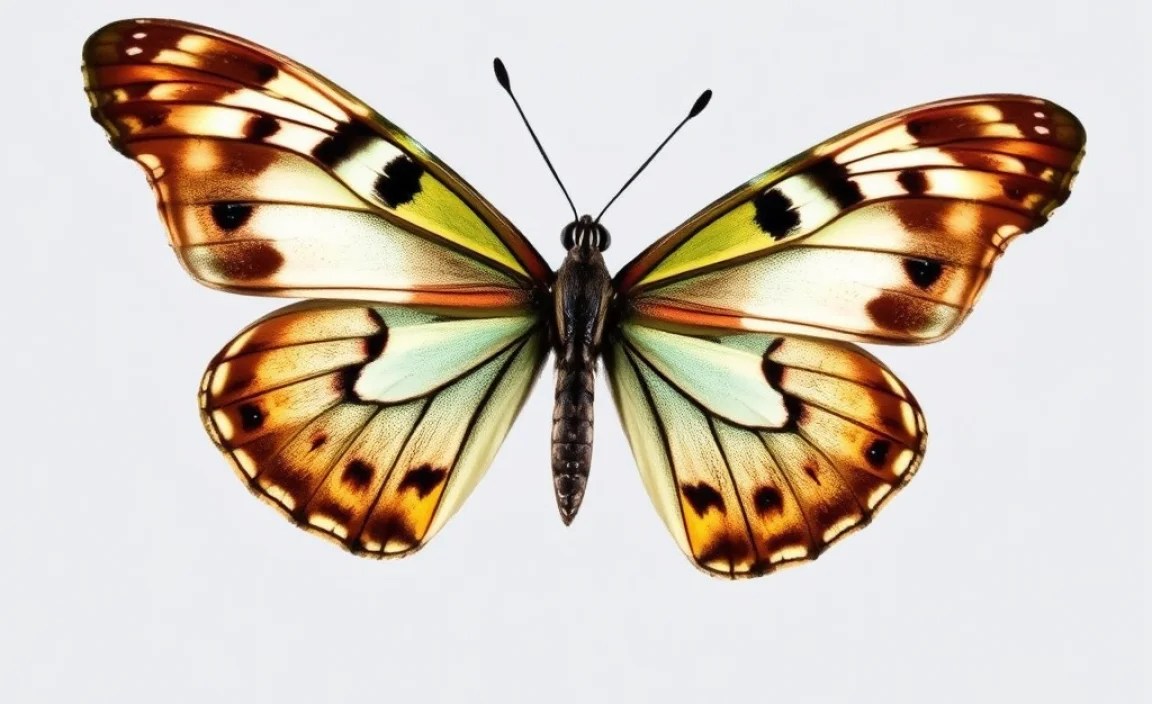
Have you ever wondered why butterflies have such beautiful wings? The patterns on their wings are not just for show. They help butterflies in many ways. Butterfly wing pattern identification is how we study these amazing designs. It helps us understand what the patterns mean. Scientists and nature lovers use these patterns to learn about different types of butterflies. These patterns can tell us where a butterfly lives. They can also tell us what the butterfly eats. Some patterns help butterflies hide from birds. Other patterns help them find a mate. Learning about these patterns is like unlocking a secret code of nature. It shows us how butterflies survive and thrive in their world. Each spot and stripe has a purpose.
- Wing patterns help butterflies hide.
- Patterns attract mates.
- Patterns can scare away predators.
- Some patterns mimic other insects.
- Colors warn predators that they are poisonous.
Imagine you are a butterfly. You need to hide from hungry birds. Your wing patterns help you blend in with leaves and flowers. This is called camouflage. Some butterflies have bright colors to warn predators they taste bad. This is called warning coloration. Some butterflies even have patterns that look like eyes. These eye spots can scare away predators. Other butterflies use their patterns to attract a mate. The males might have bright colors to impress the females. Butterfly wing pattern identification helps us understand all these amazing strategies. It shows us how each pattern helps the butterfly survive. It is like reading a story written on their wings. Each pattern tells a different part of their life.
Fun Fact or Stat: The Kallima butterfly, also known as the dead leaf butterfly, perfectly mimics a dried leaf when its wings are closed!
Why Study Wing Patterns?
Have you ever wondered why scientists study butterflies? One reason is to learn about their wing patterns. These patterns can tell us a lot about the butterfly. They can tell us where it lives. They can also tell us what it eats. Butterfly wing pattern identification is important for understanding butterfly evolution. It helps us see how butterflies have changed over time. It can also help us understand how they are related to each other. By studying these patterns, we can learn about the environment. We can see how changes in the environment affect butterflies. This can help us protect butterflies and their habitats. It is like being a detective, using clues from their wings to solve mysteries of nature.
What Tools Do Scientists Use?
Imagine you are a scientist studying butterflies. What tools would you use? Scientists use many tools to study butterfly wing pattern identification. They use magnifying glasses to see the patterns up close. They use cameras to take pictures of the wings. They also use computers to analyze the patterns. Sometimes, they use special microscopes to see the tiniest details. Scientists also collect butterflies to study them in the lab. They carefully pin the butterflies and label them. They record where and when the butterfly was found. All this information helps them understand the patterns better. It is like having a toolbox full of gadgets to unlock the secrets of butterfly wings.
How Does Climate Change Affect Patterns?
Have you heard about climate change? It is affecting butterflies too. Climate change can change the patterns on their wings. For example, some butterflies are getting darker. This might be because darker colors help them absorb more heat. Other butterflies are changing the timing of when they emerge. This can affect their wing patterns. Butterfly wing pattern identification helps us track these changes. It helps us see how butterflies are adapting to climate change. By studying these patterns, we can learn how to protect them. It is like being a doctor, checking the butterfly’s health to see how it is doing in a changing world.
Common Wing Patterns in Butterflies
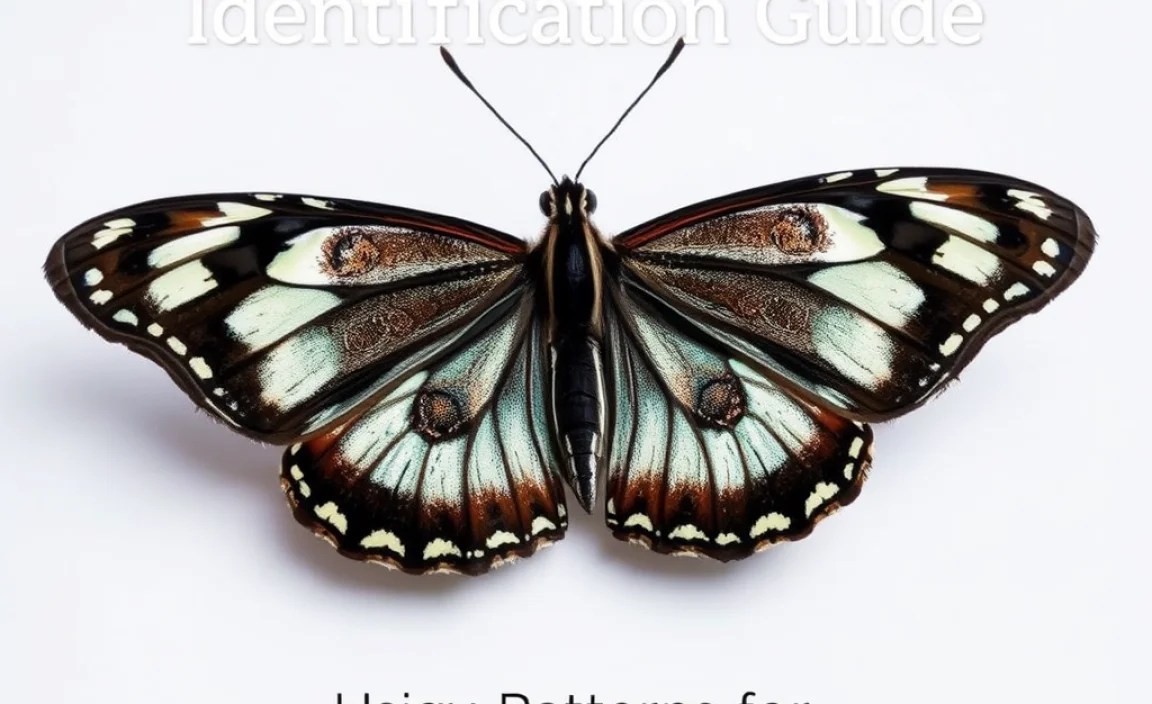
Butterflies have many different wing patterns. Some are simple, and some are very complex. These patterns help them survive in their environment. Butterfly wing pattern identification involves recognizing these common designs. Spots are a common pattern. They can help butterflies scare away predators. Stripes are another common pattern. They can help butterflies blend in with their surroundings. Some butterflies have eye spots. These look like eyes and can startle predators. Other butterflies have bright colors. These colors warn predators that they are poisonous. Learning about these patterns helps us understand the butterfly’s life. It is like learning a new language, where each pattern has a special meaning.
- Spots can scare predators.
- Stripes help with camouflage.
- Eye spots startle enemies.
- Bright colors warn of poison.
- Patterns attract mates.
- Some patterns mimic other insects.
Think about a monarch butterfly. It has bright orange wings with black lines and white spots. This pattern warns predators that it tastes bad. Now think about a viceroy butterfly. It looks very similar to the monarch. This is because it mimics the monarch’s warning pattern. This helps the viceroy avoid being eaten by predators. Butterfly wing pattern identification helps us tell these two butterflies apart. We can look closely at the patterns to see the differences. It is like being a detective, finding the clues that help us solve the mystery. Each pattern has a purpose, helping the butterfly survive in its world.
Fun Fact or Stat: The monarch butterfly migrates thousands of miles each year, and their wing patterns remain consistent across generations!
What Are Eye Spots For?
Have you ever seen a butterfly with eye spots on its wings? These spots look like the eyes of a larger animal. They can startle predators and give the butterfly a chance to escape. Butterfly wing pattern identification helps us understand how effective these eye spots are. Scientists believe that the size and placement of the eye spots are important. Larger eye spots may be more effective at scaring predators. Eye spots near the edge of the wing may also be more effective. It is like having a built-in defense system, where the eye spots act as a warning signal to potential enemies.
Why Do Some Have Stripes?
Imagine a butterfly trying to hide in tall grass. Stripes can help it blend in with the grass. This is because stripes break up the butterfly’s outline. This makes it harder for predators to see it. Butterfly wing pattern identification shows us that stripes are a common form of camouflage. Stripes are especially useful for butterflies that live in grassy areas. It is like wearing a disguise, where the stripes help the butterfly disappear into its surroundings.
How Do Colors Help Butterflies?
Butterflies use colors in many ways. Bright colors can warn predators that they are poisonous. Dull colors can help them blend in with their surroundings. Butterfly wing pattern identification helps us understand how colors affect butterfly survival. Some butterflies have iridescent colors. These colors change depending on the angle of the light. This can confuse predators and make it harder for them to catch the butterfly. It is like having a secret weapon, where the colors help the butterfly survive in a dangerous world.
Using Patterns for Butterfly Identification

Butterfly wing pattern identification is a key tool for knowing different butterflies. Each type has its own special marks. These marks are like a butterfly’s fingerprint. By studying these patterns, we can tell one butterfly from another. This is useful for scientists who study butterflies. It is also fun for anyone who loves nature. You can use a butterfly guidebook to help you. The guidebook will show you pictures of different butterfly wing patterns. You can compare the pictures to the butterflies you see. It is like being a detective, matching the clues to solve the case.
- Use a butterfly guidebook.
- Compare wing patterns to pictures.
- Look for unique spots or stripes.
- Note the colors of the wings.
- Check the size and shape of the wings.
- Consider the butterfly’s location.
Let’s say you see a butterfly with bright orange wings and black stripes. You look in your guidebook and find a picture of a monarch butterfly. You compare the pattern on the butterfly’s wings to the picture. They look the same! You have identified the butterfly as a monarch. But what if you see a butterfly that looks similar but has an extra black stripe? You might have found a viceroy butterfly. Butterfly wing pattern identification helps you notice these small differences. It is like learning to read a new language, where each pattern tells a story.
Fun Fact or Stat: Experts estimate there are around 20,000 species of butterflies in the world, each with unique wing patterns!
How to Use a Butterfly Guidebook
A butterfly guidebook is a great tool for butterfly wing pattern identification. The guidebook will have pictures of different butterflies. It will also have information about their wing patterns. To use the guidebook, first find a butterfly you want to identify. Then, look through the pictures in the guidebook. Try to find a picture that matches the butterfly you see. Pay attention to the colors, spots, and stripes on the wings. Read the information about the butterfly to confirm your identification. It is like having a cheat sheet for identifying butterflies, helping you unlock the secrets of their wings.
What If the Pattern Is Unusual?
Sometimes, you might see a butterfly with an unusual wing pattern. This could be because the butterfly is rare. Or, it could be because the butterfly is damaged. Butterfly wing pattern identification can be difficult in these cases. You might need to consult with an expert. An expert can help you identify the butterfly. They can also tell you if the pattern is normal or unusual. It is like having a detective partner, helping you solve the toughest cases of butterfly identification.
Why Is Location Important?
The location where you see a butterfly can help you identify it. Some butterflies only live in certain areas. For example, monarch butterflies migrate across North America. If you see a monarch butterfly in North America, you can be pretty sure that is what it is. Butterfly wing pattern identification combined with location is a powerful tool. It helps you narrow down the possibilities. It is like having a map that guides you to the right answer, helping you identify butterflies with confidence.
The Role of Color in Wing Patterns
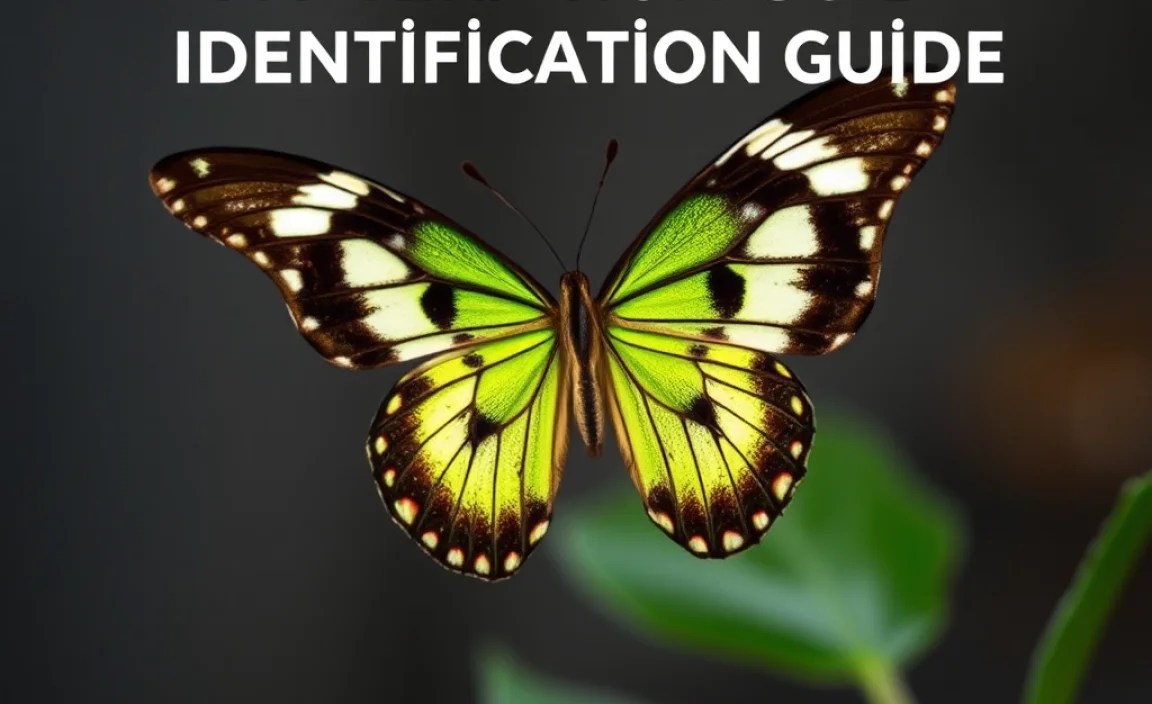
Color is very important in butterfly wing pattern identification. Different colors can mean different things. Bright colors can warn predators that a butterfly is poisonous. Dull colors can help a butterfly blend in with its surroundings. Some colors even help butterflies attract mates. The colors on a butterfly’s wings are made by tiny scales. These scales reflect light in different ways. This creates the colors we see. Scientists study these scales to learn more about butterfly colors. It is like being an artist, studying how different colors create beautiful patterns.
- Bright colors warn of poison.
- Dull colors help with camouflage.
- Colors attract mates.
- Scales reflect light to create color.
- Iridescent colors change with the angle of light.
- Some colors absorb heat.
Imagine a butterfly with bright blue wings. This color might attract a mate. The male butterfly might use its bright blue wings to impress the female. Now imagine a butterfly with brown wings. This color might help it blend in with the bark of a tree. This would help it hide from predators. Butterfly wing pattern identification helps us understand these different uses of color. It is like learning a secret code, where each color has a special meaning.
| Color | Function |
|---|---|
| Bright Red | Warning coloration (poisonous) |
| Dull Brown | Camouflage (blending in) |
| Bright Blue | Attracting mates |
| Iridescent | Confusing predators |
Fun Fact or Stat: Some butterfly wing colors are created by the structure of the scales, not just pigment, causing iridescence!
How Do Butterflies Make Color?
Have you ever wondered how butterflies get their colors? The colors come from tiny scales on their wings. These scales contain pigments. Pigments are substances that give things color. Butterfly wing pattern identification involves studying these pigments. Some butterflies also have structural colors. These colors are created by the way light reflects off the scales. It is like being a painter, mixing different pigments to create a masterpiece.
Why Are Some Colors Iridescent?
Some butterflies have iridescent colors. These colors change depending on the angle of the light. This is because of the way light reflects off the scales. The scales have tiny structures that bend the light. Butterfly wing pattern identification helps us understand these structures. Iridescent colors can confuse predators. They can also help butterflies attract mates. It is like having a magic trick, where the colors change to dazzle and confuse.
Do Colors Help with Temperature?
Yes, colors can help butterflies regulate their temperature. Dark colors absorb more heat. Light colors reflect more heat. Butterflies that live in cold climates might have darker wings. This helps them warm up quickly in the sun. Butterfly wing pattern identification helps us understand these adaptations. It is like having a built-in thermostat, where the colors help the butterfly stay comfortable.
Camouflage and Mimicry in Wing Patterns
Some butterflies use camouflage to hide from predators. Their wing patterns help them blend in with their surroundings. Other butterflies use mimicry. This means they look like other animals. Butterfly wing pattern identification helps us understand these strategies. Camouflage and mimicry are important for butterfly survival. They help butterflies avoid being eaten by predators. They also help butterflies find mates. It is like being a master of disguise, where the patterns help the butterfly survive in a dangerous world.
- Camouflage helps butterflies blend in.
- Mimicry makes butterflies look like other animals.
- Both strategies help butterflies avoid predators.
- Some butterflies mimic poisonous butterflies.
- Others mimic leaves or bark.
Think about a butterfly that looks like a leaf. When it sits on a tree, it is very hard to see. This is because its wing patterns match the leaves around it. Now think about a viceroy butterfly. It looks like a monarch butterfly. Monarch butterflies are poisonous to some predators. By looking like a monarch, the viceroy avoids being eaten. Butterfly wing pattern identification helps us see these amazing adaptations. It is like uncovering a secret world of deception, where butterflies use patterns to survive.
Fun Fact or Stat: The spicebush swallowtail caterpillar mimics a bird dropping to avoid predators, changing its appearance completely!
How Does Camouflage Work?
Camouflage works by breaking up the butterfly’s outline. This makes it harder for predators to see. The butterfly’s wing patterns match the colors and textures of its surroundings. Butterfly wing pattern identification helps us understand how effective different camouflage patterns are. Some butterflies have patterns that look like bark. Others have patterns that look like leaves. It is like having an invisibility cloak, where the patterns help the butterfly disappear into its surroundings.
What Is Batesian Mimicry?
Batesian mimicry is when a harmless animal looks like a dangerous one. The viceroy butterfly is an example of Batesian mimicry. It looks like the monarch butterfly, which is poisonous. Butterfly wing pattern identification helps us understand this type of mimicry. Predators avoid eating viceroy butterflies because they think they are poisonous. It is like wearing a scary costume, where the viceroy pretends to be something dangerous to avoid being eaten.
What Is Mullerian Mimicry?
Mullerian mimicry is when two or more dangerous animals look like each other. This helps predators learn to avoid them. For example, several different species of poisonous butterflies might have similar patterns. Butterfly wing pattern identification helps us understand this type of mimicry. Predators learn to avoid the pattern, which protects all the butterflies that have it. It is like having a warning sign, where the similar patterns tell predators to stay away.
Environmental Factors and Wing Patterns
The environment can affect butterfly wing patterns. Butterflies that live in warm climates might have brighter colors. Butterflies that live in cold climates might have darker colors. Butterfly wing pattern identification helps us understand these relationships. Changes in the environment can also affect wing patterns. Pollution, climate change, and habitat loss can all have an impact. By studying wing patterns, we can learn about the health of the environment. It is like being a doctor, checking the butterfly’s health to understand the health of the planet.
- Warm climates may lead to brighter colors.
- Cold climates may lead to darker colors.
- Pollution can affect wing patterns.
- Climate change can alter patterns.
- Habitat loss can reduce butterfly diversity.
Imagine a butterfly that lives in a polluted area. The pollution might damage its wings. This could change the colors and patterns on its wings. Now imagine a butterfly that lives in a forest that is being cut down. The loss of habitat could make it harder for the butterfly to find food and mates. This could also affect its wing patterns. Butterfly wing pattern identification helps us track these changes. It is like being a scientist, collecting data to understand how the environment affects butterflies.
Fun Fact or Stat: Studies show that air pollution can darken butterfly wings, affecting their ability to regulate temperature!
How Does Pollution Affect Patterns?
Pollution can damage butterfly wings. It can also affect the pigments that create the colors. This can lead to changes in wing patterns. Butterfly wing pattern identification helps us track these changes. By studying the wings of butterflies in polluted areas, we can learn about the effects of pollution. It is like being an environmental detective, using butterflies as clues to solve the mystery of pollution.
What Is the Impact of Climate Change?
Climate change can affect butterfly wing patterns in many ways. It can change the timing of when butterflies emerge. It can also change the colors and patterns on their wings. Butterfly wing pattern identification helps us understand these changes. By studying wing patterns, we can learn how butterflies are adapting to climate change. It is like being a climate scientist, using butterflies to understand the effects of a changing world.
Why Is Habitat Loss a Problem?
Habitat loss is a problem because butterflies need specific habitats to survive. They need certain plants for food. They also need places to lay their eggs. When their habitat is destroyed, they can’t survive. Butterfly wing pattern identification can help us track the effects of habitat loss. By studying wing patterns, we can see how butterfly populations are changing. It is like being a conservationist, working to protect butterflies and their homes.
Conservation Efforts and Wing Patterns
Conservation efforts are important for protecting butterflies. By protecting their habitats, we can help them survive. Butterfly wing pattern identification can help us track the success of these efforts. By studying wing patterns, we can see if butterfly populations are healthy. We can also see if conservation efforts are working. It is like being a guardian, protecting butterflies and their beautiful wings.
- Protecting habitats helps butterflies survive.
- Conservation efforts can increase butterfly populations.
- Wing patterns can indicate the health of a population.
- Education can raise awareness about butterfly conservation.
- Citizen science projects help track butterfly populations.
Imagine a group of people working to restore a butterfly habitat. They plant native plants that butterflies need for food. They also remove invasive plants that are harmful to butterflies. Over time, they see more butterflies in the area. Butterfly wing pattern identification helps them track the success of their efforts. They can see that the butterfly populations are increasing. It is like being a gardener, nurturing a beautiful garden for butterflies to thrive.
Fun Fact or Stat: Butterfly gardens can increase local butterfly populations by providing essential food and shelter!
How Can We Protect Habitats?
We can protect butterfly habitats by preserving natural areas. We can also create butterfly gardens in our own backyards. Butterfly wing pattern identification can help us understand which habitats are most important for different butterfly species. By protecting these habitats, we can help ensure that butterflies continue to thrive. It is like being a land steward, taking care of the places where butterflies live.
What Are Citizen Science Projects?
Citizen science projects involve volunteers in scientific research. People can help track butterfly populations. They can also help study wing patterns. Butterfly wing pattern identification is a skill that anyone can learn. By participating in citizen science projects, people can make a real difference in butterfly conservation. It is like being a community scientist, working together to protect butterflies.
Why Is Education Important?
Education is important because it raises awareness about butterfly conservation. When people understand the importance of butterflies, they are more likely to support conservation efforts. Butterfly wing pattern identification can be a fun and engaging way to teach people about butterflies. By learning about wing patterns, people can appreciate the beauty and diversity of these amazing creatures. It is like being a teacher, inspiring others to care about butterflies.
Summary
Butterfly wing pattern identification is a useful skill. It helps us learn about different types of butterflies. It also helps us understand how they survive in their environment. Wing patterns can tell us about camouflage, mimicry, and the effects of pollution. By studying wing patterns, we can also track the success of conservation efforts. Butterfly patterns aren’t just pretty; they’re clues. They help us understand the world around us. Learning about butterflies can be fun and rewarding. It helps us appreciate the beauty and complexity of nature.
Conclusion
Butterflies are beautiful creatures. Their wing patterns are amazing. These patterns help them survive. Butterfly wing pattern identification is a key tool. It helps us understand the world around us. By learning about butterflies, we can help protect them. We can also help protect their habitats. Let’s all do our part to help butterflies thrive. Remember to appreciate the beauty of their wings. They are a reminder of the wonders of nature.
Frequently Asked Questions
Question No 1: Why do butterflies have different wing patterns?
Answer: Butterflies have different wing patterns for many reasons. Some patterns help them hide from predators. This is called camouflage. Other patterns warn predators that they are poisonous. These are bright and easy to see. Some patterns attract mates. Different patterns can also help butterflies control their body temperature. Butterfly wing pattern identification helps us understand these different purposes. Each pattern is like a special tool that helps the butterfly survive in its environment. The patterns are important for the butterfly’s life.
Question No 2: How can I learn to identify butterflies by their wing patterns?
Answer: Learning to identify butterflies is fun and easy. Start by getting a butterfly guidebook. Look at the pictures of different butterflies. Compare the pictures to the butterflies you see in your backyard. Pay attention to the colors, spots, and stripes on their wings. Notice the size and shape of the wings. Also, note where you saw the butterfly. Some butterflies only live in certain areas. Butterfly wing pattern identification takes practice. The more you look at butterflies, the easier it will become. Have fun exploring the world of butterflies!
Question No 3: What are some common butterfly wing patterns?
Answer: There are many common butterfly wing patterns. Some butterflies have spots on their wings. These spots can scare away predators. Other butterflies have stripes. Stripes can help them blend in with their surroundings. Some butterflies have eye spots. These look like the eyes of a larger animal. Bright colors warn predators that the butterfly is poisonous. Dull colors help butterflies hide. Butterfly wing pattern identification helps us recognize these common patterns. Each pattern helps the butterfly survive. The patterns are important for their survival.
Question No 4: How does pollution affect butterfly wing patterns?
Answer: Pollution can harm butterflies in many ways. It can damage their wings. It can also affect the pigments that create the colors on their wings. This can lead to changes in wing patterns. For example, some butterflies in polluted areas have darker wings. Pollution can also weaken butterflies. This makes them more vulnerable to predators and diseases. Butterfly wing pattern identification helps us see these changes. By studying butterfly wings, we can learn about the effects of pollution on the environment. It is important to protect butterflies.
Question No 5: What can I do to help protect butterflies?
Answer: There are many things you can do to help butterflies. Plant native plants in your garden. Butterflies need these plants for food and shelter. Avoid using pesticides. Pesticides can harm butterflies and other insects. Support organizations that protect butterfly habitats. Educate others about the importance of butterflies. Participate in citizen science projects. Butterfly wing pattern identification can be part of conservation. Every little bit helps! Even small actions can make a big difference for butterflies. By working together, we can help butterflies thrive.
Question No 6: Why is butterfly wing pattern identification important for conservation?
Answer: Butterfly wing pattern identification is important for conservation. It helps us track butterfly populations. We can see if populations are increasing or decreasing. We can also see if conservation efforts are working. Wing patterns can also tell us about the health of the environment. For example, changes in wing patterns can indicate pollution or climate change. By studying wing patterns, we can learn how to protect butterflies and their habitats. This is important for butterfly survival. Protecting butterflies is important.


