
Asian Butterfly Spotting Guide: Easy ID Tips

Have you ever seen a butterfly? Butterflies are pretty insects. They fly around in gardens. They come in many colors. Some live in Asia. Do you want to find them? This Asian butterfly spotting guide can help. Let’s learn how to find these amazing creatures!
Key Takeaways
- Asian butterfly spotting guide helps you identify different types of butterflies.
- Look for butterflies in gardens and near flowers to spot them easily.
- Bring a camera to capture the beauty of the butterflies you find.
- Learn about the butterfly’s life cycle to understand their behavior better.
- Respect their habitat, observe from a distance, and protect the environment.
What is Asian Butterfly Spotting?

Asian butterfly spotting is a fun hobby. People try to find and watch butterflies. These butterflies live in Asia. Asia has many different habitats. You can find butterflies in forests and gardens. Some live near mountains. Others live by the sea. To spot butterflies, you need to know where to look. You also need to know what they look like. Different butterflies have different colors. They also have different patterns. Some are big. Some are small. Learning about butterflies helps you find them. It also helps you enjoy them more. Remember to be patient. Butterflies can be shy. They might not come out right away. Keep looking. You might see something amazing!
- Butterflies like sunny days.
- Look for them on flowers.
- Move slowly and quietly.
- Bring a notebook and pen.
- Take notes about what you see.
There are many great resources for learning to identify butterflies. You can find books at the library. Websites and apps can also help. These resources show pictures of butterflies. They also give information about them. You can learn about their habitat. You can learn about their food. You can even learn about their life cycle. Knowing this information helps you find butterflies. It also helps you understand them. Remember, learning is part of the fun. The more you know, the more you will enjoy Asian butterfly spotting. So, grab your guide and get ready to explore!
Fun Fact or Stat: There are over 1,000 different species of butterflies in Asia!
What Makes Asian Butterflies Special?
Asian butterflies are special because of their amazing colors. Some have bright patterns. Others have unique shapes. These butterflies have adapted to their environment. They have learned to survive in different places. Some can live in cold mountains. Others can live in hot jungles. Their wings help them hide from predators. The colors can also attract mates. Asian butterflies also play an important role in their ecosystem. They help pollinate plants. This means they carry pollen from one flower to another. This helps the plants grow and reproduce. Without butterflies, many plants would struggle to survive. So, these butterflies are not just pretty. They are also very important.
Best Times to See Butterflies
The best time to see butterflies is during the warmer months. Spring and summer are usually good times. Butterflies are more active when it is warm. They need the sun to warm their bodies. This helps them fly. The time of day also matters. Butterflies are often most active in the morning. They like to feed on nectar from flowers. Look for them when the sun is shining. But avoid very hot times. Butterflies might hide in the shade then. Different butterflies might be active at different times. Some fly during the day. Others fly at night. Learning about different species can help you know when to look for them. So, plan your trip for a warm, sunny morning!
Essential Tools for Spotting
To spot butterflies, you need a few essential tools. A good pair of binoculars can help you see them from far away. A camera lets you take pictures of the butterflies you find. A notebook and pen are useful for taking notes. You can write down what you see. You can also draw pictures of the butterflies. A field guide is very helpful. It shows pictures of different butterflies. It also gives information about them. You can use it to identify the butterflies you see. A magnifying glass can help you see small details. It lets you look closely at their wings and patterns. Finally, bring water and snacks. You might be outside for a long time. It’s important to stay hydrated and energized.
Locations for Asian Butterfly Spotting

Asia has many great places for Asian butterfly spotting. National parks are often good choices. These parks protect the natural environment. They also have many different kinds of plants and animals. Gardens are another good place to look. Butterflies like to feed on flowers. So, you can often find them in gardens. Forests are also home to many butterflies. Look for them along trails and in clearings. Mountains can also be good places to spot butterflies. Some butterflies live high up in the mountains. Look for them near alpine meadows. Finally, wetlands can also be home to butterflies. Some butterflies like to lay their eggs on wetland plants. So, explore different habitats to find different butterflies!
- Visit botanical gardens.
- Explore local parks.
- Look in nature reserves.
- Go to butterfly farms.
- Check out wildlife sanctuaries.
- Hike in forested areas.
When choosing a location, think about the time of year. Some butterflies are only active during certain seasons. Research the area before you go. Find out what kinds of butterflies live there. This will help you know what to look for. Also, remember to respect the environment. Do not disturb the butterflies or their habitat. Stay on marked trails. Do not pick flowers or plants. Leave the area as you found it. This will help protect the butterflies and their home. By being a responsible visitor, you can help ensure that others can enjoy Asian butterfly spotting for years to come.
Fun Fact or Stat: Some butterflies migrate thousands of miles each year!
Gardens as Butterfly Havens
Gardens are excellent places to find butterflies. Butterflies love flowers. Flowers provide them with nectar. Nectar is a sweet liquid. It gives butterflies energy. Plant different kinds of flowers in your garden. This will attract different kinds of butterflies. Choose flowers that bloom at different times. This will provide a constant food source. Also, provide a water source. Butterflies need water to drink. You can put out a shallow dish of water. Add some stones or pebbles. This will give the butterflies a place to land. Avoid using pesticides in your garden. Pesticides can harm butterflies. They can also kill them. Create a butterfly-friendly garden. You will have many beautiful visitors.
National Parks for Butterfly Watching
National parks are great for butterfly watching. These parks protect large areas of natural habitat. This means there are many different kinds of plants and animals. Butterflies thrive in these diverse environments. Many national parks have trails. These trails make it easy to explore the park. Look for butterflies along the trails. Also, check out meadows and forests. These areas often have many flowers. Flowers attract butterflies. Before you visit a national park, check the park’s website. Find out what kinds of butterflies live there. Also, learn about any special events or programs. Some parks offer guided butterfly walks. These walks can help you learn more about butterflies.
Forests and Woodlands: A Butterfly’s Home
Forests and woodlands are important habitats for butterflies. Many butterflies live in these areas. They need the trees and plants for food and shelter. The forest provides a cool, shady environment. This is important for butterflies on hot days. Look for butterflies in clearings. Clearings are open areas in the forest. They often have many flowers. Also, check along the edges of the forest. These areas are often sunny and warm. Many butterflies like to bask in the sun. When you are in the forest, be quiet and observant. Move slowly. This will help you spot butterflies. Also, be careful not to disturb their habitat. Stay on the trails. Do not pick flowers or plants.
Identifying Common Asian Butterflies
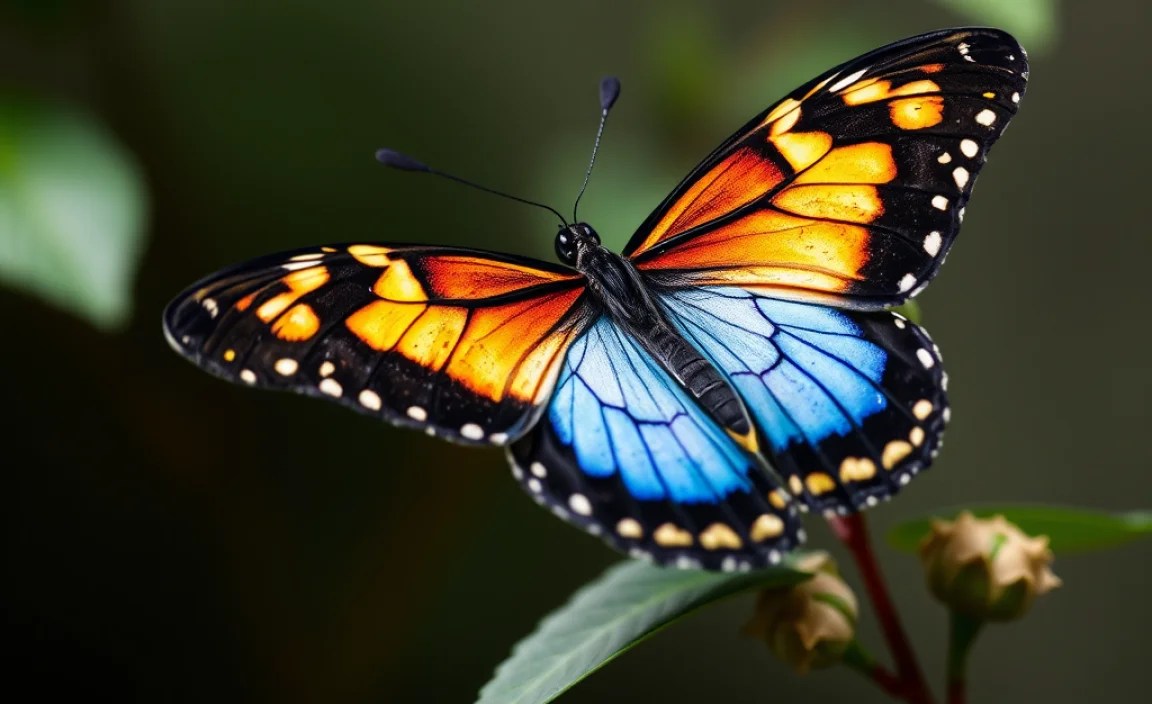
Identifying butterflies can be tricky. There are many different kinds of butterflies. They come in different colors and sizes. Look closely at their wings. The patterns on their wings can help you identify them. Pay attention to the colors. Some butterflies have bright colors. Others have dull colors. Also, notice the shape of their wings. Some butterflies have rounded wings. Others have pointed wings. Use a field guide to help you. A field guide shows pictures of different butterflies. It also gives information about them. Compare the butterfly you see to the pictures in the guide. This can help you figure out what kind of butterfly it is. Practice makes perfect. The more you practice, the better you will become at identifying butterflies.
- Check the wing patterns.
- Note the wing colors.
- Observe the size.
- Look at the body shape.
- Use a butterfly guide.
When you are trying to identify a butterfly, consider its location. Some butterflies only live in certain areas. If you know where you are, you can narrow down the possibilities. Also, think about the time of year. Some butterflies are only active during certain seasons. If you know what season it is, you can further narrow down the possibilities. Remember, identifying butterflies takes time and patience. Don’t get discouraged if you don’t know what kind of butterfly it is right away. Keep practicing and you will get better. The more you learn about butterflies, the more you will enjoy Asian butterfly spotting.
Fun Fact or Stat: Some butterflies can taste with their feet!
Recognizing Swallowtail Butterflies
Swallowtail butterflies are some of the largest and most beautiful butterflies. They have long, pointed wings. These wings look like the tails of swallows. Many swallowtail butterflies are brightly colored. They often have black and yellow markings. Some have blue or green markings. Swallowtail butterflies are found in many different habitats. They can be found in forests, gardens, and meadows. They like to feed on nectar from flowers. Some swallowtail butterflies are endangered. This means they are at risk of disappearing. It is important to protect their habitat. This will help them survive. Look for swallowtail butterflies in sunny areas. They often bask in the sun to warm their bodies.
Spotting Monarch Butterflies in Asia
Monarch butterflies are famous for their long migrations. They travel thousands of miles each year. Monarch butterflies are orange and black. They are easy to recognize. While Monarch butterflies are more common in North America, they can also be found in parts of Asia. They may be found in gardens, fields, and along roadsides. Monarch butterflies are important pollinators. They help spread pollen from flower to flower. This helps plants reproduce. You can help Monarch butterflies by planting milkweed. Milkweed is the only food that Monarch caterpillars eat. By planting milkweed, you can provide them with a place to lay their eggs.
Identifying Common Grass Yellow Butterflies
Grass yellow butterflies are small and delicate. They are usually yellow or orange. They are often found in grassy areas. This is where they get their name. Grass yellow butterflies are common in many parts of Asia. They like to feed on nectar from small flowers. They often fly close to the ground. Look for them in meadows and fields. Grass yellow butterflies are important food for birds. They are also important pollinators. You can help grass yellow butterflies by protecting their habitat. Avoid using pesticides in grassy areas. Plant native flowers to provide them with food.
Butterfly Photography Tips
Taking pictures of butterflies can be challenging. Butterflies are small and fast. They move around a lot. You need to be patient. Wait for the right moment. Use a camera with a good zoom lens. This will allow you to take pictures from a distance. Avoid getting too close to the butterflies. This might scare them away. Use a fast shutter speed. This will help you capture the butterflies in motion. Use a small aperture. This will give you a shallow depth of field. This means that the butterfly will be in focus. The background will be blurry. This will make the butterfly stand out. Practice taking pictures of butterflies in different situations. The more you practice, the better you will become.
- Use a macro lens.
- Focus carefully.
- Shoot in good light.
- Use burst mode.
- Be patient.
- Edit your photos.
When you are taking pictures of butterflies, pay attention to the background. A cluttered background can distract from the butterfly. Try to find a simple background. A plain green leaf or a blue sky can work well. Also, think about the composition of your photo. The butterfly should be the main focus of the picture. But you can also include other elements. A flower or a leaf can add interest to the photo. Remember to respect the butterflies. Do not disturb them or their habitat. Take only pictures. Leave only footprints. By following these tips, you can take beautiful pictures of butterflies. These pictures will help you remember your Asian butterfly spotting adventures.
Fun Fact or Stat: Butterflies see the world in a different range of colors than humans!
Choosing the Right Camera Gear
Choosing the right camera gear is important for butterfly photography. A good camera with a zoom lens is essential. A macro lens is also helpful. This lens allows you to take close-up pictures of butterflies. A tripod can help you keep your camera steady. This is important for taking sharp pictures. A remote shutter release can also be helpful. This allows you to take pictures without touching the camera. This can help reduce camera shake. A good camera bag is important for carrying your gear. Choose a bag that is comfortable and easy to carry. Also, bring extra batteries and memory cards. You don’t want to run out of power or storage space while you are out in the field.
Mastering Butterfly Photography Techniques
Mastering butterfly photography techniques takes practice. Learn how to focus quickly and accurately. This is important for capturing butterflies in motion. Practice using different camera settings. Experiment with different shutter speeds and apertures. Learn how to compose your photos. Think about the background and the lighting. Also, learn how to edit your photos. Editing can help you improve the colors and sharpness of your pictures. Watch videos and read articles about butterfly photography. The more you learn, the better you will become. Most importantly, be patient. Butterfly photography takes time and effort.
Ethical Considerations for Butterfly Photography
When you are taking pictures of butterflies, it is important to be ethical. Do not disturb the butterflies or their habitat. Stay on the trails. Do not pick flowers or plants. Avoid getting too close to the butterflies. This might scare them away. Do not use flash photography. The flash can startle the butterflies. It can also damage their eyes. Be respectful of other people. Do not block their view or make too much noise. If you see someone disturbing the butterflies, politely ask them to stop. By following these ethical guidelines, you can help protect butterflies and their habitat. You can also ensure that others can enjoy butterfly photography.
Conserving Asian Butterflies
Asian butterflies need our help. Many butterflies are threatened by habitat loss. This means that their homes are being destroyed. Forests are being cut down. Wetlands are being drained. This leaves butterflies with nowhere to live. Pollution is also a problem. Pesticides can kill butterflies. Climate change is also affecting butterflies. Changes in temperature and rainfall can disrupt their life cycle. We can help butterflies by protecting their habitat. We can also reduce pollution. We can also take action to combat climate change. Every little bit helps. By working together, we can make a difference for butterflies.
- Protect habitats.
- Reduce pollution.
- Plant native plants.
- Support conservation groups.
- Educate others.
- Reduce pesticide use.
You can make a difference in your own backyard. Plant native plants in your garden. Native plants provide food and shelter for butterflies. Avoid using pesticides. Pesticides can harm butterflies and other insects. Support local conservation groups. These groups work to protect butterfly habitat. Educate others about the importance of butterflies. The more people who care about butterflies, the better. Remember, butterflies are an important part of the ecosystem. They help pollinate plants. They also provide food for other animals. By conserving butterflies, we are also conserving our planet. So, let’s all do our part to help butterflies thrive.
Fun Fact or Stat: Some butterflies can live for only a few weeks, while others can live for almost a year!
Creating Butterfly-Friendly Gardens
Creating a butterfly-friendly garden is easy. Plant flowers that provide nectar for butterflies. Choose flowers that bloom at different times of the year. This will provide a constant food source. Also, plant host plants. Host plants are plants that caterpillars eat. Milkweed is a host plant for Monarch butterflies. Provide a water source for butterflies. A shallow dish of water with stones or pebbles will work well. Avoid using pesticides. Pesticides can harm butterflies and other insects. Provide shelter for butterflies. Trees and shrubs can provide shelter from the wind and rain. By creating a butterfly-friendly garden, you can help butterflies thrive.
Supporting Butterfly Conservation Organizations
Supporting butterfly conservation organizations is important. These organizations work to protect butterfly habitat. They also educate people about the importance of butterflies. There are many different butterfly conservation organizations. Some are local. Others are national or international. Find an organization that you believe in. Donate money to the organization. Volunteer your time. Spread the word about the organization’s work. By supporting butterfly conservation organizations, you can help protect butterflies for future generations.
Educating Others About Butterfly Conservation
Educating others about butterfly conservation is crucial. Talk to your friends and family about the importance of butterflies. Share information about butterflies on social media. Write letters to your elected officials. Urge them to support butterfly conservation. Organize a butterfly-themed event. Teach children about butterflies. The more people who know about butterflies, the better. By educating others, you can help create a more butterfly-friendly world. Remember, every little bit helps. Even small actions can make a big difference for butterflies.
How to Attract More Butterflies
Attracting butterflies to your garden is fun. Butterflies need food, water, and shelter. Provide these things, and they will come. Plant a variety of flowers. Choose flowers that bloom at different times of the year. This will provide a constant food source. Plant flowers in sunny areas. Butterflies like to bask in the sun. Provide a water source for butterflies. A shallow dish of water with stones or pebbles will work well. Avoid using pesticides. Pesticides can harm butterflies and other insects. Provide shelter for butterflies. Trees and shrubs can provide shelter from the wind and rain. By providing these things, you can attract more butterflies to your garden.
- Plant nectar-rich flowers.
- Provide host plants.
- Offer a water source.
- Create sunny spots.
- Avoid pesticides.
When you are choosing flowers for your garden, consider the colors. Butterflies are attracted to bright colors. Red, orange, yellow, and purple flowers are especially attractive. Also, consider the shape of the flowers. Butterflies prefer flowers with flat, open faces. These flowers are easier to feed from. Plant flowers in groups. A large patch of flowers is more attractive to butterflies than a single flower. Remember to be patient. It may take some time for butterflies to find your garden. But if you provide them with what they need, they will eventually come. Then you can enjoy watching them flutter around your garden.
Fun Fact or Stat: Butterflies have taste receptors on their feet!
Choosing the Right Flowers
Choosing the right flowers is key to attracting butterflies. Butterflies need nectar for food. Choose flowers that are rich in nectar. Some good choices include butterfly bush, zinnias, and milkweed. Consider the colors of the flowers. Butterflies are attracted to bright colors. Red, orange, yellow, and purple flowers are especially attractive. Also, consider the shape of the flowers. Butterflies prefer flowers with flat, open faces. These flowers are easier to feed from. Plant a variety of flowers. This will attract different kinds of butterflies. Choose flowers that bloom at different times of the year. This will provide a constant food source.
Providing Water and Shelter
Butterflies need water and shelter. Provide a shallow dish of water with stones or pebbles. The stones and pebbles will give the butterflies a place to land. They can drink without falling into the water. Provide shelter from the wind and rain. Trees and shrubs can provide shelter. Also, consider providing a butterfly house. A butterfly house is a small wooden structure. It has slits or holes for butterflies to enter. Butterfly houses provide a safe place for butterflies to rest and escape from predators.
Avoiding Pesticides and Herbicides
Pesticides and herbicides can harm butterflies. They can kill butterflies directly. They can also kill the plants that butterflies need for food. Avoid using pesticides and herbicides in your garden. If you must use them, use them sparingly. Choose organic pesticides and herbicides. These are less harmful to butterflies. Also, avoid spraying pesticides and herbicides on windy days. The chemicals can drift and harm butterflies in other areas. By avoiding pesticides and herbicides, you can help protect butterflies.
Butterfly Habitats and Life Cycles
Butterflies have different habitats. Some live in forests. Others live in meadows. Some live in gardens. They also have different life cycles. A butterfly starts as an egg. The egg hatches into a caterpillar. The caterpillar eats and grows. Then, it turns into a pupa. The pupa is inside a chrysalis. Finally, the pupa turns into a butterfly. The butterfly flies away. It lays eggs. The cycle starts again. Understanding butterfly habitats and life cycles helps us protect them.
- Eggs are laid on plants.
- Caterpillars eat leaves.
- Pupae form chrysalises.
- Adults drink nectar.
- Butterflies reproduce.
- The cycle repeats.
Different butterflies have different needs. Some butterflies need specific host plants. Host plants are plants that caterpillars eat. Monarch butterflies need milkweed. Swallowtail butterflies need parsley or dill. Knowing what plants butterflies need helps us create butterfly-friendly habitats. We can plant these plants in our gardens. We can also protect them in natural areas. Remember, butterflies are an important part of the ecosystem. They pollinate plants. They also provide food for other animals. By understanding their habitats and life cycles, we can help them thrive.
Fun Fact or Stat: A butterfly’s wings are covered in tiny scales!
The Butterfly’s Egg Stage
The butterfly’s life cycle starts with an egg. Female butterflies lay their eggs on plants. They choose plants that their caterpillars will eat. The eggs are usually small. They can be different colors. Some are white. Some are yellow. Some are green. The eggs are attached to the plant with a sticky substance. The eggs stay on the plant for a few days or weeks. Then, they hatch into caterpillars. The egg stage is a vulnerable time for butterflies. The eggs can be eaten by predators. They can also be damaged by weather. Protecting the eggs is important for ensuring that butterflies survive.
The Caterpillar’s Growth
After the egg hatches, a caterpillar emerges. The caterpillar is also called a larva. The caterpillar’s main job is to eat. It eats leaves and other plant parts. Caterpillars grow very quickly. They shed their skin several times as they grow. This is called molting. Caterpillars can be different colors and patterns. Some are camouflaged. This helps them hide from predators. Others are brightly colored. This warns predators that they are poisonous. The caterpillar stage is a time of rapid growth and development. The caterpillar is preparing for the next stage of its life cycle.
The Chrysalis Transformation
After the caterpillar has grown enough, it turns into a pupa. The pupa forms a chrysalis. The chrysalis is a hard, protective shell. Inside the chrysalis, the caterpillar transforms into a butterfly. This process takes several days or weeks. During this time, the caterpillar’s body breaks down. It then reassembles into a butterfly. The chrysalis can be different colors and shapes. Some are green. Some are brown. Some are silver or gold. The chrysalis is a time of great change and transformation. It is a magical process to witness.
Table: Butterfly Comparison
| Butterfly Type | Size | Color | Habitat | Food |
|---|---|---|---|---|
| Monarch | Large | Orange and Black | Gardens, Fields | Milkweed Nectar |
| Swallowtail | Large | Various Colors | Forests, Gardens | Flower Nectar |
| Grass Yellow | Small | Yellow or Orange | Grassy Areas | Small Flower Nectar |
| Blue Morpho | Large | Bright Blue | Rainforests | Rotting Fruit |
Summary
This Asian butterfly spotting guide showed you how to find butterflies. You learned about different types of butterflies. You also learned about their habitats. We talked about photography tips. We also discussed conservation. Remember to look for butterflies in gardens and parks. Bring a camera and a notebook. Be patient and respectful. Protect their habitat. With this guide, you can enjoy Asian butterfly spotting. You can also help protect these beautiful creatures.
Conclusion
Asian butterfly spotting is a fun and rewarding hobby. You can learn about nature. You can also enjoy the beauty of butterflies. Remember to be patient and respectful. Protect their habitat. Plant flowers in your garden. Support conservation groups. Share what you learn. By following this Asian butterfly spotting guide, you can make a difference for butterflies. Enjoy your butterfly adventures!
Frequently Asked Questions
Question No 1: What is the best time of year for Asian butterfly spotting?
Answer: The best time of year for Asian butterfly spotting is usually during the warmer months. Spring and summer are often ideal. Butterflies are more active when the weather is warm and sunny. They need the sun to warm their bodies so they can fly. However, it can depend on the specific location and the type of butterflies you want to see. Some butterflies are active during certain seasons, so research the area you plan to visit.
Question No 2: What should I bring with me on an Asian butterfly spotting trip?
Answer: When you go on an Asian butterfly spotting trip, bring a few essential items. A good field guide can help you identify different butterfly species. Binoculars will allow you to see butterflies from a distance. A camera lets you capture their beauty. A notebook and pen are useful for taking notes about what you see. Water and snacks will keep you energized. Wear appropriate clothing and footwear for the weather and terrain.
Question No 3: How can I attract more butterflies to my garden?
Answer: To attract more butterflies to your garden, plant a variety of flowers that provide nectar. Choose flowers with bright colors and flat, open faces. Butterflies prefer these types of flowers. Include host plants. These plants are food for butterfly caterpillars. Milkweed is a host plant for Monarch butterflies. Provide a water source, like a shallow dish of water with stones. Avoid using pesticides, as they can harm butterflies and other beneficial insects.
Question No 4: What are some common Asian butterflies that I might see?
Answer: Asia is home to a wide variety of butterfly species. Some common Asian butterflies include Swallowtails, Monarchs, and Grass Yellows. Swallowtails are large and colorful, with distinctive tails on their wings. Monarchs are known for their orange and black markings and their long migrations. Grass Yellows are small and yellow, often found in grassy areas. Use a field guide to help you identify the butterflies you see. Asian butterfly spotting is fun when you can identify species!
Question No 5: How can I help conserve Asian butterflies?
Answer: There are many ways you can help conserve Asian butterflies. Protect their habitat by supporting conservation organizations. Reduce pollution by avoiding pesticides and herbicides. Plant native plants in your garden to provide food and shelter. Educate others about the importance of butterflies. Reduce your carbon footprint to help combat climate change. By taking these steps, you can make a difference in the lives of butterflies.
Question No 6: Is Asian butterfly spotting difficult for beginners?
Answer: Asian butterfly spotting is not difficult for beginners. Start by learning about the common butterflies in your area. Use a field guide to help you identify them. Visit local parks and gardens to look for butterflies. Be patient and observant. With practice, you will become better at spotting and identifying butterflies. Remember to have fun and enjoy the beauty of nature. This Asian butterfly spotting guide can help you get started.


