Identifying Butterfly Families in North America: Easy Guide

Have you ever seen a butterfly and wondered what kind it was? Butterflies are beautiful. They flutter around in our gardens and parks. Figuring out which family a butterfly belongs to can be fun. This article will help with identifying butterfly families in North America.
Butterflies are important. They help pollinate flowers. Different families have different patterns and colors. Learning about them can make you a butterfly expert!
Key Takeaways
- Identifying butterfly families in North America helps us understand nature better.
- Swallowtails have tails on their hindwings, making them easy to spot.
- Brushfoots often have bright colors and patterns on their wings.
- Whites and Sulphurs are usually white, yellow, or orange.
- Skippers are small and fast, with hooked antennae.
How To Start Identifying Butterfly Families?

Starting to identify butterflies might seem hard. But, it’s like becoming a detective. You look for clues to solve the mystery. First, get a good field guide. A field guide is a book that shows pictures of different butterflies. It also tells you where they live. Look at the butterfly’s size, color, and wing shape. These are all important clues. Notice if the butterfly has tails. Check for spots or stripes. Does it have bright colors or dull colors? All these details will help you figure out the butterfly’s family. You can also use the internet. Many websites have pictures and information about butterflies. With a little practice, identifying butterfly families in North America will become easy.
- Get a good field guide for your region.
- Look at the butterfly’s size and color.
- Notice the shape of the wings.
- Check for tails, spots, and stripes.
- Use the internet to find pictures.
Remember to be patient. It takes time to learn all the different families. Don’t be afraid to make mistakes. Even experts sometimes get confused. The most important thing is to have fun. Enjoy watching these beautiful creatures. Appreciate the variety of life around you. Each butterfly has its own story to tell. By learning to identify them, you can learn more about their world. Soon, you will be a butterfly-identifying pro. Happy butterfly watching!
Fun Fact or Stat: There are over 700 species of butterflies in North America!
What Equipment Do You Need?
Do you need special tools for butterfly watching? Not really! A good pair of eyes is the most important thing. You might want to bring a notebook and pencil. This way, you can write down what you see. If you have binoculars, they can help you see butterflies that are far away. A camera can also be useful. You can take pictures of the butterflies you find. This will help you remember them later. You can also use the pictures to help you identify them. Some people like to use butterfly nets. But, it’s important to be careful. You don’t want to hurt the butterflies. Only catch them if you need to study them closely. Then, let them go. Remember, the goal is to observe and learn. Not to harm these delicate creatures.
What About Butterfly Habitats?
Butterflies live in many different places. Some like forests. Others like meadows. Some even live in deserts. Knowing where a butterfly lives can help you identify it. For example, some butterflies only live near certain plants. These plants are their food. If you see a butterfly near its favorite plant, you can narrow down the possibilities. Think about what the habitat offers the butterfly. Does it provide food? Does it provide shelter? Does it provide a place to lay eggs? All these things are important for butterflies. By understanding their habitats, you can become a better butterfly identifier.
What is the Best Time to Look?
When is the best time to see butterflies? Most butterflies are active during the day. They like warm, sunny weather. The best time to look for them is usually in the late morning or early afternoon. This is when they are most likely to be flying around. Butterflies need sunlight to warm their bodies. They also need flowers to feed on. So, look for them in sunny spots with lots of flowers. Avoid looking for butterflies on cold, cloudy days. They will probably be hiding. Also, try to be quiet and patient. Butterflies are easily scared. If you move slowly and quietly, you are more likely to see them.
Swallowtail Butterflies: Key Identification Tips
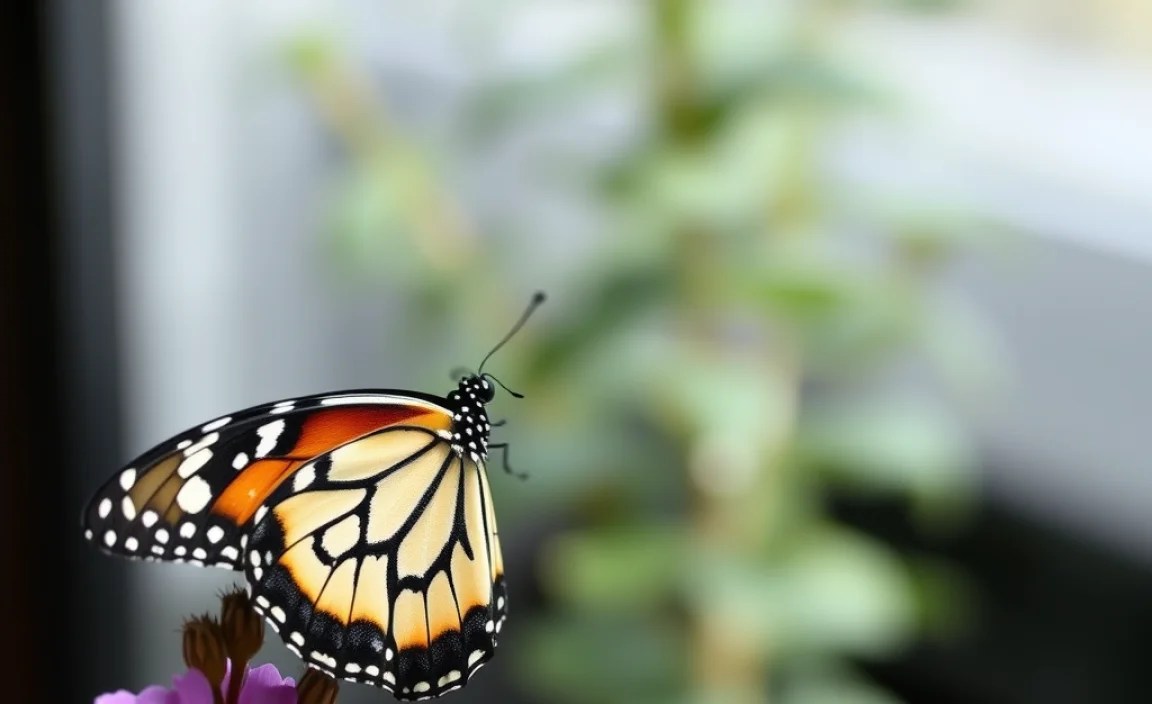
Swallowtail butterflies are easy to recognize. They are usually large and colorful. The most noticeable thing about them is their tails. These tails are on the bottom of their wings. They look like the tails of swallow birds. Some swallowtails are yellow and black. Others are blue and black. Some even have red or orange spots. Swallowtails are found all over North America. They like to fly in open areas. They often visit gardens and fields. Identifying butterfly families in North America is easier when you start with swallowtails. Their unique tails make them stand out. Look for them fluttering around your yard. You might be surprised by how many different kinds you find.
- Look for the tails on the hindwings.
- They are often large and colorful.
- Common colors include yellow, black, and blue.
- They like open areas like gardens.
- Many species are found across North America.
Swallowtails are not just pretty to look at. They also play an important role in the ecosystem. They help pollinate flowers. This helps plants make seeds. Swallowtail caterpillars eat the leaves of different plants. Some people consider them pests. But, they are also an important part of the food chain. Birds and other animals eat them. So, even though they might eat some of your plants, they are still valuable creatures. Learning about swallowtails can help you appreciate the beauty and complexity of nature.
Fun Fact or Stat: The Giant Swallowtail is the largest butterfly in North America!
What Plants Do Swallowtails Prefer?
Swallowtail butterflies love certain plants. These plants provide food for their caterpillars. They also provide nectar for the adult butterflies. Some favorite plants include milkweed, dill, and parsley. Citrus trees are also popular with some species. If you want to attract swallowtails to your garden, plant these plants. Make sure to plant them in a sunny spot. Also, avoid using pesticides. Pesticides can harm butterflies and their caterpillars. Creating a butterfly-friendly garden is a great way to help these beautiful creatures. It will also give you a chance to observe them up close. You can watch them lay their eggs and see the caterpillars grow.
How Can You Tell Males From Females?
Sometimes, it can be tricky to tell male and female butterflies apart. But, there are a few things you can look for. In some species, the males are brighter in color. The females might be duller. In other species, the females are larger than the males. You can also look at their antennae. The antennae are the feelers on their heads. In some species, the male’s antennae are thicker than the female’s. Finally, you can look at their behavior. Males are often more active. They fly around looking for females. Females are often more focused on laying eggs.
Why Are Swallowtails Important?
Swallowtails are important for many reasons. As mentioned before, they help pollinate flowers. This is important for plant reproduction. They are also an important part of the food chain. Their caterpillars provide food for birds and other animals. Butterflies are also indicators of environmental health. If butterflies are doing well, it means the environment is healthy. If butterflies are disappearing, it could be a sign of problems. Things like pollution or habitat loss. By protecting butterflies, we are also protecting the environment.
Brushfoot Butterflies: Identifying Characteristics
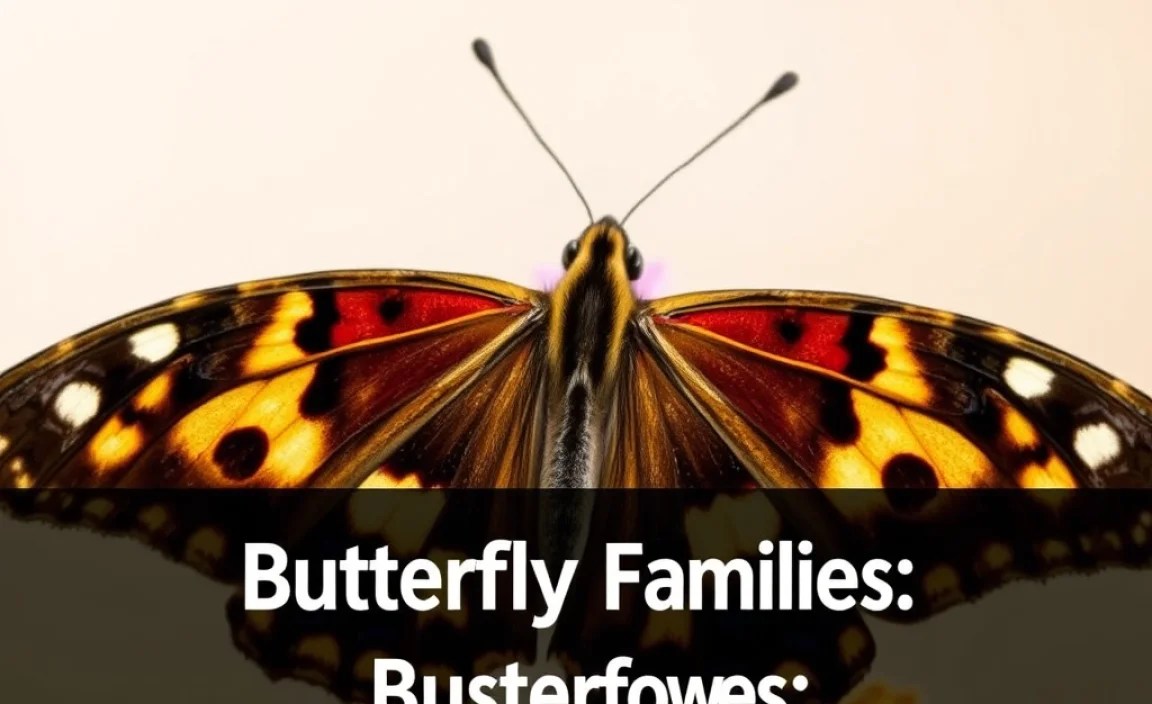
Brushfoot butterflies are a big family. They have lots of different colors and patterns. One thing that makes them special is their front legs. These legs are small and hairy. They look like little brushes. That’s why they are called brushfoots! Many brushfoots have bright colors on their wings. Some have orange, red, or yellow. Others have brown or black. They often have spots and stripes. Brushfoots are found in many different habitats. They live in forests, fields, and gardens. Identifying butterfly families in North America includes knowing the brushfoots. Look for their small front legs and bright colors. You’ll start seeing them everywhere!
- They have small, hairy front legs.
- Many have bright colors like orange and red.
- They often have spots and stripes on their wings.
- Brushfoots live in various habitats.
- They are a very diverse butterfly family.
Brushfoot butterflies are known for their interesting behaviors. Some of them like to bask in the sun. They spread their wings wide to warm up. Others like to feed on rotting fruit or animal droppings. This might seem gross, but it provides them with important nutrients. Brushfoot caterpillars eat the leaves of different plants. Some of them are picky eaters. They only eat one type of plant. Others are less picky. They will eat many different kinds of leaves. Learning about their behaviors can help you find and identify them. Watch where they are flying and what they are eating.
Fun Fact or Stat: The Monarch butterfly is a type of brushfoot known for its long migration!
How Do Brushfoots Protect Themselves?
Brushfoot butterflies have different ways to stay safe. Some of them have bright colors that warn predators. These colors tell birds and other animals that they taste bad. Others have patterns that help them blend in with their surroundings. This is called camouflage. Some brushfoots even have eye spots on their wings. These spots look like the eyes of a larger animal. They can scare away predators. Caterpillars also have ways to protect themselves. Some are spiky. Others are poisonous. Learning about their defenses can help you appreciate how amazing these creatures are.
What is a Good Brushfoot Example?
The Monarch butterfly is a famous example of a brushfoot. Monarchs are known for their bright orange and black wings. They are also known for their long migration. Every year, Monarchs travel thousands of miles. They fly from Canada and the United States to Mexico. There, they spend the winter. In the spring, they fly back north. This migration is one of the most amazing events in the natural world. Monarchs are also important pollinators. They help spread pollen from flower to flower. Sadly, Monarch populations are declining. This is because of habitat loss and pesticide use.
How Can You Help Brushfoot Butterflies?
You can do many things to help brushfoot butterflies. One thing you can do is plant butterfly-friendly plants. These plants provide food for the caterpillars and nectar for the adults. Milkweed is especially important for Monarchs. Another thing you can do is avoid using pesticides. Pesticides can harm butterflies and other insects. You can also protect butterfly habitats. This means protecting forests, fields, and meadows. Finally, you can educate others about butterflies. The more people know about them, the more likely they are to help protect them.
White And Sulphur Butterflies: Spotting Them

White and Sulphur butterflies are often seen in fields and gardens. They are usually white, yellow, or orange. Some have black markings on their wings. They are called “Whites” because of their color. Sulphurs get their name from the yellow color of sulphur. These butterflies are not usually very big. They are often small and delicate. They fly quickly and erratically. This can make them hard to follow. Identifying butterfly families in North America means knowing the Whites and Sulphurs. Look for them in sunny areas. They are often seen around flowers.
- They are usually white, yellow, or orange.
- Some have black markings on their wings.
- They are often small and delicate.
- They fly quickly and erratically.
- Look for them in sunny areas with flowers.
White and Sulphur butterflies are important pollinators. They help spread pollen from flower to flower. This helps plants reproduce. Their caterpillars eat the leaves of different plants. Some of these plants are considered weeds. So, these butterflies can actually be helpful in your garden. They eat the weeds that you don’t want! Learning about these butterflies can help you appreciate the important role they play in the ecosystem. They are small, but they are mighty!
Fun Fact or Stat: Some Sulphur butterflies can change color depending on the temperature!
What Do White and Sulphur Caterpillars Eat?
White and Sulphur caterpillars eat a variety of plants. Some like to eat cabbage and other vegetables. This can make them a problem for farmers. Others eat weeds like clover and alfalfa. These caterpillars are usually green. This helps them blend in with the leaves they are eating. Some of them have stripes or spots. These markings can also help them camouflage. If you see a green caterpillar on your plants, it might be a White or Sulphur caterpillar.
How Do They Survive Winter?
White and Sulphur butterflies have different ways to survive the winter. Some of them migrate to warmer areas. They fly south to escape the cold. Others overwinter as caterpillars or pupae. They hide under leaves or in the soil. They stay there until the weather warms up. Then, they emerge as butterflies. Some species can even survive as adults. They find a sheltered place to hide. They stay there until spring. This is a tough life, but they are well adapted to it.
Are They Affected by Pollution?
Yes, White and Sulphur butterflies can be affected by pollution. Air pollution can damage their wings. It can also make it harder for them to find food. Water pollution can harm their caterpillars. Pesticides can also kill them. It is important to protect the environment. This will help these butterflies survive. You can reduce pollution by using less energy. You can also avoid using pesticides in your garden. Every little bit helps!
Skipper Butterflies: Identifying The “Skippers”

Skipper butterflies are small and fast. They are often brown or orange. They have thick bodies and hooked antennae. Skippers fly in a skipping motion. This is how they got their name. They are often mistaken for moths. But, they are definitely butterflies. Identifying butterfly families in North America requires learning about skippers. Look for their hooked antennae and fast flight. You’ll see them darting around in fields and gardens.
- They are small and fast fliers.
- They are often brown or orange in color.
- Skippers have thick bodies and hooked antennae.
- They fly in a skipping motion.
- They are often mistaken for moths.
Skipper butterflies are found all over North America. They live in many different habitats. They can live in forests, fields, and even deserts. Their caterpillars eat the leaves of different plants. Some eat grass. Others eat flowers. Skippers are important pollinators. They help spread pollen from flower to flower. Learning about skippers can help you appreciate the diversity of butterflies. They might be small, but they are important!
Fun Fact or Stat: Skippers can fly up to 37 miles per hour!
What Makes Skippers Different?
Skippers are different from other butterflies in several ways. One difference is their antennae. Skippers have hooked antennae. Other butterflies have straight antennae. Another difference is their bodies. Skippers have thick bodies. Other butterflies have slender bodies. Skippers also fly differently. They fly in a skipping motion. Other butterflies fly in a more graceful way. These differences help you identify skippers.
What Are Common Skipper Habitats?
Skippers live in many different habitats. They can live in forests, fields, and deserts. They like sunny areas with lots of flowers. They also like areas with tall grass. This provides shelter for their caterpillars. If you want to attract skippers to your garden, plant flowers and grasses. Make sure to provide a sunny spot. Avoid using pesticides. This will create a happy home for skippers.
Why Are Skippers Called Skippers?
Skippers are called skippers because of the way they fly. They fly in a skipping motion. This is because they flap their wings very quickly. They also change direction quickly. This makes them look like they are skipping through the air. This skipping flight is one of the things that makes them unique. It also makes them fun to watch.
Metalmark Butterflies: A Closer Look
Metalmark butterflies are small and beautiful. They have metallic spots on their wings. These spots look like shiny metal. They are often orange, brown, or silver. Metalmarks are found in the southern United States. They like dry, sunny areas. They are often seen around rocks and shrubs. Identifying butterfly families in North America includes the metalmarks. Look for their shiny spots and small size. You’ll find them in the right habitats.
| Family | Key Features | Habitat | Example Species |
|---|---|---|---|
| Swallowtails | Tails on hindwings, large size | Open areas, gardens | Eastern Tiger Swallowtail |
| Brushfoots | Small front legs, bright colors | Forests, fields, gardens | Monarch Butterfly |
| Whites/Sulphurs | White, yellow, or orange wings | Fields, gardens | Cabbage White |
| Skippers | Hooked antennae, thick bodies | Forests, fields, deserts | Silver-spotted Skipper |
| Metalmarks | Metallic spots on wings, small size | Dry, sunny areas | Swarthy Metalmark |
- They have metallic spots on their wings.
- They are often orange, brown, or silver.
- Metalmarks are found in the southern US.
- They like dry, sunny areas.
- They are often seen around rocks.
Metalmark butterflies are not very well known. They are small and easy to miss. But, they are beautiful and interesting creatures. Their caterpillars eat the leaves of different plants. Some eat wildflowers. Others eat shrubs. Metalmarks are important pollinators. They help spread pollen from flower to flower. Learning about metalmarks can help you appreciate the hidden beauty of nature. They are small jewels of the butterfly world.
Fun Fact or Stat: Metalmark caterpillars often live in ant nests!
What Do Metalmark Caterpillars Eat?
Metalmark caterpillars eat a variety of plants. Some eat wildflowers like asters and sunflowers. Others eat shrubs like buckbrush. The caterpillars are often camouflaged. They blend in with the leaves they are eating. This helps them avoid predators. If you see a small caterpillar on a wildflower or shrub, it might be a metalmark caterpillar.
Why Are Metalmarks Rare?
Metalmark butterflies are rare in some areas. This is because they are sensitive to habitat loss. They need dry, sunny areas with lots of wildflowers and shrubs. These habitats are often destroyed by development. Pesticides can also harm them. Protecting metalmark habitats is important. This will help these beautiful butterflies survive.
How Can You Attract Metalmarks?
You can attract metalmark butterflies to your garden. Plant wildflowers and shrubs that they like to eat. Provide a sunny spot with rocks and shrubs. Avoid using pesticides. You can also create a water source for them. A shallow dish of water with some pebbles is perfect. This will give them a place to drink. With a little effort, you can create a metalmark-friendly garden.
Summary
Identifying butterfly families in North America is a fun and rewarding activity. You can start by looking at the butterfly’s size, color, and wing shape. Swallowtails have tails. Brushfoots have bright colors. Whites and Sulphurs are white, yellow, or orange. Skippers are small and fast. Metalmarks have metallic spots. There are many resources to help you. You can use field guides and websites. You can also join a butterfly club. With practice, you will become a butterfly expert. Enjoy exploring the world of butterflies!
Conclusion
Butterflies are beautiful and important creatures. Learning to identify them can help you appreciate nature. It also helps to understand the ecosystem. Start with the easy-to-spot families. Then, move on to the more difficult ones. Remember to be patient and have fun. Enjoy the beauty of these amazing insects. Identifying butterfly families in North America is a journey. Keep learning, and you’ll become an expert.
Frequently Asked Questions
Question No 1: What is the easiest butterfly family to identify?
Answer: The swallowtail family is often the easiest to identify. They have distinctive tails on their hindwings. These tails make them stand out from other butterflies. They are also usually large and colorful. This makes them easy to spot. Look for them in gardens and open fields. They are a great starting point for identifying butterfly families in North America. Learning to recognize swallowtails will give you confidence as you learn about other families. Their unique features make them a good first step in your butterfly-identifying adventure.
Question No 2: What are some good resources for learning about butterflies?
Answer: There are many great resources for learning about butterflies. Field guides are a good place to start. They have pictures and information about different species. Websites like the Butterfly Identification website are also helpful. They have pictures and descriptions of butterflies. You can also join a local butterfly club. These clubs offer field trips and workshops. These can help you learn from experts. Don’t forget your local library. They often have books about butterflies. Identifying butterfly families in North America becomes easier with the right resources.
Question No 3: How can I attract butterflies to my garden?
Answer: You can attract butterflies to your garden by planting butterfly-friendly plants. These plants provide food for caterpillars and nectar for adults. Some good plants include milkweed, butterfly bush, and zinnias. Avoid using pesticides. Pesticides can harm butterflies and other insects. Provide a water source. A shallow dish of water with some pebbles is perfect. Create a sunny spot with shelter from the wind. These things will make your garden a butterfly haven. Seeing butterflies in your garden is a great way to practice identifying butterfly families in North America.
Question No 4: Are butterflies important for the environment?
Answer: Yes, butterflies are very important for the environment. They are pollinators. This means they help spread pollen from flower to flower. This is important for plant reproduction. Butterflies are also part of the food chain. They are food for birds and other animals. They are also indicators of environmental health. If butterflies are disappearing, it could be a sign of problems. Things like pollution or habitat loss. By protecting butterflies, we are also protecting the environment. Learning about identifying butterfly families in North America helps us to understand the importance of these creatures.
Question No 5: What should I do if I find an injured butterfly?
Answer: If you find an injured butterfly, you can try to help it. First, gently pick it up. Be careful not to damage its wings. Place it in a safe place. A box or container with air holes is good. Provide it with food. You can offer it a sugar-water solution. Mix one part sugar with four parts water. Soak a cotton ball in the solution and place it near the butterfly. If the butterfly is severely injured, you may need to contact a wildlife rehabilitator. They can provide more specialized care. Sometimes, the best thing to do is let nature take its course. But, you can still offer the butterfly comfort and support. Remembering the process of identifying butterfly families in North America can also help if you are speaking to someone who can help the butterfly.
Question No 6: How can kids get involved in butterfly conservation?
Answer: Kids can get involved in butterfly conservation in many ways. They can plant butterfly gardens at home or at school. They can participate in citizen science projects. These projects involve collecting data about butterflies. They can educate their friends and family about butterflies. They can also write letters to their elected officials. They can ask them to support butterfly conservation efforts. Even small actions can make a big difference. Learning about identifying butterfly families in North America is a great first step. It can inspire kids to become passionate about protecting these amazing creatures.