Reliable Way to Identify Butterfly Species: Free Guide

Do you love seeing butterflies? They flutter around with pretty wings. But how do you know what kind they are? Finding a reliable way to identify butterfly species can be fun. Let’s learn how to spot different butterflies!
Butterflies are insects. They have six legs and three body parts. These parts are the head, thorax, and abdomen. Butterflies also have two antennae. These help them smell and feel. Their wings are covered in tiny scales. These scales give butterflies their colors. It is important to know these parts when trying to find a reliable way to identify butterfly species.
There are many kinds of butterflies. Some are big and some are small. They live in different places all over the world. Each kind has its own special colors and patterns. This makes it fun to learn about them. So, let’s explore how to tell them apart!
Key Takeaways
- Using a field guide is a reliable way to identify butterfly species quickly.
- Pay close attention to the colors and patterns on the butterfly’s wings.
- Observe the size and shape of the butterfly’s body and wings.
- Note the butterfly’s behavior, like how it flies or where it lives.
- Take pictures to compare with online resources or ask an expert.
How to Reliably Identify Butterfly Species

Identifying butterflies can be a rewarding hobby. It connects you with nature. You get to learn about different species. A reliable way to identify butterfly species involves careful observation. You need to look at different things. These include wing patterns, size, and behavior. Start by noticing the colors on the butterfly’s wings. Are they bright or dull? What kind of patterns do you see? Some have stripes, spots, or bands. Also, check the size of the butterfly. Some are tiny, while others are quite large. Look at the shape of their wings. Are they rounded or pointy? All these details help you narrow down the possibilities. Remember, practice makes perfect! The more you observe, the better you will become at identifying butterflies. Taking good photos helps a lot. Comparing your photos to reference books is a reliable way to identify butterfly species later on. This can be a fun and educational activity for everyone.
- Observe wing colors and patterns.
- Note the butterfly’s size.
- Check the wing shape.
- Look for any unique markings.
- Consider the butterfly’s location.
Butterfly identification isn’t just about knowing names. It’s about understanding the ecosystem. Each butterfly plays a role in its environment. They pollinate flowers and provide food for other animals. When you learn to identify butterflies, you learn about their importance. You also become more aware of their habitats. This awareness can inspire you to protect them. Many butterfly species are threatened by habitat loss and climate change. By learning about them, you can help conserve them. You can support organizations that protect butterfly habitats. You can also plant butterfly-friendly gardens. Even small actions can make a big difference. Learning to find a reliable way to identify butterfly species is a great first step in helping conserve them.
Fun Fact or Stat: The Monarch butterfly migrates thousands of miles each year!
What Wing Patterns Should You Look For?
Have you ever wondered why butterflies have such beautiful wings? Their wing patterns are important. They help butterflies attract mates. They also help them hide from predators. Some butterflies have bright colors. These warn predators that they are poisonous. Others have patterns that look like leaves. This helps them blend in with their surroundings. When trying to find a reliable way to identify butterfly species, pay attention to these patterns. Look for spots, stripes, and bands. Notice the colors and how they are arranged. Some butterflies even have patterns that look like eyes. These can scare away predators. Learning about wing patterns can make butterfly identification easier and more fun. It is a reliable way to identify butterfly species.
Does Size Matter in Butterfly Identification?
Yes, size matters a lot when identifying butterflies! Some butterflies are tiny, like the Western Pygmy Blue. It is one of the smallest butterflies in the world. Others, like the Queen Alexandra’s Birdwing, are huge. Knowing the size of a butterfly can help you narrow down the possibilities. When you see a butterfly, try to estimate its wingspan. This is the distance from one wingtip to the other. Compare it to common objects, like a coin or a ruler. Remember that size can vary within a species. But it is still a helpful clue. So, grab your ruler and start measuring! This method is a reliable way to identify butterfly species. The size helps a lot in identifying the species.
How Does Wing Shape Aid Identification?
Wing shape is another important clue. Some butterflies have rounded wings. Others have pointy wings. Some even have tails or extensions. The shape of the wings can tell you a lot about the butterfly. For example, Swallowtails have long tails on their hindwings. This makes them easy to recognize. Skippers have hooked antennae and triangular wings. These features help them fly very fast. When you see a butterfly, take a close look at its wing shape. Notice any unique features. This will help you narrow down the possibilities. This method is a reliable way to identify butterfly species. Pay close attention to the shape and structure of the wings.
Using Butterfly Field Guides Effectively
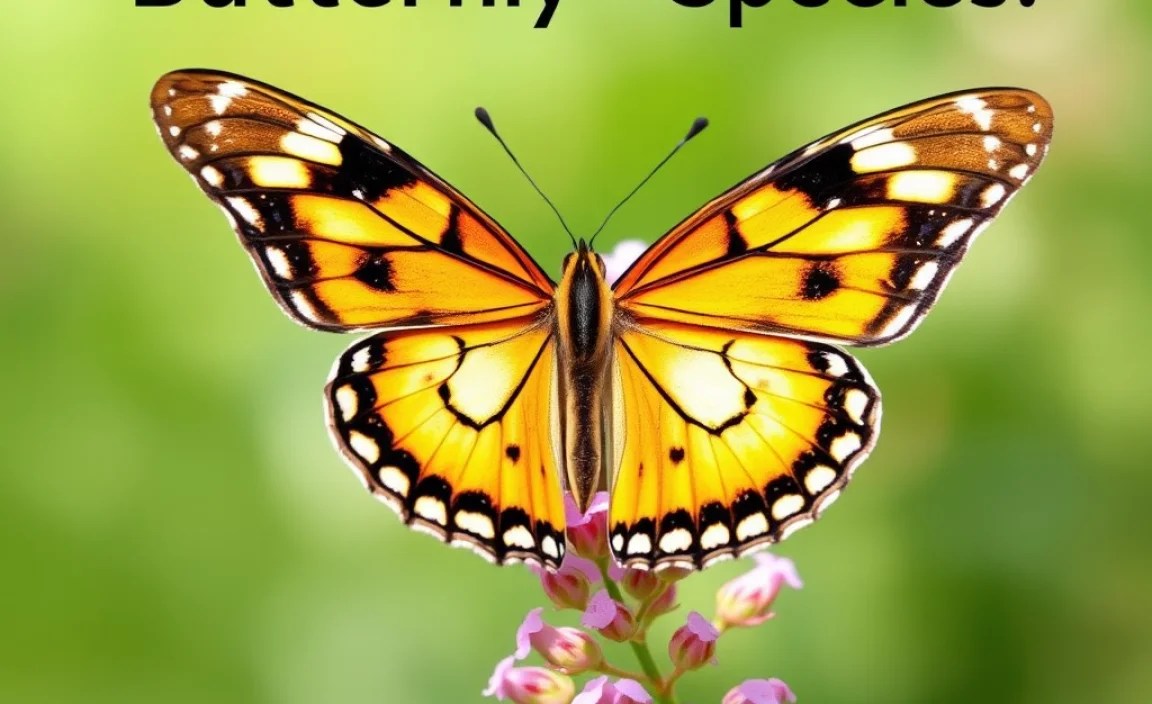
A field guide is like a guidebook for butterflies. It shows pictures and descriptions of different species. Using a field guide is a reliable way to identify butterfly species. First, find a field guide that covers your area. Look through the pictures and compare them to the butterfly you saw. Pay attention to the details. Read the descriptions to learn about the butterfly’s habitat and behavior. Field guides often include range maps. These show where the butterfly lives. Some field guides also have tips on how to identify butterflies. A field guide is a great tool for beginners. It can help you learn the names of different butterflies. It is also a reliable way to identify butterfly species. You can find field guides at bookstores and online. Some websites and apps also offer digital field guides.
- Get a field guide for your region.
- Compare photos to the butterfly you see.
- Read descriptions carefully.
- Check the range maps.
- Use the tips in the guide.
- Consider using a digital field guide app.
Field guides are not just for experts. They are for anyone who wants to learn about butterflies. Don’t be afraid to use one, even if you are a beginner. Start by learning a few common butterflies in your area. Then, gradually expand your knowledge. Field guides can also help you learn about butterfly conservation. Many guides include information on threatened species. They may also offer tips on how to help butterflies. By using a field guide, you can become a butterfly expert. You can also contribute to butterfly conservation efforts. Remember to handle butterflies with care. Do not touch their wings, as this can damage them. This also helps ensure a reliable way to identify butterfly species in the future.
Fun Fact or Stat: Some butterfly field guides include information on caterpillars, too!
How to Choose the Right Field Guide?
Choosing the right field guide is important. You want one that covers your area. You also want one that is easy to use. Look for a field guide with clear pictures. The pictures should show the butterflies from different angles. The descriptions should be easy to understand. Some field guides also include information on similar species. This can help you avoid confusion. Read reviews before you buy a field guide. See what other people think of it. You can also ask for recommendations from local butterfly experts. A good field guide will make butterfly identification easier and more fun. This offers a more reliable way to identify butterfly species. It helps with learning and understanding butterfly species.
What Features Make a Field Guide Effective?
An effective field guide has several key features. Clear pictures are essential. The pictures should be high-quality and show the butterflies in detail. Accurate descriptions are also important. The descriptions should include information on size, color, and wing patterns. Range maps are helpful. They show where the butterfly lives. Identification keys can also be useful. These are step-by-step guides that help you narrow down the possibilities. A glossary of terms can be helpful for beginners. A good index will help you find specific butterflies quickly. All these features can make a field guide more effective. This contributes to a reliable way to identify butterfly species in your area.
Tips for Using a Field Guide in the Field
Using a field guide in the field can be tricky. Here are some tips to help you. First, take your time. Don’t rush the identification process. Compare the butterfly to the pictures in the field guide. Pay attention to the details. Use a magnifying glass to get a closer look. If you are not sure, take a picture of the butterfly. Then, compare the picture to the field guide later. Be aware of the butterfly’s behavior. This can also help you identify it. For example, some butterflies are more active in the morning. Others prefer shady areas. These tips can help you use a field guide more effectively. They also provide a reliable way to identify butterfly species.
Understanding Butterfly Habitats
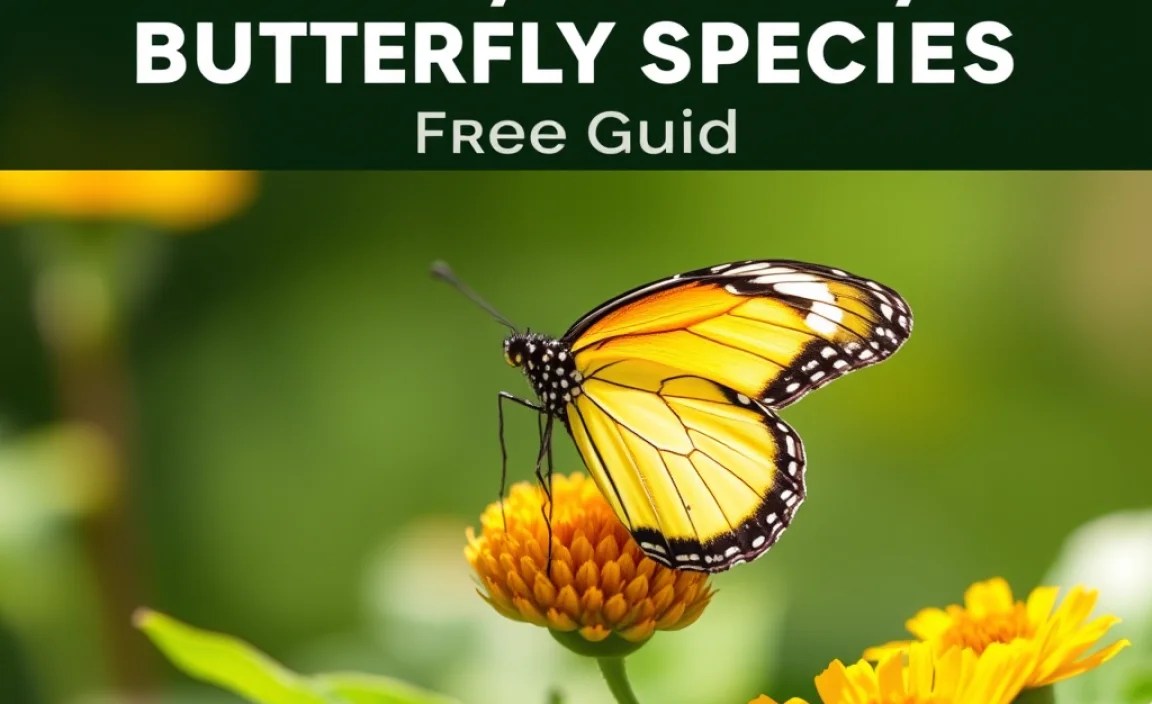
Butterflies live in different places. These places are called habitats. Some butterflies live in forests. Others live in meadows or gardens. Knowing a butterfly’s habitat can help you identify it. For example, Monarch butterflies like open fields with milkweed. Swallowtail butterflies prefer woodlands and gardens. When you see a butterfly, notice its surroundings. What kind of plants are growing there? Is it sunny or shady? Is there water nearby? These clues can help you narrow down the possibilities. Learning about butterfly habitats is fun. It can also help you become a better butterfly identifier. This contributes to a reliable way to identify butterfly species. You will start to see butterflies in a whole new light.
- Forests are home to many butterflies.
- Meadows attract butterflies with flowers.
- Gardens provide food and shelter.
- Open fields are good for Monarchs.
- Woodlands suit Swallowtail butterflies.
Butterfly habitats are important for their survival. Many butterfly species are threatened by habitat loss. This happens when forests and meadows are destroyed. When you protect butterfly habitats, you help protect butterflies. You can create butterfly-friendly habitats in your own backyard. Plant flowers that provide nectar for butterflies. Provide host plants for caterpillars. Avoid using pesticides, as these can harm butterflies. You can also support organizations that protect butterfly habitats. By understanding and protecting butterfly habitats, you can help ensure their survival. This also supports a reliable way to identify butterfly species in these protected habitats.
Fun Fact or Stat: Some butterflies only live in one specific type of habitat!
How Does Habitat Influence Butterfly Distribution?
Habitat plays a big role in where butterflies live. Butterflies need specific plants to survive. These plants provide food for caterpillars. They also provide nectar for adult butterflies. If a habitat doesn’t have these plants, butterflies can’t live there. Climate also affects butterfly distribution. Some butterflies can only live in warm climates. Others can tolerate colder temperatures. Habitat loss is a major threat to butterflies. When habitats are destroyed, butterflies lose their homes and food sources. Understanding how habitat influences butterfly distribution is important for conservation. This helps create a more reliable way to identify butterfly species based on habitat presence.
What Are Common Butterfly Habitats?
There are many different types of butterfly habitats. Forests are home to many butterflies. They provide shade and shelter. Meadows are full of flowers that provide nectar. Gardens are also great places to find butterflies. They offer a variety of plants. Wetlands are important habitats for some butterflies. They provide water and food. Open fields are good for butterflies that like sunshine. Each type of habitat supports different butterfly species. Learning about these habitats can help you identify butterflies. This can be a reliable way to identify butterfly species by familiarizing yourself with their preferred environments.
How Can You Create a Butterfly-Friendly Habitat?
Creating a butterfly-friendly habitat is easy. Plant flowers that provide nectar for butterflies. Choose a variety of colors and shapes. This will attract different butterfly species. Provide host plants for caterpillars. Milkweed is essential for Monarch butterflies. Plant trees and shrubs for shelter. Provide a source of water, such as a birdbath. Avoid using pesticides. These can harm butterflies and other insects. Let some areas of your yard grow wild. This will provide habitat for caterpillars and other wildlife. By following these tips, you can create a butterfly-friendly habitat. This also helps support a reliable way to identify butterfly species by allowing them to thrive.
Observing Butterfly Behavior

Butterflies do many things. They fly, feed, and mate. Observing their behavior can help you identify them. Some butterflies are very active. They fly around a lot. Others are more sluggish. They rest on flowers for long periods. Some butterflies feed on nectar. Others feed on tree sap or even mud. Some butterflies are territorial. They defend their space from other butterflies. Paying attention to these behaviors can provide clues. This contributes to a reliable way to identify butterfly species. It is a fun and interesting way to learn about butterflies.
- Watch how they fly.
- See what they eat.
- Observe their resting habits.
- Note their territorial behavior.
- Check if they are active or sluggish.
Butterfly behavior is influenced by the weather. On sunny days, butterflies are more active. They need the sun to warm their bodies. On cloudy days, they may hide under leaves. The time of day also affects butterfly behavior. Some butterflies are active in the morning. Others are active in the afternoon or evening. Learning about these patterns can help you find butterflies. It can also help you understand their behavior. This allows for a more reliable way to identify butterfly species by recognizing patterns.
Fun Fact or Stat: Some butterflies migrate thousands of miles each year!
What Does Butterfly Flight Pattern Indicate?
A butterfly’s flight pattern can tell you a lot. Some butterflies have a fast, erratic flight. These are often Skippers. Others have a slow, graceful flight. These might be Swallowtails. Some butterflies flutter their wings constantly. Others glide for long distances. The flight pattern can be influenced by the butterfly’s size and wing shape. It can also be affected by the wind and weather. By observing a butterfly’s flight pattern, you can narrow down the possibilities. This makes for a reliable way to identify butterfly species based on flight characteristics.
How Does Feeding Behavior Help Identify?
Butterflies feed on different things. Most butterflies feed on nectar from flowers. But some feed on tree sap, fruit, or even mud. The type of food a butterfly eats can provide clues. For example, Monarch butterflies only feed on milkweed nectar. Red Admirals often feed on tree sap. By observing what a butterfly is eating, you can get a hint about its identity. This contributes to a reliable way to identify butterfly species by understanding their dietary habits.
What Role Does Mating Behavior Play?
Mating behavior can also help identify butterflies. Some butterflies have elaborate courtship rituals. The male may perform a special dance to attract the female. Other butterflies mate in specific locations. Some gather in large groups. The timing of mating can also be a clue. Some butterflies mate in the spring. Others mate in the summer or fall. By observing mating behavior, you can learn more about butterfly species. This assists in a reliable way to identify butterfly species through understanding their reproductive patterns.
Using Technology for Butterfly Identification
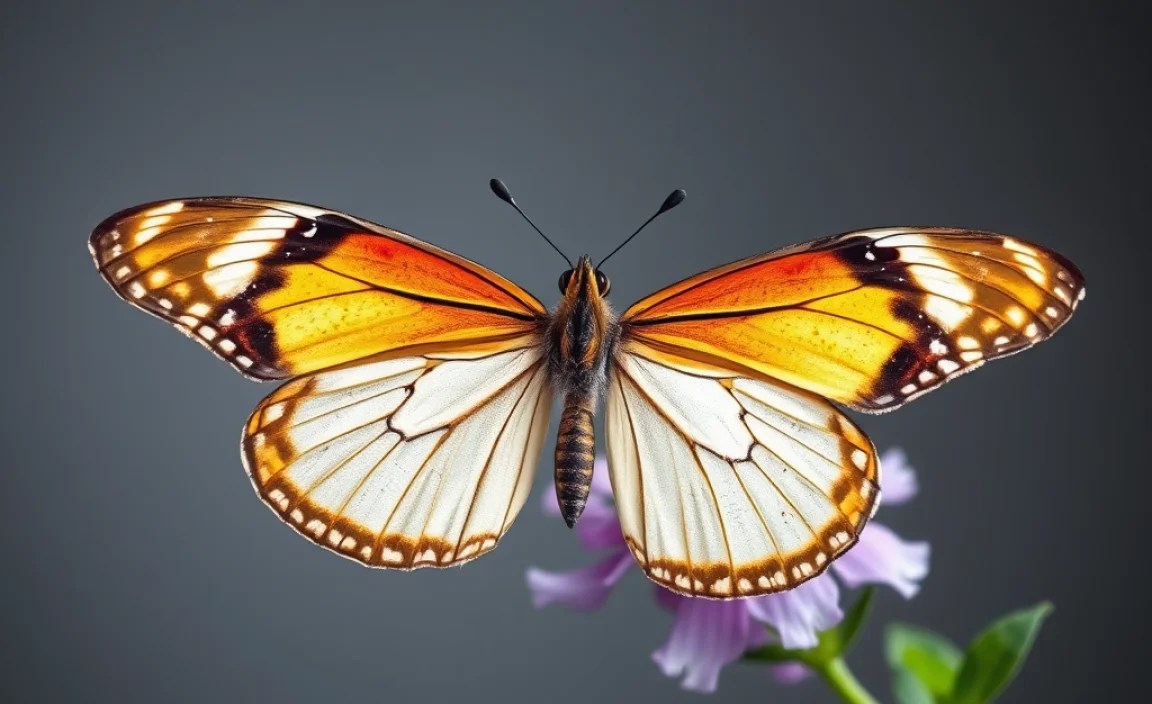
Technology can help you identify butterflies. There are many apps and websites that can help. Some apps let you take a picture of a butterfly. Then, they identify it for you. Other websites have databases of butterfly species. You can search for a butterfly by its colors, patterns, or location. Technology can make butterfly identification easier and more fun. It can also help you learn more about butterflies. However, it’s always good to double-check with a field guide. Using technology is a reliable way to identify butterfly species, especially for beginners.
- Use butterfly identification apps.
- Search online databases.
- Take photos for later comparison.
- Join online butterfly forums.
- Use social media groups for help.
Technology is constantly changing. New apps and websites are always being developed. Keep up with the latest technology to improve your butterfly identification skills. Be aware that technology is not always perfect. Apps and websites can make mistakes. Always double-check your identifications with a field guide or expert. But technology can be a valuable tool for butterfly enthusiasts. It offers a reliable way to identify butterfly species when combined with other methods.
Fun Fact or Stat: Some apps use artificial intelligence to identify butterflies!
What Are the Best Butterfly Identification Apps?
Several apps can help you identify butterflies. iNaturalist is a popular app. It uses image recognition to identify plants and animals. Picture Insect is another good option. It focuses specifically on insects. Seek is an app from iNaturalist that is designed for kids. It is easy to use and provides helpful information. These apps can be helpful for beginners. They can also be useful for experts. By using these apps, you can quickly identify butterflies in the field. These resources provide a more reliable way to identify butterfly species.
How to Use Online Butterfly Databases?
Online butterfly databases are great resources. They contain information on thousands of butterfly species. You can search for butterflies by name, location, or characteristics. Most databases include pictures and descriptions. Some also include range maps and information on habitat. The Butterflies and Moths of North America (BAMONA) website is a good resource. It has information on butterflies and moths in North America. By using online databases, you can learn a lot about butterflies. They offer a reliable way to identify butterfly species through access to extensive information.
How Can Social Media Help with Identification?
Social media can be a valuable tool. Many butterfly enthusiasts share their photos and observations online. You can join butterfly groups on Facebook or other platforms. Post your photos and ask for help identifying them. Experts and experienced amateurs can often provide accurate identifications. Social media can also help you connect with other butterfly lovers. You can learn from their experiences and share your own. This fosters a community and provides a reliable way to identify butterfly species.
| Method | Pros | Cons | Reliability |
|---|---|---|---|
| Field Guides | Detailed info, portable | Can be overwhelming | High |
| Online Databases | Vast information, searchable | Requires internet access | Medium to High |
| Identification Apps | Quick ID, easy to use | May not be accurate | Medium |
| Expert Consultation | Accurate, personalized | Can be time-consuming | Very High |
Summary
Identifying butterflies is fun and rewarding. It helps us connect with nature. We can learn about different species. A reliable way to identify butterfly species involves looking at wing patterns, size, and behavior. Field guides are useful tools. They have pictures and descriptions. Online resources and apps can also help. Knowing where a butterfly lives helps, too. By paying attention to these details, we can become better at identifying butterflies. We can also help protect them and their habitats. Remember to be patient and have fun while learning!
Conclusion
Learning to identify butterflies is a great hobby. It connects you with nature. It helps you appreciate the beauty of these amazing creatures. A reliable way to identify butterfly species is to combine different methods. Use field guides, apps, and online resources. Observe their behavior and habitat. The more you learn, the better you’ll become. Have fun exploring the world of butterflies!
Frequently Asked Questions
Question No 1: What is the easiest way to start identifying butterflies?
Answer: The easiest way to start is with a good field guide. Find one that covers your local area. Look at the pictures and read the descriptions. Start with common butterflies. Pay attention to their colors and patterns. Notice their size and shape. Also, observe their behavior. Do they fly quickly or slowly? Where do they like to feed? Practice makes perfect. The more you observe, the better you will become. Using a field guide is a reliable way to identify butterfly species, especially when you are just starting out. Also, try visiting local butterfly gardens to see various species.
Question No 2: Are there any good online resources for identifying butterflies?
Answer: Yes, there are many good online resources. Websites like Butterflies and Moths of North America (BAMONA) have lots of information. They include pictures, descriptions, and range maps. Many butterfly groups on social media can help. You can post pictures of butterflies you have seen. Other members can help you identify them. Some apps also use image recognition to identify butterflies. iNaturalist and Picture Insect are two popular options. Using these online resources is a reliable way to identify butterfly species and expand your knowledge. Just remember to double-check the information with a field guide.
Question No 3: How important is location when identifying butterflies?
Answer: Location is very important. Different butterfly species live in different areas. Knowing where you are can help you narrow down the possibilities. Field guides and online resources often have range maps. These maps show where different butterflies live. If you see a butterfly that is not supposed to be in your area, it might be a rare visitor. Or, it could be a mistake. Always double-check your identification. Considering location is a reliable way to identify butterfly species because many species have specific geographic ranges. This helps make the identification process more accurate.
Question No 4: What should I do if I can’t identify a butterfly?
Answer: Don’t worry if you can’t identify a butterfly. Even experts have trouble sometimes. Take a picture of the butterfly. Note its size, color, and patterns. Also, write down where you saw it. Post the picture on a butterfly forum or social media group. Ask for help from other butterfly enthusiasts. You can also contact a local butterfly expert. Many nature centers and museums have experts who can help. It is a reliable way to identify butterfly species by seeking assistance from knowledgeable sources. Keep learning and practicing, and you’ll get better over time.
Question No 5: How can I attract more butterflies to my garden?
Answer: Attracting butterflies to your garden is easy. Plant flowers that provide nectar. Butterflies like bright colors and different shapes. Choose flowers that bloom at different times of the year. This will provide nectar throughout the season. Provide host plants for caterpillars. Milkweed is essential for Monarch butterflies. Avoid using pesticides. These can harm butterflies and other insects. Provide a source of water, such as a birdbath. By following these tips, you can create a butterfly-friendly garden. You can also have a reliable way to identify butterfly species that come to your garden.
Question No 6: Is it okay to touch a butterfly’s wings?
Answer: It’s best not to touch a butterfly’s wings. Butterfly wings are covered in tiny scales. These scales are delicate. Touching them can damage them. This can make it hard for the butterfly to fly. It can also make it harder for them to stay warm. If you need to handle a butterfly, be very careful. Gently cup it in your hands. Avoid touching its wings. Releasing it quickly is important. This ensures a more reliable way to identify butterfly species in the future, since their wings will remain intact. It is always best to observe butterflies without touching them.